Catalogue 2025-2026
Below, browse the 2025-2026 Rencontres Internationales catalogue, or search the archives of the works presented since 2004. New video clips are routinely posted and the images and text are regularly updated.

Mikhail Basov
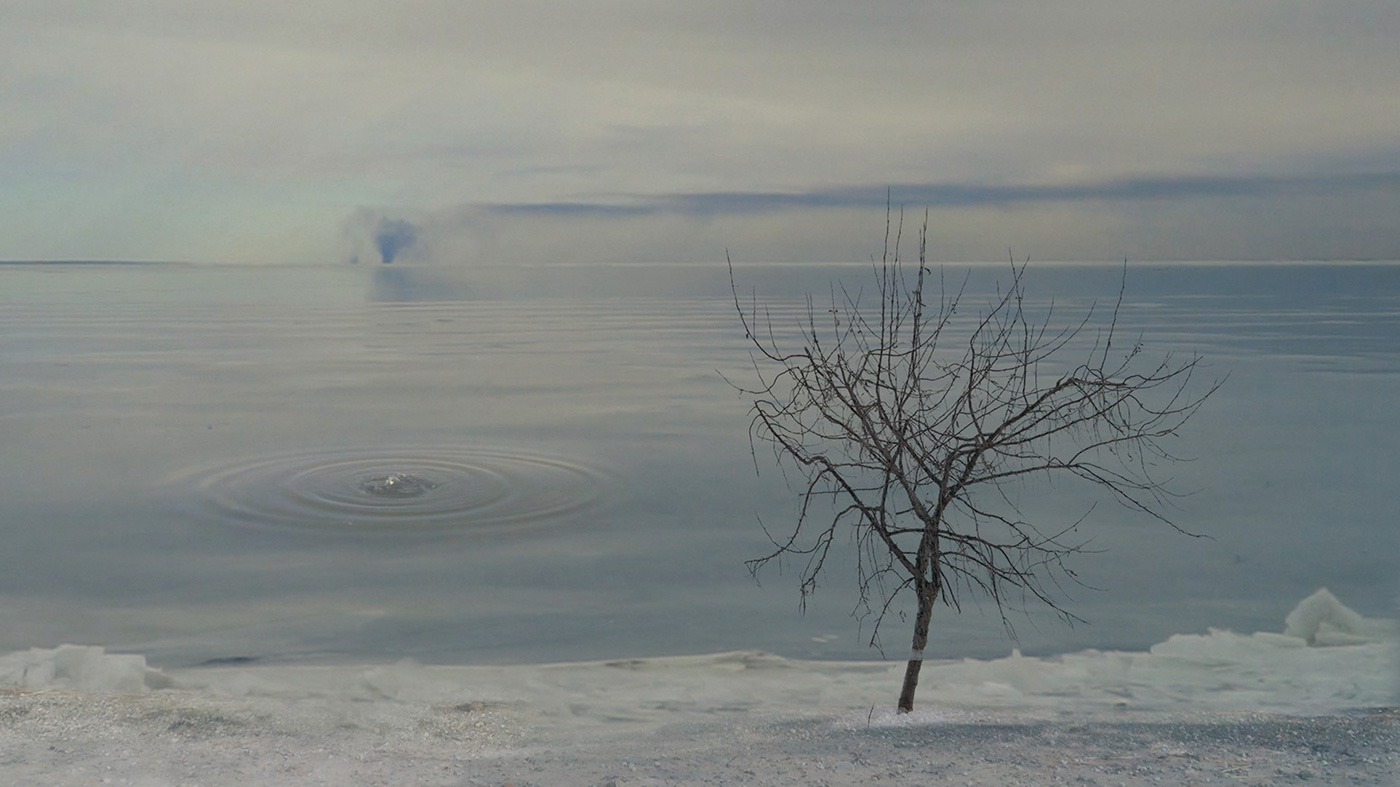
Mesto vremeny
Experimental doc. | hdv | color | 92:55 | Russia | 2025
"The Spot of Time" is a cinepoem that intertwines elements of metafilm, found footage, documentary and fiction. The title references William Wordsworth’s poem The Prelude, in which "spots of time" are described as events of profound significance for personal growth. These "moments of illumination," recalled in a state of tranquility and as if relived, become renewing sources of creative energy, imagination, and inner strength.For the authors such a moment was the discovery of old film and photo reels near a fishing village on the shores of the Azov Gulf. Over the course of 20 years, they have returned to this place again and again, gradually uncovering its mysterious properties. Their find becomes the heart of a strange world—one that spans just a few kilometers of shoreline and an hour and a half of screen time. The film received a special prize at the festival "Doker" (Moscow, 2025).
Mikhail Basov (b. 1977, Taganrog, Russia) - filmmaker, video artist. His works has been exhibited internationally in festivals & gallery exhibitions such as Experimental Film Festival Portland, Video Art Biennial in Barcelona VIDEOAKT, Oslo Screen Festival, WRO media art biennale, Kasseler Dokfest, Japan Media Arts Festival, Jihlava International Documentary Film Festival, Festival Miden, DOKER, Kinodot, International Film Festival "Message to Man", Ryuichi Sakamoto Async International short film competition (Apichatpong Weerasethakul award), Rencontres Internationales Paris / Berlin, 32nd São Paulo international short film festival, Moscow International Experimental Film Festival & other.

Camille Simon Baudry
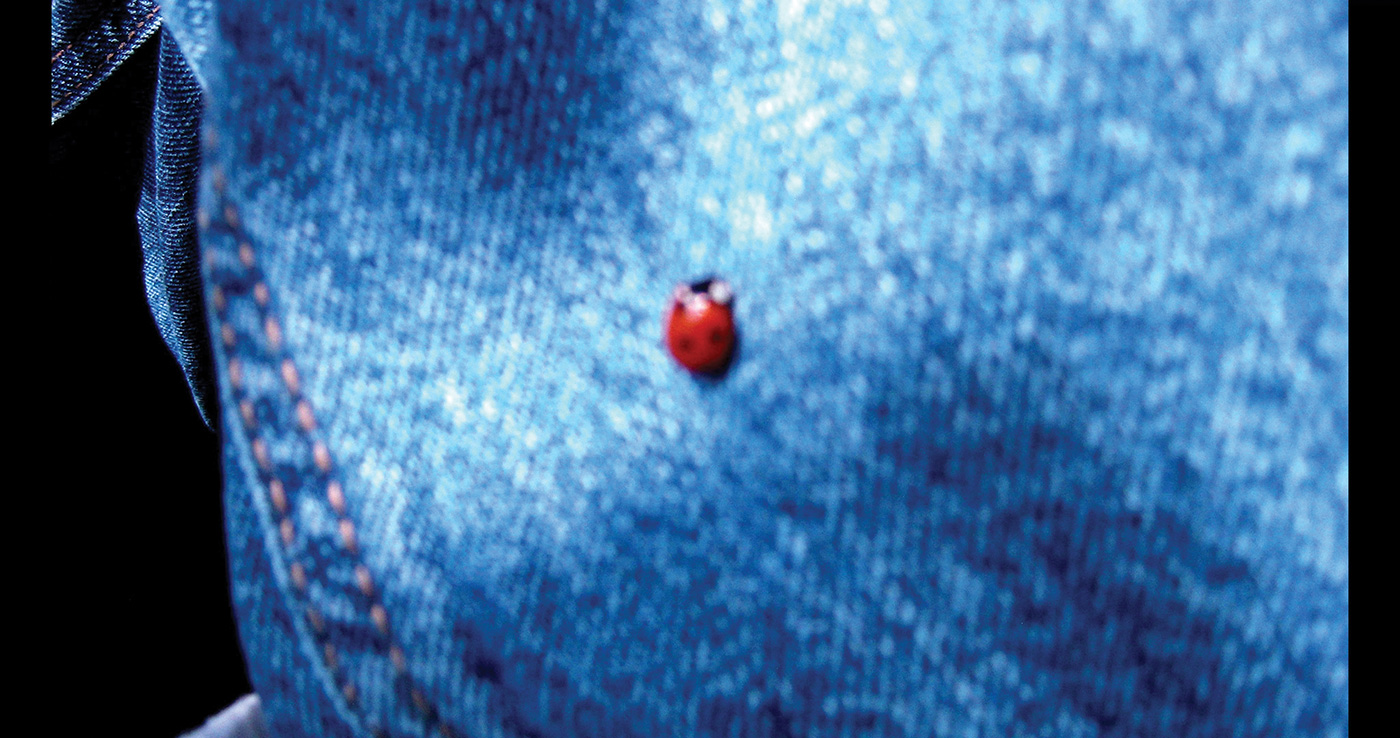
Un film long comme une larme
Fiction | 4k | color | 8:45 | France | 2025
As the relationship with her girlfriend frays at the edges, Mimi tries to apprehend the symptoms of an impending breakup.
Camille Simon Baudry is a filmmaker, artist and researcher born in the Mauges region of France in 1998. Over the past few years, she has been developing an open cinema project, driven by decompartmentalizing representations that challenge the usual ways of thinking, designating and representing the “I”, the “other” and the “environment” in the West. Her itinerary and quest for new or renewed ecological visions thus found a new web of relationships, based on recognition of marginal and silenced lives, and connection with feelings (human and earthly) that are commonly neglected.

Bazin
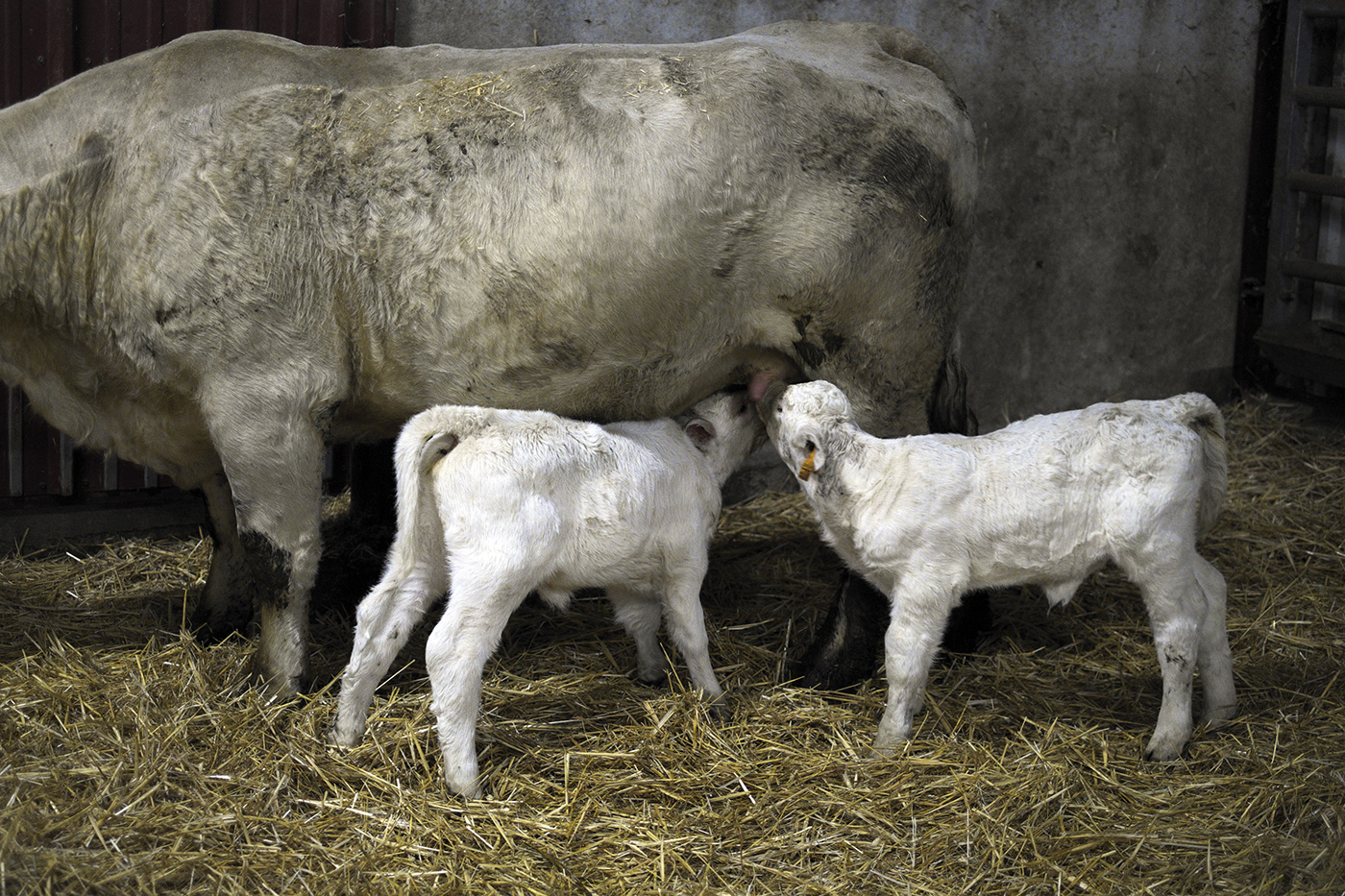
L'étoffe dont sont tissés les rêves
Experimental doc. | mov | color | 46:14 | France | 2025
L’étoffe dont sont tissés les rêves Depuis 20 ans je photographie dans le Morvan. Ce film constitue une part du travail réalisé, montrant la complexité de cette région unique en France. Ma voix parle pour huit personnes avec qui Christiane Vollaire a fait des entretiens en 2022. C'est un film photographique, une expérimentation documentaire, reprenant l'idée de Chris Marker dans la Jetée, mais sans histoire, sans fantastique, sans voix-off narrative. La voix donne la parole à des néoruraux qui s'expriment sur l'image, la photographie, et leurs désirs de création. Les fragments musicaux construisent une histoire parcellaire de la musique minimaliste, de Beetoven à Charlemagne Palestine, en passant par Frank Zappa dans son interprétation de Bartok. Des silences sont ménagés, pour regarder les portraits d'entretiens : les personnes ne posent pas pour le photographe, elles échangent avec leur intervieweuse.
Philippe Bazin (France) est photographe et développe depuis le début des années 1980 un travail prenant en compte les relations que nous entretenons avec les différents phénomènes institutionnels encadrant et organisant souvent notre existence. Son travail sur les visages a été publié en 2009 dans La Radicalisation du monde. Philippe Bazin travaille essentiellement sur les relations entre esthétique et politique face aux processus de globalisation, cherchant à reconstruire du commun lors de rencontres où les personnes dites subalternes sont considérées pour leurs compétences réflexives. Le monde rural est devenu un champ de travail important, notamment dans un milieu rural déserté comme le Morvan. Philippe Bazin a reçu le Prix Niépce en 1999, est lauréat de la Villa Medicis Hors-les-Murs en 2001 et allocataire d’une bourse de recherche du Centre National des Arts Plastiques (France) en 2009. Il prépare un livre réunissant les 18 projets réalisés en collaboration avec la philosophe Christiane Vollaire. Il est membre du comité scientifique de la revue Focales, Université de Saint-Etienne. www.philippebazin.fr

Remi Belliveau
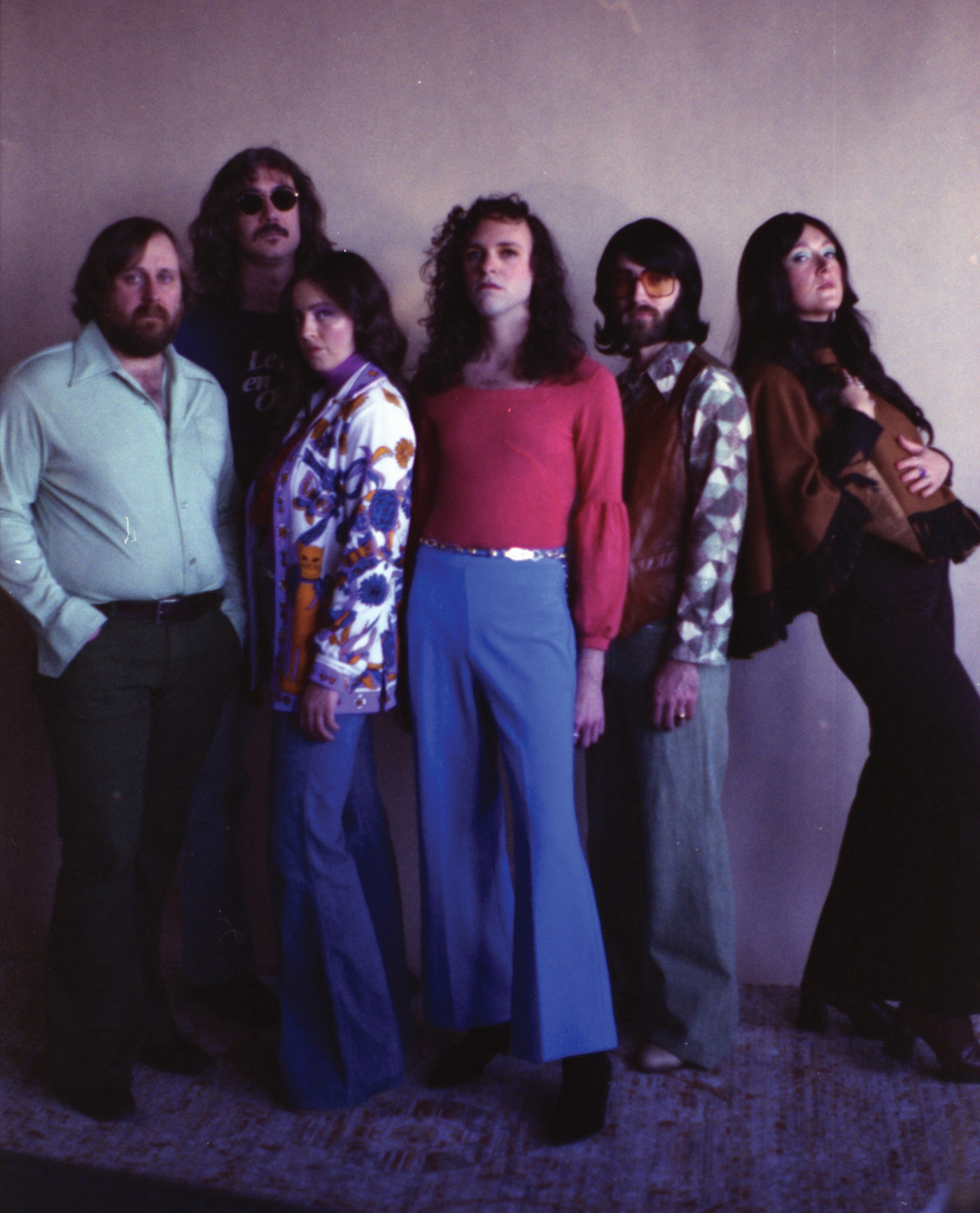
L'Empremier live at Beaubassin
Experimental doc. | 16mm | color | 62:26 | Canada | 2023
L’Empremier live at Beaubassin (1970) est une œuvre vidéo qui prend la forme d’un long métrage pastiche du film Live at Pompeii (1972, 1974) d’Adrian Maben ou? l’on voit le groupe mythique Pink Floyd jouer dans l’amphithéâtre vide de cette fameuse île détruite par l’éruption volcanique du Mont Vésuve. À Beaubassin, les ruines du Fort Beauséjour – situées a? la frontière entre le Nouveau-Brunswick et la Nouvelle-Écosse – servent d’amphithéâtre dans lequel les esprits du passe? (ceux des ancêtres acadien·ne·s, condamne?·e·s ici, en 1755, a? la déportation et a? des années d’errance) sont convoqués comme spectateur·ice·s fantomatiques. Adoptant le décor de l’e?te? 1970, Live at Beaubassin met en scène un·e chansonnie?r·e acadien·ne fictive – Joan Dularge – alors qu’iel approche la décennie tumultueuse des années 1970, pre?occupe?·e par l’actualité? LGBT[Q2IA+] au lendemain des Stonewall riots (28 juin 1969) et motive?·e par sa condition de personne nouvellement trans-out. Lors de séquences documentaires encore tournées a? l’image de Live at Pompeii (version de 1974), on a l’occasion de voir le processus de création de de Joan et son groupe L’Empremier, alors que ses membres – surtout la chanteuse principale – ont le regard tourne? résolument vers le futur, aux prises avec des enjeux d’actualité : « Jouez-vous de la musique acadienne ? » « Est-ce que la langue est un enjeu avec votre producteur anglophone ? » « Est-ce que l'acadiennete? est une forme de queerness ? »
Rémi Belliveau est un·e artiste, musicien·ne et auteurice interdisciplinaire acadien·ne originaire de Belliveau-Village (vallée de Memramcook, Nouveau-Brunswick), un hameau acadien situé sur Mi’kma’ki, le territoire ancestral non cédé du peuple Mi’kmaq. Son travail artistique s’attache à déconstruire et reprogrammer les fondements, les structures et les imaginaires de la culture acadienne à laquelle iel appartient dans le but de cultiver des capacités d’(auto)analyse et de sens critique, notamment en ce qui concerne la relation entre acadienneté et transitude. Récemment, iel a été deux fois en lice au Prix Sobey pour les arts (finaliste Atlantique en 2021, liste préliminaire Atlantique en 2024), lauréat·e du Prix Claudine et Stephen Bronfman (2022), lauréat·e du programme MOMENTA X RBC (2023), lauréat·e des Ateliers Montréalais de la Fonderie Darling (2023-2026), lauréat·e de la bourse Periculum pour le discours sur l’art (2024) et finaliste au Prix en art actuel du Musée national des beaux-arts du Québec (2025) où iel a gagné prix du public.
Yosr Ben Messaoud
Envol
Video | hdv | color | 4:12 | Tunisia, France | 2024
In the dim light, the hand emerges like a fragment of presence, suspended between appearance and disappearance. It becomes a sensitive territory, brushed by a silent intimacy, unfolding like an open landscape, a place that welcomes what passes through without ever fully allowing itself to be grasped. The video then becomes a space of slowing down, where the gaze encounters a partial yet inhabited presence, crossed by a world in motion.
Yosr Ben Messaoud is a visual artist working between France and Tunisia. She is currently studying at the École des Beaux-Arts de Paris, after completing a degree in contemporary art and the humanities at the University of Vincennes. Her work includes video, photography, drawing, and installations, as well as hybrid forms that move between these different modes of expression. The variety of operative forms conveys an aesthetics of openness and suspension, where one is called upon to become a bridge, to welcome alterity in order to allow a new form of communion to emerge. In her practice, she examines questions related to the displacement of narratives and their survival, beginning from the intimate, through the creation of dispositifs conceived both as systems of reception, containers of experience, and circuits of narration—structures that become inhabited by what surrounds them. The axes shift incessantly between lived experience and affective facts, collected images and those that persist, the intimate and the collective voice, in order to reflect on the human condition—understood not as humanity at the centre of the world, but as part of its sensitive order, material, and social


Younes Ben Slimane
Images de Tunisie
Experimental doc. | mov | color and b&w | 14:39 | Tunisia | 2025
Images de Tunisie reclaims and recontextualizes archival footage from 1940s newsreels produced by Les Actualités Françaises, and combines it with new footage filmed at the same vernacular architecture sites in the Berber villages of southern Tunisia. These 1940s black-and-white documentaries were created to serve French propaganda in and about the colonised countries of North Africa, including Tunisia. Ben Slimane explains: ‘The title of the film comes from the ethnographic documentary filmed by Georges Barrois, Images de Tunisie (1946), which interested me because of its ability to create images and shape narratives. I went back to the sites presented in the archive films to reappropriate the scenes from a personal point of view, using a hand-held camera to explore the ruined sites. " The film functions as a counter-ethnography. Navigating between archive documents and personal images, an interaction unfolds. This interaction becomes the keystone of the film, transforming it into a commentary on the evolution of the medium of cinema, illustrating its ability to redefine narratives.
Younès Ben Slimane is a Tunisian visual artist and filmmaker. He graduated in architecture from the National School of Architecture and Urbanism in Tunis before completing postgraduate studies at Le Fresnoy – Studio National des Arts Contemporains (FR). His work has been showcased at the Mucem in Marseille (FR), the Biennale de l’Art Africain Contemporain in Dakar (SN), the Museum of Contemporary Art in Skopje (MK), the Institut du Monde Arabe in Paris (FR), the Beirut Art Center (LB), ETH Zurich – gta exhibitions in Zurich (CH), the Versailles Architecture Biennale in Versailles (FR), the Art Explora Museum Boat, and the Wexner Center for the Arts in Ohio (US), the Zaha Hadid Foundation in London (UK) and the Galeria de Arte Cinemática in Vila do Conde (PT). His films have been selected for international festivals including the Locarno Film Festival (CH),CPH:DOX (DK), Black Star Film Festival (US), DokuFest (XK), EXiS Seoul, (KR) and Prismatic Ground New York (US), among others. He has received numerous awards, including Loop Barcelona Award (2022, ES). His work is part of art collections, including the Museum of Contemporary Art of Barcelona (MACBA) Print and Kadist Paris–San Francisco.
Samy Benammar, Mohamad Awad
Adieu Ugarit
Documentary | 16mm | black and white | 15:45 | Canada | 2024
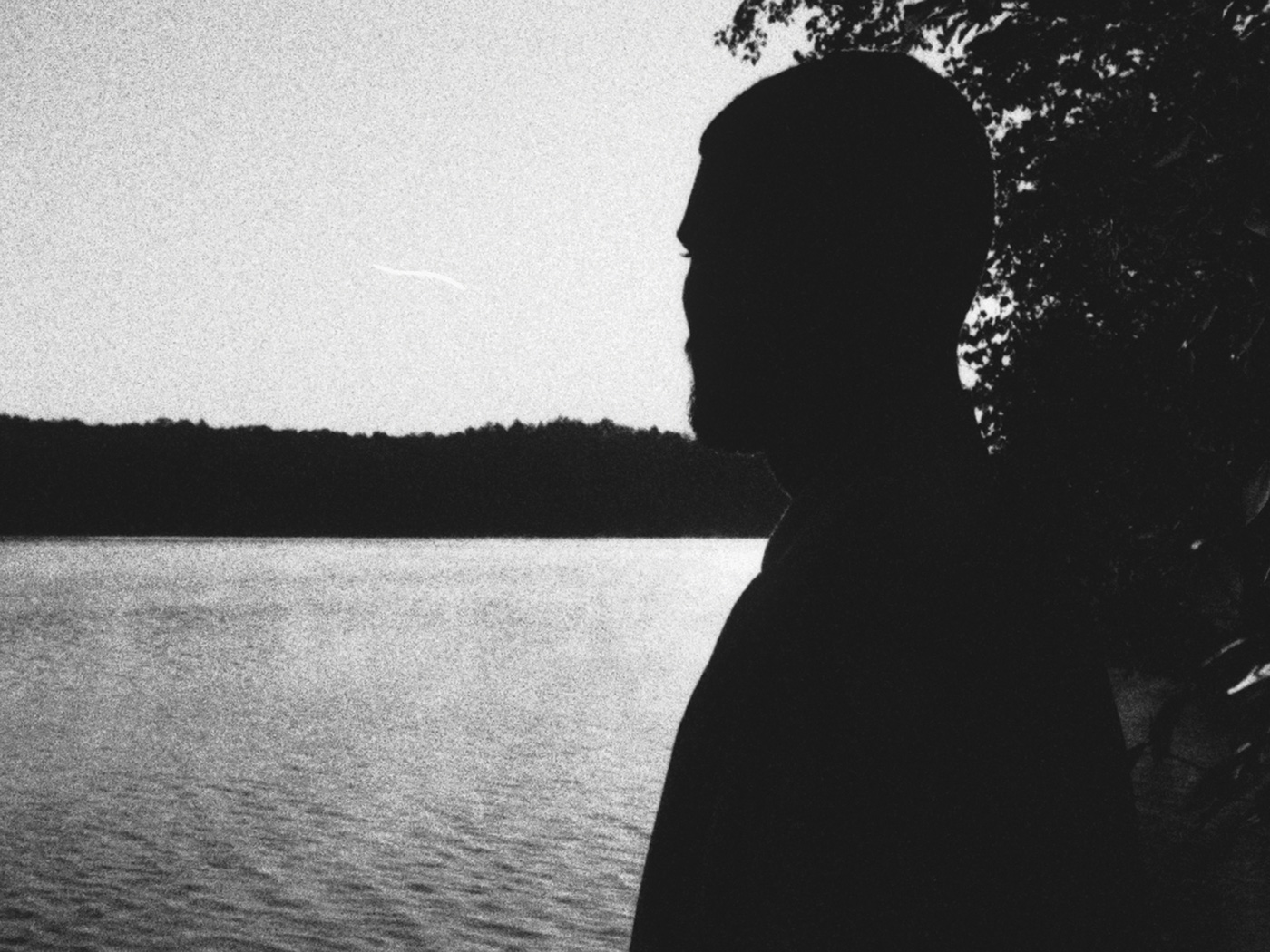
In 2012, Mohamed had seen his best friend shot dead by an armed militia on the outskirts of Damascus, Syria; the blood spilled in the lake contaminated his memory. Ten years on, the reflections on the Laurentian waters revive Mohamed's trauma. I ask him if he'd like to dredge up the memories, repair the pain by retreating for a few days to the most distressing calm he can find. He talks about death, immigration and anger. We wonder how and why we should recount this story.
Samy Benammar is a filmmaker, photographer, and art critic based between Montreal and Marseille. Drawing from his Algerian roots and working-class upbringing, his work blends a reflective documentary approach with tactile experimentation. He seeks a form of visual reconciliation while underscoring the irreparable fractures left by fantasies of the past. Often hovering on the edge of disappearance, his images explore the tension between physical and imagined space, between memory, identity, and stone. He has served on the editorial boards of Hors Champ, 24 images, and Panorama-cinéma, and is currently pursuing a PhD on colonial photography in the Aurès region of Algeria.

Yohana, Hanga Benattar, Toth, Hanga Toth , Yohana Benattar
Ce qui se meut comme corps revient comme mouvement de pensée
Experimental doc. | mp4 | color | 61:13 | France | 0
Il s’agit d’une tentative d’imaginer un regard réciproque, un regard qui articule la nature en nous et hors de nous. Les plantes nous accompagnent toute notre vie, nous tissons et retissons avec elles des relations subtiles, d’équilibres mouvants, imprévisibles et souvent invisibles. Pourtant, dans nos représentations, l’environnement non-humain reste souvent évoqué comme un cadre de l’expérience humaine, plutôt qu’un acteur à part entière. Comment regarder et faire ressentir les relations silencieuses et discrètes qui nous relient à la végétation ? Comment les liens avec le vivant se tissent et se créent dans ces espaces de vie que sont les hôpitaux gériatriques, des unités de soin longue durée ou les établissements d'hébergement pour personnes âgées dépendantes ? Durant l’année 2024, nous avons réfléchi ensemble avec les résidentes et résidents de quatre EHAPDs à la perception des plantes, à la manière dont nous appréhendons leurs présences et qu’elles nous perçoivent.
Hanga Tóth est artiste et cinéaste, elle travaille entre Budapest et Paris. Dans ses installations vidéos et éditions elle s’intéresse aux dimensions performatives et processuelles du cinéma documentaire et développe des formes d’attention aux mouvements. Elle développe des méthodologies de création ouvertes et collaboratives, impliquant des équipes pluridisciplinaires pour explorer des questions sociétales telles que les savoirs expérientiels en santé, la perception du temps ou notre rapport à l’environnement immédiat. Après son diplôme à l’Université des arts Moholy-Nagy de Budapest, elle a étudié la philosophie contemporaine et la réalisation documentaire à l'Université Paris Cité. Yohana Benattar est cinéaste et autrice. Elle est diplômée d’un master de recherche en anthropologie sociale de l’EHESS et d’un master en écritures documentaires de l’Université de Paris Diderot. Yohana s’est dirigée vers la réalisation documentaire sous diverses formes et termine actuellement son premier long-métrage documentaire « Bedeau, camp de passage ». Elle a co-fondé l’association étrangères productions avec Hanga Toth qui accompagne des projets hybrides à l’intersection de l’art, du soin et des sciences sociales.

Aude Benhaim
ÎLE
Experimental doc. | mov | color | 24:51 | France, Germany | 2021
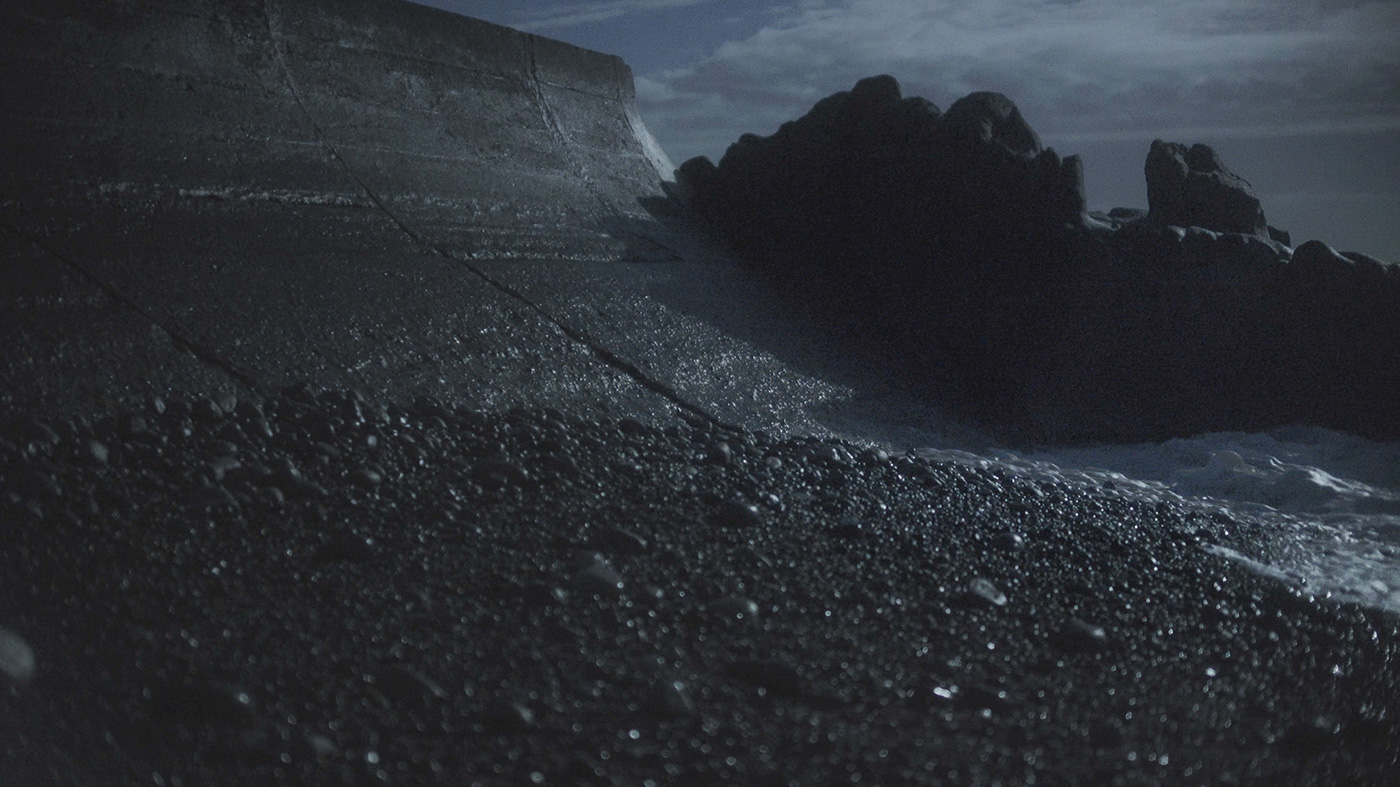
Au large de la côte bretonne s'étale une petite île à la merci des marées. La mer gronde jusque dans les étroites ruelles. La voix des vagues se mêle à celles des habitants. Les tempêtes et les naufrages reviennent à leur mémoire et rappellent la mort toujours aux aguets.
Aude Benhaïm est une artiste vidéaste. Elle a grandi en France et vit aujourd’hui en Allemagne. En 2009, elle a obtenu son Diplôme national d’arts plastiques en communication visuelle à l’École européenne supérieure d’art de Bretagne, site de Rennes. En 2011, elle est venue étudier à l’École d’art de Leipzig (“Hochschule für Grafik und Buchkunst”) dans la classe de photographie et d’image animée de l'artiste Tina Bara. En 2016, elle y a obtenu son diplôme avec le film documentaire Ailleurs en moi. En 2017, elle a participé au programme de formation continue TP2 Talentpool dans le domaine de la réalisation avec le projet Île. En 2018, elle a remporté le prix KONTAKT Pitching lors de la Journée des jeunes talents organisée par la Mitteldeutsche Medienförderung à Leipzig pour ce même projet. Le court-métrage Île a été projeté au festival Torino Underground Cinefest en 2022.

Lena Bergendahl
The Human Orchid
Experimental video | 4k | color | 34:21 | Sweden | 2024
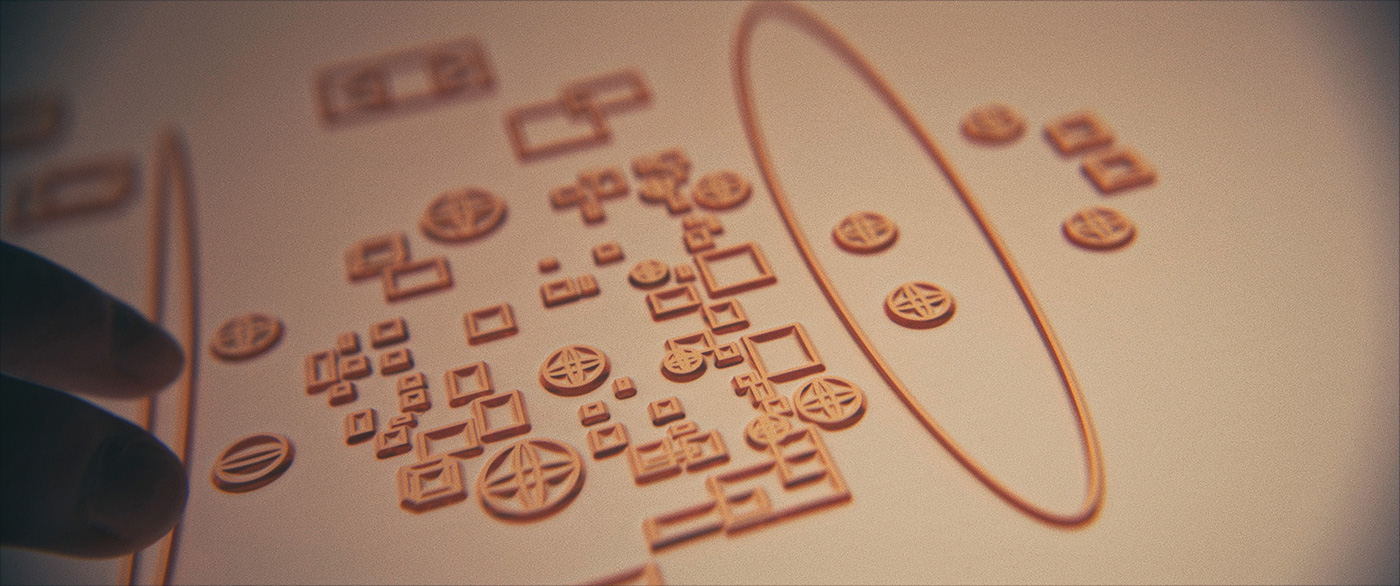
In The Human Orchid we follow a group of individuals who look to be human but whose behavior suggests something else. They seem to be connected to each other through a sort of network or root system. Through sessions reminiscent of psychological personality tests, their perceptions and orientation abilities are evaluated. Together, they perform different examinations to approach an understanding of humanity.
Lena Bergendahl (b. 1982, SE) is an artist and film maker who completed her MFA at the Royal Institute of Art in Stockholm in 2010. Throughout her work, questions of visual storytelling, humanity, and technology are recurrent. Fictional scenarios are intertwined with archival material and investigations from geological, historical, and scientific perspectives. She works with examining these questions through short films and video installations, combined with sculpture, photography, text, and collage. The works move between mountain ranges, digital avatars, forest masks, Rorschach images, and the faces of orchids, to the evolution of flowers through time and their techniques for attracting insects. Her works have recently been shown at Ystads Konstmuseum, Ystad, SE (2024), Gislaveds Konsthall, Gislaved, SE (2024), Röda Sten Konsthall, Gothenburg, SE (2024), Vermilion Sands, Copenhagen, DK (2022), Galleri CC, Malmö, SE (2022), Galleri Format, Malmö, SE (2021), Celsius Projects, Malmö, SE (2019), Lunds Konsthall, Lund, SE (2018), Swedish Television (2018) and at Jan van Eyck Academie, Maastricht, Netherlands (2017). In 2021 she was awarded the Edstrandska Stiftelsen's Scholarship.
Alisa Berger
RAPTURE I - VISIT
Experimental doc. | 4k | color | 18:22 | Germany, France | 2024
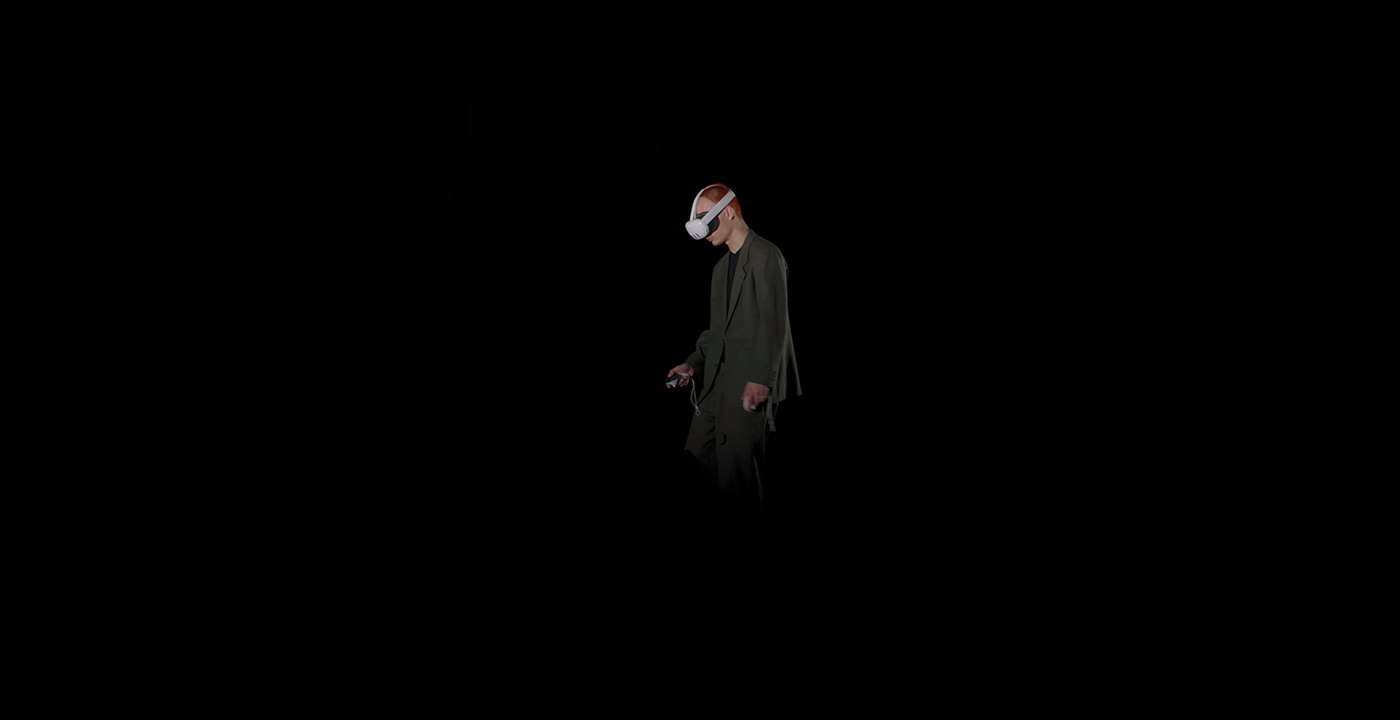
RAPTURE I - VISIT piece follows Ukrainian Vogue dancer Marko as he emotionally confronts his abandoned and inaccessible apartment in Donbas, Ukraine, a region affected by ten years of war. The apartment is recreated using a 3D scan of original photographs, offering a digital reconquest of the space as Marko visits it through VR for the first time since 2018.
Alisa Berger was born 1987 in Makhachkala (Republic of Dagestan, Russia) and raised in Lviv (Ukraine) and Essen (Germany). She studied film and fine arts at the Academy of Media Art Cologne (KHM) and at the Universidad Nacional de Colombia Bogotá. With her 2017 KHM diploma film, she was nominated for the Max Ophüls Prize and for the FIRST STEPS Award of the Deutsche Filmakademie. She was also the recipient of the Best Film Award for New Directors at Int. Film Festival Uruguay and the Screenplay Award of H.W. Geißendörfer. 2018 - 2022 she lived in Tokyo and studied Butoh. Her work often deals with a search for the spiritual, non-rational drive in our world, cultures whose practices of knowledge acquisition are related to religious ideologies, mortuary cults or futuristic concepts of these beliefs.

Diego Bianchi, Vanina Scolavino
INFLATION
Experimental video | mp4 | color | 11:58 | Argentina | 2023
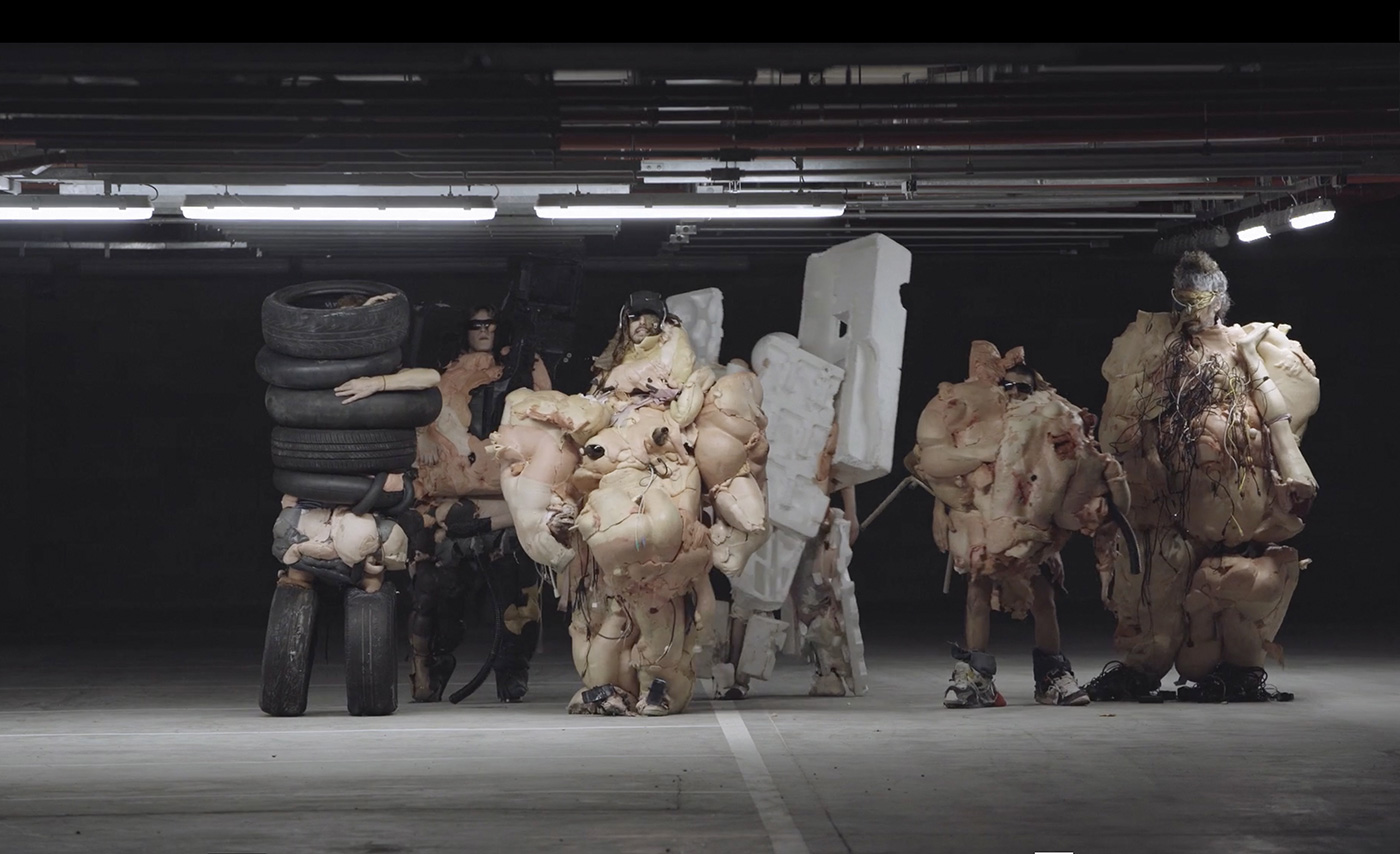
Inflation is a video series that documents the adventures of strange characters with exceeded bodies. In this work, eleven performers use megaprosthetic limbs as costumes to reflect on consumerism and the limits of the body's relationship with the outside world. These augmented bodies walk, dance, and interact with the urban environment, accompanied by organic sounds that range from the frightening to the scatological.
Diego Bianchi (Buenos Aires, 1969) began exhibiting his work in the early 2000s, quickly gaining recognition with pieces that intertwine installation, sculpture, and performance. Alongside his artistic career, he has been actively involved in education, leading seminars and workshops at institutions such as Torcuato Di Tella University, Artistas por Artistas in Buenos Aires, SOMA in Mexico City, HFBK University in Dresden, and SESC in São Paulo. He is currently the Artistic Director of the Torcuato Di Tella University Art Center. His notable solo exhibitions include "Errores Irreales" (2025) at Halle Für Kunst Steiermark, Graz; "CATWALK (LAPSUScollapsus)" (2025) at Cité internationale des arts, Paris; "Corpo-Casa, Dialogue between Caroleen Schneemann, Diego Bianchi and Márcia Falcão" (2024) at Pivò, São Paulo; "Museo Abandonado" at Bienal Sur, Cervantes Institute Dakar; "Táctica sintáctica" (2022) at CA2M Museum, Madrid; "El presente está encantador" (2017) at MAMBA, Buenos Aires; "Under de si" (2017) at Matadero Madrid; and "WasteAfterWaste" (2016) at Pérez Art Museum Miami. His work has been included in the following international biennials: 2023 New Performance Turku Biennale, 2021 Liverpool Biennial and Buenos Aires Performance Biennial; 2013 Istanbul Biennial; 2011 Lyon Biennial; and 2009 Havana Biennial.

Kjell Bjørgeengen
Andrea Giordano & Kjell Bjørgeengen
Multimedia concert | mov | color and b&w | 30:0 | Norway | 2025
Andrea Giordano electronics and voice - Kjell Bjørgeengen Dave Jones VideoSynth and Flood Coil Excerpt from performance at Surnadal Billag, Norway 2024
Kjell Bjørgeengen looks upon his art as an investigation of a reality which needs to be worked upon and changed in both artistic and political ways. His video work began in association with The Experimental Television Center in Owego, New York, which specialized in the development of new video technology for artists. Since 2000, he has worked exclusively with audio-generated video using the Jones VideoSynth and Flood Coil—a device which mimics a CRT monitor where the debris of the magnetic fallout is picked up and turned into sound. Bjørgeengen has exhibited widely including a series of large scale video installations at Kunstnernes Hus, The National Museum of Art, Bergen Art Museum, Stavanger Art Museum, Kristiansand Art Museum, Kristiansand Arthall and Gallery K, Hara Museum of Contemporary Art, Tokyo, The Ludwig Forum, Aachen, Dundee Contemporary Arts, and the Pori Art Museum. For his audio generated video performances Kjell has worked with Jon Balke, Joëlle Léandre, Okkyung Lee, Uchihashi Kazuhisa, Jin Hi Kim, Otomo Yoshihide, MIMEO, Evan Parker Electro Acoustic Ensemble, Aernoudt Jacobs, Streifenjunko, MURAL, Lasse Marhaug, Marc Ribot, Kim Myhr, Toshimaru Nakamura, Thomas Lehn, Rick Reed, Jim Denley, Chris Cogburn, Inga Margrete Aas, John Tilbury and Keith Rowe. https://bjorgeengen.com/ https://vimeo.com/kjellbjorgeengen

Zeljka Blaksic
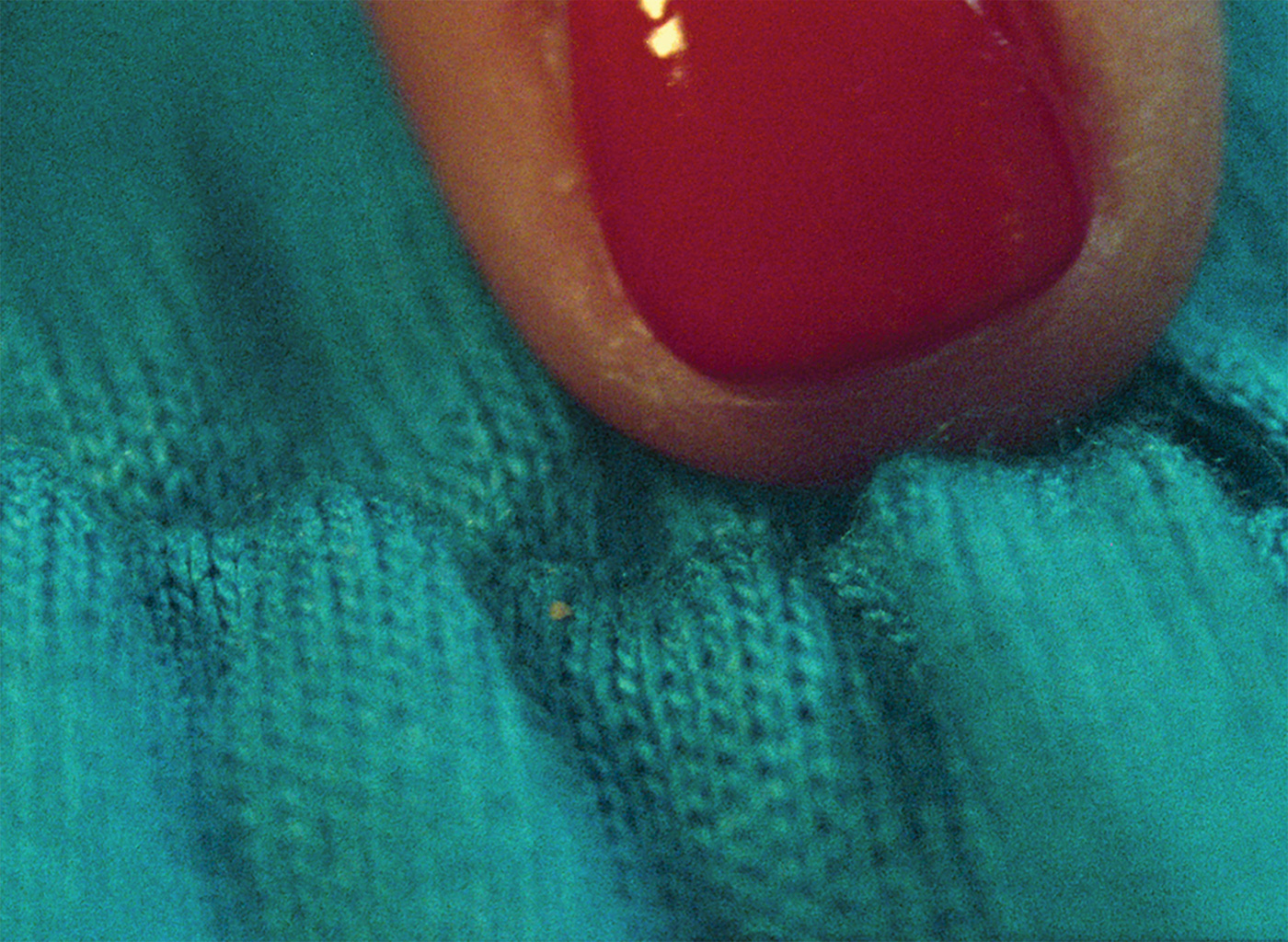
Stitch The Ruin
Experimental film | 16mm | color | 8:30 | Croatia | 2024
“Stitch the Ruin” is an experimental film that reflects on the conceptual, historical, and social concerns surrounding clothing production. In the film we see interconnected microscopic images of textiles gathered from Zagreb’s legendary flea market “Hreli?”, with lists of shut factories, some named after the partisan heroines of the Antifascist Women’s Front. By focusing closely on details like stitching and tags, this work explores knowledge of time and labor and reflects on the specific industrial structure of feeling established by workers in these socialist factories.
Željka Blakši? AKA Gita Blak is a visual artist, filmmaker, and educator invested in the moving image, performative archival practices, and countercultural histories. Her work has been exhibited at the Art Encounters Biennial 2025: Bounding Histories. Whispering Tales (Timi?oara), the 17th Gjon Mili Biennial at the National Gallery of Kosovo, the MoMA (New York), Kunsthalle Exnergasse (Vienna), Reading International Art Festival (UK), Anonymous Gallery (New York), AIR Gallery (New York), The Kitchen (New York), Framer Framed (Amsterdam), Gallery Augusta (Helsinki), Gallery of SESI (São Paulo). Her latest film Stitch the Ruin has been screened at over twenty international festivals and received multiple awards. She has participated in Interdisciplinary Art and Theory Program (NYC), the Visual Studies Workshop (Rochester, NY), the Fondazione Pistoletto Residency (Italy), MuseumsQuartier (Vienna), Recess Session (NYC), A.I.R. Gallery Fellowship Program (NYC), and Alserkal Avenue (Dubai). Awards include, Green DCP at the 25 FPS (Zagreb), the NYFA Film/Video Finalist, the Residency Unlimited & NEA Fellowship, the Paula Rhodes Award (NYC), and the 2024 Ruprecht Fellowship at the University of Vermont. Željka holds an MFA from the School of Visual Arts and a BFA from the Academy of Fine Arts in Zagreb.

Diana Blok
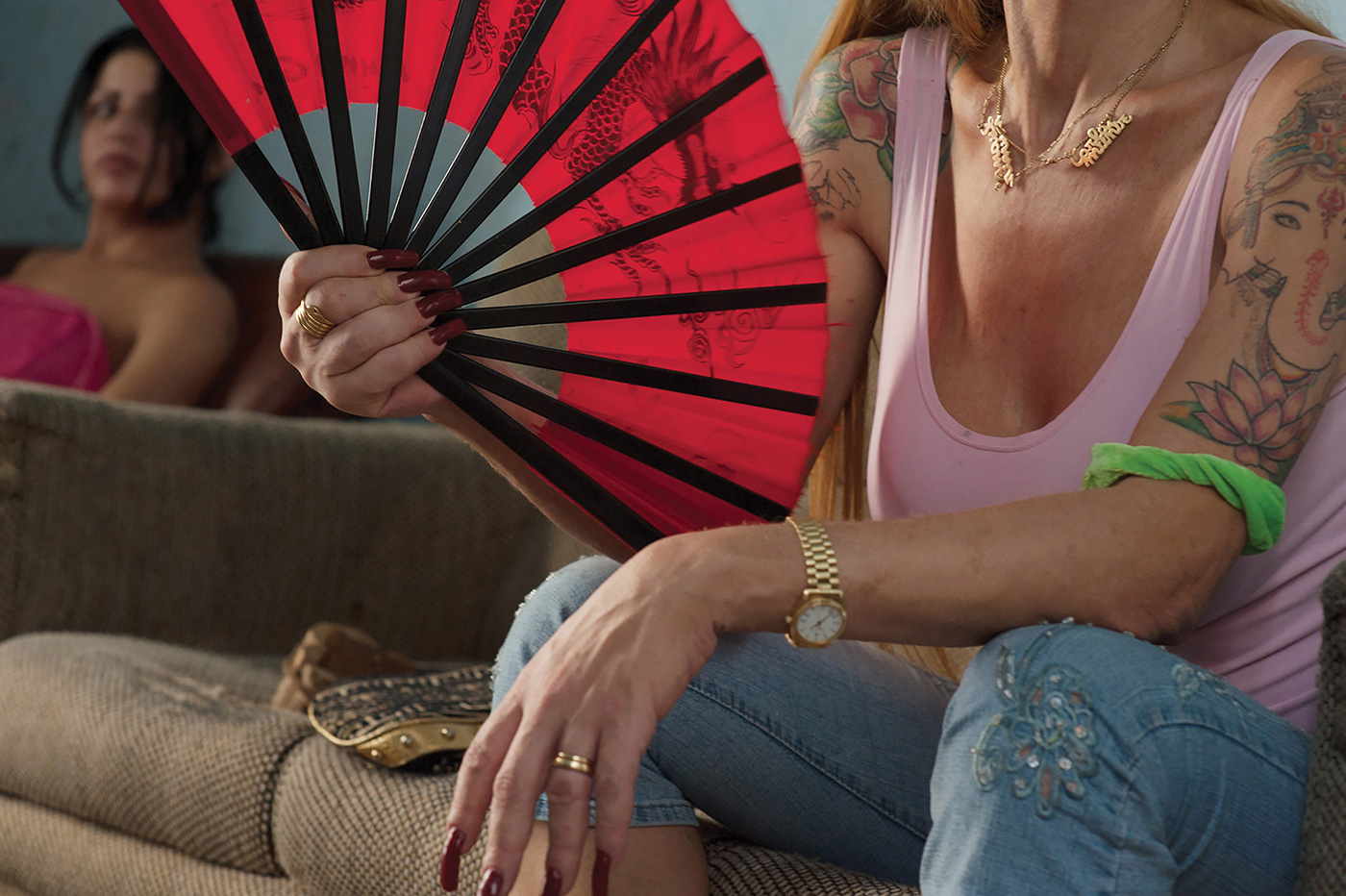
La Grande Dame Homme de Rio
Experimental film | mov | color | 17:0 | Netherlands | 2022
La Grande Dame Homme de Rio, ( 17min.) formaat 16:9 For artist Diana Blok, meeting the infamous Luana Muniz, the Brazilian transvestite activist known for sheltering other transvestites and transsexuals in her large run-down house downtown Rio de Janeiro, was no chance encounter. Unforgettable in a myriad of ways, Luana was also one of the creators of a project that offered education to the trans community, including a program around HIV awareness. She was someone you did not ‘mess around with’, in and ahead of her time, known in Rio’s underground scene as ‘la grande dame’ of the transvestite and transexual prostitution scene. She was intelligent, sharp and clever enough to have made a good living for herself, so that her personal retreat was none other than a grand old house where 30 other sex workers lived. This is where Diana made the interview, shot the film and took the photographs. Luana passed away in 2017 aged 59, due to a cardiac arrest following a strong pneumonia, six years after the material was made. This short raw film feels like a ‘divine souvenir’ of a memorable life within the LGBTQ community in a country where prejudice and crime against these individuals is rated as one of the highest worldwide. Direction and Camera : Diana Blok Editor : Reinier Zoutendijk La Grande Dame Homme de Rio, ( 17min.) formaat 16:9
Diana Blok (b. 1952, Montevideo) is a Dutch-Uruguayan, self-taught visual artist whose work centers on identity, gender, sexual diversity, and cultural heritage. She studied Sociology in Mexico City before relocating to Amsterdam in 1974, where she began her lifelong dedication to photography. She later expanded her practice to include the intersection of photography and film. A multilingual artist shaped by her diasporic background, Blok is known for her poetic and confrontational visual language. Her work consistently challenges conventional narratives and explores underrepresented voices across cultures. Her groundbreaking portrait series Adventures in Cross-Casting found new life in Brazil, evolving into Gender Monologues—a video installation created in collaboration with interactive designer Pawel Pokutycki. Since 2016, it has been exhibited in Rio de Janeiro, Brasília, Paramaribo, Valencia, and The Netherlands. In addition to her artistic practice, Blok is an active educator and guest lecturer at fine art academies across Europe and internationally. In 2024, the Cobra Museum ( NL) held a retrospective ' I challenge you to love me' ( 50 years overview) co-curated by Hripsime Visser, former photography curator in the Stedelijk Museum Amsterdam.

Ansuya Blom
Misty Man
Experimental fiction | mov | color | 15:48 | Netherlands | 2024
MISTY MAN – SYNOPSIS A young man has been accused of theft. We see him behind barbed wire, falling in slow motion onto the grass. The artist Ansuya Blom alternates this powerful image and others that she shot in Suriname, such as a group of pelicans screeching around a fishing boat in Paramaribo, with 8 mm recordings of a first communion procession from her family archive. Meanwhile we hear a woman’s voice reading from the 1982 book Disorderly Families by Arlette Farge and Michel Foucault, a collection of letters from the French Bastille archives. Many of the letters are pleas to the court to lock up a spouse or child to prevent the entire family falling apart. We also hear the battle song of the White Horse Society of the Dakota people in the US. In these ways, Misty Man offers food for thought about mental as well as physical confinement, while never making a clear-cut statement on the subject. The image of a young boy wearing a communion suit is significant in this context, with a digital zoom transforming his face into a pixelated, undulating surface—no matter how far we zoom in, we will never know the stirrings of his soul.
Since 1978, Ansuya Blom (Groningen, 1956) has built up an oeuvre that explores the boundaries of the world of our inner experiences. In drawings, collages, films and installations, she unravels the complex relationships humans maintain with themselves and the external world. These relationships often involve misconceptions and confusion. Solo exhibitions of Ansuya Blom’s work have been held at Camden Arts Centre in London; The Douglas Hyde Gallery in Dublin; the Stedelijk Museum in Amsterdam; and Huis Amelisweerd in collaboration with Centraal Museum Utrecht. Her work was part of the Aperto 90 at the Venice Biennal. Her films have been screened at The International Film Festival Rotterdam, Rencontres Internationales Paris-Berlin, IDFA and The Museum of Modern Art in New York. Her work is part of various private and public collections such as Stedelijk Museum Amsterdam, Museum Boijmans van Beuningen Rotterdam, Tate Modern London and Centraal Museum Utrecht. In recent years, Eye Filmmuseum in Amsterdam has been working with the artist to conserve and restore her films. Ansuya Blom is a regular advisor at the Rijksakademie van beeldende kunsten in Amsterdam. In 2020 she was awarded the Dr. A.H. Heineken Price for Art for her oeuvre.
Mohamed Bourouissa
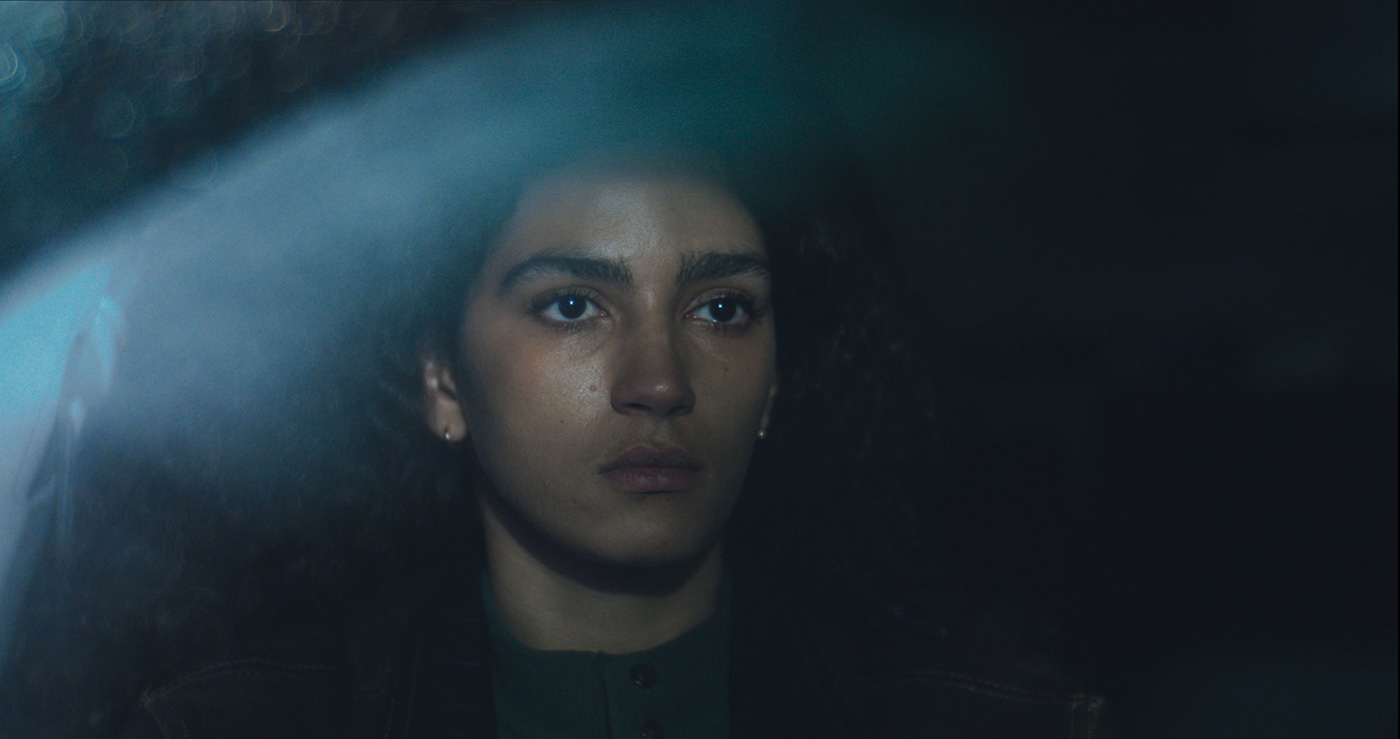
Généalogie de la violence
Fiction | dcp | color | 15:15 | France | 2024
Imagine a film about police brutality, with no brutality. A film where nothing happens, yet you’re left baffled. Invisible violence, disguised under lawful humiliation. Domination wrapped in polite protocols. I started talking about making this short film back in 2018, but the idea of it was haunting me probably since the late 90s, when I started being constantly stopped by the police for “random identity checks”. I felt a certain urgency to tell this very personal story. With the series of sculptures in cast aluminium that can be read as an esquisse to Généalogie de la Violence wider project, Mohamed Bourouissa aims to convey the intimate sensations that a formal procedure can induce, the traces that a systematic judicial practice can leave, both on and in the body. These sculptures represent moments of palpation during body searches. They evoke a tension between body parts and the hands that palpate it and reveal a point of contact between social bodies and a state body. The artist reveals an intimate experience of what the notion of control imposes in terms of bodily dispossession. The interiority of this experience is reflected by the void in the works. Through them, Mohamed Bourouissa represents an emotional dynamic that involves the enactment of two male bodies, highlighting the power dynamics and domination by one body over another.
Mohamed Bourouissa was born in 1978 in Blida (Algeria), and lives and works in Gennevilliers. He is represented by the Mennour, Paris and Blum Los Angeles galleries. Exhibited in 2010 by the Palais de Tokyo and the Musée d’Art Moderne on the occasion of Dynasty, an original association between the art center and the Musée de la Ville de Paris to highlight a new generation of French artists, Mohamed Bourouissa has since exhibited in numerous museums and international biennials (Rencontres internationales de la photographie d’Arles ; Musée d’Art Moderne de la Ville de Paris; Centre Pompidou, Paris; New Museum, New York; Barnes Foundation, Philadelphia; Stedelijk Museum, Amsterdam; Frankfurt am Main; Bal, Paris; Haus der Kunst, Munich; Biennales de Sydney, Sharjah, Havana, Lyon, Venice, Algiers, Liverpool, Berlin; Milan Triennale… ). Mohamed Bourouissa’s work is included in numerous public and private collections (Centre Pompidou, Paris; SF Moma, San Francisco; LACMA, Los Angeles; Pinault Collection; Fondation Louis Vuitton, Paris; The Israel Museum, Israel…).

Antoine Boutet
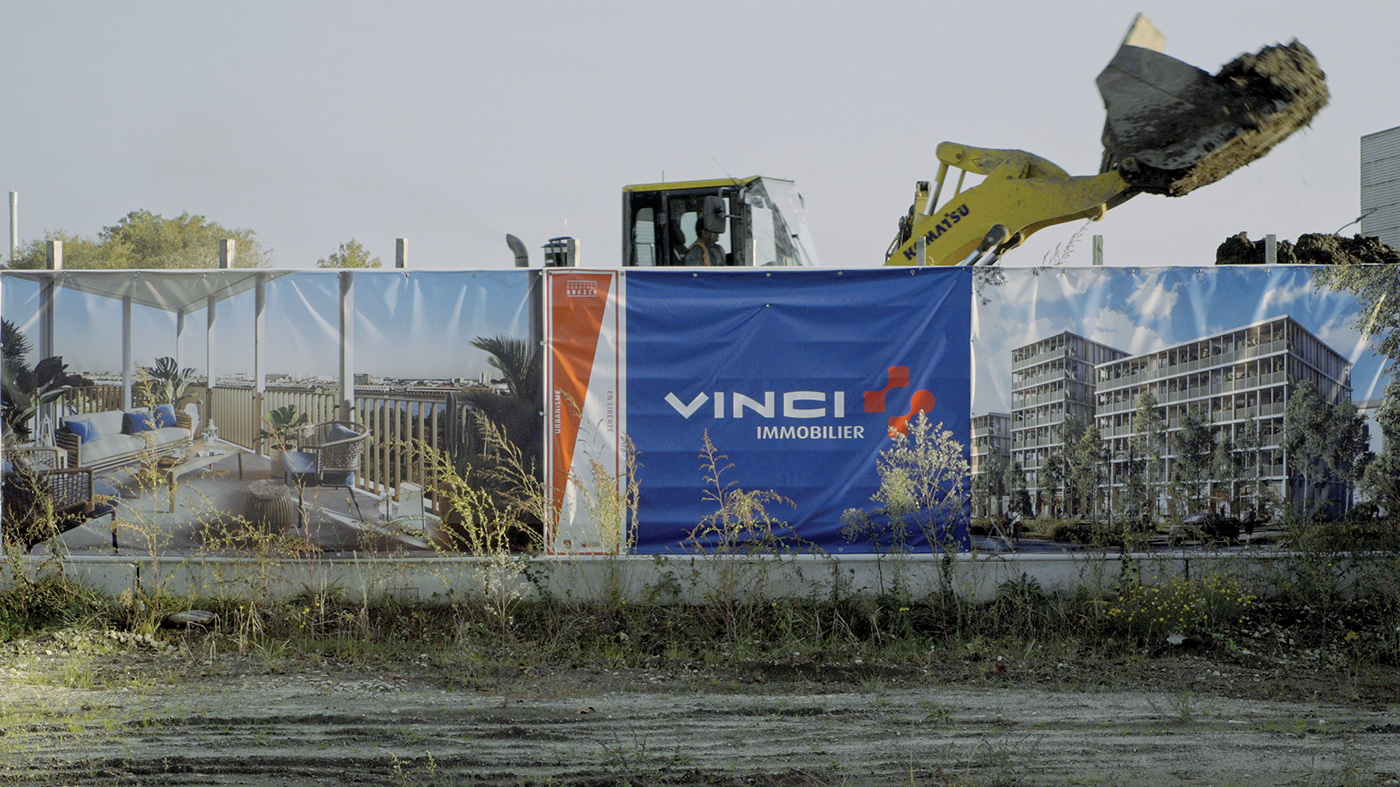
ICI BRAZZA, chronique d’un terrain vague
Documentary | 4k | color | 86:0 | France | 2023
Ici Brazza, tout un programme : une zone en friche vit ses dernières heures. 53 hectares à bâtir pour un vaste projet immobilier dans l’air du temps. Chronique d’un terrain vague en transformation, le film scrute l’annonce d’un « nouvel art de vivre » dans la réalité brute du terrain. Suscitant désir et appréhension, les états successifs du paysage dessinent au fil des ans l’image de la ville de demain.
Antoine Boutet est un réalisateur français. Depuis 15 ans, ses films documentaires prolongent son travail de plasticien sur la transformation du paysage : le long- métrage Sud Eau Nord Déplacer suit pendant quatre ans le plus grand projet de détournement d’eau au monde ; Zone of initial dilution montre un territoire bouleversé par la construction du barrage des Trois-Gorges en Chine ; Le plein pays révèle l’existence d’un ermite au fond d’une forêt française... tous primés dans de nombreux festivals en France et à l’étranger. Son dernier long-métrage Ici Brazza fait la chronique d’un terrain vague confronté à la naissance d’un quartier et d’un « nouvel art de vivre ».

Pamela Breda
Synthetic Dreams
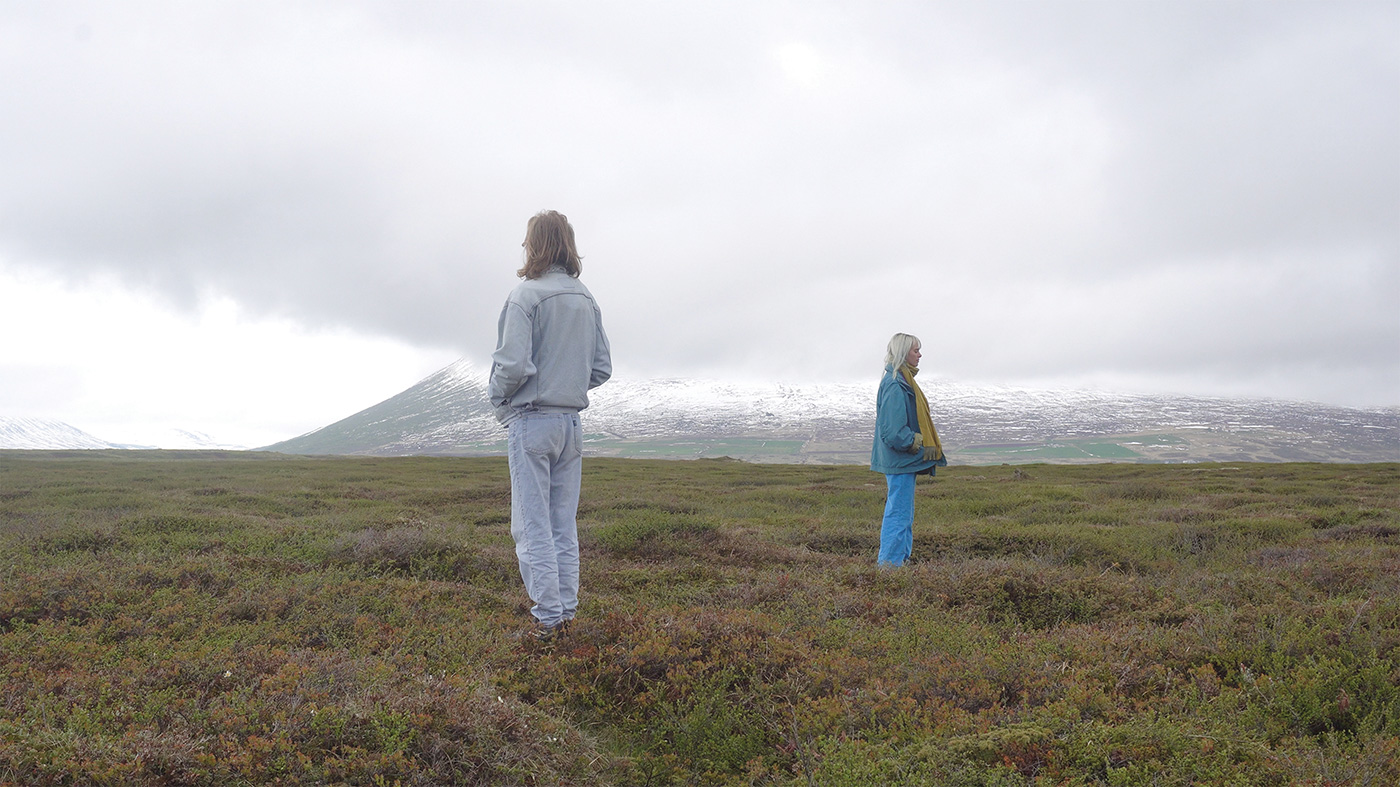
Experimental doc. | 4k | color | 70:0 | Italy, Iceland | 2025
Set against remote European landscapes, this experimental documentary explores the evolving relationship between humans and artificial intelligence. Drawing on the theories of futurologists Max Tegmark, Ray Kurzweil, and Kevin Kelly, the film envisions speculative futures shaped by advancing technology, probing the ethical, existential, and emotional dimensions of our coexistence with AI. At the center are two actors engage spontaneously with selected excerpts from these thinkers’ writings forms the core of the narrative. Without preparation or direction, their unfiltered responses transform abstract ideas into emotional exchanges, bridging philosophy and lived experience. The landscapes themselves become metaphors for the uncharted territories of consciousness and creation, where human thought meets artificial intelligence. Blending theoretical inquiry with improvisation, the film unfolds as a reflective dialogue between the human and the speculative. It invites viewers to contemplate the uncertain balance between fear and hope, control and surrender, that defines our approach to intelligent machines—and ultimately asks: what kind of future are we bringing into being?
Pamela Breda is an artist, filmmaker, and researcher based in Vienna. She has been appointed as an artist and fellow in residence at several prestigious international institutions, including Villa Medici - Accademia di Francia (Rome), Cité Internationale des Arts (Paris), and Pratt Institute (New York, USA). Her films have been screened at renowned festivals and art venues worldwide, including Sheffield DocFest (UK), ECRA Film Festival (Rio de Janeiro, Brazil), Revolutions Per Minute Festival (Boston, USA), Visions du Réel Film Festival – Media Library (Nyon, Switzerland), and Hazel Eye Film Festival (Tennessee, USA). Her interdisciplinary research focuses on the visual tropes and cultural traditions that shape contemporary image-making. She explores critical themes such as the impact of digital imagery on perception, the evocation of an absent or dematerialized body, and the interplay between duration, dormancy, and memory. Her work engages with memetics and the generative processes of recollection, examining how personal and collective histories are constructed, archived, and transformed over time. Through her films and installations, she investigates the evolving relationship between human vision, technological mediation, and artistic authorship in the digital age.

Jacob Brinkworth
Night Walks
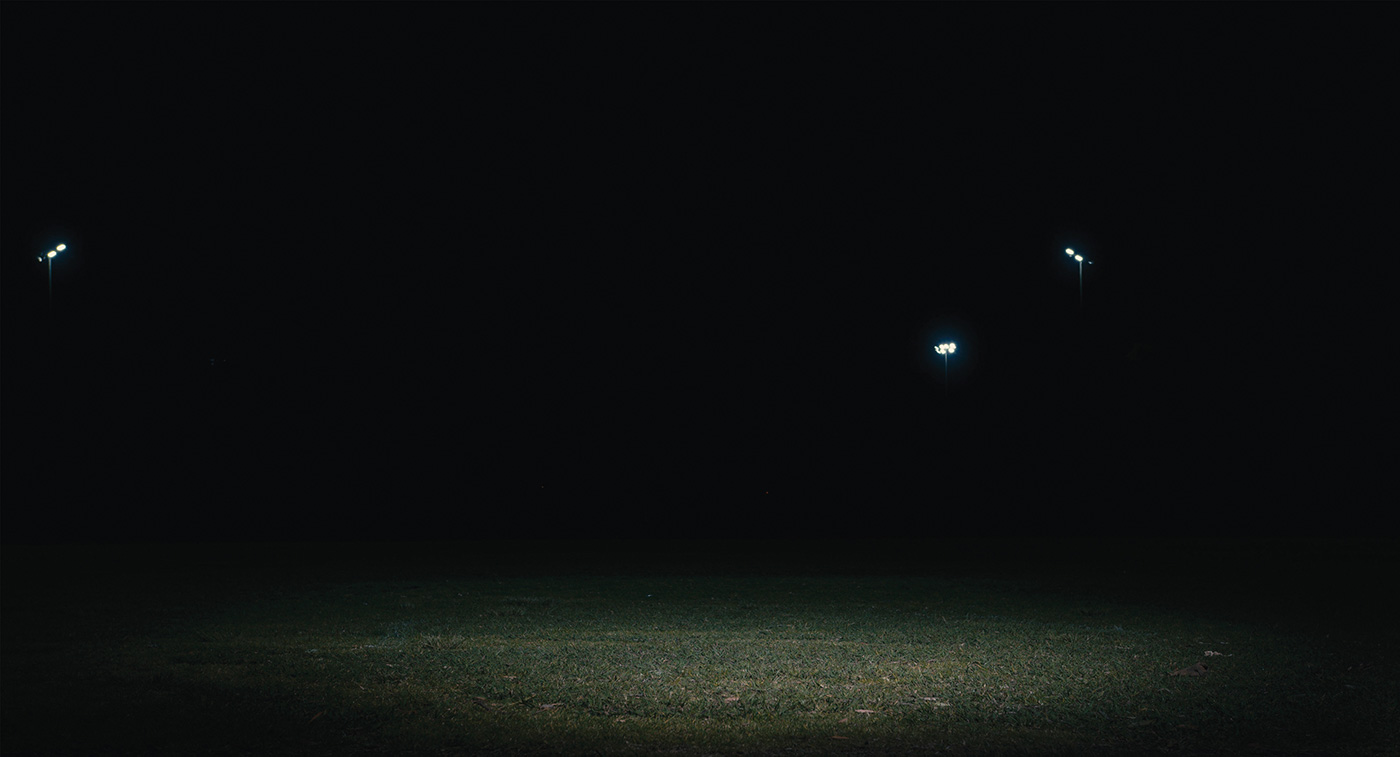
Fiction | 4k | color | 19:39 | Australia | 2024
A worker and an ambient artist, stuck in loops of work, creation and isolation, have two strained social encounters. There is an illuminated patch of grass surrounded by darkness.
Jacob Brinkworth is a Boorloo/Perth-based filmmaker and academic, currently doing his doctoral studies. In 2022, he completed his Bachelor of Arts Honours with his practice-led research project "Night Walks: An Exploration of Time as a Commodity Through Transcendental Cinema". He has since premiered the practical output of the project at the 27th Revelation Perth International Film Festival. It has also screened internationally at the Experimental Fiction Film Festival and further nationally at Sightlines Festival and moviejuice. He is a member of the Australian Director's Guild.


Madison Brookshire
Set
Experimental video | 4k | color | 9:38 | USA | 2024
Set (2024) Digital video, color, sound, 9.5 minutes A pandemonium of parrots at sundown
Madison Brookshire lives in Los Angeles, where he makes films, paintings, and performances. His work invites viewers to become aware of perceptual processes and the sensuous experience of time. He often works at the edges of disciplines, frequently collaborating with musicians and composers, including LCollective, Laura Steenberge, Mark So, and Tashi Wada. His awards include being named a 2023 Guggenheim Fellow in Fine Arts, an ARC grant from the Center for Cultural Innovation, a Rema Hort Mann Foundation Emerging Artist Grant, and being an Artist in Residence at the Echo Park Film Center and the Hammer Museum.