Catalogue > Faire une recherche
Résultats pour : Tout le catalogue
Matti Harju
Afrikka
Fiction expérimentale | 16mm | couleur | 9:3 | Finlande | 2011
Glenn is in a state of acute psychosis.
Matti Harju (b. 1978, Finland) studied filmmaking at the National Film and Television School in the UK. His previous short films have been shown in numerous film festivals around the world including Clermont-Ferrand, Locarno, Rotterdam and Edinburgh.
Matti Harju
Kolme päivää sadetta
Fiction expérimentale | mov | couleur | 14:3 | Finlande | 2021
Part time Twitch streamer, part time drug courier; both low level. Slithering between life and death, online and offline. The carefree summer of global progress seems to be over - are these the final days of both, the illusion of overarching narrative, and of Jerome the Saint.
Matti Harju has screened work at the Rotterdam, Locarno, Oberhausen, Torino, BFI London, Edinburgh, AFI FEST Los Angeles and Clermont-Ferrand film festivals among others. He studied film directing at the National Film and Television School (NFTS) in the UK and holds an MFA from the Finnish Academy of Fine Arts.

Matti Harju
Elä naura rakasta
Doc. expérimental | hdv | couleur | 7:10 | Finlande | 2019
Connections, directions and boundaries blurred and reorganized. Bitten cake, flames, vodafone, compression, concrete and unassuming round shapes.
Matti Harju (b. 1978, Finland) has screened at the Rotterdam, Locarno, Torino, BFI London, Edinburgh, AFI FEST Los Angeles and Clermont-Ferrand festivals and elsewhere. He studied at National Film and Television School, UK and Academy of Fine Arts in Finland.
Matti Harju
New Age
Vidéo | hdv | couleur | 9:58 | Finlande | 2016
Speculative video essay about accelerationist pastel hues and semi-paranoid trademarks at the time when everything is nearing the end of the World.
Matti HARJU (b. 1978, Finland) is working in the rubbish bin of contemporary art including video, narrative cinema, text, drawing, installation, life as a jpeg performance. He has screened work at the International Film Festival Rotterdam, Festival del film Locarno, Torino Film Festival, BFI London Film Festival, Edinburgh International Film Festival, AFI FEST Los Angeles and Clermont- Ferrand International Short Film Festival among others. Solo exhibitions include Gallery Sinne (collaboration with Joakim Pusenius) in March 2015 and Exhibition Laboratory Project Room in February 2016, both in Helsinki. Currently an MFA candidate at the Academy of Fine Arts, FI. He also studied film directing (MA in Directing Fiction) at the National Film and Television School, UK.
Matti Harju
Ekstaasi
Fiction expérimentale | mov | couleur | 9:48 | Finlande | 2022
Set in the darkest time of the year, a feverish and delirious film about a small and ever-shrinking island – the Ecstasy – located somewhere between the search for pleasure and the inherently destructive powers of capitalism.?
Matti Harju has screened work at the Rotterdam, Locarno, Kurzfilmtage Oberhausen, Torino, BFI London, Edinburgh, AFI FEST Los Angeles and Clermont-Ferrand film festivals among others. He studied film directing at the National Film and Television School (NFTS) in the UK and holds an MFA from the Finnish Academy of Fine Arts. His second feature, Fury, is currently in post-production.
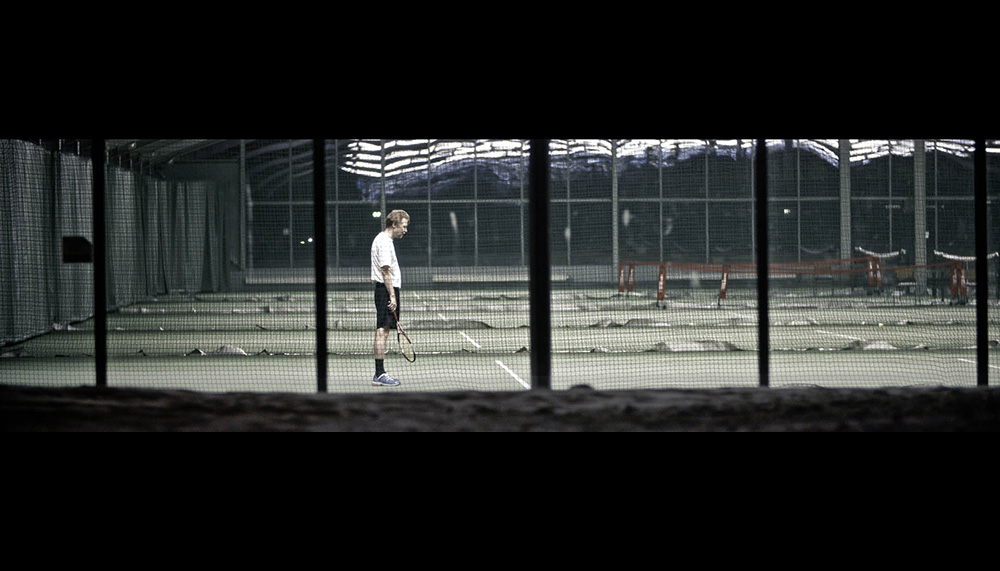
Matti Harju, Joakim Pusenius
Tomorrow was Magnificent
Fiction expérimentale | 4k | couleur | 15:25 | Finlande | 2015
We hear the past like a sentimental echo from times when we came together, the future like an answer to our needs, and the present like a silence in which we alone are standing still. Tomorrow was Magnificent was born out of this silence, as an end and a new beginning of nothing – apeiron.
Joakim Pusenius (b. 1984) graduated with an MFA from the Academy of Fine Arts in 2014. He also holds a BA in theoretical philosophy. Pusenius has exhibited in various galleries in Finland and his works have been shown at film screenings. Matti Harju (b. 1978) took his BA at the Institute of Design and Fine Arts in Lahti, studied at the National Film and Television School in the UK, and is now on the Master’s programme at the Academy of Fine Arts in Helsinki. His previous works have been shown at for example Rotterdam, Locarno, Edinburgh, BFI London and Torino film festivals.

Sabrina Harri
Discussion Room 005
Vidéo | dv | couleur | 4:27 | Finlande | 2007
Discussion Room 005 2006, video performance in Helsinki, 4`27, loop In a state of claustrophobia, I jump against lightboxes with advertisements representing bodies in an urban landscape. It is an attempt to push away the representations, to broaden the space that surrounds me or to pass through.
Sabrina Harri was born in Espoo, Finland in 1979. She spent most of her childhood in France. She graduated from the Ecole National Supérieur d?Art et de Recherche la Villa Arson in Nice in 2005 and from the post- diploma studies ALPES at the University of Art and Design in Geneva in 2009. Sabrina Harri articulates her creative practice around core issues on our perception of reality and its representations. Not without a certain humour, she embodies this theme in fragile and modular installations, drawings, videos and actions that ably disrupt common sense. By diversion and game, Sabrina Harri discreetly moves objects, as well as social conventions, towards a form of disillusioned poetry. Her work, at first glance trivial, subtly questions the changing values and cultural taboos of contemporary Western society. As well as conducting her researches in the visual arts field, she is also active in the European Vj scene since 2007. She performed many audiovisual acts under few cover names. Sabrina Harri is a member of Finnish Artists? Association MUU since 2006. http://www.muu.fi http://sabrinaharri.blogspot.com
Christopher Harris
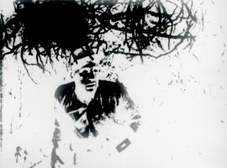
Reckless Eyeballing
Film expérimental | 16mm | noir et blanc | 13:35 | USA | 2004
Avec un nom emprunté aux lois Jim Crow interdisant aux hommes noirs de regarder les femmes blanches, cet amalgame développé à la main et en copie optique, est une inspection hypnotique du désir sexuel, de l'identité raciale et de l'histoire du cinéma. (Eric Crosby, Wisconsin Film Festival)
Les films primés de Harris ont été présentés dans toute l'Amérique du Nord et l'Europe, notamment au Festival du Film International de Rotterdam, au New York Underground Film Festival, à la Cinemathèque de San Francisco, au Huesca Film Festival et au Festival du Film International de Vienne, parmi tant d'autres.

Nate Harrison
Aura Dies Hard
Doc. expérimental | dv | couleur | 14:10 | USA | 2010
Aura Dies Hard (Or: How I Learned to Stop Worrying and Love the Copy) joins the artist after having just returned from a museum survey exhibition of video art. Through the course of the following video essay, the artist reflects on the rhetoric of "dematerialization" often linked with early video (and conceptual and performance art more generally). Proposing an alternative, "materialist" read, in which the (often unauthorized) duplication and circulation of artist video paradoxically help perpetuate its mythic beginnings, the artist ultimately reveals that copying technologies and art world protocol have made it possible for him to obtain all the videos encountered at the museum show, clips of which are played throughout the narration.
Nate Harrison is an artist and writer working at the intersection of intellectual property, cultural production and the formation of creative processes in electronic media. He has produced projects and exhibited for The American Museum of Natural History, The Whitney Museum of American Art, The Los Angeles County Museum of Art, The Kunstverein in Hamburg and The Museum of Contemporary Art, Denver, among others. He has also lectured at the University of Glasgow, Experience Music Project, Seattle and Volunteer Lawyers for the Arts, New York, among others. Nate co-directed the project space ESTHETICS AS A SECOND LANGUAGE from 2004-2008. He earned a Bachelor of Fine Arts from the University of Michigan, a Master of Fine Arts from California Institute of the Arts and is a doctoral candidate, Art and Media History, Theory and Criticism in the Visual Arts Department at the University of California, San Diego. Currently Nate is on the faculty at the School of the Museum of Fine Arts, Boston, and lives in Brooklyn, New York with a lovely wife and two pesky cats.
Nate Harrison
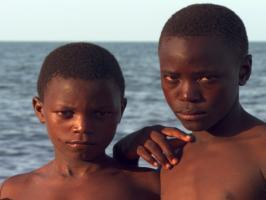
Stock Exchange
Doc. expérimental | dv | couleur | 12:30 | USA | 2006
Stock Exchange prends la forme d'une "lettre" vidéo écrite au Footage Aquisitions Department chez Artbeats Software, Inc. Une compagnie américaine dont l'activité principale est de fournir des films et des clips vidéos de haute qualité et sans droit d auteur. Elle les fournit à des client qui les achètent pour produire des annonce ment du service public, publicités à la télévision ou bien même de longs métrages. Dans sa lettre a la compagnie, l'artiste développe une théorie selon laquelle ils pourraient accepter (ou non) des images prises par des vidéographeur free-lance (pour être plus tard re proposées à l'usage des clients) et qui éventuellement demande à Artbeats de définir leur critères de sélection. La réponse, dans laquelle un représentant de la compagnie fait une liste de "conseils de prises de vue et directives", est juxtaposée avec de vrais clips vidéos du catalogue de Artbeats. L??uvre, dans son ensemble, cherche à méditer sur la construction et la transformation d'un sens visuel dans l'économie très fluide (et de plus en plus poussée par les copies) de l'image.
Nate Harrison est un artiste et un écrivain qui travaille à l'intersection de la propriété intellectuelle, production culturelle et la formation d'un procédé créatif dans les médias électroniques. Il a produits des projets pour l'American Museum of Natural History, le Whitney Museum of American art, le Kunstverein d'Hambourg, le Los Angeles County Museum entre autres. Il a aussi enseigne à l'Experience Music Project à Seattle et l'Université de Glasgow. En ce moment il co-dirige ESTHETICS AS A SECOND LANGUAGE (www.eslprojects.org). Il reçut un BFA de l'universite du Michigan, un MFA de la California Institue of the Arts et un étudiant en doctorat, Media Theory, à l'université de Californie, San Diego.
Cécile Hartmann
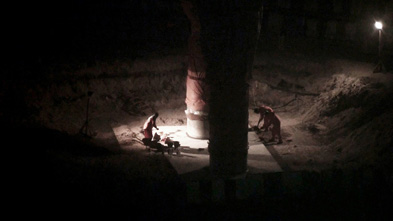
ACHRONE
Vidéo | hdv | couleur et n&b | 12:0 | France, Emirats arabes unis | 2011
La nuit, des ouvriers creusent le sable dans une fosse. A l?aube, autour d?eux, les tours immenses d?une ville futuriste se dressent parcourues par de faibles activités humaines. Progressivement des détails apparaissent, les pierres se détachent, le sable coule, les sols se désagrègent. Fragile sur ces bases, la ville semble dans un temps paradoxale de destruction et de construction, une future ruine appelée à se dissoudre. Achrone, adjectif invariant issu de la physique et de la médecine, désigne une région sur laquelle il est impossible d`observer une temporalité précise. Tourné et photographié en 2008 dans les chantiers de la ville de Dubaï, en résonance avec les cycles de travail diurnes et nocturnes des ouvriers, Achrone développe une recomposition abstraite des rapports de force entre architecture et nature.
Après des études à L`Ecole Nationale Supérieure des Beaux-Arts de Paris et à l`Université des Sciences Humaines de Strasbourg, Cécile Hartmann développe un travail au croisement de l`art contemporain et du cinéma. Dans une perspective picturale et politique, mêlants esthétique post-minimaliste et dimension documentaire, ses films explorent des phénomènes d`échange et d`entrechoquement entre différents mondes et systèmes en mutation. La question d`une transformation poétique de l`histoire par une recomposition des rapports de force entre le construit et l`organique est centrale dans son travail. Elle a vécue plusieurs mois au Japon et à Berlin lors de résidences et de recherches. Ses tournages ont eu lieu à Dubaï, Tokyo, Hiroshima et sur l?archipel des Açores. Son travail est montré aussi bien dans des festivals de cinéma que dans des dispositifs d`exposition où ses films fonctionnent dans des boucles très précises. Plusieurs expositions personnelles lui ont été consacrées récemment : Supra-Continent au Centre d`art Les Eglises, Mirages à demeure au Centre Photographique d`Ile-de-France, Microclimat au CCC. En 2009, elle expose au Musée de la Photographie de Thessalonique et au musée d`Art Moderne de Bogotà et participe à la Force de l?Art en 2006 à Paris et à Emerging Artists au Samlung Essl de Vienne en 2005. Des textes critiques de Pascal Beausse, Paul Ardenne et Eileen Sommerman ont été écrits sur son travail. Elle est née en 1971 à Colmar et vit et travaille à Paris et dans le monde.
Cécile Hartmann
Kessoku
Vidéo expérimentale | dv | couleur | 7:0 | France, Japon | 2006
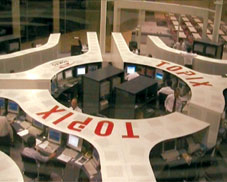
Deux lieux se rapprochent dans un mouvement d?alternance et de réversibilité : le centre financier de la bourse de Tokyo et les cratères volcaniques de l?archipel des Açores. Les fluctuations économiques se relient aux secousses telluriques à la recherche d?un point d?attache et d?équilibre. Un sentiment de douce inquiétude émerge de cet état de rencontre.
Vivant à Paris, Cécile Hartmann née en 1971 à Colmar aborde l?image par les médiums de la peinture, de la photographie et plus récemment de la vidéo. D?emblée, son travail se situe du côté d?une image méditative, dans une négociation entre le mystère, le songe, l?utopie et une réalité contemporaine liée aux grands ensembles urbains, à leur influence sur l?espace terrestre et sur les modes de vie des êtres qui l?habitent. Paradoxalement, la portée critique et politique des ?uvres s?exprime dans des formes magnifiées, non autoritaires aux limites du fantastique. Le minimalisme des compositions, l?emplois de couleurs saturées ou encore la présence fréquente sur les sujets d?une trame poudreuse, confèrent à ses images fixes comme à ses ?uvres vidéos un caractère hypnotique et sensuel. Diplômée de l?Ecole Nationale Supérieure des Beaux Arts de Paris en 1998 et d?une Licence d?Arts Plastiques et d?Histoire de l?Art en 1994, elle participe notamment à l?exposition La Force de l?Art, en 2006 à Paris, à Emerging Artists à Vienne en 2005. Elle était résidente à la Cité Internationale des Arts à Paris en 2006 et au Japon en 2004 dans le cadre de la Villa Médicis Hors les Murs. Ses ?uvres font partie de la collection du Fonds Nationale d?Art Contemporain.
Cécile Hartmann
Le Serpent Noir
Doc. expérimental | hdv | couleur | 44:23 | France | 2021
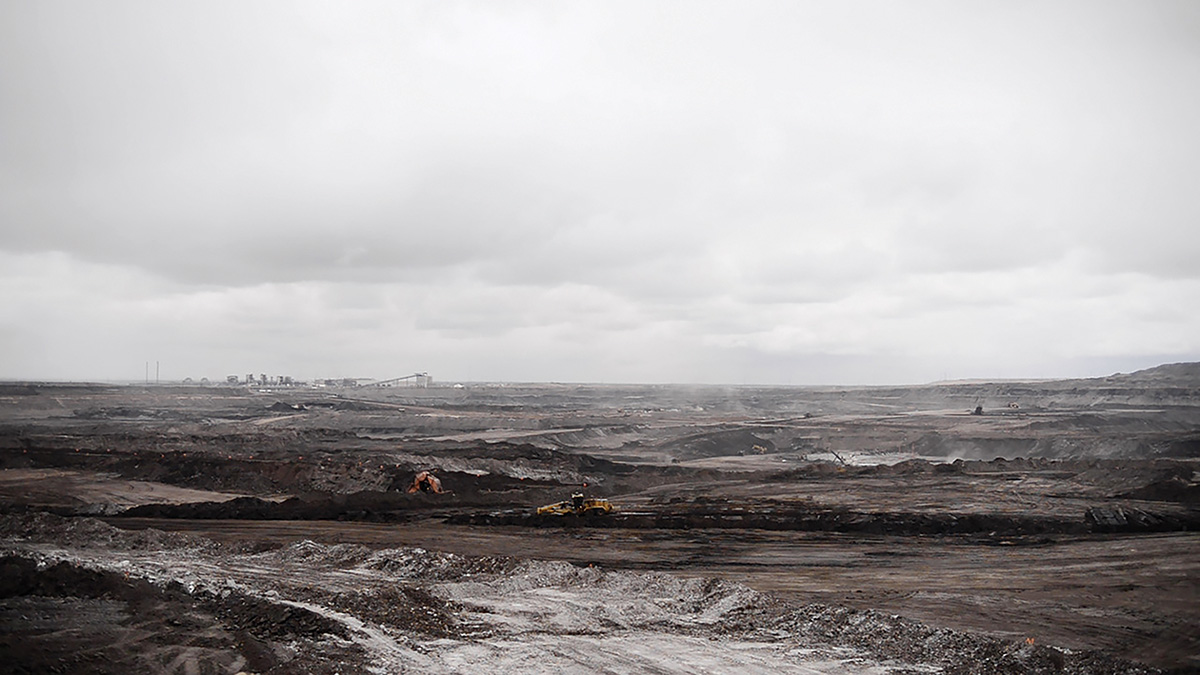
Le pipeline géant Keystone transporte chaque jour plus de 700 000 barils de résidus impurs depuis les exploitations à ciel ouvert de la forêt Boréale à travers les Grandes Plaines des Sioux, souillant les terres et les réserves d'eau. Dans une plongée au coeur des ténèbres, l'histoire contemporaine retrouve le temps prophétique des commencements :"lorsqu’il n’y avait ni lune ni étoile”, le lieu des spectres, du surgissement et de la disparition.
Cécile Hartmann is a french artist and filmmaker based in Paris. Born in Colmar, she studies Art at the National Fine Arts Academy of Paris (2000) and Art History in Human Sciences at the University of Strasbourg. Inspired by documentary aesthetics and Minimalism, her work questionnes the divisions between a constructed world and a natural world. Using different mediums and image regimes she fuses video, photography and performative gestures to create effects of instability and sublimity in her representations. Close to the terrestrial surface, in search for hidden layers and collective mythologies, her cinematic language plays on the indecisive nature of perception, between the visible and invisible, the organic and non-organic, past and futur. Main exhibitions included : Le Serpent Noir, MABA, Nogent-sur-Marne, Achrone, MOCA, Hiroshima, Et voici la lumière, Museo de Arte del Banco de la República, Bogotá, The family of the invisibles, SEMA Séoul Museum of Art, AGITATIONISM, Eva Internationale Bienniale, Limerick, De la Casa a la Fabrica, Palau la Virreina, Barcelone, French Edges, Museum of Fine Arts, Boston, Paysages de la conscience, MAMBO, Bogotà, Microclimat, CCC, Tours.
Maj Hasager
Two within close range
Film expérimental | super8 | couleur | 15:0 | Danemark, Palestine | 2011
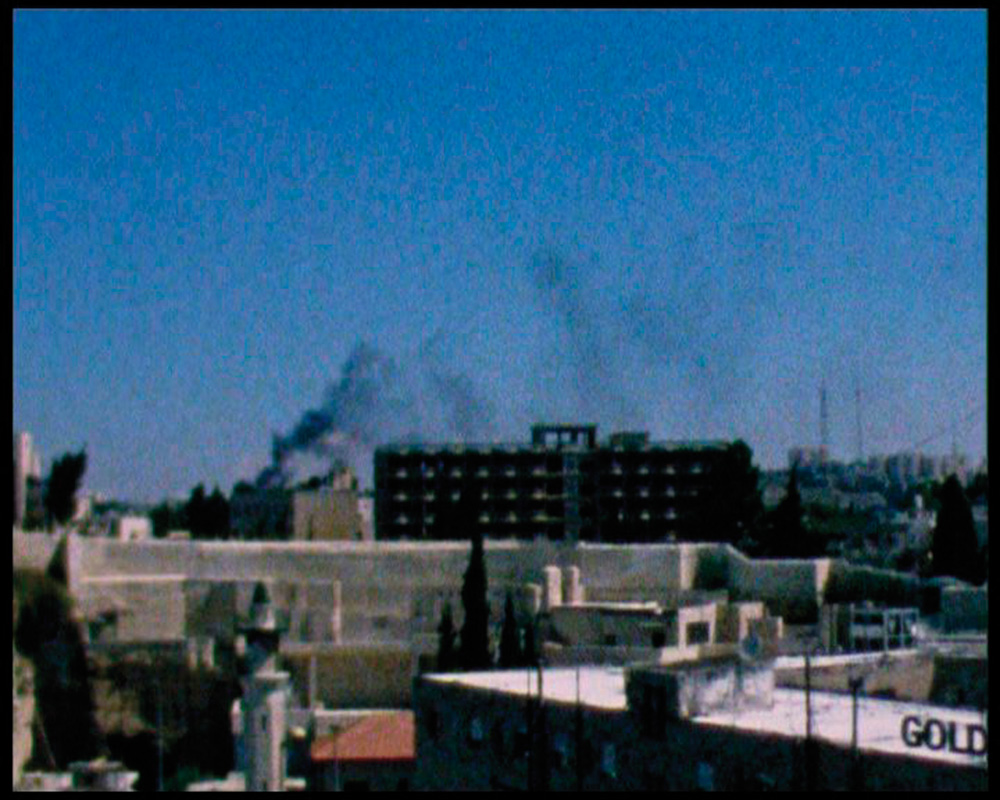
The project Two within close range is an investigation of urban spaces that remain private or inaccessible despite their public significance. The urban structures and familiar places - a park and a construction site with a disputed past - are used to reflect the socio-political issues in the area outside the walled city of Jerusalem. Instead of remaining invisible and unnoticeable in the everyday environment, aspects of contemporary experience of place are revealed through observations of the usage patterns of the selected sites, the Rockefeller Garden and the Nusseibeh building. In this way, they become the centre of attention. In the work, the two sites are represented through still images, video and 8 mm film corresponding with written narratives weaved together in an attempt to re-write and expand what already exists as the oral history of these places. The written narratives deal with the recent past of the area, as well as historical and political narratives, through a more descriptive and spatial approach. By using official information, personal stories collected from the area and fictional elements, a mix of voices and positions appear in order to reproduce and examine recent, at times unnoticed, history.
Maj Hasager is a Danish artist and filmmaker based in Copenhagen, Denmark. She studied photography and fine art in Denmark, Sweden and the UK, earning an MFA from Malmö Art Academy, Sweden. Her work deals with power structures, identity, memory, the construction of history, and architecture, looking at how these interlinked phenomena are interpreted and represented culturally and spatially. Her artistic approach is research-based and interdisciplinary, and she works predominantly with text, sound, video and photography. She has exhibited her work internationally in events and institutions such as; Society Acts, Moderna Museet Malmö (2014), A voice of ones own, Malmö Konstmuseum (2014), Past Upon Past, Red Barn Photo Gallery, Belfast, Ireland (2013), Decembers, LAZNIA Centre for Contemporary Art, Gdańsk, Poland (2012), Liverpool Biennial, UK (2010). She has been awarded grants in support of her work from the Danish ArtsCouncil, The Danish Arts Foundation, Arab Fund for Arts and Culture (Beirut, Lebanon), ArtSchool Palestine, Danish Centre for Culture and Development and the Danish Arts Agency. She is the programme director of Critical and Pedagogical studies at Malmö Art Academy, and is a guest lecturer at the International Academy of Art – Palestine, Dar al-Kalima College, Bethlehem and University of Ulster, Belfast.

Heidi Hassan
Souvenir
Doc. expérimental | 4k | couleur et n&b | 11:0 | Cuba, Espagne | 2024
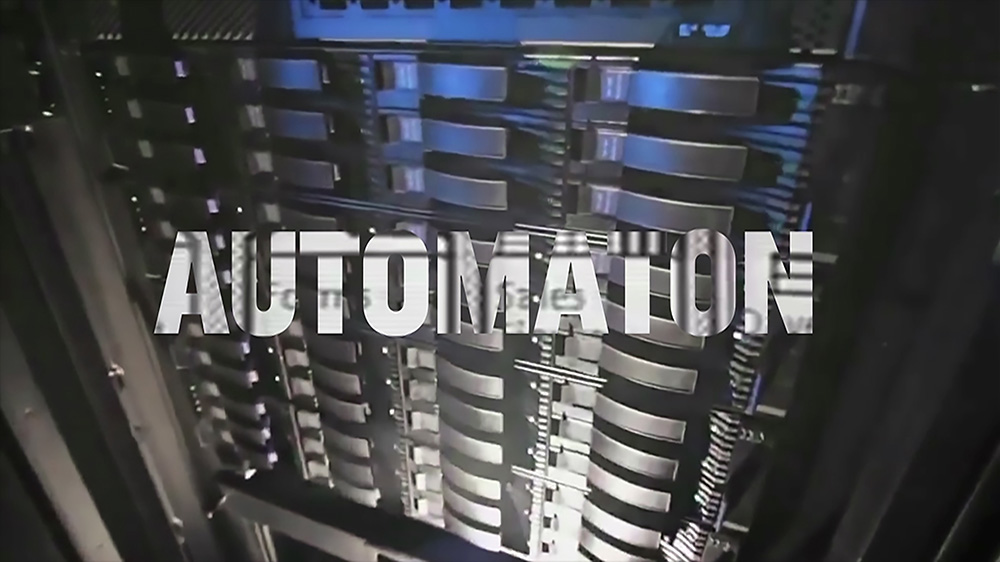
Fascinated tourists stroll through the GDR museum as if it were an amusement park, detached from the painful narratives of the communist regime. Their casual attraction to vintage relics, coupled with a comfortable amnesia, and a desire for utopian ideals, renders them complicit in the current Cuban reality.
Heidi Hassan is a Swiss-Cuban filmmaker and visual artist with a career that spans documentary, experimental cinema, and hybrid forms. After earning a degree in Cinematography from the Escuela Internacional de Cine y Televisión (EICTV) in Cuba and a distinction from the Haute École d'Art et Design (HEAD) in Geneva, her work has been celebrated globally. Her films often explore themes of exile, identity, and memory, and have been exhibited at prestigious festivals around the world. Among her works, "A Media Voz" (2019) stands out, having won multiple awards such as Best Documentary at IDFA-Holland, at the Havana Film Festival-Cuba, Málaga Film Festival-Spain, Iberoamerican Festival of Ceará- Brazil, FICCALI-Colombia. Her other acclaimed films include "Tierra Roja" and "Otra Isla" Additionally, she has received numerous grants and participated in exhibitions like "Inner Landscape" in Taiwan and collective shows in New York, Buenos Aires, and Geneva. Through her deep engagement with both cinema and visual arts, Hassan continues to craft narratives that challenge conventional storytelling.
Bjørn Erik Haugen
The Pen is Mightier Than the Word
Vidéo | hdv | couleur | 5:6 | Norvège | 2017
In my video I problematize how how scientific research is published now and the changes and demands it is stands forward on regard to the Open Access-declaration and Sci-hub. I have concentrated my work on the idea of authorship, and in the near future when cognitive or artificial intelligence will curate, compile and find correlations over many research disciplines. This will be possible when research will gain open access. I think that we will see knowledge organized in new ways and in cross-disciplines. AI I have made a paraphrase on the old saying which is "The Pen is mightier than the Sword", that is central to my works proposed for this exhibition. The pen is here a metaphor for the Computer with AI / cognitive computing that can read and compile research material. It is not the person/author that is central, it is the knowledge that other can read/build upon that is important. The video is a mixture between documentary and a power-point presentation. In my works I often make archives, and work with several medias to make installations. Knowledge production, science-sociology and bio-politics are central in my artistic work. And I want with my works to make the viewer reflect on what they see/experience. I look upon art as knowledge-production. The ideological foundation for Open access to research I will focus on is the UN declaration of human rights article 27: "Every has the right freely to participate in the cultural life of the community, to enjoy the arts and to share in scientific advancement and its benefits." We know see that access to research is expensive and more difficult to access, and the privileged Universities has access while African/Asian and South-American Universities and their researchers and student must resort to criminal activities, copying articles from more privileged colleagues or from Sci-hub. This structure correlate to the same structure of wealth in the world. The video was screened at the Research Pavilion during the Venice Biennial in May 2017.
My name is Bjørn Erik Haugen, and I have an MA from the National Academy in Oslo 2007. Currently I am working on a phd at the Academy of Music in Oslo. I work mainly with sculpture, sound- and video installation. I work from a conceptual platform where the idea to the work comes before the material, media or way of expression. My works has been shown on the annual national autumn exhibition in Norway, and have been screened in Wienna, Barcelona, Sweden, Germany, England and in USA. I exhibited at Transmediale, 2012 I received«Honorary Mention» at Prix Ars Electronica 2012 in the section Digital Musics & Sound Art. One of my videos was screened at Rencontres Internacionales 2012 and at WRO International Media Art Biennale 2013. In 2014 I exhibited at Bucharest Biennial, ISCM 2014 and at Bristol Biennial. Last year I exhibited at Land-Shape, Arhus, Spring- exhibition, Fotogalleriet, Oslo, ISEA 2015, Vancouver and at 28. Festival Les Instants Vidéo, Marseille. In 2017 I had a solo- exhibition at Haugar Art Museum and presented a video-work at the Second Research Pavilion for the 2017 Venice Biennale. Last year I performed at Only Connect Festival, Klang Festival, Copenhagen and Blurred Edges, Hamburg, and participated on a group exhibition at Haugar Art Museum. This year I have a concert at Ultima 2019, and a solo exhibition at Khåk.
Bjørn Erik Haugen
What does it matter how many lovers you have if none of them gives you the universe
Vidéo | dv | noir et blanc | 11:33 | Norvège | 2012
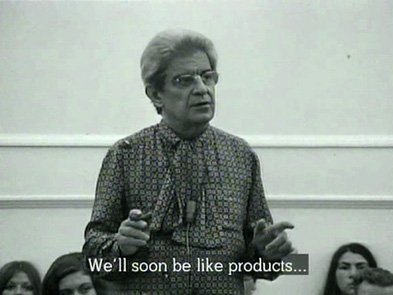
What does it matter how many lovers you have if none of them gives you the universe This project is a transcription for mechanical piano of a lecture by the French psychoanalyst Jaques Lacan. The audience`s response in the lecture is played by a guitar amplifier. The video of the lecture will be screened with a video projector. Lecture The Lecture where he talks about the language as a foundation for our understanding of our surroundings. He is abruptly disrupted by a student that ruins his lecture notes with flour and water, that is the part II of the piece, as a protest against society. He is a situationist, inspired by Debord they start discussing before he ruins Lacan`s cravat/tie and is thrown out of the lecture hall. Lacan then starts lecturing about the protesters views about people and society, about revolution and love. Thoughts about the project In art discourse both Lacan and Debord are central, this is a meeting of their views upon society. This lecture hel place in 1971. The happening is highly coloured by the context, the student protests in France in the late sixties, and revolution as an frequent used word in discussion. The choice of the piano is intended to both be a critique and a hommage to Lacan and postmodern thinkers like him as they first started with theories that revolutionized and transformed how we experience our world, and ended up as virtuous theoretical performers. The audience knew exactly what they were getting when they entered their lectures. The title is a famous quote by Lacan. Here it refers to the two «ideologies» in the piece, the situationist and the psychoanalytic. What does it matter how many lovers you have if none of them gives you the universe received Honorary Mention at Prix Ars Electronica 2012 in the section Digital Musics & Sound Art.
My name is Bjørn Erik Haugen, and I have an MA from the National Academy in Oslo 2007. I work mainly with compositions, sound- and video installation. I work from a conceptual platform where the idea to the work comes before the material, media or way of expression. Art Practice My works has been shown on the annual national autumn exhibition in Norway, and have been screened in Wienna, Barcelona, Sweden, Germany, England and in USA. I exibited at Transmediale, Berlin, February this year.
Anthony Haughey
UNresolved
Doc. expérimental | hdv | couleur | 17:22 | Irlande, Bosnie-Herzégovine | 2015
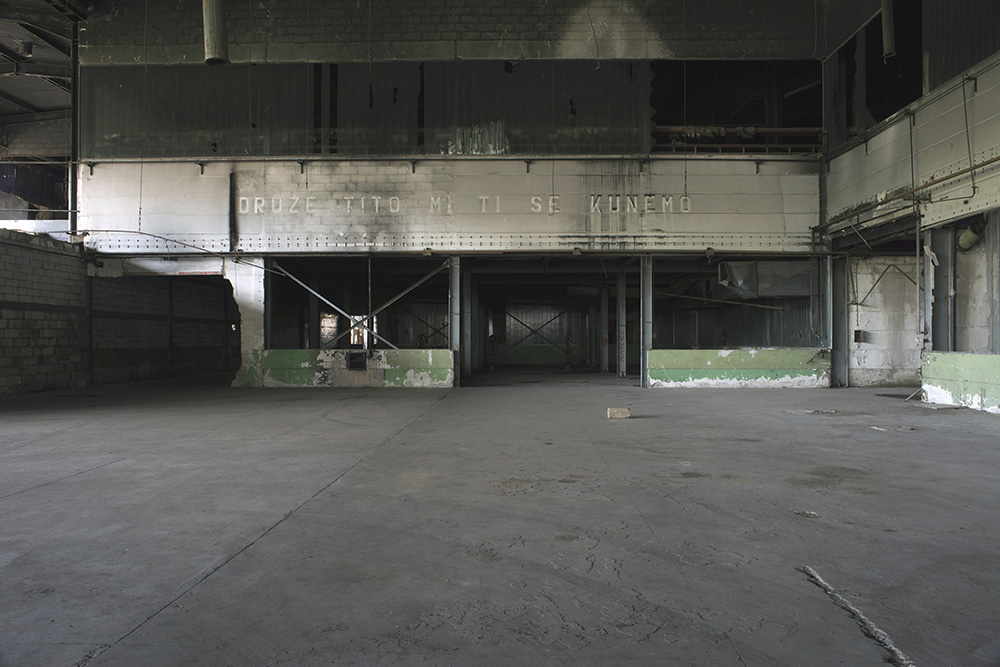
UNresolved reflects on the twentieth anniversary of genocide in Srebrenica, where in 1995 more than 8000 men and boys were systematically murdered by the Bosnian Serb army of Republika Srpska (VRS). The title relates to the UN Security Resolution 819, passed on the 16th April 1993 declaring Srebrenica as a ‘safe’ area for refugees – the prelude to what was the largest act of genocide in Europe since the holocaust. Following Haughey’s earlier work in Bosnia, between 1998-2002, he gained exclusive access to buildings and atrocity sites in Serb controlled territory, areas that have hitherto been off limits. Since completing the film in early 2015 the building where the Dutch UN was based has been renovated. As a result Unresolved is also an important historical document which captures the building in its original state. The film includes eyewitness accounts of massacre victims collated from archives such as Human Rights Watch and also directly from people encountered on research visits to Bosnia, with accounts of resistance and survival, testimonies from young Dutch soldiers who were serving in Srebrenica and conflicting accounts from UN personnel and Serb military commanders. The film explores ideological and political narratives informing this emerging and contested history.
Anthony Haughey is an artist and a lecturer in the Dublin Institute of Technology. He was Senior Research Fellow (2005-8) in Belfast School of Art, where he completed a PhD in 2009. His work has been widely exhibited and collected nationally and internationally, most recently Uncovering History, Kuunsthaus Graz, Excavation, Limerick City Gallery where he premiered his new film, Unresolved, Making History, Colombo Art Biennale Art of the Troubles, Ulster Museum, Belfast, Settlement, Belfast Exposed, Northern Ireland: 30 years of photography, the MAC and Belfast Exposed, New Irish Landscapes, Three Shadows Gallery, Beijing and Homelands, a major British Council exhibition touring South Asia. His work has been published in more than seventy publications, monographs include The Edge of Europe (1996), Disputed Territory (2006) and an artist’s book State (2011). His work is represented in many international public and private collections and he is an editorial advisor for the Routledge journal, Photographies. He was recipient of the Create Arts and Cultural Diversity Award 2014 and is currently working on a new film supported by a Projects Award from The Arts Council/An Chomhairle Ealaíon which will premiere in NYC in April 2016.
Eleanor Hawkridge
I have a number of small cats
Art vidéo | dv | couleur | 1:22 | Royaume-Uni | 2007
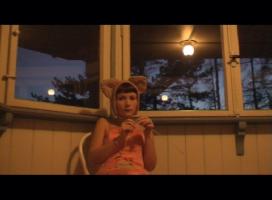
C'est le soir. Tandis que le ciel s'assombrit, une fille est assise, seule, dans une tour. Elle porte des oreilles de chat et tricote de façon répétitive. En allusion à "The Lady of Shalott" d'Alfred Lord Tennyson, elle songe fiévreusement aux rêves secrets et aux désirs contradictoires des femmes dans la société contemporaine, qui ont trouvé pour s'exprimer le phénomène des "blogs", et les portraits médiculeusement chorégraphiés de vies entremêlées qu'ils permettent. L'artiste utilise un style hybride, mélange d'animation fixe et d'image en mouvement, ce qui accentue la texture intime et la fragilité du récit, tout en soulignant la non fiabilité et le caractère nécessairement lacunaire de tout récit personnel.
Eleanor Hawkridge vit et travaille à Liverpool, en Angleterre. Née en 1981, elle a étudié au University of Whales Institute, à Cardiff. Son oeuvre a été montrée en Europe et à travers le monde. Par le biais de la réprésentation, de la vidéo et de l'installation documentaire, elle construit des tragédies mondaines avec des fragments d'espoir du quotidien. En mélangeant récit et métaphore, que vient perturber une logique défectueuse, elle exprime la tendresse et la fragilité de l'expérience humaine, avec émotion et nostalgie. Eleanor est aussi co-fondatrice de The Royal Standard, un espace à la fois social et artistique, qui soutient les artistes débutants et les mouvements d'art contemporain.
Steve Hawley, Steve Dutton
Midville
Doc. expérimental | mp4 | couleur | 13:20 | Royaume-Uni, Slovénie | 2025
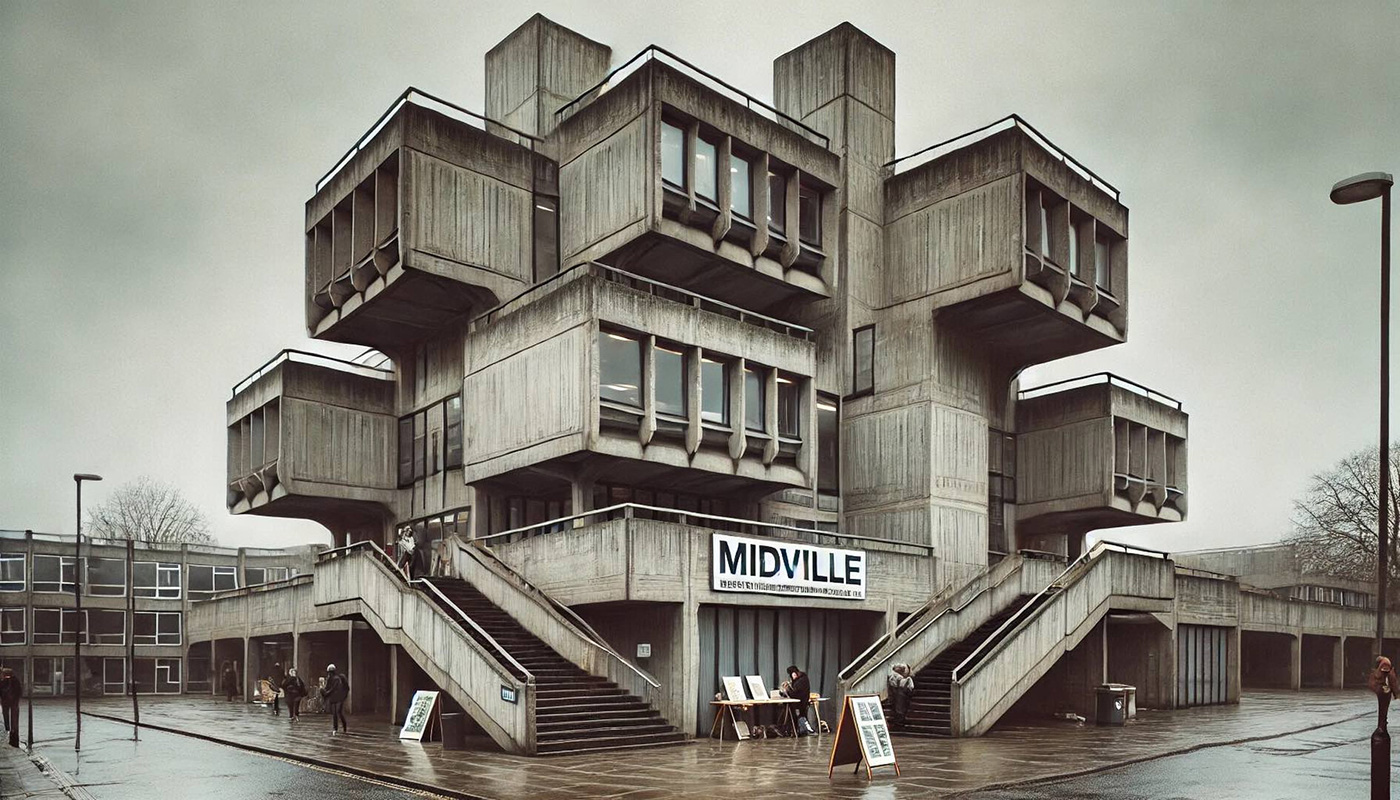
« Midville » était le nom pseudonyme donné à une école d’art des Midlands, au Royaume-Uni, lorsqu’elle fut étudiée pendant trois ans à partir de 1967 par deux sociologues. Le livre qui en résulta, Art Students Observed, publié en 1973, est devenu un document classique de la littérature sur l’enseignement artistique, l’endroit où l’art « romantique » et l’art « conceptuel » se sont affrontés pour la première fois. 58 ans plus tard, j’ai retrouvé les étudiant·es du livre et les ai interrogé·es sur leurs souvenirs et leurs expériences (parfois traumatiques). Nous avons recréé « Midville » sous la forme d’une mini-opéra collage de 13 minutes, assisté par IA, où les étudiant·es — tels qu’ils et elles étaient alors et tel·les qu’ils et elles sont aujourd’hui — livrent leurs témoignages à travers des voix générées par IA, des chœurs, des avatars et des images originales du monde réel.
Steve Hawley est un artiste basé à Ljubljana, appartenant depuis 1981 à la seconde vague des artistes vidéo britanniques. Son travail porte sur le langage, l’humour et la nature de la mémoire à travers le film et la vidéo d’archives. Ses œuvres ont été montrées dans des festivals vidéo et diffusées dans le monde entier. Ses travaux autour du mythe et de la ville incluent Ghost, réalisé à Hong Kong et projeté à la Quinzaine des réalisateurs à Cannes en 2000. War Memorial (2017) a été nommé pour le prix du meilleur court documentaire au Sheffield DocFest, et son livre Men, War and Film, consacré aux films de messages Calling Blighty de la Seconde Guerre mondiale, a été publié en 2022. Steve Dutton est un artiste et commissaire occasionnel basé dans le Sud-Ouest de l’Angleterre. Sa pratique s’étend au dessin, au son, à l’image en mouvement et au texte, avec une attention portée à l’exploration des intersections et des chevauchements entre langage, espace et temps. Il développe actuellement un nouveau corpus d’œuvres intitulé The Phantom Industry. Son travail engage les actes de lire, dessiner, peindre, parler et écrire, et pourrait être décrit avant tout comme une pratique fondée sur le langage.
Isabelle Hayeur
HINDSIGHT
Art vidéo | | couleur | 8:30 | Canada | 2009
"Hindsight" a été filmée sur Governors Island National Monument au cours de l`été 2009. L?occupation de cette île par des militaires, remontant à la colonisation hollandaise, culmina avec la construction à leur intention de Brick Village, complexe d?habitation à l?image de tant d?autres produits en série au lendemain de la Seconde Guerre mondiale pour remplir les promesses de liberté et de bonheur par la propriété individuelle au nom desquelles se battit maint soldat. Sauf que cette banlieue insulaire est aujourd?hui à l?abandon; ses maisons vides évoquent celles de tous ces Américains dont la spéculation financière a abusé des rêves d?accès à la propriété. Il y résonne l?écho des confidences d?un de ces soldats pour qui s?enrôler semblait la dernière chance d?échapper à la précarité en mettant sa vie en jeu pour les USA comme « land of opportunity ». Cette vision d?un pays de cocagne dont les conquêtes profiteraient à chacun grâce à l?entreprise privée s?estompe finalement comme tous les mirages, sous la peinture écaillée d?un mur lépreux, avec l?image de la statue de la Liberté dans les vitres aveugles d?un logement déserté?
Née en 1969, Isabelle Hayeur vit et travaille à Montréal. Artiste de l`image, elle est connue pour ses montages numériques grands formats, ses vidéos et ses installations in situ. Son travail se situe dans la perspective d`une critique écologique, urbanistique et sociale. Elle s`intéresse particulièrement aux sentiments d`aliénation, de déracinement et de dislocation.Ses oeuvres ont été présentées dans le cadre de nombreuses expositions et festivals.