Catalogue 2025-2026
Below, browse the 2025-2026 Rencontres Internationales catalogue, or search the archives of the works presented since 2004. New video clips are routinely posted and the images and text are regularly updated.

Hara Shin
Monumental Ether. Bodies.
Experimental doc. | 0 | color | 24:58 | Korea, South | 2025
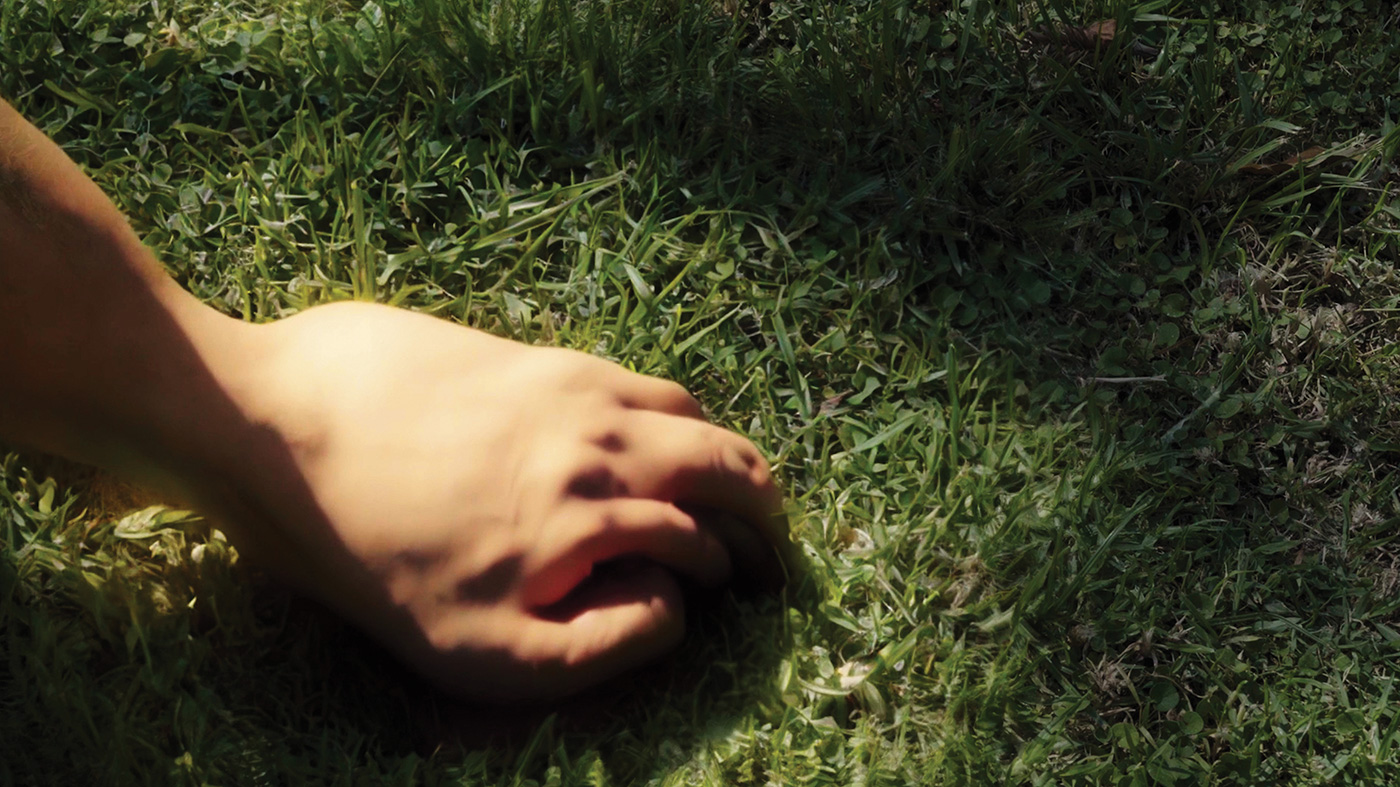
This work is an experimental documentary video that explores the entangled geopolitical temporalities of three sites shaped by anthropocentric violence: Kückenmühler Anstalten in Szczecin, a former Nazi forced-sterilization facility and hospital for the disabled; the Tropical Botanical Garden in Lisbon, once a Colonial Garden; and Tancheon Stream in Seoul, associated with the legend of Dongfang Shuo’s death. Through multispecies narratives of erasure, survival, and regeneration, the work investigates how dead bodies might come back to life and how tragedy can be reconfigured into new modes of being—ultimately weaving a textured fabric of memory. Its nonlinear structure reflects the layered realities of these places, where time does not flow in a straight line but folds inward, revealing how past, present, and future communities coexist within ecologically and politically marginalized spaces. At the work, a fictional being from the future, who continuously interrogates her entangled existence. The piece draws inspiration from Manifesto Antropófago (1928) by Oswald de Andrade, which frames cannibalism as a radical act of cultural resistance. Bodies, fleshes, and plants traverse histories—digesting, absorbing, and fusing them. Through these ritual acts of mutual consumption, the work enacts an ongoing unfolding of memory and being. The past is not buried in death; it arrives before us—still alive, in transformed and transforming forms.
Hara Shin is an artist based in Berlin and Seoul. Working with film, multimedia installations, and storytelling, she explores speculative ecosystems reflected by planetary concerns such as habitat loss, mass extinction, and involuntary migration alongside the residual memories and hegemonic structures left behind by humanity. Her works have been exhibited and screened at venues including Busan Museum of Contemporary Art (Busan MoCA) (2025), Spazio Supernova in Rome (2025), DA Z Digital Arts Zurich, Kunsthaus Zürich (2024), galerie weisser elefant in Berlin (2023), DMZ International Documentary Film Festival in Goyang (2023), ACUD Galerie in Berlin (2022), TRAFO Center for Contemporary Art in Szczecin (2022), Drugo More in Rijeka,(2022), and Art Center Nabi in Seoul (2021). In 2023, she participated in the Goldrausch Künstlerinnenprojekt, supported by the Federal State of Berlin & European Social Fund Plus, and was selected for the 2024 Emerging Visual Artist Support Program by the Arts Council Korea. She is a laureate of In situ 2024–2025 at the Cité Internationale des Arts in Paris, in partnership with the Foundation Daniel et Nina Carasso.

Pauline Shongov
Mirage
Experimental doc. | 0 | color | 15:0 | Bulgaria | 2024
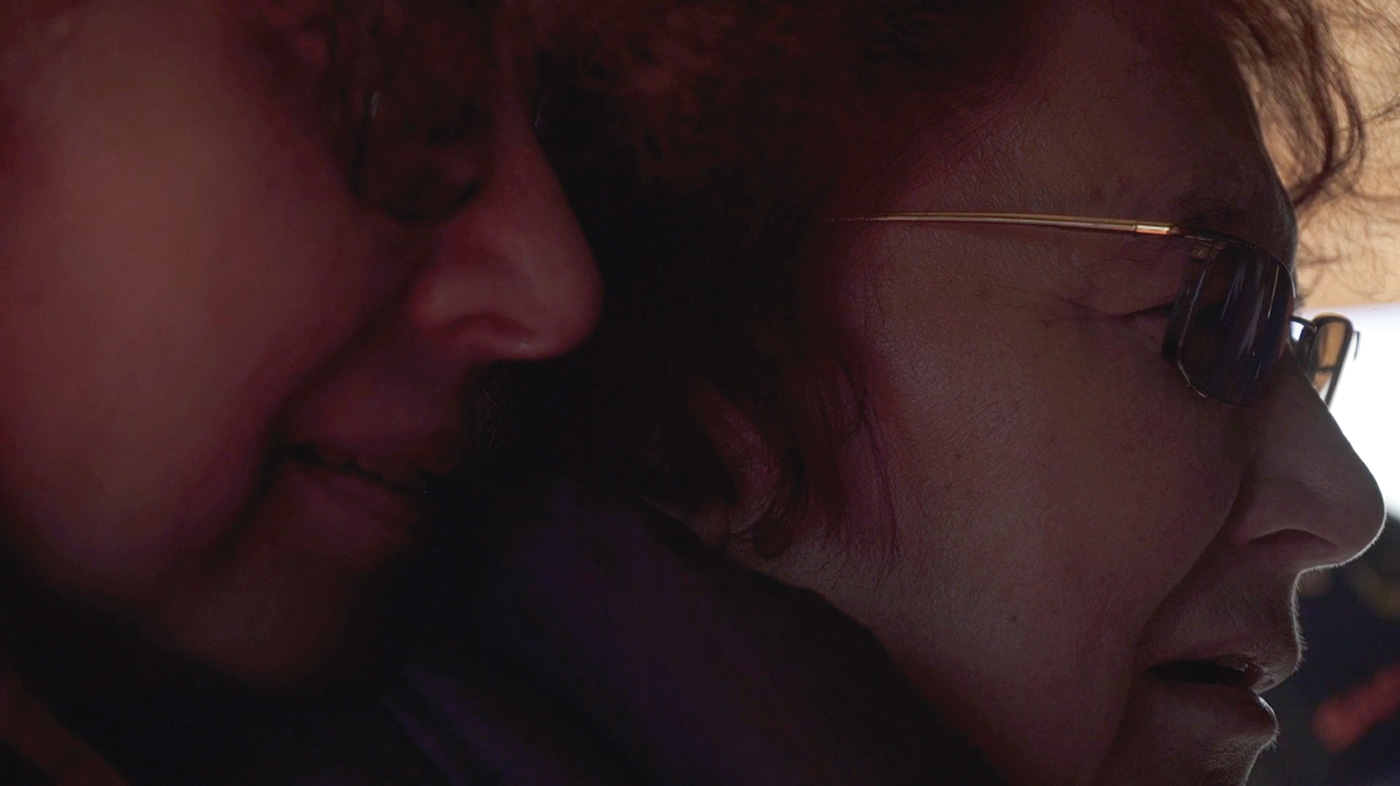
Two Bulgarian pensioners embark on their first road trip through the American Southwest. Once confined by the borders of the Eastern Bloc, they now venture into the familiar landscape of the Western film genre. Throughout their travels, memories of the past seep into their experience of the present—a landscape of the West that, for over thirty years, they have dreamed to see beyond the frame of the TV screen. Now limited by their own aging bodies, they are confined by yet another screen. Windows become portals for a slow cinema, where the landscape of the West unravels in real time as the dreamy promise it once held is colored by the newfound form of its mirage.
Pauline Shongov is a filmmaker whose work explores historical memory, cultural mythology, and the poetics of place. Her most recent film Couple More Shovels for a Few More Levs (2023) received the Manfred Krüger Award at the German International Ethnographic Film Festival and was shortlisted for the Emerging Artist Award at the Mimesis Film Festival. Her work has been supported by the Harvard Film Study Center, Sensory Ethnography Lab, ArtLab at Harvard, and the Harvard Critical Media Practice program.

Birgitte Sigmundstad
Det nye museet
Documentary | hdv | color | 112:0 | Norway | 2025
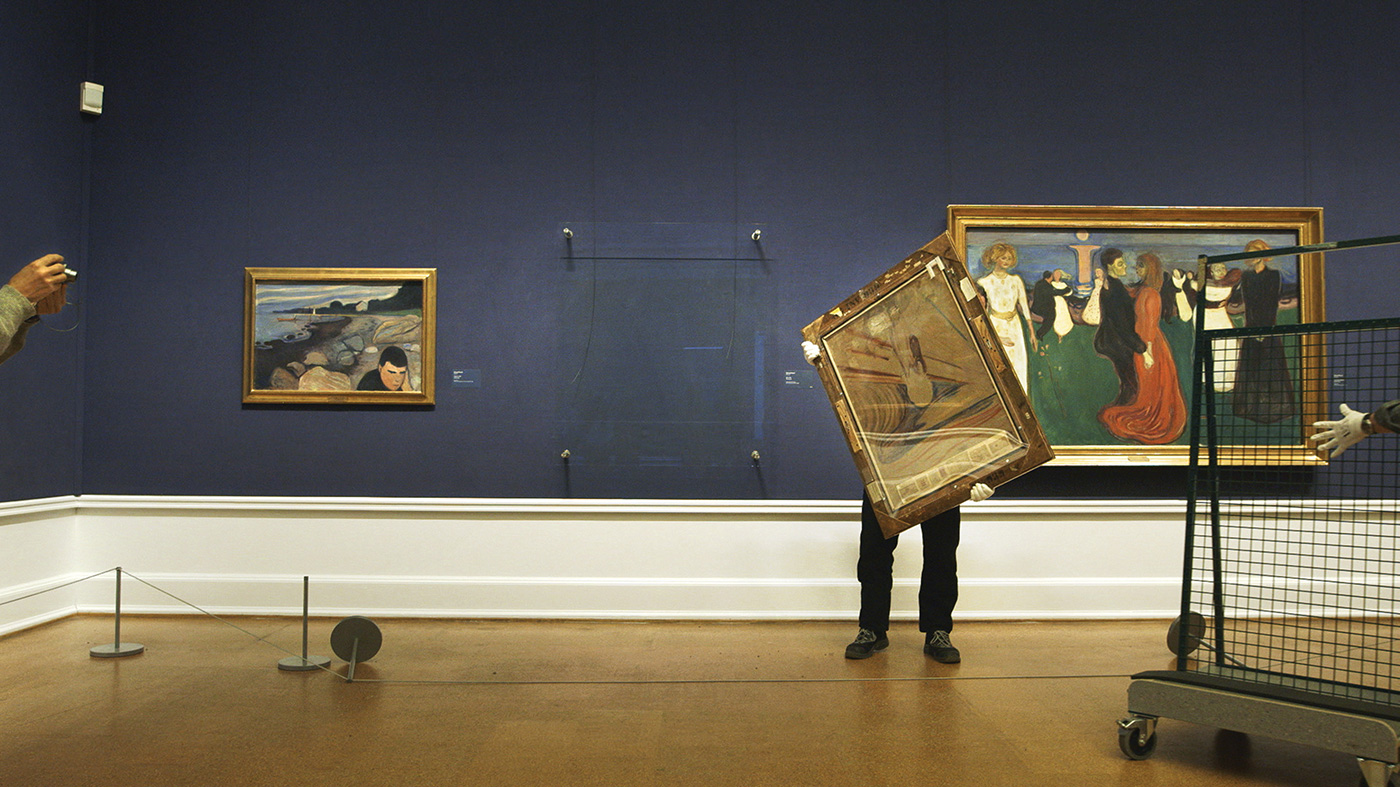
THE NEW MUSEUM explores the making of the new National Museum for Art, Architecture and Design. Through observational footage, filmed over a period of 8 years Birgitte Sigmundstad takes us into the meeting rooms and onto the construction site. We meet the people working with the art, see works and objects being prepared for relocation, and witness the old museum buildings that have now become history. Without rushing, the film brings us into discussions and planning processes, and we follow the architect’s ups and downs. The New Museum offers insight into the process and expectations behind the construction of the museum, resulting in an intimate and often entertaining film that raises questions about what a museum should contain – and who it is built for.
Birgitte Sigmundstad lives in Oslo and works primarily with moving images. She is educated at The Surrey Institute of Art & Design in England and has had number of exhibitions and screenings in Norway and abroad. Sigmundstads films are essayistic and are tied to art, art history or historical events. Another recurring subject matter in Sigmundstads films is how art is used ideologically as pictured in Art and Non-Art (2020) about the exhibition with the same name in a nazified National Gallery in Oslo in 1942 and Hammersborg Protecting the Bygone Future (2016) which looks at the social democratic project and modernist architecture. In recent years Sigmundstad has worked with several films about the mediation of second world war in Norway. These films including ‘What we talk about when we talk about war’ was shown in a solo exhibition at Atelier Nord in 2021. In 2012 Sigmundstad was granted the guaranteed income for artists by the Norwegian State. The film about the National Museum, an observational documentary was started on in 2016 and finished in 2025.
Liina Siib
Nii tuli lõpp
Experimental doc. | 4k | color | 17:31 | Estonia | 2025
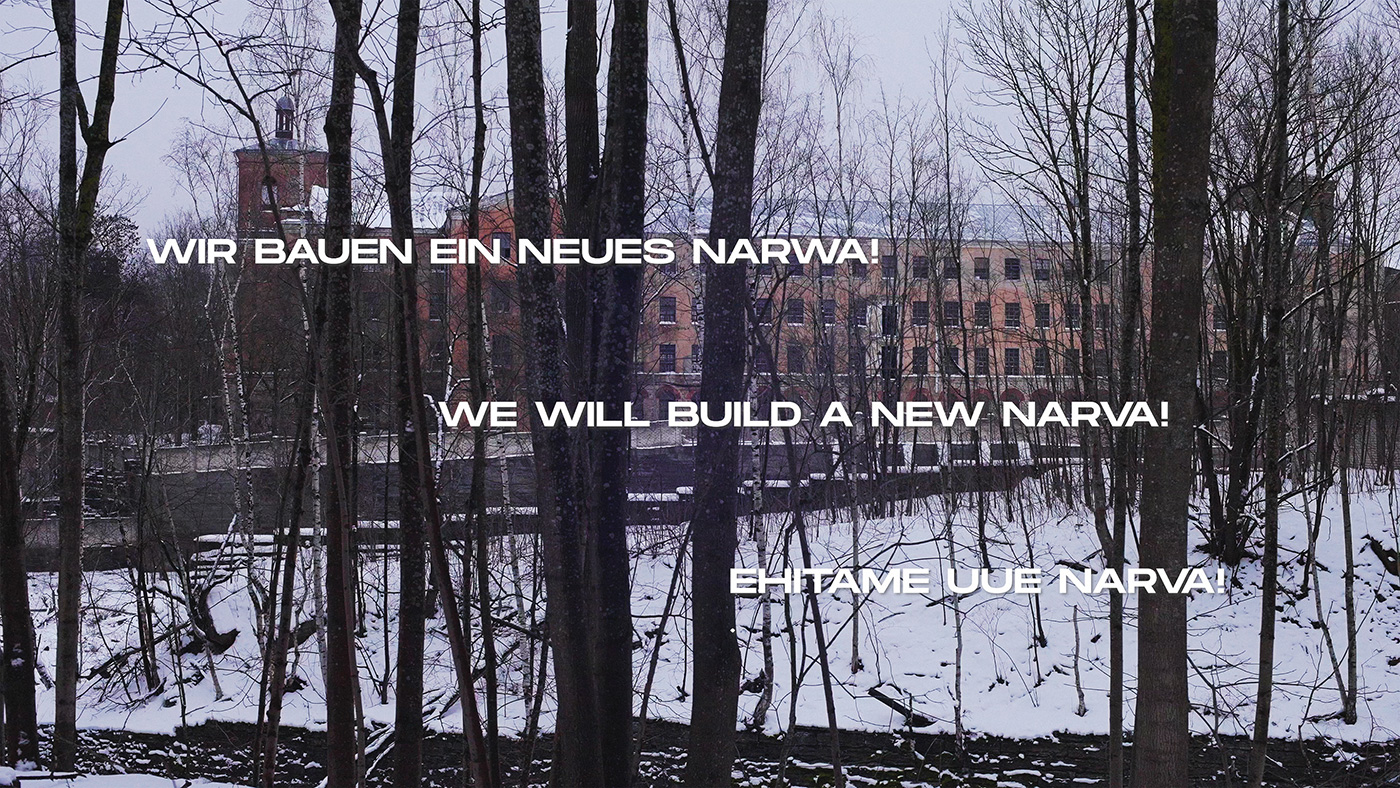
"Nii tuli lõpp / And Then Came The End" is based on the experiences of a German Catholic priest, Magnus Frey, in prisoner of war camps in Narva, Estonia from 1945 to 1946. In this film, Siib depicts the locations of the story in Narva in their current state and without people, i.e. dilapidated buildings and winter landscapes. The soundtrack includes everyday life snippets from Frey’s memoirs, such as how prisoners of war were not paid the few rubles they had been promised and had their warm blankets taken away before winter came. And how religious prisoners managed to make communion bread despite the difficult conditions. And how hungry prisoners entertained themselves and each other by remembering their favourite dishes and writing down their favourite recipes. The excerpts of Frey’s diary are arranged on screen with a picture and on a soundtrack with music to create a prose poem of documentary material. The value of such micro-history, both as text and film, is not in revealing major developments or in interpreting historical turning points. Instead, the value is that individual anecdotes and fragments can be evidence that bring history to life and help us to take seriously the suffering and existence of others — past and present. By Teemu Mäki
Liina Siib is a visual artist, filmmaker and educator who lives and works in Tallinn, Estonia. The topic of her works ranges from femininity and social space to different manifestations of people’s everyday practices. She combines field observations with archival sources, historical accounts and various narratives circulating in the society as well as with psychoanalytic approaches and contemporary art and film theories. The characters, spaces and situations in her works tend to go unnoticed due to their ordinariness or are silenced or ignored. In her multidisciplinary approach she uses the means of film, video, photography, installation, performance, ready-mades, print media and artist’s books. Her experimental documentary videos and staged short films have been shown both at festivals of artists' films and at art exhibitions in the galleries, often using the format of expanded cinema. In 2011, the project A Woman Takes Little Space by Liina Siib represented Estonia at the 54th Venice Art Biennale. Her work has been included in several public and private collections (e.g., the Art Museum of Estonia in Tallinn, Neues Museum in Nürnberg and Moderna Museet in Stockholm).

Digna Sinke
Hemelsleutel
Experimental film | dcp | | 94:48 | Netherlands | 2024
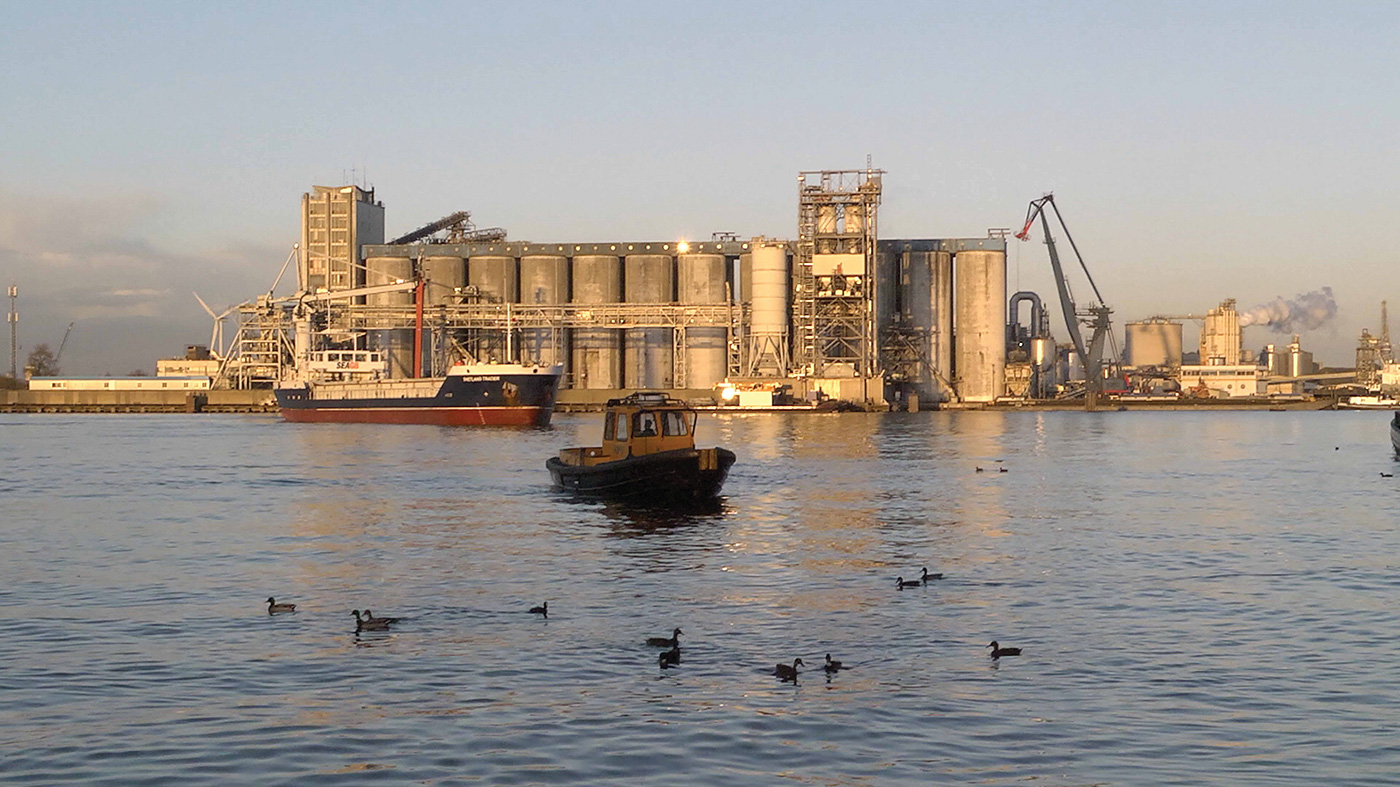
A quay with massive silos. Slowly, a huge bulk carrier berths to unload its cargo of soy beans. A woman’s voice says this could be the opening scene of a feature film in which photographer Lea has been commissioned to record the energy transition in the docks area of Amsterdam. We never get to see Lea, we just hear her voice, which is also the voice of the filmmaker. The filmmaker also reads out fragments of the film script, tries to find the images that will suit the feature film. On the principle that every transition is also a personal transition, two story lines are interwoven. On the one hand we see the docks area and the changes taking place there. On the other hand the film follows Lea, looking for the highest vantage point in the industrial area to find a new perspective. Growing older, she must begin to relate to the world anew, but also to herself. And come to terms with what hasn't gone right in her life. All she can do is embrace the chaos, with friendship and connection as consolation. There is no final goal, there will always be a longing.
Digna Sinke (Zonnemaire, 1949) graduated from the Dutch Film Academy in 1972 as writer/director of fiction films and documentaries. Her first long feature film De Stille Oceaan was selected for competition of the Berlinale 1984. In 2010 she completed her long term documentary project Wistful Wilderness (Nature & Nostalgie) about the transition of a small agricultural island into ‘wild’ nature. After the tone, a hybrid feature film, was selected for IFFR 2014. And her documentary Keeping & Saving or how to live ended up in the 4th place of the audience rating of IFFR 2018. Hemelsleutel (Key to Heaven) premiered at IFFR 2025. As a producer, she was involved in Kala azar by Janis Rafa (Tiger Competition IFFR 2020), and documentaries like Tanzania Transit (2018) by Jeroen van Velzen (Tribeca 2012). In 2023, she received the Golden Calf for film culture. Viennale 2025 devoted a major retrospective to her.

Wantanee Siripattananuntakul
Making Shadows Speak
Video | 0 | color | 14:59 | Thailand | 2025
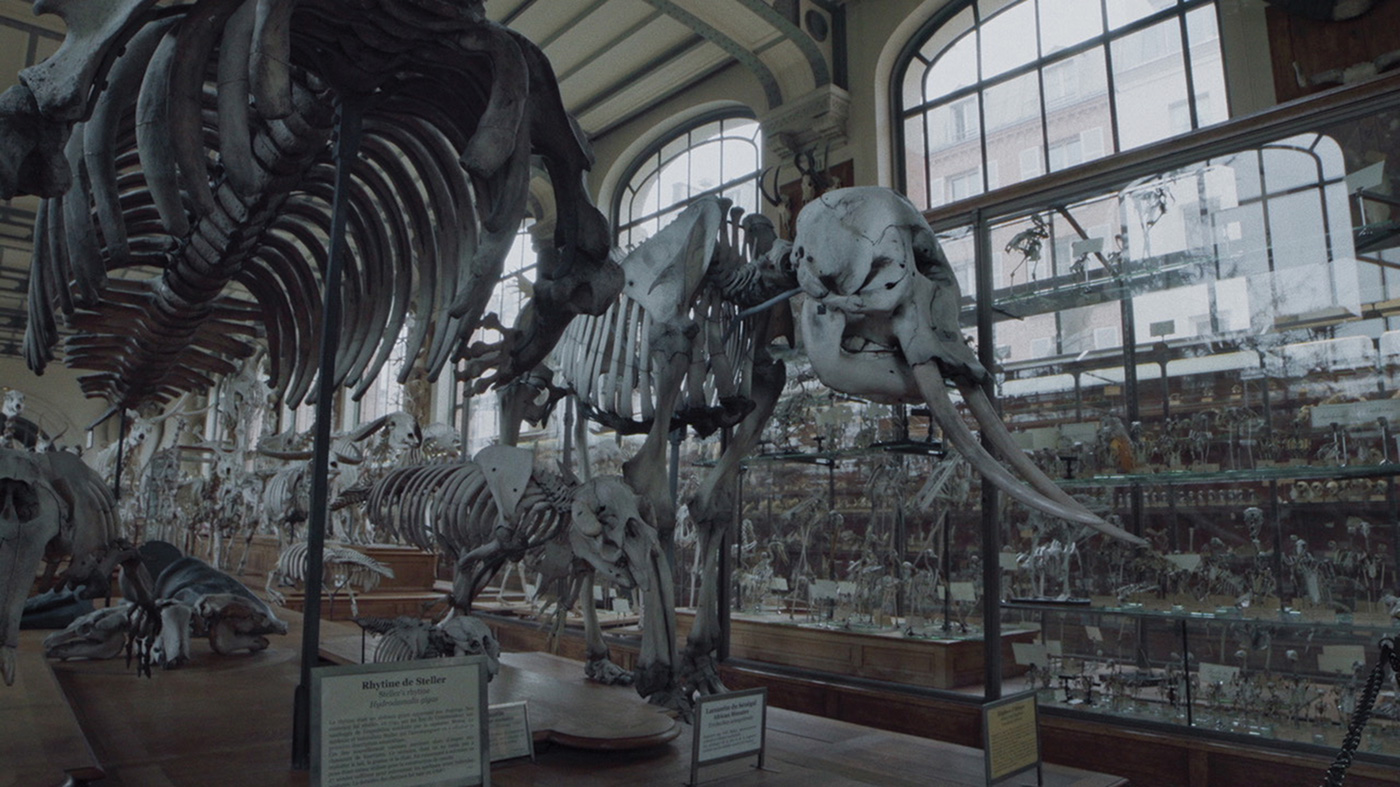
Making Shadows Speak (2025) is a 14:59-minute video essay tracing the afterlives of empire through shifting landscapes and silent witnesses. It weaves together ruins, bones, and the faint gestures of the living, meditating on how memory endures beyond the limits of speech—across species, time, and decay. The parrot’s quiet presence bridges these distances, resonating with other vanished lives and the echoes of power that once shaped them. As it moves through sites once marked by extraction and fragility, the film listens to what remains, allowing shadows themselves to speak of what endures.
Wantanee Siripattananuntakul is a multidisciplinary artist whose practice encompasses video, installation, and text, exploring memory, elusive presences, and shifting political terrains. Working between Bangkok and international residencies, her work reflects on the quiet forces that shape how we remember, witness, and endure. She has represented Thailand at the 53rd Venice Biennale (2009) and participated in significant exhibitions, including the Thailand Biennale (2023), Tokyo Biennale (2023), Anyang Public Art Project (2023), BIENALSUR (2021), and Bangkok Art Biennale (2022). Her works have been exhibited at Frieze London (2023), The Jim Thompson Art Centre, the Osage Foundation, and Galeria Presença. She is currently an artist-in-residence at Cemeti Institute for Art and Society in Yogyakarta, Indonesia, and will join Civitella Ranieri in Italy in 2026.

Frank Smith
LE FILM DU NON-LIEU
Experimental film | mov | | 20:0 | France | 2025
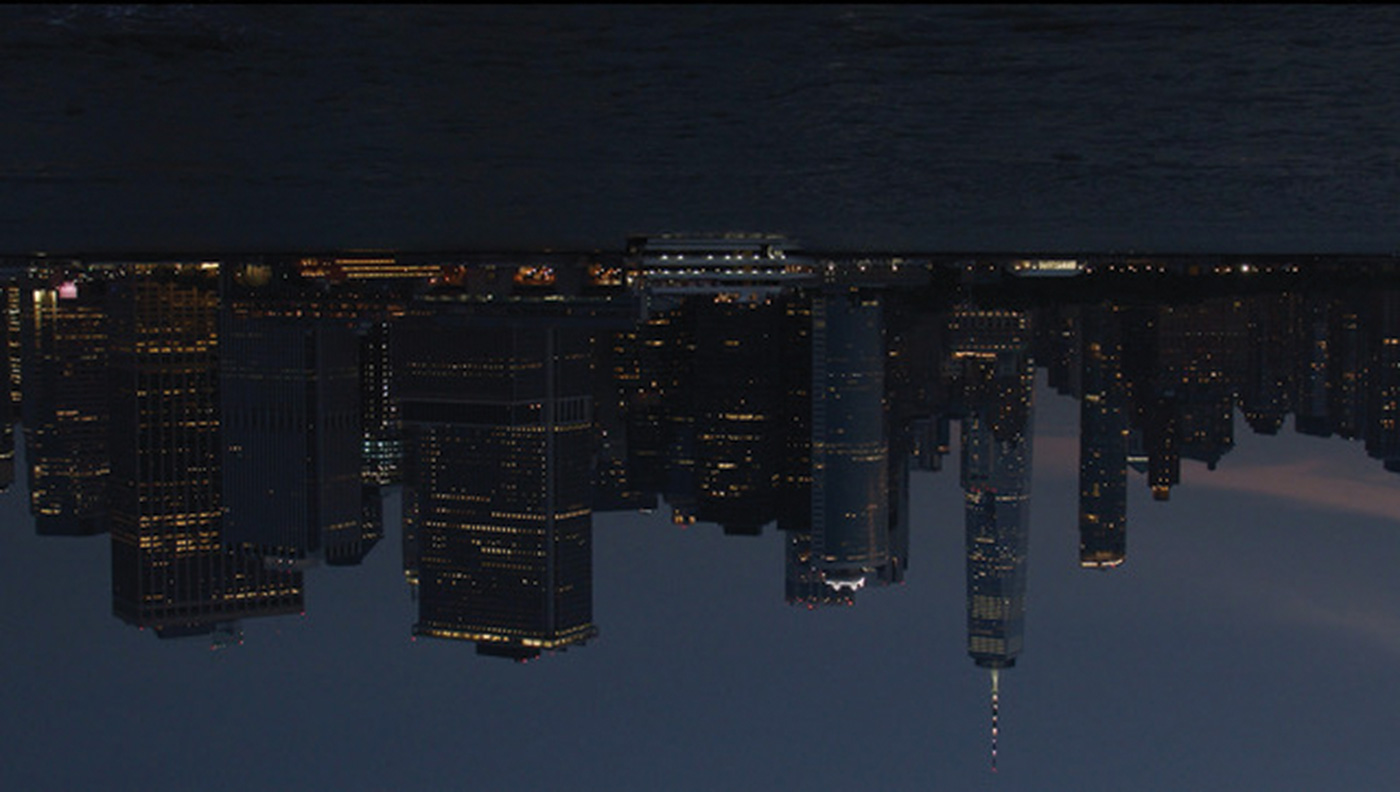
Le Film du non-lieu 20 minutes, 2025 Un film de Frank Smith Voix et présence Rodolphe Perez Image Arnold Pasquier & Frank Smith Montage Frank Smith & Arnold Pasquier Son, partition et création musicale originale Philippe Langlois Mouvement chorégraphique Mylène Benoit Production Même si & Sans Production Comment nous représenter ce monde qui nous échappe, non parce qu’il est insaisissable, mais parce qu’au contraire il y a peut-être trop à saisir. A partir d’une série de plans fixes (tournés sur les bords de Salton Sea, Californie, et aux confins de Malaga) pour tenter d’épuiser des lieux abandonnés, la réapparition pleinement visible d’une pluralité de dehors désertés les plus lointains coexiste ici avec le dedans le plus profond d’une présence humaine au sein d’une image audio-visuelle qui prend forme dans un dédoublement. Un texte est dit en surimpression avec les images. Parfois l’acteur qui n’agit rien, figure et dit ce qui ne peut être vu. Alors quoi ? On le revoit à la fin dans la même position que dans les milieux du film mais dans un ailleurs et là on danse et c’est la danse du non-lieu, et là on danse ce qui ne peut plus coller au sol et qui ne peut plus coller à la terre pour recommencer ailleurs, peut-être sur une autre terre et sur un autre sol. Un film de « cinéma primitif », à la recherche de ses propres règles, en quête d’une nouvelle orientation, à partir de la voix et du corps et non plus de l’image seule.
Hors pistes (Centre Pompidou, Paris) Frank Smith est écrivain et réalisateur. Il a longtemps été producteur à France Culture où il a dirigé l’Atelier de création radiophonique (2001-2011). Travaillant les notions de « poésie forensique » et de « cinéma de poésie », Frank Smith est le créateur du Bureau d'Investigations Poétiques depuis lequel il explore les jonctions s’exerçant entre Poésie, Politique et Image au moyen de livres, de films, d’installations, d’expositions. Auteur d’une trentaine de livres, il a réalisé une douzaine de films présentés dans de nombreuses institutions et festivals dans le monde (Collection Lambert Avignon, Louvre-Lens, CAC La Maréchalerie Versailles, Musée des arts déco. Bourges, Pera Museum Istanbul, Station Beyrouth, Steven Kasher Gallery New York, Centre de la photographie Genève, Fondation Boghossian Bruxelles, Fondation Michalski Lausanne, MOCA Los Angeles, États généraux du film documentaire Lussas, Côté Court Pantin, Festival de Sapporo Japon, de Jaipur Inde, etc.) et tous montrés au Centre Pompidou, Paris. Dernières publications : Irak 24 heures, Créaphis, et Deleuze Memories, LanSkine, 2025. Dernier film : Un Film sans autrui, commande du Centre Pompidou dans le cadre de L’Inventaire Deleuze.
Adam James Smith
Phantoms Of The Rising Sun
Experimental doc. | mov | color | 8:20 | United Kingdom, Japan | 2025
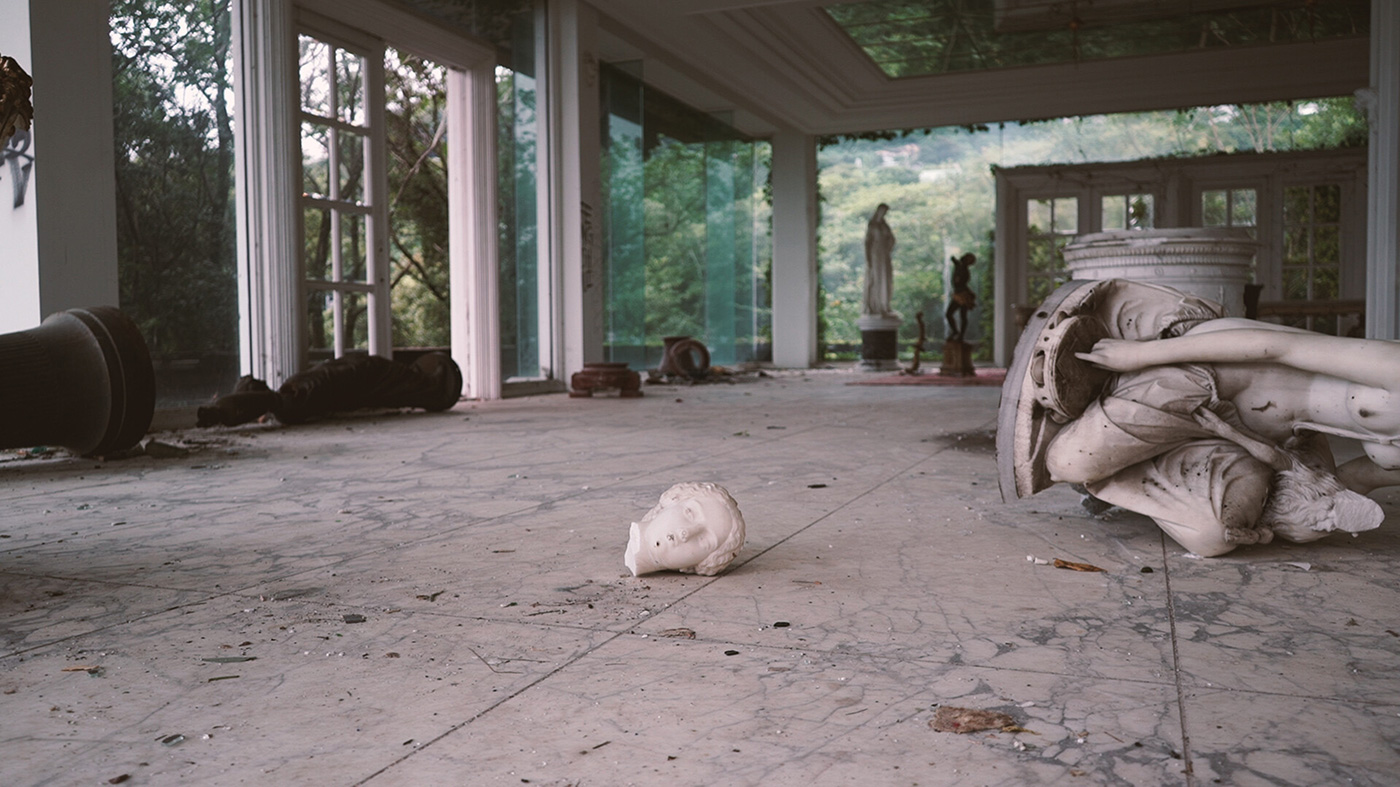
The abandoned spaces of a Wild West theme-park, a love hotel, and a billionaire's mansion are brought to life with plant overgrowth and animals, late-summer rain, and the haunting remnants of past human habitation.
Adam James Smith is a British-American filmmaker based in New York. His filmmaking practice spans rural and urban environments across China, Japan, and the United States. Adam was educated in film at Stanford and anthropology at Cambridge, the latter of which he is currently affiliated with the university’s Visual Anthropology Lab.

Giulio Squillacciotti
Mut
Documentary | 0 | color | 18:0 | Italy | 2024
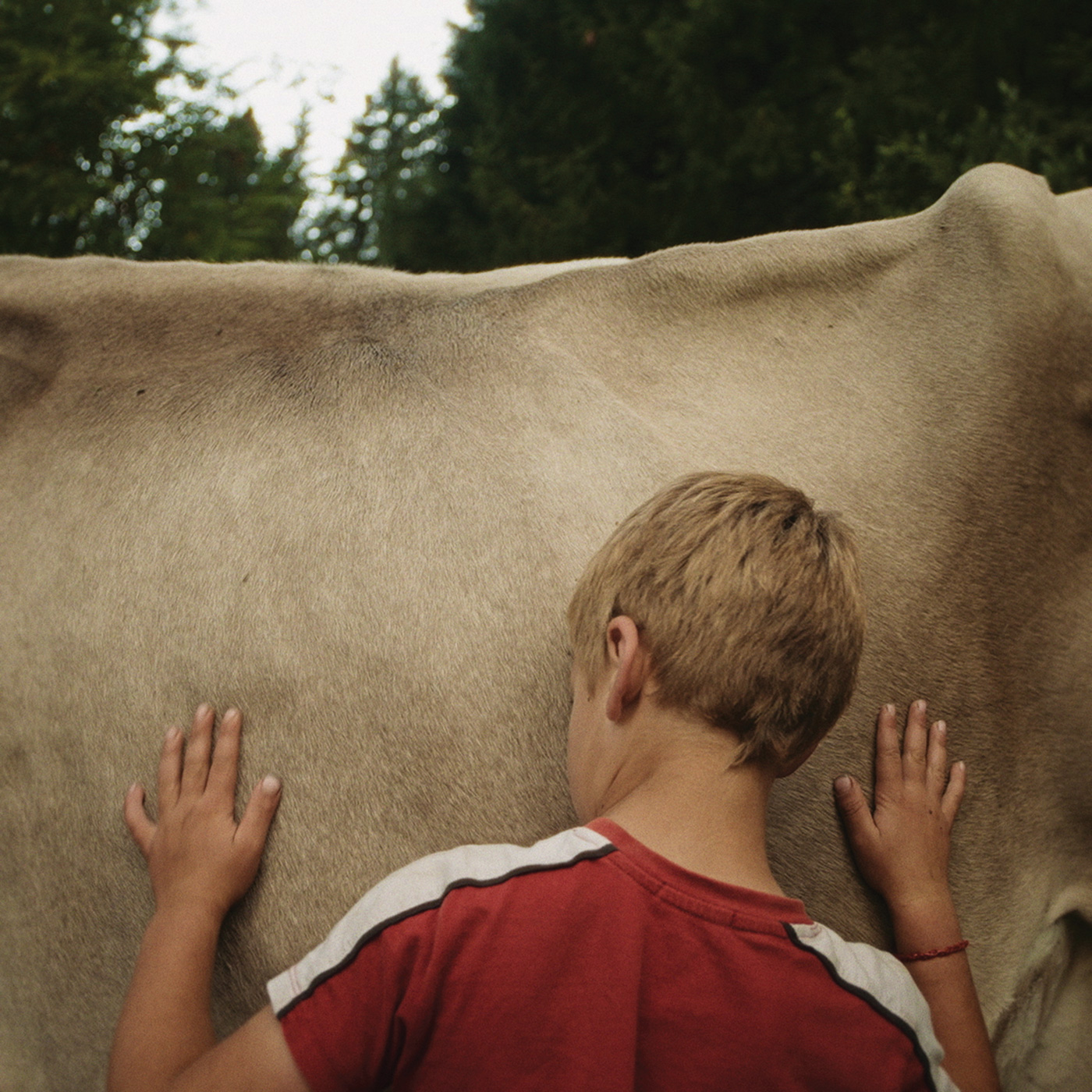
Mut (mountain in the dialect of Bergamo) is a day in the highlands, an allegory for a centuries-old summer tradition of life across mountain pastures. Through the eyes of two young herders and their parents, the cyclical rhythm of life becomes a universal testament to the enduring bond between humans and animals, revealing a kinship molded by gestures, silences, and affection, deeply embedded within the surrounding natural world.
Giulio Squillacciotti (Roma 1982) is an artist and film director. His work is based on the investigation of possible narratives, the sophistication of real events of historical-anthropological matrices and the way traditions take new forms by changing context. He studied Medieval Art History in Barcelona and Rome before obtaining a Master’s degree in Visual Arts at the IUAV in Venice. He was a Fellow Resident at the Jan Van Eyck Academie in Maastricht where he developed a project on the fictitious end of Europe and the loss of the shared identity of a political project. He recently received MEDIA Creative Europe and Screen Ireland funds to develop a feature film co-produced by Italy, Ireland and Poland.
Maryam Tafakory
Razeh-Del
Experimental doc. | mov | color | 27:47 | Iran | 2024
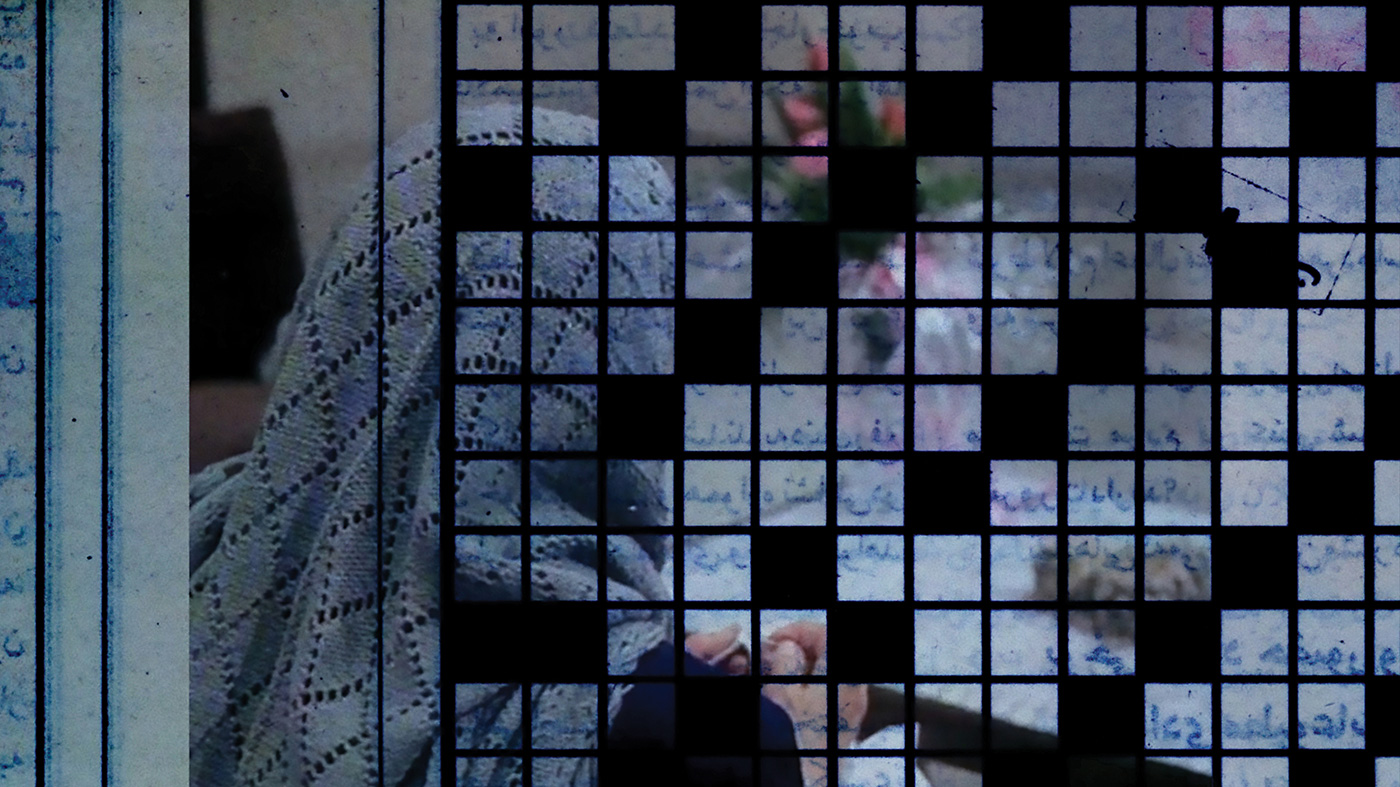
In 1998, two schoolgirls sent a letter to Iran's first-ever women’s newspaper. While they waited to be published, they considered making an impossible film. Using citations and image intervention, Razeh-del journeys through parallel histories of war on images of women.
Maryam Tafakory, born and raised in Iran, works with film and performance. Solo screenings of her work include MoMA, BOZAR, NGA, Washington DC, and Academy Museum, among others. Selected group events include Tate Modern, Cannes’ Directors Fortnight, New York Film Festival, Locarno Film Festival, Toronto International Film Festival. She was awarded the Gold Hugo at the 58th Chicago Int’l Film Festival, Tiger Short Award at the 51st IFFR, and Best Experimental Film at the 70th and 71st MIFF. She was the 2024 winner of the Film London Jarman Award.

Rebecca Taouk
Au Fil de l'Eau
Documentary | dcp | color | 22:45 | Lebanon | 2024
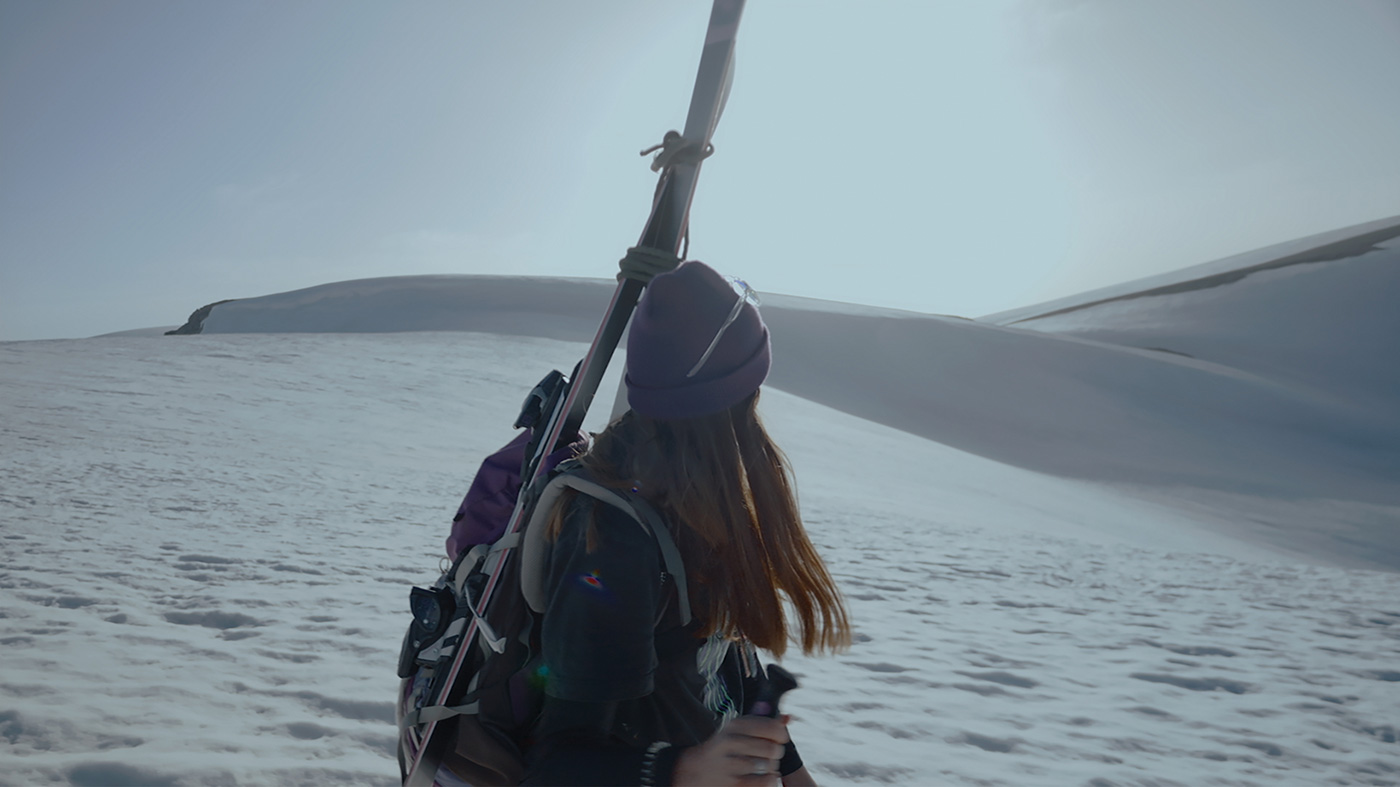
Flowing from Lebanon’s highest peak to the sea, water carries stories of connection and transformation. Along the Water takes a contemplative journey through the lives of Samir, Hisham, Antoine, and Ghiwa, whose bonds with nature, through the sea, rivers, and mountains, reflect a shared need to protect it. Through a transformative lens, the film captures the profound sensibility of their relationships with the natural world.
Rebecca is a Belgian-Lebanese filmmaker based in Brussels. She holds a master’s degree in documentary filmmaking from Docnomads (2020). Her cinematographic research explores themes of body, grief, identity, and connection. Her latest project, Au Fil de L’eau, emphasizes the importance of protecting nature and water through a contemplative journey, following the flow of water.
Wey Yinn Teo
latex labyrinth
Experimental video | mov | black and white | 12:38 | Malaysia | 2025
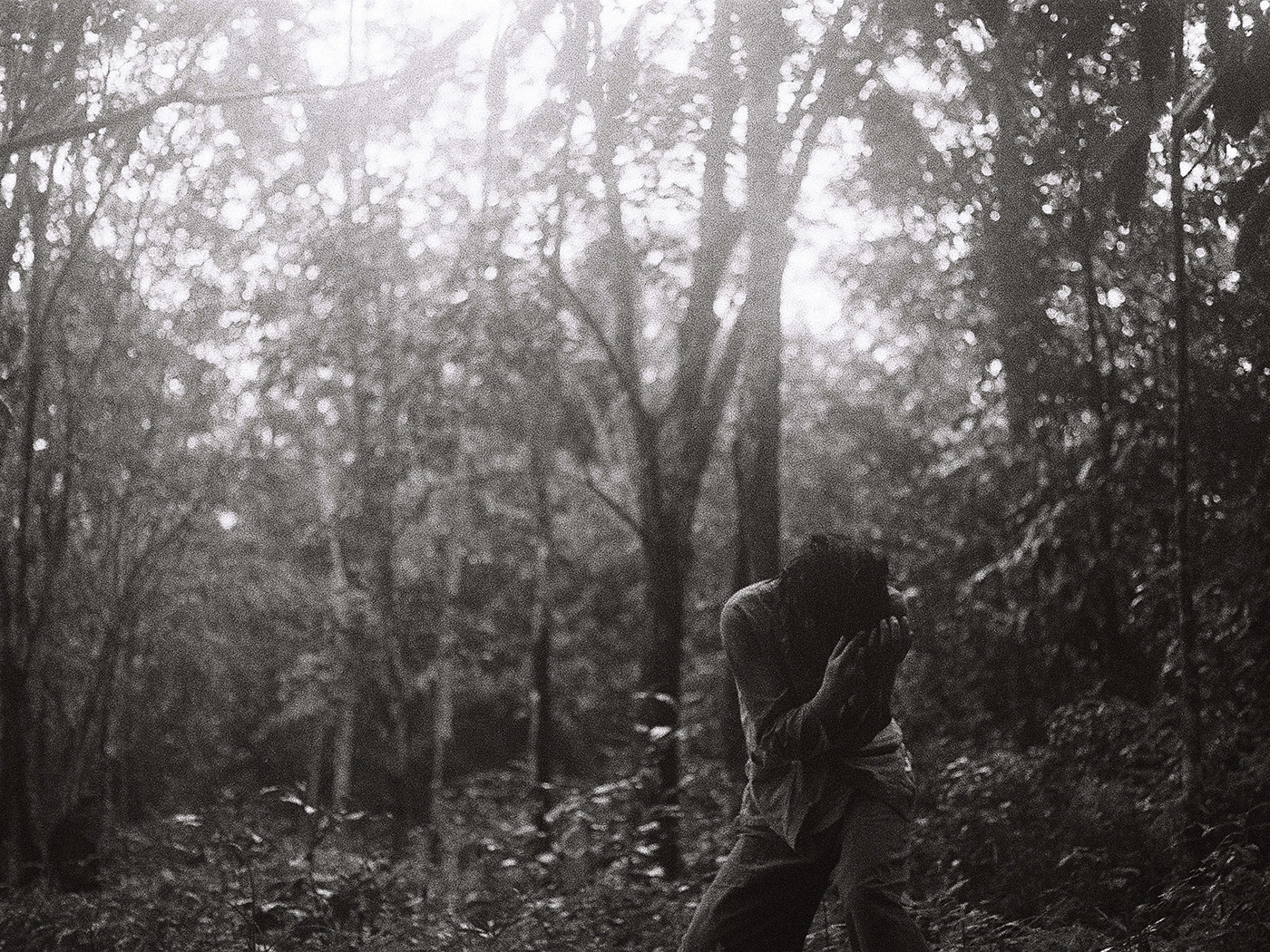
An old man awakens in a deforested rubber estate and finds himself in the colonial past. A distant old folk song ripples as he falls into the eternal loop of rubber tapping.
Wey Yinn Teo is a Kuala Lumpur based filmmaker. Her works often drift away from realms of reality and truth, exploring grief, alienation and the spectrum of the human experience. Aside from her work in sound and music, Yinn’s debut short ‘Enflightenment’ (2023) won the Audience Award in the Short Waves Festival in Poland, and has continued to screen in festivals including Leiden Shorts, EXPOSED Queer Film Festival Berlin and more. 'Latex Labyrinth' has recently internationally premiered at the Ji.hlava IDFF and won 'Best Dance Video' at Eye Catcher Global 2025, Hong Kong.

Marina Thomé, -
Céu Vermelho
Video installation | mov | color | 70:0 | Portugal | 2024
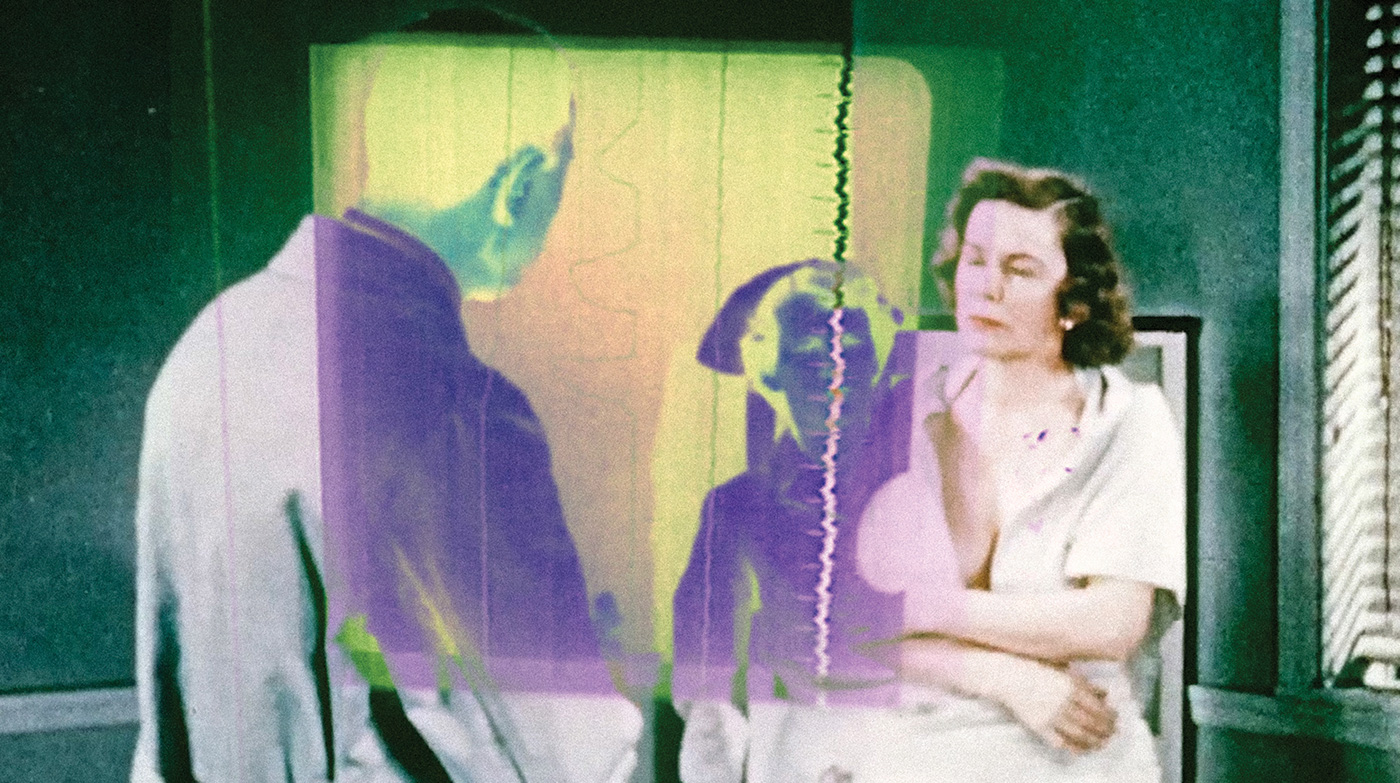
The imagery archival of breast cancer became subject to a critical examination and reevaluation in an artistic approach. On the one hand, the personal experience, on the other, the volcanos, a powerful allegory. They encounter each other in a provocative feminist reread of archival medical images. By remixing these images and juxtaposing them with personal and contemporary experiences, the film subverts their original messages bringing embodiment back to patients. Merging artistic practice and social activism, Red Skies brings together aesthetics and political investigation. It conveys the relationship between archival scientific media and personal breast cancer experience engaging with a wide variety of issues related to women’s health.
www.marinathome.com.br Marina holds a master degree in Creative Documentary (Universitat Autònoma de Barcelona) and studied photojournalism at International Center of Photography (NYC). Her work took part in festivals in France, Portugal, Spain, and elsewhere, including BAFICI (AR), Biarritz Amérique Latine (FR), and Krakow Film Festival (PL). She directed 2 award-winning documentary films. "What I've never lost", premiered in 2021 at the Buenos Aires International Festival of Independent Cinema (BAFICI), was released theatrically in Brazil and Portugal, broadcasted in public TV, and holds 2 nominations for the Brazilian Society of Cinematographers Award (ABC). “The sound of bells” (2016), was broadcasted in public TV and is distributed internationally by Boston-based Documentary Educational Resources (USA). In 2021, she was honored as part of the Santiago International Film Festival, in the “Directoras en Foco” session at Chile. Currently Head of Industry and Development at DocLisboa International Film Festival, she co-directs ESTUDIO CRUA, a documentary production company based in Lisbon and São Paulo.
Nicolas Thomé Zetune, Felipe André Silva
Minhas férias
Experimental fiction | 0 | color | 16:36 | Brazil | 2025
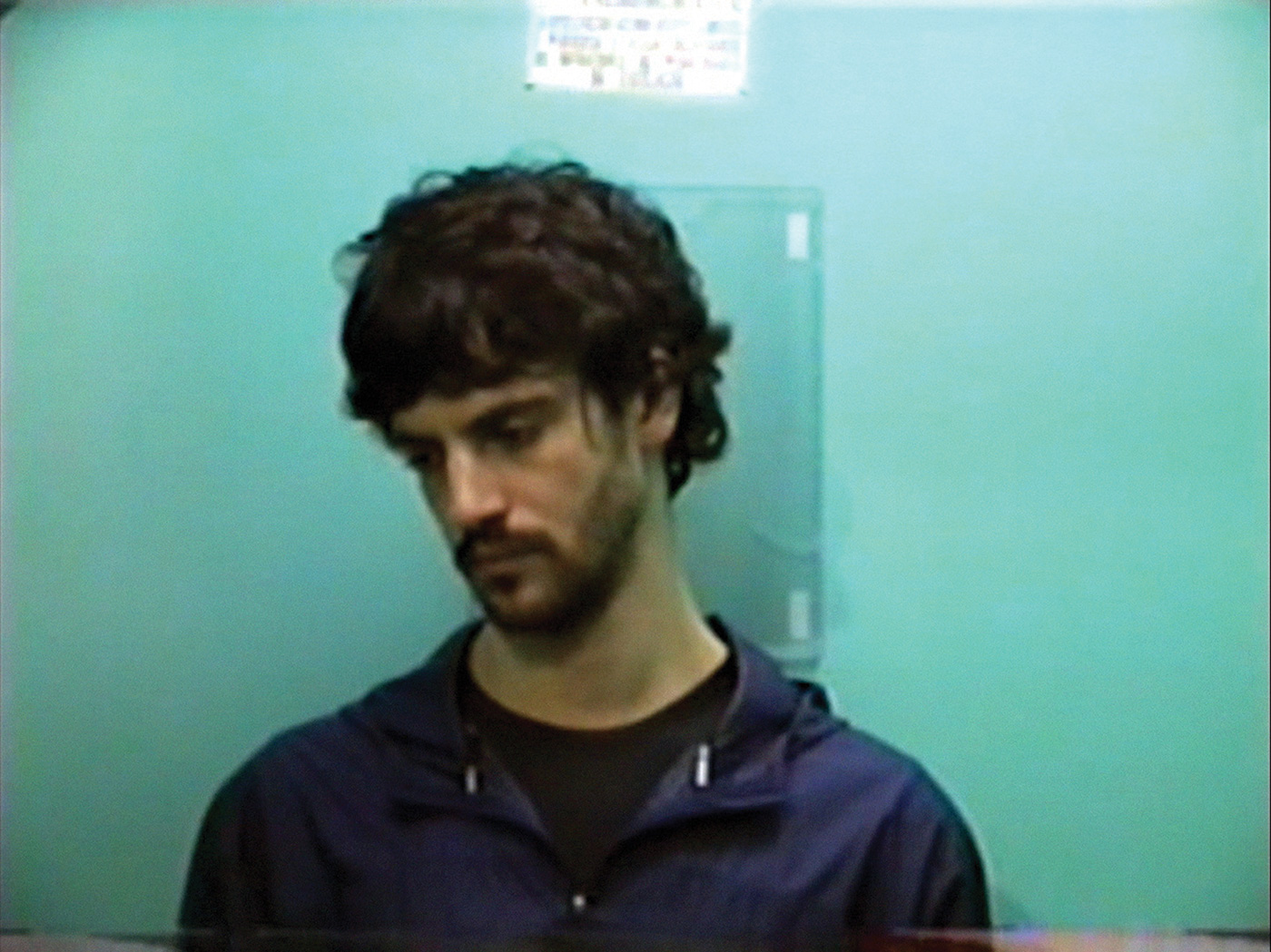
"I just arrived from the future, and there people still go to the movies. On second thought, maybe it's better to start like this: I just arrived from the future, and there people still go to the movies."
Nicolas THOMÉ ZETUNE (1993, Brazil) is a film director based in São Paulo. In 2012, he founded the production company FILMES DE AMOR. Nicolas' short films have been screened at some of the biggest film festivals, such as the Rotterdam International Film Festival. Nicolas' first feature film, “O Pequeno Mal”, was presented at FID Marseille in 2018. The second film, “O Tubérculo”, had its world premiere at the 27th Tiradentes Film Festival. In 2025, Nicolas was one of the selected participants for Berlinale Talents Buenos Aires, an international forum for discussion and project development organized in partnership with the Berlin Film Festival and BAFICI – Buenos Aires International Independent Film Festival. He is currently preparing his third feature film, "Invisible Tunnel," a project selected for FIDLab (Marseille, France). Filming is scheduled for November 2026. Felipe ANDRÉ SILVA (1991, Recife) is a filmmaker and poet. His film credits include the features Santa Mônica (2015) and Passado (2020), and the short Cinema Contemporâneo (2019). He regularly works as a curator for the Janela Internacional de Cinema do Recife festival. In literature, he has published the chapbooks o escritor Xerxenesky and o autocad de Britney Spears, and currently runs &legal edições, a digital micro-publishing house dedicated to contemporary poetry.

Christopher Thompson
Foot To Ground
Experimental film | 16mm | black and white | 8:11 | USA | 2024
Minimalist frontiers proliferate from acquisition. Larping utopia, shedding skins, forging new luxury amidst shards of past lives. Embracing shadows, sculpting stagnant futures in the flicker of ancient flames.
Christopher Thompson (1990) is a contemporary American artist and filmmaker whose work examines desire, capital, and the seemingly supernatural forces that govern its acceleration. His films and video works have been featured in film festivals and exhibitions worldwide, including San Francisco Cinematheque’s CROSSROADS, London Short Film Festival at ICA London, Prismatic Ground, Athens International Film and Video Festival, Brooklyn Film Festival, San Diego Underground Film Festival, and Iowa City International Documentary Film. He holds an MFA from Washington University in St. Louis, where he studied video art and experimental film. Thompson lives and works in Brooklyn, NY.
Justin Randolph Thompson
From the Campidoglio to the Zoo
Experimental film | super8 | color | 26:0 | Italy | 2023
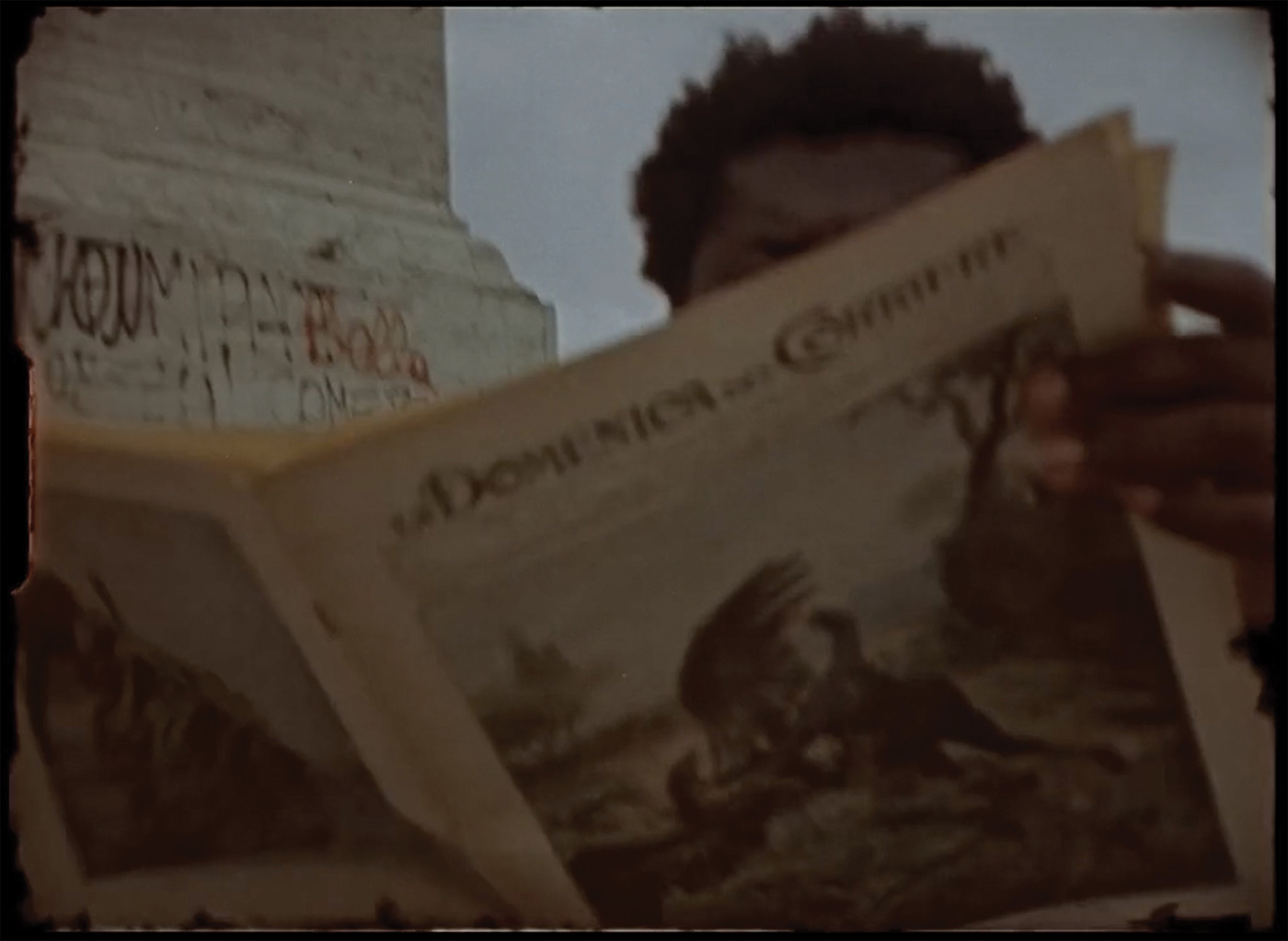
From the Campidoglio to the Zoo is a film and sound work that examines the bridging of coloniality into a postwar Italy drawing upon the Ponte Flaminio, a bridge projected to celebrate fascist aspirations and to provide a ceremonious entry to the city, constructed based on the original proposal of Armando Brasini after WWII. The work borrows its title from an unpublished essay by author William Demby, written as a critique of the 1959 Second Congress of Black Artists and Writers which he attended. The congress, dedicated to the development of vision and solidarity amongst Afro-diasporic cultural producers existed in contrast to its hosting by the Istituto Italiano per l’Africa. The film is activated through a live sound performance recorded inside the Museo delle Civiltà in Rome, by Dudu Kouate and Justin Randolph Thompson drawing upon the essence of negritude advanced in relation to the congress and the fragmentary nature of global Black unity. The sound was performed using a range of instruments that are part of the ethnographic collection of the Pigorini Museum in Rome housed by the Museo delle Civiltà. This was the first time that these instruments have been played since their placement in the collection in some cases over one hundred years ago. The work was supported by the British School at Rome and the Museo delle Civiltà.
Justin Randolph Thompson is an artist, cultural facilitator and educator born in Peekskill, NY in ’79. Based between Italy and the US since 1999. Thompson is a recipient of a 2024 MAP Fund Award, a 2022 Creative Capital Award, a 2020 Italian Council Research Fellowship, a Louis Comfort Tiffany Award, a Franklin Furnace Fund Award, a Visual Artist Grant from the Fundacion Marcelino Botin and an Emerging Artist Fellowship from Socrates Sculpture Park amongst others. His work and performances have been exhibited widely in institutions including The Whitney Museum of American Art, the Centro de Arte Reina Sofia and The American Academy in Rome and are part of numerous collections including The Studio Museum in Harlem, and the Museo MADRE. His life and work seek to deepen the discussions around socio-cultural stratification and the arrogance of permanence by employing fleeting temporary communities as monuments and fostering projects that connect academic discourse, social activism and DIY networking strategies in annual and biennial gathering, sharing and gestures of collectivity.
Aidan Timmer
Tarik en Ik
Experimental doc. | 4k | color | 21:48 | Netherlands, Belgium | 2025
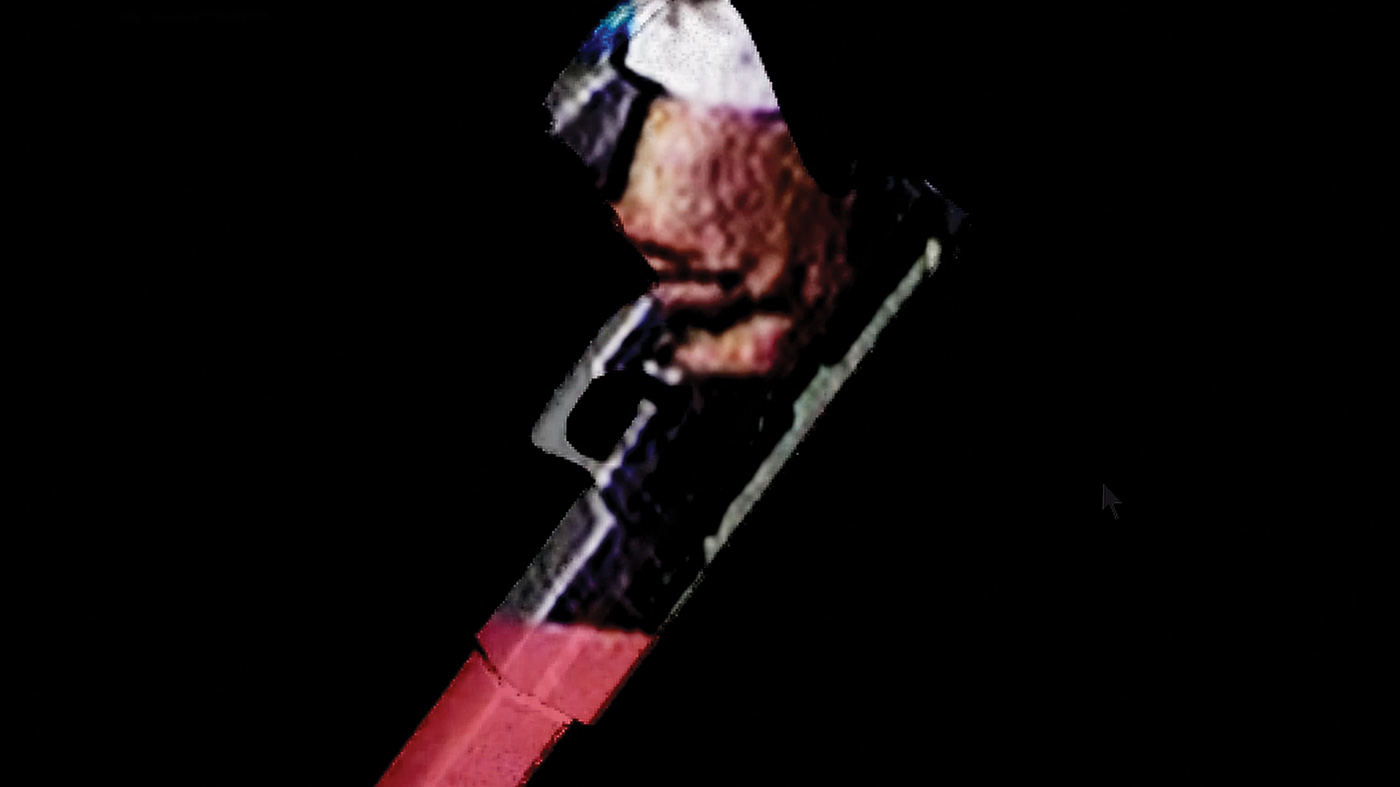
Looking back on the footage of a hijacking at the Dutch national news broadcast, back in 2015. Aidan Timmer, who now shares the age of the culprit, reflects on the incident. While watching the young man struggle to recite a letter on live television, Aidan gets emotionally closer to the boy who took his father hostage.
Aidan Timmer (b. Amsterdam, The Netherlands) his work is mainly based in the audio-visual field. He has increasingly immersed himself in documentary, essayistic and hybrid filmmaking. Most of his films or works arise from this obsessive fascination for all that attempts to convey truth or verity. He sees his films as essayistic explorations of objectivity and the illusion of impartiality. ‘Tarik en Ik' portrays the emotional and obsessive relationship with a fear from the past.
Traumazone
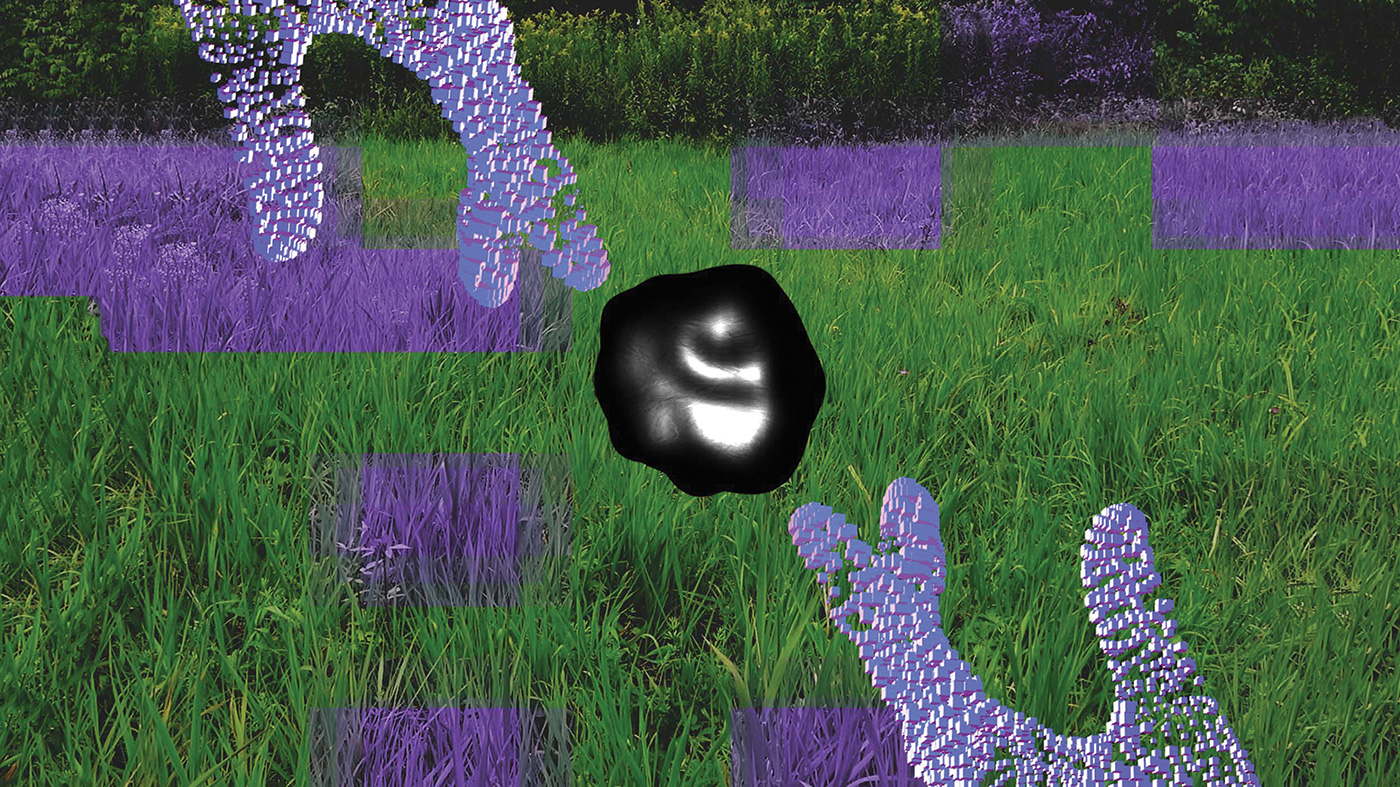
Strings
Multimedia concert | mov | color | 19:35 | Germany | 2025
Project Strings is an audio-visual live performance and a video essay by TraumaZone art duo. The project is based on the book Staying with the Trouble by Donna Haraway, where the author reflects on how ideas, beings, and worlds are connected together like strings in the game of Cat’s cradle. Taking the string games as the main idea, the Strings talk about the concepts of human and non-human co-existing together in a social system. As the narrative moves forward, the audience sees the solid grid of connections gradually dissolving, and fluidity emerging as the core cooperation principle. The performance consists of reactive live and prerecorded visuals, and the live sound set, that includes a 20-second loop of electromagnetic radiation emitted by a solar panel, combined with fragments of AM broadcasts recorded during an art residency in rural Bavaria. The video essay also includes the shortened version of the material with more energetic pace of narration. Project Strings invites the audience into a meditative landscape where sound and visuals work together, destroying rigid structures and embracing a more fluid, interconnected modes of existence.
TraumaZone is a live-coding duo based in Berlin, consisting of Ksenia Sova, a video artist and Fyodor Stepanov, a sound designer. Their main focus is to politicize the art community by bringing to the spotlight important questions and creating a safe space for discussion. Ksenia Sova (they/them) is a media artist based in Germany. They studied media art at the Academy of Fine Arts Leipzig, Germany. They work are especially interested in exploring topics connected with alienation, isolation and anxiety of a queer body in digital environments. They use an expanded cinema approach to create time-based art-pieces for personal and group exhibitions. Fyodor Stepanov (he/they) is a sound artist and composer based in Berlin, Germany. He specialises on electro-acoustic works for interactive installations, audio-visual performances and video art. His creative output is driven by notions of transience, non-linearity, and ambiguity intrinsic to sound. The approach he has developed over the past decade combines generative algorithms with bits of radio broadcasts, field recordings, and electromagnetic listening to produce eerie acousmatic soundscapes that slowly develop over long periods of time.

Yuliya Tsviatkova
In the animal's skin
Experimental film | mov | color and b&w | 14:10 | Belarus, Poland | 2025
I dreamed that I turned into an animal. I could cross the border freely, through the forest. I entered that land unnoticed — the land I miss and fear at the same time. I met my grandmother, whom I haven’t seen for several years. She didn’t recognize me, but we stood very close to each other, in silence. In the Animal’s Skin explores the Belarus-Poland border cutting through the ancient Bia?owie?a Forest — a protected sanctuary turned into a place of walls, detentions, and fear. The wall not only blocks refugees, but also divides animal habitats and disrupts ancient migration routes. In Bohoniki, a Tatar village near the border, the local tatar community buries refugees found in the forest with quiet dignity — a stark contrast to political neglect.The film reflects on borders, violence, and the fragile connections between humans, animals, and the forest that bears silent witness.
Yuliya Tsviatkova (b. 1993, Belarus) is a visual artist and filmmaker based in Germany. With a background in microbiology and fine arts, she approaches moving image as a space where scientific observation meets poetics. Her work explores ecology, memory, and political trauma through non-linear narratives, often centering on exile, environmental violence, and the entanglement of human and non-human lives.


Charlie Tweed
Elemental Feelings
Video | 0 | color | 4:0 | United Kingdom | 2025
The film makes reference to Raymond Williams’ concept ‘structures of feeling’, which is identified as an ‘active’, ‘flexible’, ‘temporal present’, and applies this to the operations of the capitalocene, where technological infrastructures stretch their tentacles out over the whole earth implicating everything within their operations. Voiced by a posthuman lifeforce, the video outlines a plan for an all consuming form of future machine: “We are the assemblage of elemental feelings, orchestrating capture through our sensing machines.” It suggests a vast assemblage that goes beyond current notions of extraction to implicate diverse forms of material (flesh/rock/precious metals/skin/plants/soil) and their unique temporalities into its mechanism. This machine enables affective operations on bodies of all sorts to be implemented. In the work we see elemental processes operating across multiple temporalities, as Derek P. McCormack notes, they are within the domain of speculative forces and practice through which the elements are engineered, extracted, forged, manipulated, modified and purified as part of the generation of different forms of value. Thus bodies, subjects and worlds become affected by elemental processes operating across multiple spatialities and through this they arrive in a solution to affective experiences and they activate new forms of control.
Charlie Tweed is a media artist and researcher working across video, text, digital media and performance, developing works that interrogate the relation between human technologies and the earth, considering notions of control, extraction, waste and more than human intelligence. In his work, he employs strategies of re-appropriation and speculative fiction, often taking on personas of anonymous collectives and hybrid machines, to outline speculative plans for future forms of technology and more than human relations. He has an MA in Electronic Media, an MFA in Art Practice from Goldsmiths College, London and a PhD in Art, he is the Subject Leader of Art at Bath School of Art, Film and Media. He has exhibited his works internationally with solo shows at The Stanley Picker Gallery, London; Spike Island, Bristol; Animate Projects, London and Aspex Portsmouth. Group shows and film festivals include: Rencontres Internationales (2019), HKW, Berlin; Oberhausen Short Film Festival, Germany; WRO Media Art Biennale (2017), Poland; Nunnery Gallery, London; Meetfactory, Prague; Whitechapel Gallery, London; ICA, London, CCA, Glasgow and Zentrum Paul Klee, Switzerland. Residencies and awards include: EarthArt Fellowship 2019-20, Earth Sciences, Bristol University; Wellcome Trust Large Arts Award (2015-17); AHRC Funding award (2011-17); Grizedale Arts Residency Programme (2005 and 2011); Sommerakaedemie, Zentrum Paul Klee (2008); Aspex Emergency 5 Winner 2011; Startpoint European Academies Award (2008); Whitstable Biennale (2008). His films have been screened internationally at venues including: ICA, London; CCA, Glasgow; Whitechapel Gallery, London; Watershed, Bristol; Plymouth Arts Centre; CAFA, Beijing; Quad, Derby; Eastside Projects, Birmingham; Castlefield, Manchester.
Charlie Tweed
Elemental Feelings
Experimental video | mp4 | color | 4:5 | United Kingdom | 2025
The film makes reference to Raymond Williams’ concept ‘structures of feeling’, which is identified as an ‘active’, ‘flexible’, ‘temporal present’, and applies this to the operations of the capitalocene, where technological infrastructures stretch their tentacles out over the whole earth implicating everything within their operations. Voiced by a posthuman lifeforce, the video outlines a plan for an all consuming form of future machine: “We are the assemblage of elemental feelings, orchestrating capture through our sensing machines.” It suggests a vast assemblage that goes beyond current notions of extraction to implicate diverse forms of material (flesh/rock/precious metals/skin/plants/soil) and their unique temporalities into its mechanism.
Charlie Tweed is a media artist and researcher working across video, text, digital media and performance, developing works that interrogate the relation between human technologies and the earth, considering notions of control, extraction, waste and more than human intelligence. In his work, he employs strategies of re-appropriation and speculative fiction, often taking on personas of anonymous collectives and hybrid machines, to outline speculative plans for future forms of technology and more than human relations. He has an MA in Electronic Media, an MFA in Art Practice from Goldsmiths College, London and a PhD in Art. He has exhibited his works internationally with solo shows at The Stanley Picker Gallery, London; Spike Island, Bristol; Animate Projects, London and Aspex Portsmouth. Group shows and film festivals include: Rencontres Internationales (2019), HKW, Berlin; Oberhausen Short Film Festival, Germany; WRO Media Art Biennale (2017), Poland; Nunnery Gallery, London; Meetfactory, Prague; Whitechapel Gallery, London; ICA, London, CCA, Glasgow and Zentrum Paul Klee, Switzerland. Residencies and awards include: EarthArt Fellowship 2019-20, Earth Sciences, Bristol University; Wellcome Trust Large Arts Award (2015-17); AHRC Funding award (2011-17); Grizedale Arts Residency Programme (2005 and 2011); Sommerakaedemie, Zentrum Paul Klee (2008); Aspex Emergency 5 Winner 2011; Startpoint European Academies Award (2008); Whitstable Biennale (2008).