Catalogue 2025-2026
Parcourez ci-dessous le catalogue 2025-2026 des Rencontres Internationales, ou effectuez une recherche dans les archives des oeuvres présentées depuis 2004. De nouveaux extraits vidéos sont régulièrement mis en ligne, les images et les textes sont également progressivement mis à jour.

Hara Shin
Monumental Ether. Bodies.
Doc. expérimental | 0 | couleur | 24:58 | Coree du Sud, 0 | 2025
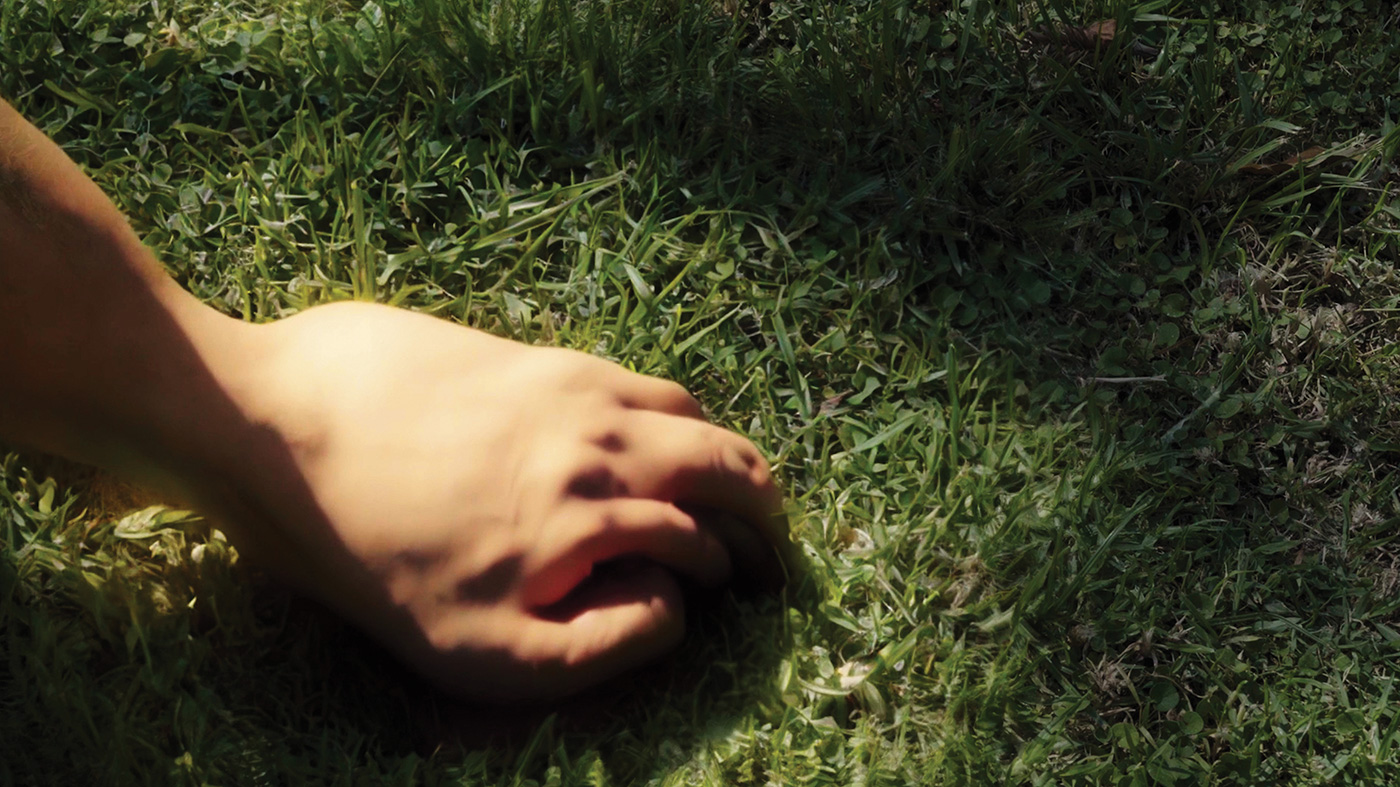
This work is an experimental documentary video that explores the entangled geopolitical temporalities of three sites shaped by anthropocentric violence: Kückenmühler Anstalten in Szczecin, a former Nazi forced-sterilization facility and hospital for the disabled; the Tropical Botanical Garden in Lisbon, once a Colonial Garden; and Tancheon Stream in Seoul, associated with the legend of Dongfang Shuo’s death. Through multispecies narratives of erasure, survival, and regeneration, the work investigates how dead bodies might come back to life and how tragedy can be reconfigured into new modes of being—ultimately weaving a textured fabric of memory. Its nonlinear structure reflects the layered realities of these places, where time does not flow in a straight line but folds inward, revealing how past, present, and future communities coexist within ecologically and politically marginalized spaces. At the work, a fictional being from the future, who continuously interrogates her entangled existence. The piece draws inspiration from Manifesto Antropófago (1928) by Oswald de Andrade, which frames cannibalism as a radical act of cultural resistance. Bodies, fleshes, and plants traverse histories—digesting, absorbing, and fusing them. Through these ritual acts of mutual consumption, the work enacts an ongoing unfolding of memory and being. The past is not buried in death; it arrives before us—still alive, in transformed and transforming forms.
Hara Shin is an artist based in Berlin and Seoul. Working with film, multimedia installations, and storytelling, she explores speculative ecosystems reflected by planetary concerns such as habitat loss, mass extinction, and involuntary migration alongside the residual memories and hegemonic structures left behind by humanity. Her works have been exhibited and screened at venues including Busan Museum of Contemporary Art (Busan MoCA) (2025), Spazio Supernova in Rome (2025), DA Z Digital Arts Zurich, Kunsthaus Zürich (2024), galerie weisser elefant in Berlin (2023), DMZ International Documentary Film Festival in Goyang (2023), ACUD Galerie in Berlin (2022), TRAFO Center for Contemporary Art in Szczecin (2022), Drugo More in Rijeka,(2022), and Art Center Nabi in Seoul (2021). In 2023, she participated in the Goldrausch Künstlerinnenprojekt, supported by the Federal State of Berlin & European Social Fund Plus, and was selected for the 2024 Emerging Visual Artist Support Program by the Arts Council Korea. She is a laureate of In situ 2024–2025 at the Cité Internationale des Arts in Paris, in partnership with the Foundation Daniel et Nina Carasso.

Pauline Shongov
Mirage
Doc. expérimental | 0 | couleur | 15:0 | Bulgarie | 2024
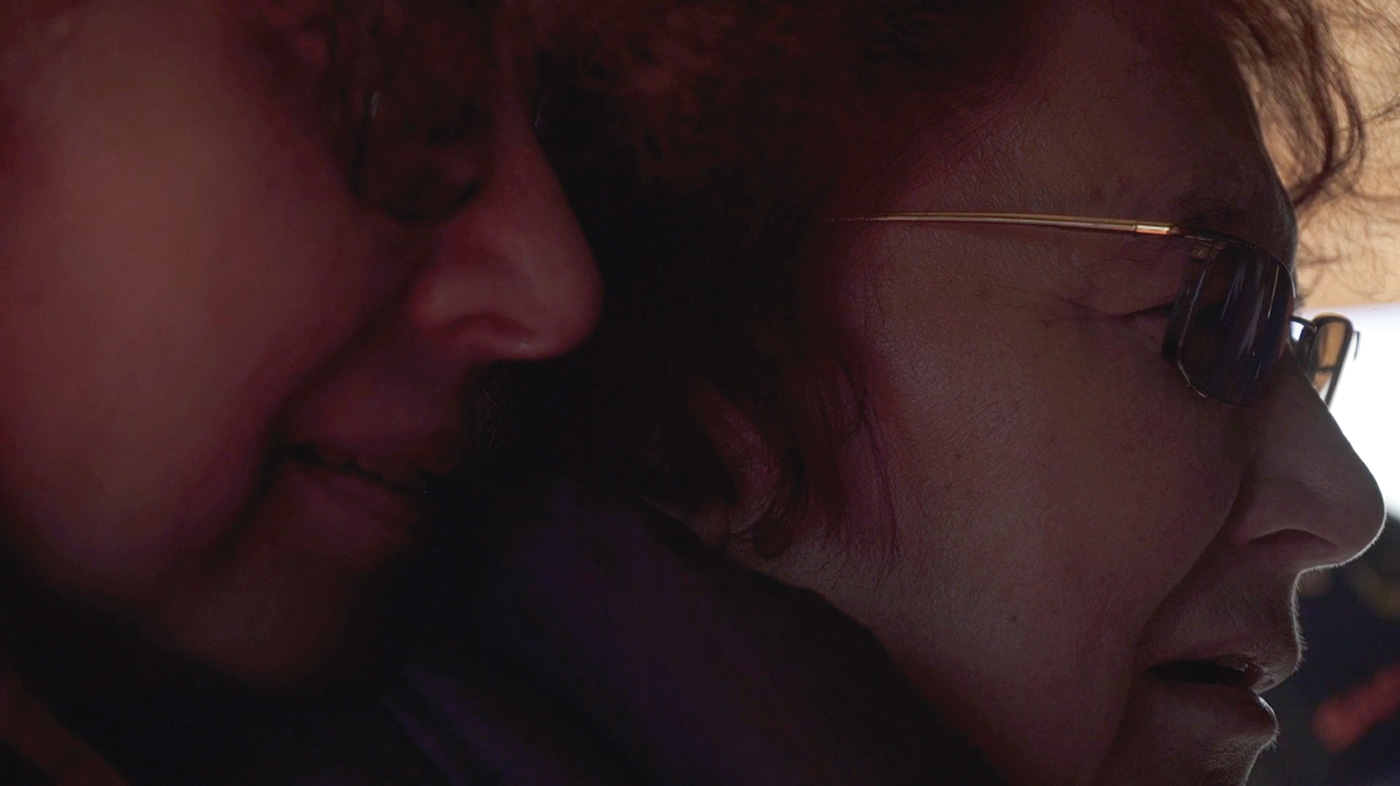
Two Bulgarian pensioners embark on their first road trip through the American Southwest. Once confined by the borders of the Eastern Bloc, they now venture into the familiar landscape of the Western film genre. Throughout their travels, memories of the past seep into their experience of the present—a landscape of the West that, for over thirty years, they have dreamed to see beyond the frame of the TV screen. Now limited by their own aging bodies, they are confined by yet another screen. Windows become portals for a slow cinema, where the landscape of the West unravels in real time as the dreamy promise it once held is colored by the newfound form of its mirage.
Pauline Shongov is a filmmaker whose work explores historical memory, cultural mythology, and the poetics of place. Her most recent film Couple More Shovels for a Few More Levs (2023) received the Manfred Krüger Award at the German International Ethnographic Film Festival and was shortlisted for the Emerging Artist Award at the Mimesis Film Festival. Her work has been supported by the Harvard Film Study Center, Sensory Ethnography Lab, ArtLab at Harvard, and the Harvard Critical Media Practice program.

Birgitte Sigmundstad
Det nye museet
Documentaire | hdv | couleur | 112:0 | Norvège | 2025
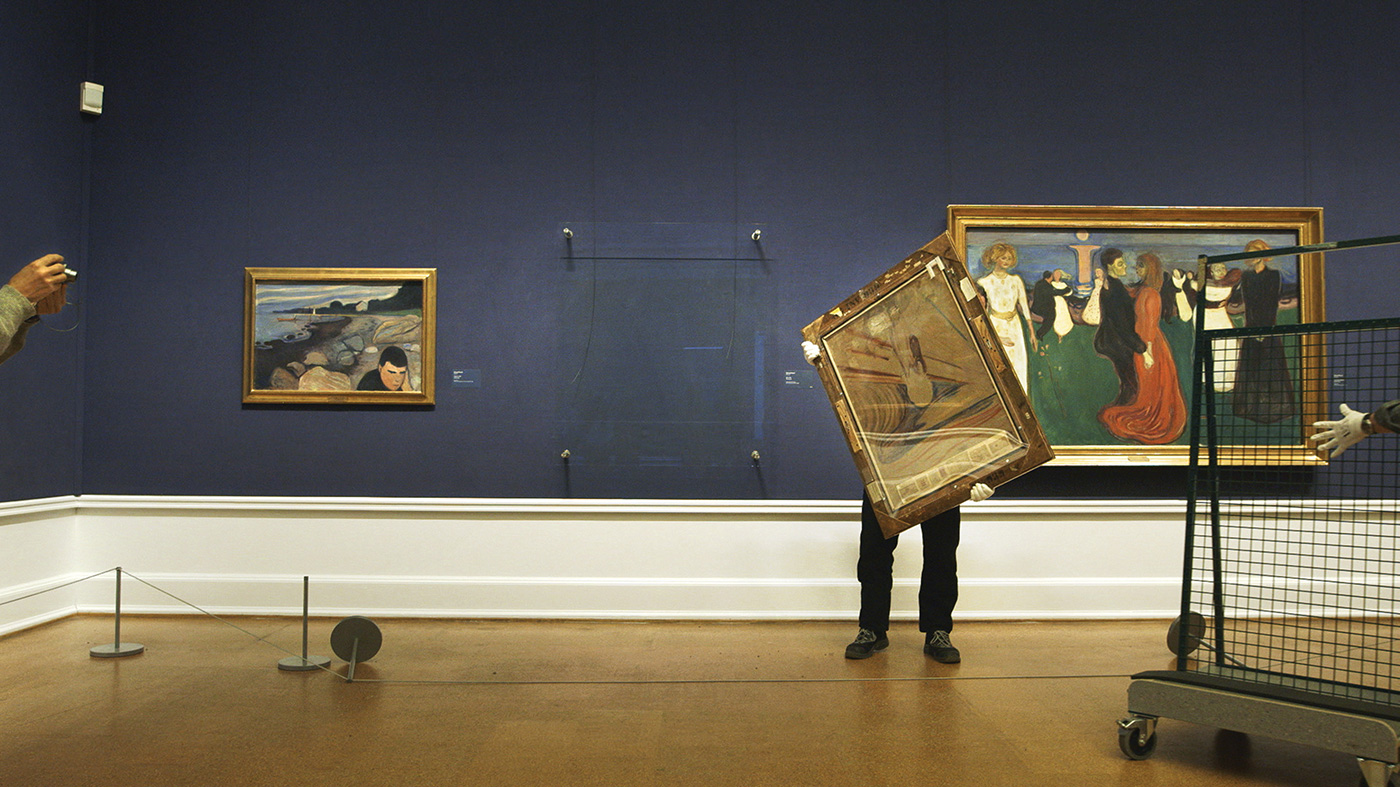
THE NEW MUSEUM explores the making of the new National Museum for Art, Architecture and Design. Through observational footage, filmed over a period of 8 years Birgitte Sigmundstad takes us into the meeting rooms and onto the construction site. We meet the people working with the art, see works and objects being prepared for relocation, and witness the old museum buildings that have now become history. Without rushing, the film brings us into discussions and planning processes, and we follow the architect’s ups and downs. The New Museum offers insight into the process and expectations behind the construction of the museum, resulting in an intimate and often entertaining film that raises questions about what a museum should contain – and who it is built for.
Birgitte Sigmundstad lives in Oslo and works primarily with moving images. She is educated at The Surrey Institute of Art & Design in England and has had number of exhibitions and screenings in Norway and abroad. Sigmundstads films are essayistic and are tied to art, art history or historical events. Another recurring subject matter in Sigmundstads films is how art is used ideologically as pictured in Art and Non-Art (2020) about the exhibition with the same name in a nazified National Gallery in Oslo in 1942 and Hammersborg Protecting the Bygone Future (2016) which looks at the social democratic project and modernist architecture. In recent years Sigmundstad has worked with several films about the mediation of second world war in Norway. These films including ‘What we talk about when we talk about war’ was shown in a solo exhibition at Atelier Nord in 2021. In 2012 Sigmundstad was granted the guaranteed income for artists by the Norwegian State. The film about the National Museum, an observational documentary was started on in 2016 and finished in 2025.
Liina Siib
Nii tuli lõpp
Doc. expérimental | 4k | couleur | 17:31 | Estonie | 2025
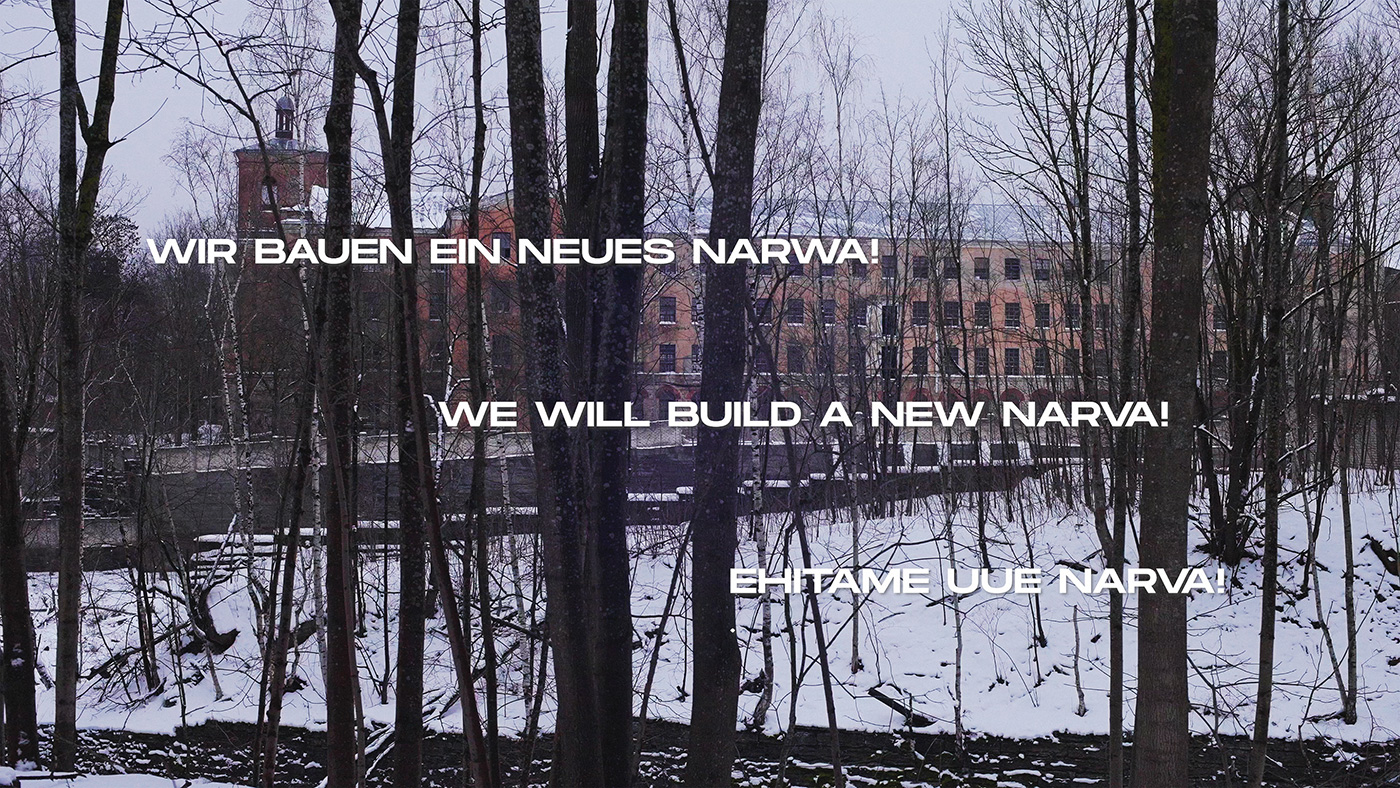
« Nii tuli lõpp / And Then Came The End » s’appuie sur l’expérience du prêtre catholique allemand Magnus Frey dans les camps de prisonniers de guerre de Narva, en Estonie, entre 1945 et 1946. Dans ce film, Siib montre les lieux de cette histoire à Narva tels qu’ils sont aujourd’hui, vidés de toute présence humaine — bâtiments délabrés et paysages hivernaux. La bande sonore intègre des fragments du quotidien décrits dans les mémoires de Frey : comment les prisonniers n’ont jamais reçu les quelques roubles promis, comment leurs couvertures chaudes leur ont été retirées avant l’hiver ; comment les prisonniers croyants parvenaient à confectionner du pain de communion malgré les conditions extrêmes ; et comment, affamés, ils se divertissaient en évoquant leurs plats préférés ou en recopiant leurs recettes favorites. Les extraits du journal de Frey sont disposés à l’écran, accompagnés d’images et d’une bande sonore musicale, composant un poème en prose à partir de matériaux documentaires. La valeur d’une telle micro-histoire, qu’elle soit textuelle ou cinématographique, ne réside pas dans la révélation de grands événements ni dans l’interprétation des tournants historiques. Elle tient plutôt au fait que des anecdotes et fragments individuels peuvent servir de preuves vivantes, rendant l’histoire sensible et nous invitant à prendre au sérieux la souffrance et l’existence d’autrui — hier comme aujourd’hui. Par Teemu Mäki
Liina Siib est artiste visuelle, cinéaste et enseignante. Elle vit et travaille à Tallinn, en Estonie. Ses œuvres abordent des thèmes allant de la féminité et de l’espace social aux multiples formes que prennent les pratiques quotidiennes. Elle combine observations de terrain, archives, récits historiques, narrations circulant dans la société, approches psychanalytiques ainsi que théories contemporaines de l’art et du cinéma. Les personnages, espaces et situations qu’elle met en scène sont souvent ceux qui passent inaperçus en raison de leur banalité, ou qui ont été tus, marginalisés, oubliés. Dans son approche pluridisciplinaire, elle mobilise film, vidéo, photographie, installation, performance, ready-made, médias imprimés et livres d’artiste. Ses vidéos documentaires expérimentales et ses courts métrages mis en scène ont été présentés aussi bien dans des festivals de films d’artistes que dans des expositions en galerie, souvent sous des formes d’expanded cinema. En 2011, son projet A Woman Takes Little Space a représenté l’Estonie à la 54? Biennale d’art de Venise. Ses œuvres figurent dans plusieurs collections publiques et privées, notamment au Musée d’art d’Estonie (Tallinn), au Neues Museum (Nuremberg) et au Moderna Museet (Stockholm).

Digna Sinke
Hemelsleutel
Film expérimental | dcp | | 94:48 | Pays-Bas | 2024
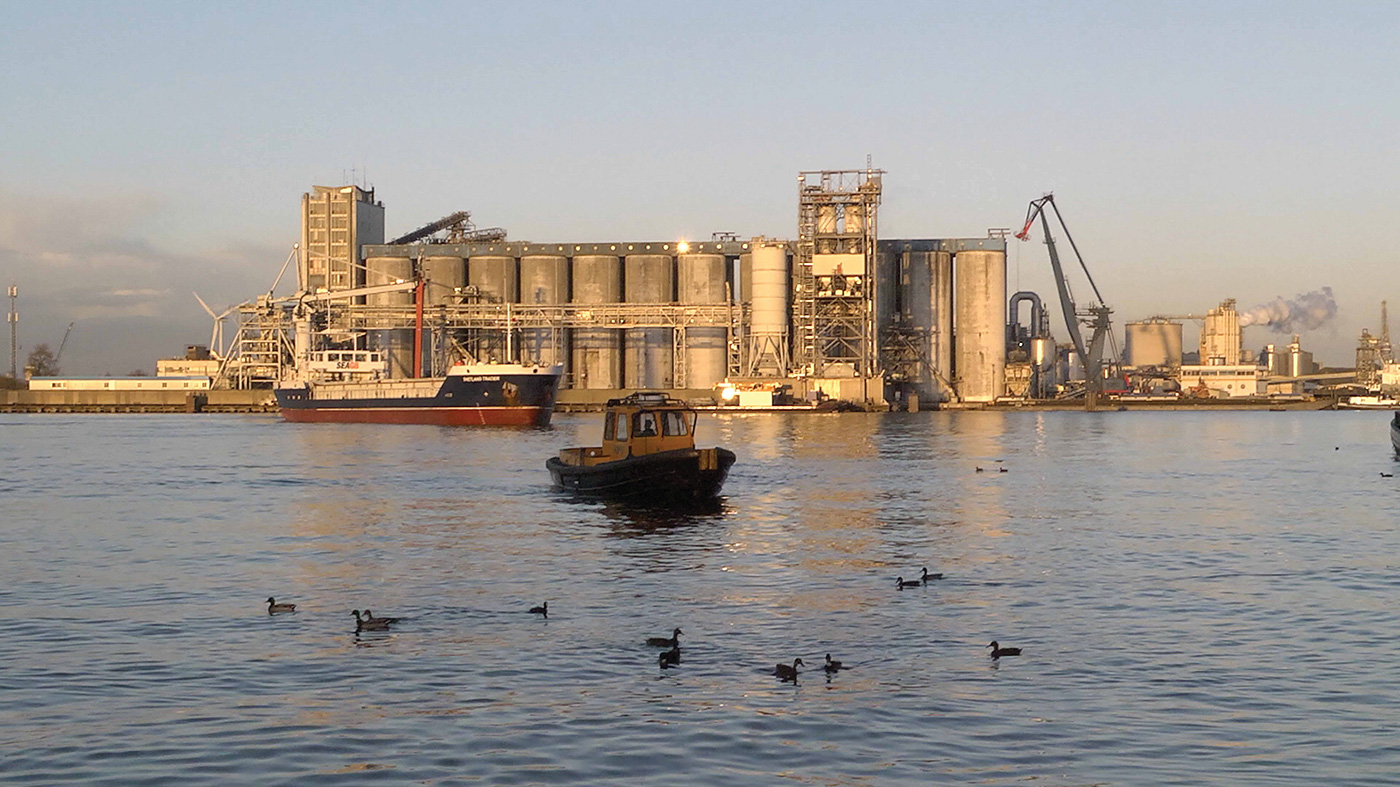
A quay with massive silos. Slowly, a huge bulk carrier berths to unload its cargo of soy beans. A woman’s voice says this could be the opening scene of a feature film in which photographer Lea has been commissioned to record the energy transition in the docks area of Amsterdam. We never get to see Lea, we just hear her voice, which is also the voice of the filmmaker. The filmmaker also reads out fragments of the film script, tries to find the images that will suit the feature film. On the principle that every transition is also a personal transition, two story lines are interwoven. On the one hand we see the docks area and the changes taking place there. On the other hand the film follows Lea, looking for the highest vantage point in the industrial area to find a new perspective. Growing older, she must begin to relate to the world anew, but also to herself. And come to terms with what hasn't gone right in her life. All she can do is embrace the chaos, with friendship and connection as consolation. There is no final goal, there will always be a longing.
Digna Sinke (Zonnemaire, 1949) graduated from the Dutch Film Academy in 1972 as writer/director of fiction films and documentaries. Her first long feature film De Stille Oceaan was selected for competition of the Berlinale 1984. In 2010 she completed her long term documentary project Wistful Wilderness (Nature & Nostalgie) about the transition of a small agricultural island into ‘wild’ nature. After the tone, a hybrid feature film, was selected for IFFR 2014. And her documentary Keeping & Saving or how to live ended up in the 4th place of the audience rating of IFFR 2018. Hemelsleutel (Key to Heaven) premiered at IFFR 2025. As a producer, she was involved in Kala azar by Janis Rafa (Tiger Competition IFFR 2020), and documentaries like Tanzania Transit (2018) by Jeroen van Velzen (Tribeca 2012). In 2023, she received the Golden Calf for film culture. Viennale 2025 devoted a major retrospective to her.

Wantanee Siripattananuntakul
Making Shadows Speak
Vidéo | 0 | couleur | 14:59 | Thaïlande | 2025
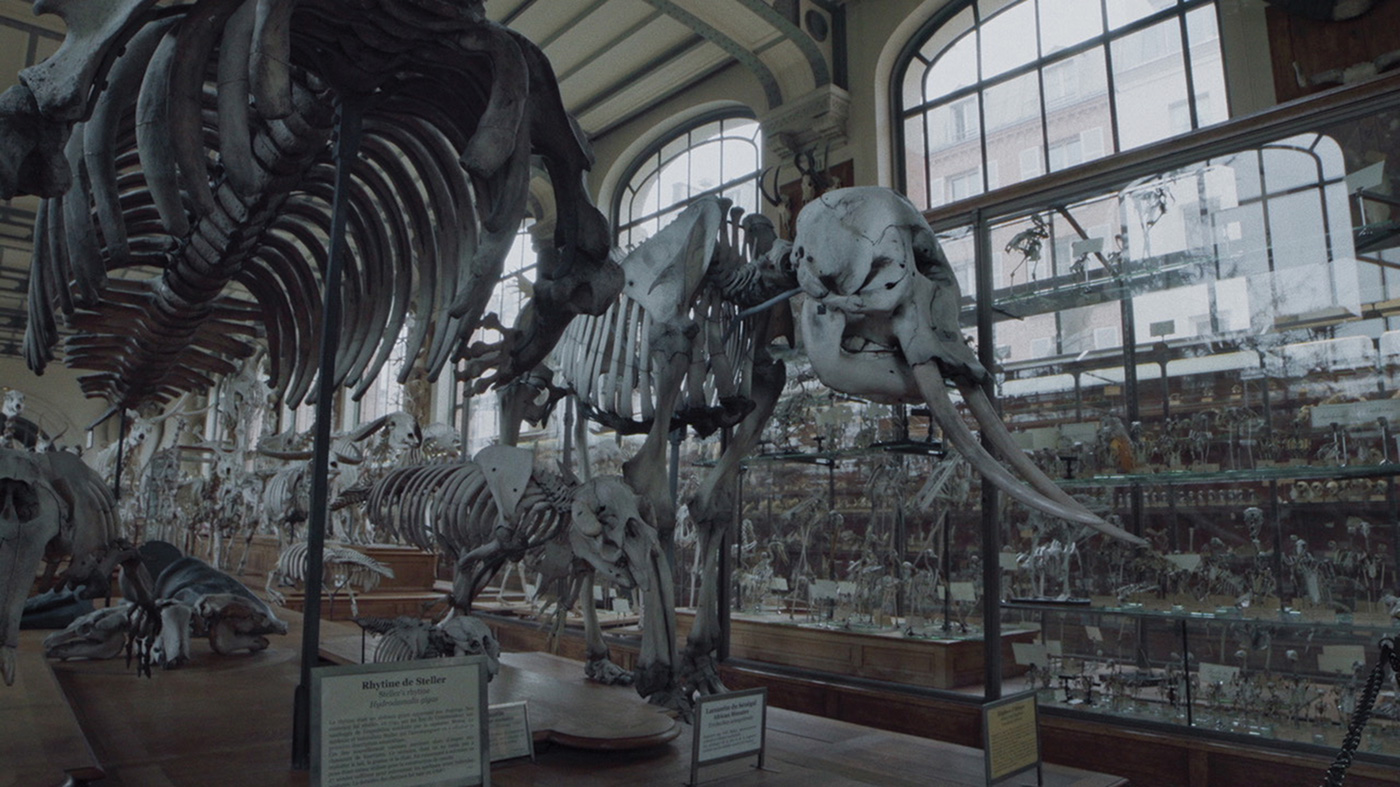
Making Shadows Speak (2025) is a 14:59-minute video essay tracing the afterlives of empire through shifting landscapes and silent witnesses. It weaves together ruins, bones, and the faint gestures of the living, meditating on how memory endures beyond the limits of speech—across species, time, and decay. The parrot’s quiet presence bridges these distances, resonating with other vanished lives and the echoes of power that once shaped them. As it moves through sites once marked by extraction and fragility, the film listens to what remains, allowing shadows themselves to speak of what endures.
Wantanee Siripattananuntakul is a multidisciplinary artist whose practice encompasses video, installation, and text, exploring memory, elusive presences, and shifting political terrains. Working between Bangkok and international residencies, her work reflects on the quiet forces that shape how we remember, witness, and endure. She has represented Thailand at the 53rd Venice Biennale (2009) and participated in significant exhibitions, including the Thailand Biennale (2023), Tokyo Biennale (2023), Anyang Public Art Project (2023), BIENALSUR (2021), and Bangkok Art Biennale (2022). Her works have been exhibited at Frieze London (2023), The Jim Thompson Art Centre, the Osage Foundation, and Galeria Presença. She is currently an artist-in-residence at Cemeti Institute for Art and Society in Yogyakarta, Indonesia, and will join Civitella Ranieri in Italy in 2026.

Frank Smith
LE FILM DU NON-LIEU
Film expérimental | mov | | 20:0 | France | 2025
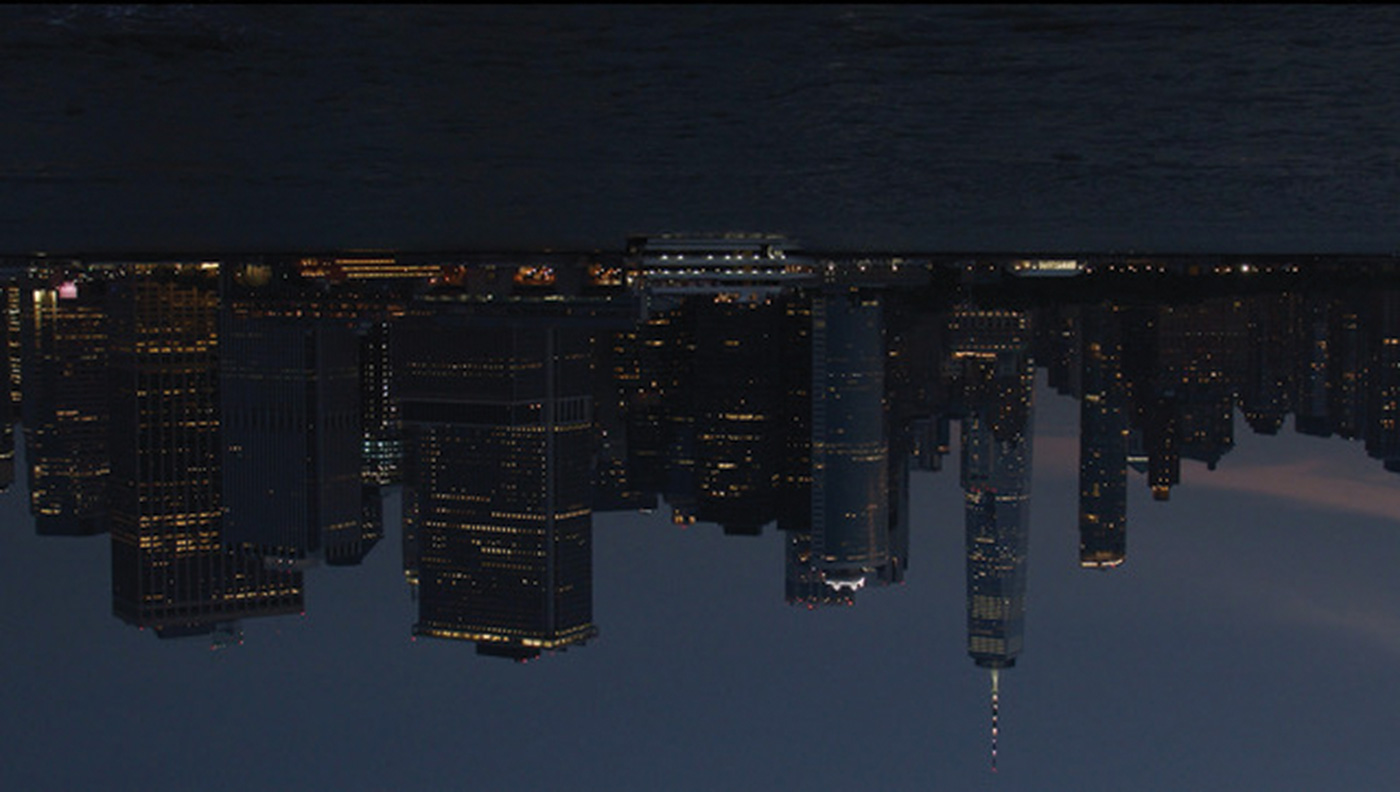
Le Film du non-lieu 20 minutes, 2025 Un film de Frank Smith Voix et présence Rodolphe Perez Image Arnold Pasquier & Frank Smith Montage Frank Smith & Arnold Pasquier Son, partition et création musicale originale Philippe Langlois Mouvement chorégraphique Mylène Benoit Production Même si & Sans Production Comment nous représenter ce monde qui nous échappe, non parce qu’il est insaisissable, mais parce qu’au contraire il y a peut-être trop à saisir. A partir d’une série de plans fixes (tournés sur les bords de Salton Sea, Californie, et aux confins de Malaga) pour tenter d’épuiser des lieux abandonnés, la réapparition pleinement visible d’une pluralité de dehors désertés les plus lointains coexiste ici avec le dedans le plus profond d’une présence humaine au sein d’une image audio-visuelle qui prend forme dans un dédoublement. Un texte est dit en surimpression avec les images. Parfois l’acteur qui n’agit rien, figure et dit ce qui ne peut être vu. Alors quoi ? On le revoit à la fin dans la même position que dans les milieux du film mais dans un ailleurs et là on danse et c’est la danse du non-lieu, et là on danse ce qui ne peut plus coller au sol et qui ne peut plus coller à la terre pour recommencer ailleurs, peut-être sur une autre terre et sur un autre sol. Un film de « cinéma primitif », à la recherche de ses propres règles, en quête d’une nouvelle orientation, à partir de la voix et du corps et non plus de l’image seule.
Hors pistes (Centre Pompidou, Paris) Frank Smith est écrivain et réalisateur. Il a longtemps été producteur à France Culture où il a dirigé l’Atelier de création radiophonique (2001-2011). Travaillant les notions de « poésie forensique » et de « cinéma de poésie », Frank Smith est le créateur du Bureau d'Investigations Poétiques depuis lequel il explore les jonctions s’exerçant entre Poésie, Politique et Image au moyen de livres, de films, d’installations, d’expositions. Auteur d’une trentaine de livres, il a réalisé une douzaine de films présentés dans de nombreuses institutions et festivals dans le monde (Collection Lambert Avignon, Louvre-Lens, CAC La Maréchalerie Versailles, Musée des arts déco. Bourges, Pera Museum Istanbul, Station Beyrouth, Steven Kasher Gallery New York, Centre de la photographie Genève, Fondation Boghossian Bruxelles, Fondation Michalski Lausanne, MOCA Los Angeles, États généraux du film documentaire Lussas, Côté Court Pantin, Festival de Sapporo Japon, de Jaipur Inde, etc.) et tous montrés au Centre Pompidou, Paris. Dernières publications : Irak 24 heures, Créaphis, et Deleuze Memories, LanSkine, 2025. Dernier film : Un Film sans autrui, commande du Centre Pompidou dans le cadre de L’Inventaire Deleuze.
Adam James Smith
Phantoms Of The Rising Sun
Doc. expérimental | mov | couleur | 8:20 | Royaume-Uni, Japon | 2025
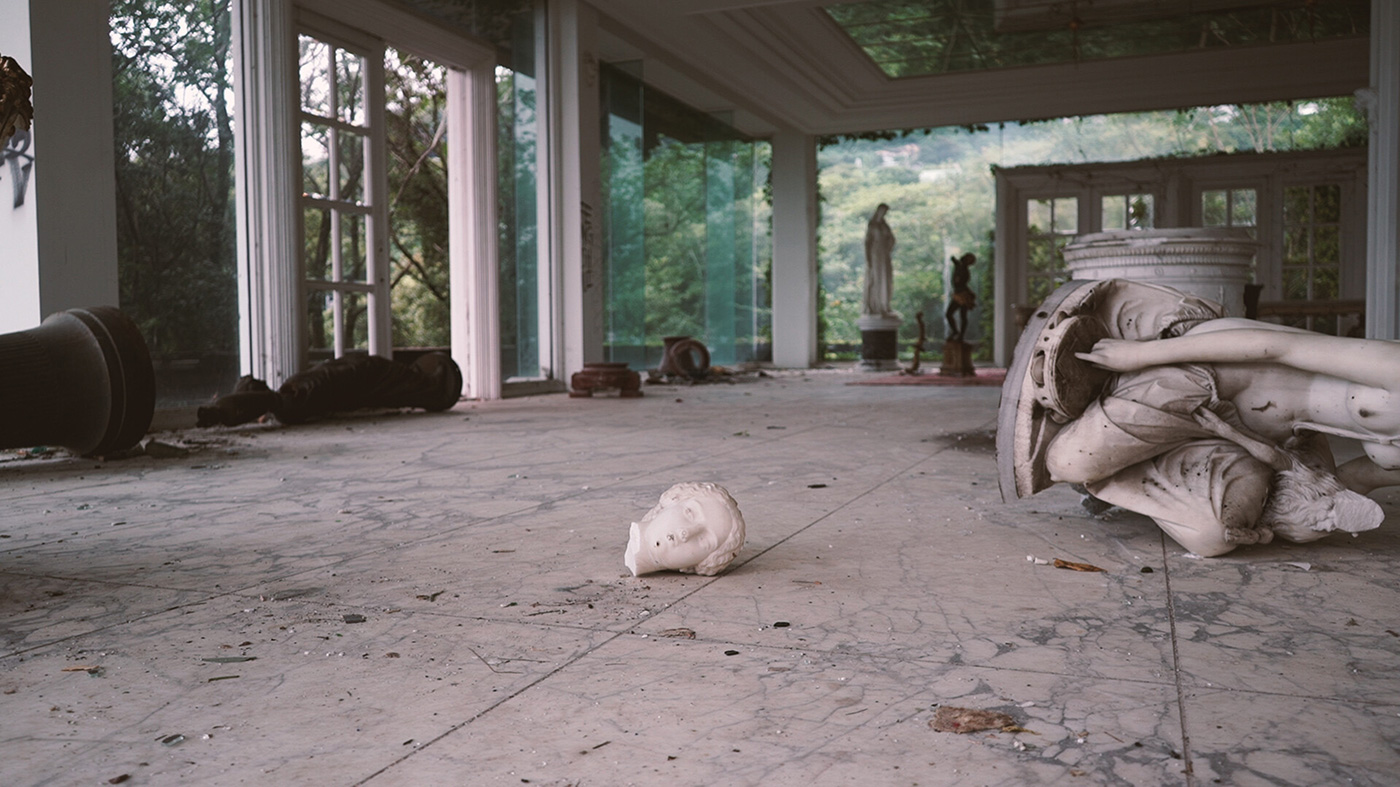
Les espaces abandonnés d’un parc à thème western, d’un love hotel et du manoir d’un milliardaire reprennent vie sous l’envahissement des plantes, la présence des animaux, la pluie de fin d’été et les traces hantées d’anciennes habitations humaines.
Adam James Smith est un cinéaste britannico-américain basé à New York. Sa pratique cinématographique s’étend aux environnements ruraux et urbains de Chine, du Japon et des États-Unis. Adam a étudié le cinéma à Stanford et l’anthropologie à Cambridge, université à laquelle il est actuellement affilié, au sein du Visual Anthropology Lab.

Giulio Squillacciotti
Mut
Documentaire | 0 | couleur | 18:0 | Italie | 2024
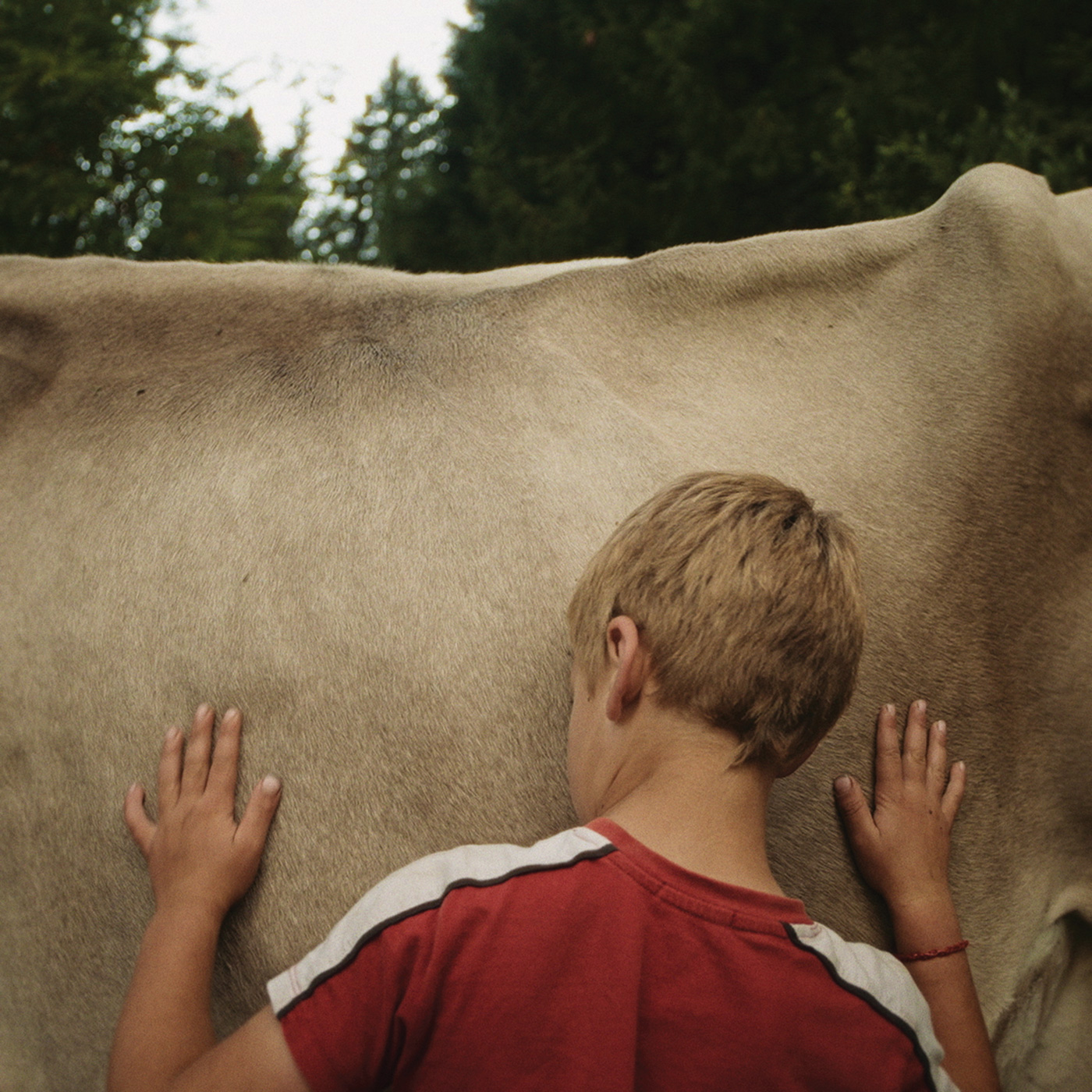
Mut (mountain in the dialect of Bergamo) is a day in the highlands, an allegory for a centuries-old summer tradition of life across mountain pastures. Through the eyes of two young herders and their parents, the cyclical rhythm of life becomes a universal testament to the enduring bond between humans and animals, revealing a kinship molded by gestures, silences, and affection, deeply embedded within the surrounding natural world.
Giulio Squillacciotti (Roma 1982) is an artist and film director. His work is based on the investigation of possible narratives, the sophistication of real events of historical-anthropological matrices and the way traditions take new forms by changing context. He studied Medieval Art History in Barcelona and Rome before obtaining a Master’s degree in Visual Arts at the IUAV in Venice. He was a Fellow Resident at the Jan Van Eyck Academie in Maastricht where he developed a project on the fictitious end of Europe and the loss of the shared identity of a political project. He recently received MEDIA Creative Europe and Screen Ireland funds to develop a feature film co-produced by Italy, Ireland and Poland.
Maryam Tafakory
Razeh-Del
Doc. expérimental | mov | couleur | 27:47 | Iran | 2024
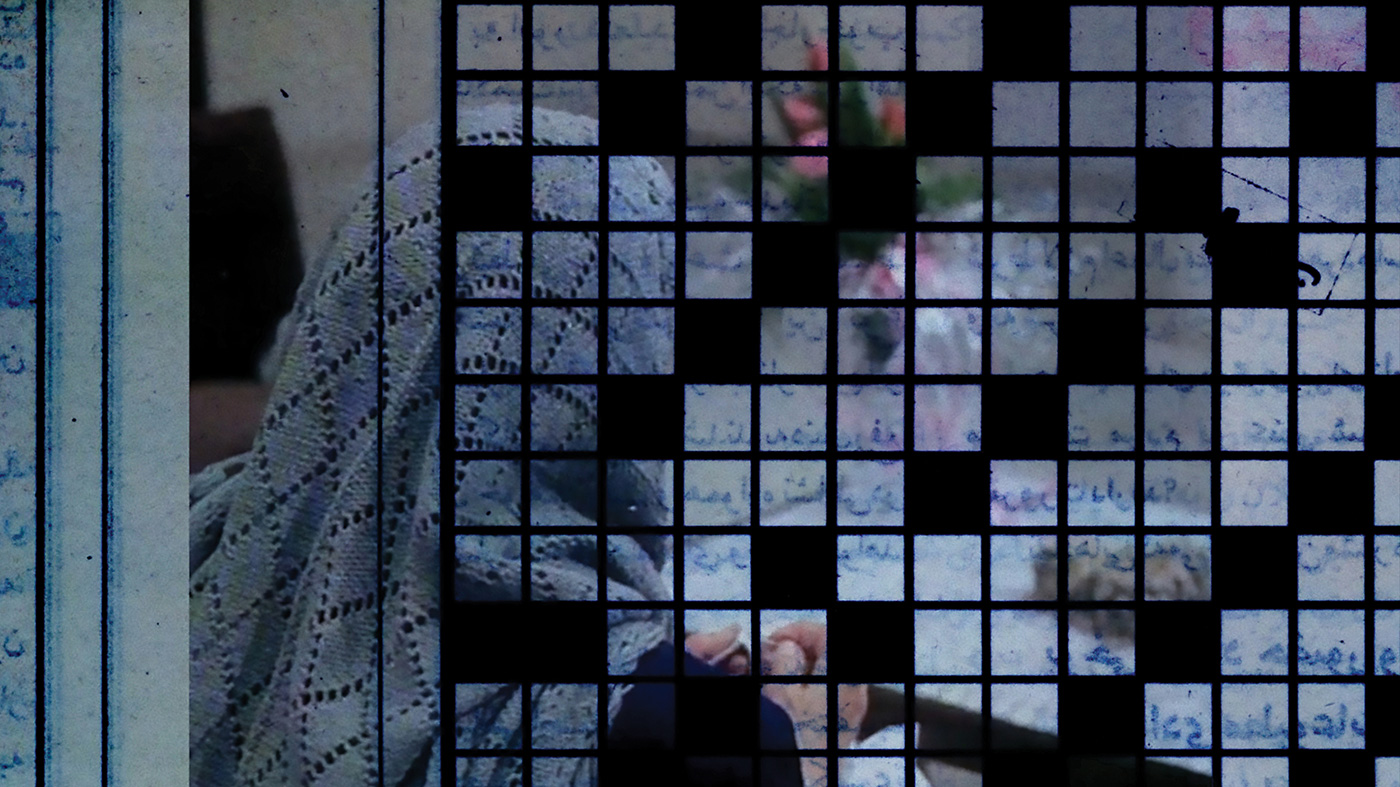
En 1998, deux écolières ont envoyé une lettre au premier journal féminin d’Iran. Dans l’attente d’être publiées, elles ont imaginé un film impossible. À travers citations et interventions sur l’image, Razeh-del traverse des histoires parallèles de guerres menées contre les images des femmes.
Maryam Tafakory, née et élevée en Iran, travaille entre le film et la performance. Des projections monographiques de ses œuvres ont été présentées notamment au MoMA, au BOZAR, à la National Gallery of Art à Washington D.C., et à l’Academy Museum, entre autres. Parmi les expositions collectives sélectionnées figurent le Tate Modern, la Quinzaine des Réalisateurs à Cannes, le New York Film Festival, le Festival de Locarno et le Festival international du film de Toronto. Elle a reçu le Gold Hugo au 58e Festival international du film de Chicago, le Tiger Short Award au 51e IFFR, ainsi que le Prix du Meilleur Film Expérimental aux 70e et 71e MIFF. Elle a été la lauréate 2024 du Film London Jarman Award.

Rebecca Taouk
Au Fil de l'Eau
Documentaire | dcp | couleur | 22:45 | Liban | 2024
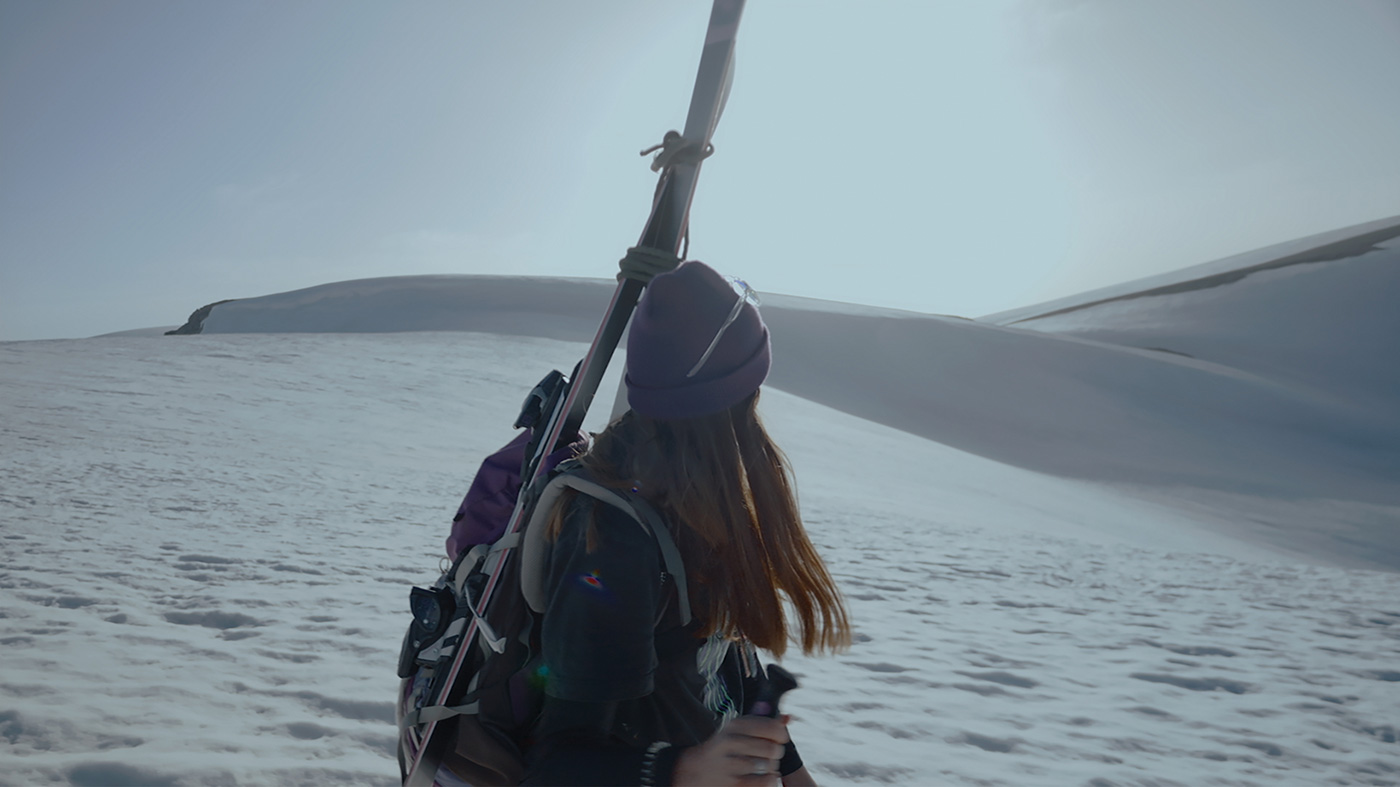
Du sommet le plus élevé du Liban jusqu'à la mer, l'eau porte les histoires de connexion et de transformation. Au fil de l'eau est un voyage contemplatif à travers les vies de Samir, Hisham, Antoine et Ghiwa, dont les liens avec la nature, à travers la mer, les rivières et les montagnes, reflètent un besoin commun de la protéger. À travers un regard transformateur, le film reflète la profonde sensibilité de leurs relations avec le monde naturel.
Rebecca Taouk est une réalisatrice documentaire belgo-libanaise basée à Bruxelles. Elle s’est installée en Europe en 2017 pour poursuivre sa carrière cinématographique et a intégré le programme Docnomads, le master itinérant en réalisation documentaire. Dans sa recherche cinématographique, elle explore les thèmes du corps, du deuil, de l’identité et du lien. Son dernier court-métrage, Au Fil de l’Eau, met en avant l’importance de la préservation de la nature et de l’eau à travers un voyage contemplatif suivant le cours de l’eau.
Wey Yinn Teo
latex labyrinth
Vidéo expérimentale | mov | noir et blanc | 12:38 | Malaisie | 2025
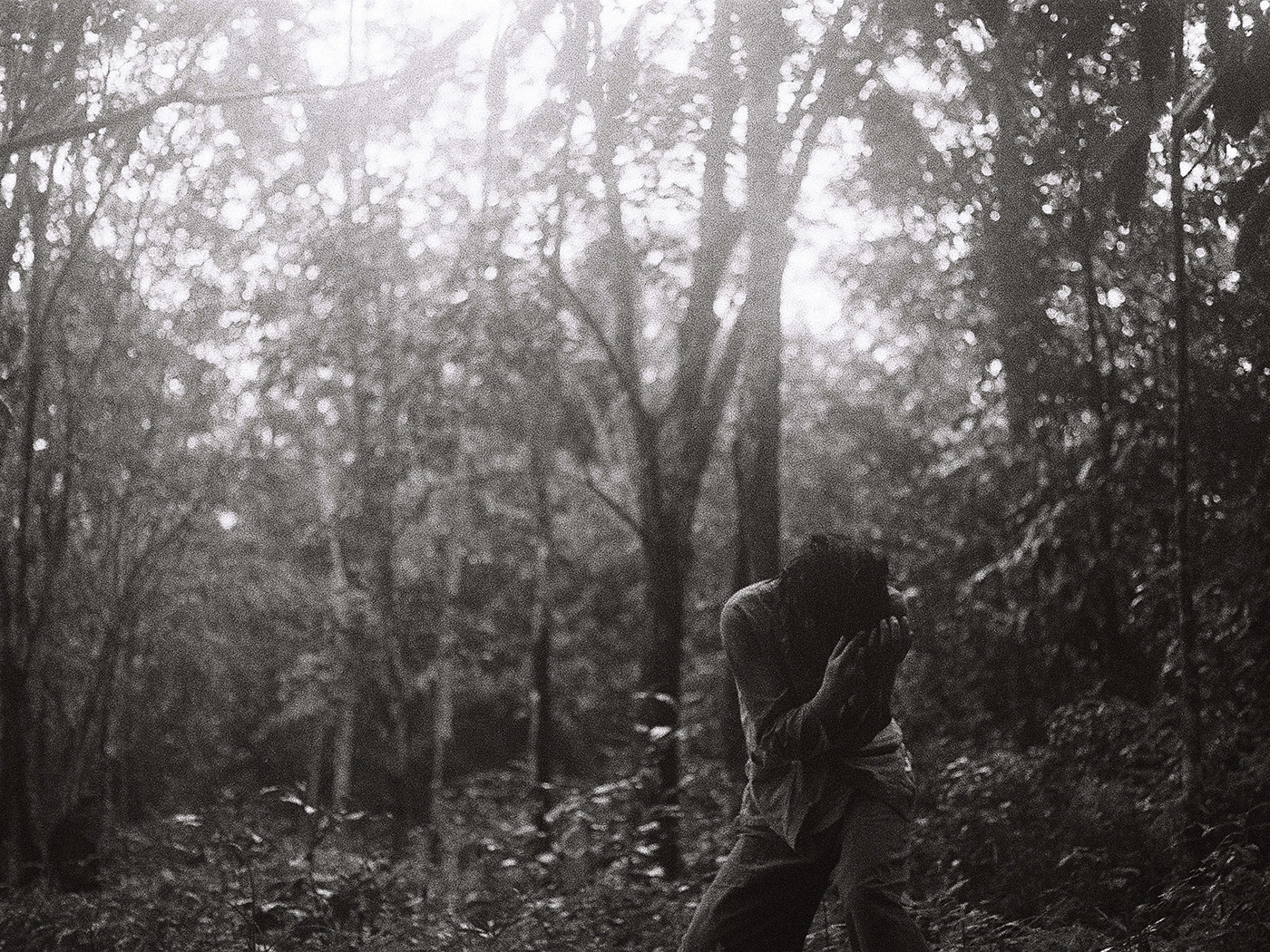
Un vieil homme se réveille dans une plantation de caoutchouc déboisée et se retrouve plongé dans le passé colonial. Une vieille chanson folklorique lointaine résonne alors qu'il tombe dans la boucle éternelle de la récolte du caoutchouc.
Wey Yinn Teo est une cinéaste basée à Kuala Lumpur. Son travail s’éloigne souvent des sphères du réel et de la vérité, explorant le deuil, l’aliénation et le spectre de l’expérience humaine. En parallèle de sa pratique du son et de la musique, son premier court métrage, Enflightenment (2023), a remporté le Prix du Public au Short Waves Festival en Pologne, et a poursuivi sa circulation dans des festivals tels que Leiden Shorts, EXPOSED Queer Film Festival Berlin, et d’autres encore. Latex Labyrinth a récemment connu sa première internationale au Ji.hlava IDFF et a remporté le prix du Best Dance Video à Eye Catcher Global 2025, Hong Kong.

Marina Thomé, -
Céu Vermelho
Installation vidéo | mov | couleur | 70:0 | Portugal | 2024
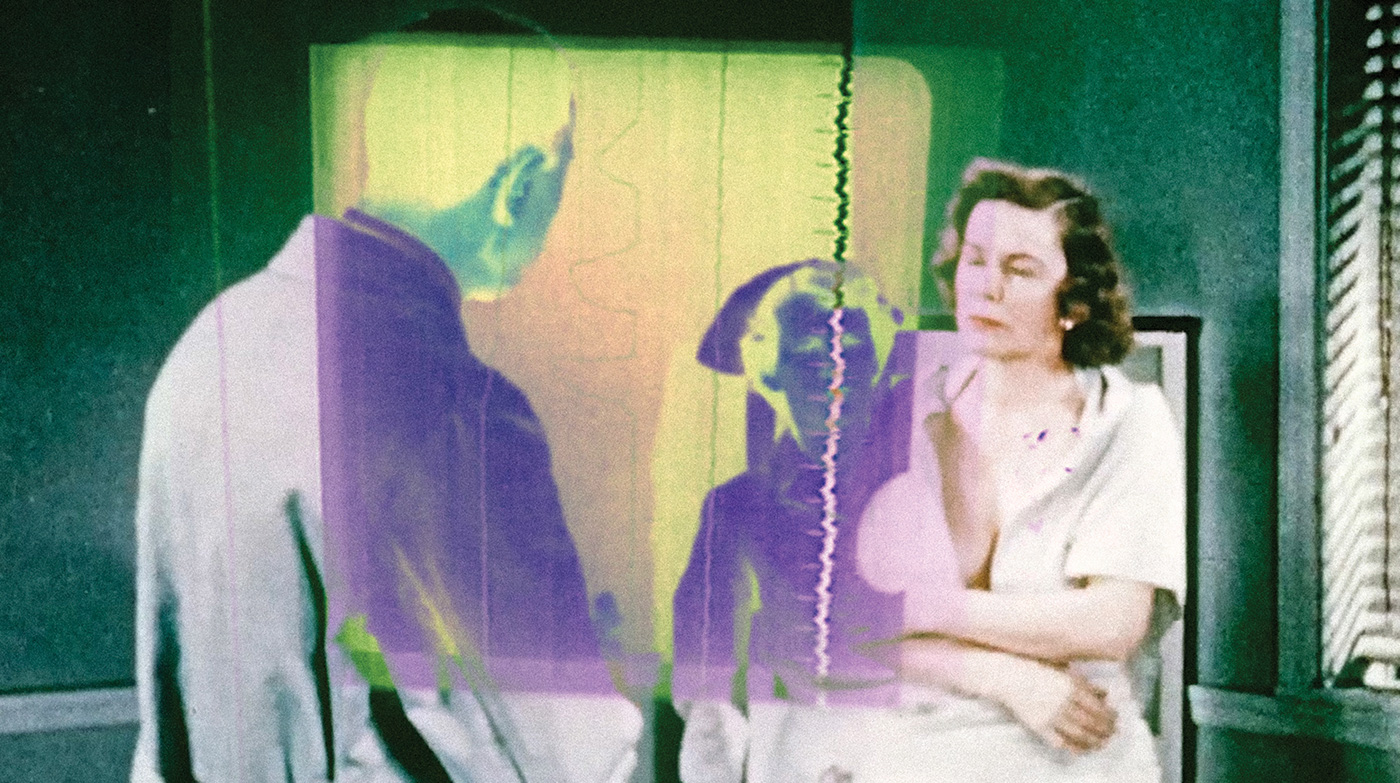
The imagery archival of breast cancer became subject to a critical examination and reevaluation in an artistic approach. On the one hand, the personal experience, on the other, the volcanos, a powerful allegory. They encounter each other in a provocative feminist reread of archival medical images. By remixing these images and juxtaposing them with personal and contemporary experiences, the film subverts their original messages bringing embodiment back to patients. Merging artistic practice and social activism, Red Skies brings together aesthetics and political investigation. It conveys the relationship between archival scientific media and personal breast cancer experience engaging with a wide variety of issues related to women’s health.
www.marinathome.com.br Marina holds a master degree in Creative Documentary (Universitat Autònoma de Barcelona) and studied photojournalism at International Center of Photography (NYC). Her work took part in festivals in France, Portugal, Spain, and elsewhere, including BAFICI (AR), Biarritz Amérique Latine (FR), and Krakow Film Festival (PL). She directed 2 award-winning documentary films. "What I've never lost", premiered in 2021 at the Buenos Aires International Festival of Independent Cinema (BAFICI), was released theatrically in Brazil and Portugal, broadcasted in public TV, and holds 2 nominations for the Brazilian Society of Cinematographers Award (ABC). “The sound of bells” (2016), was broadcasted in public TV and is distributed internationally by Boston-based Documentary Educational Resources (USA). In 2021, she was honored as part of the Santiago International Film Festival, in the “Directoras en Foco” session at Chile. Currently Head of Industry and Development at DocLisboa International Film Festival, she co-directs ESTUDIO CRUA, a documentary production company based in Lisbon and São Paulo.
Nicolas Thomé Zetune, Felipe André Silva
Minhas férias
Fiction expérimentale | 0 | couleur | 16:36 | Brésil | 2025
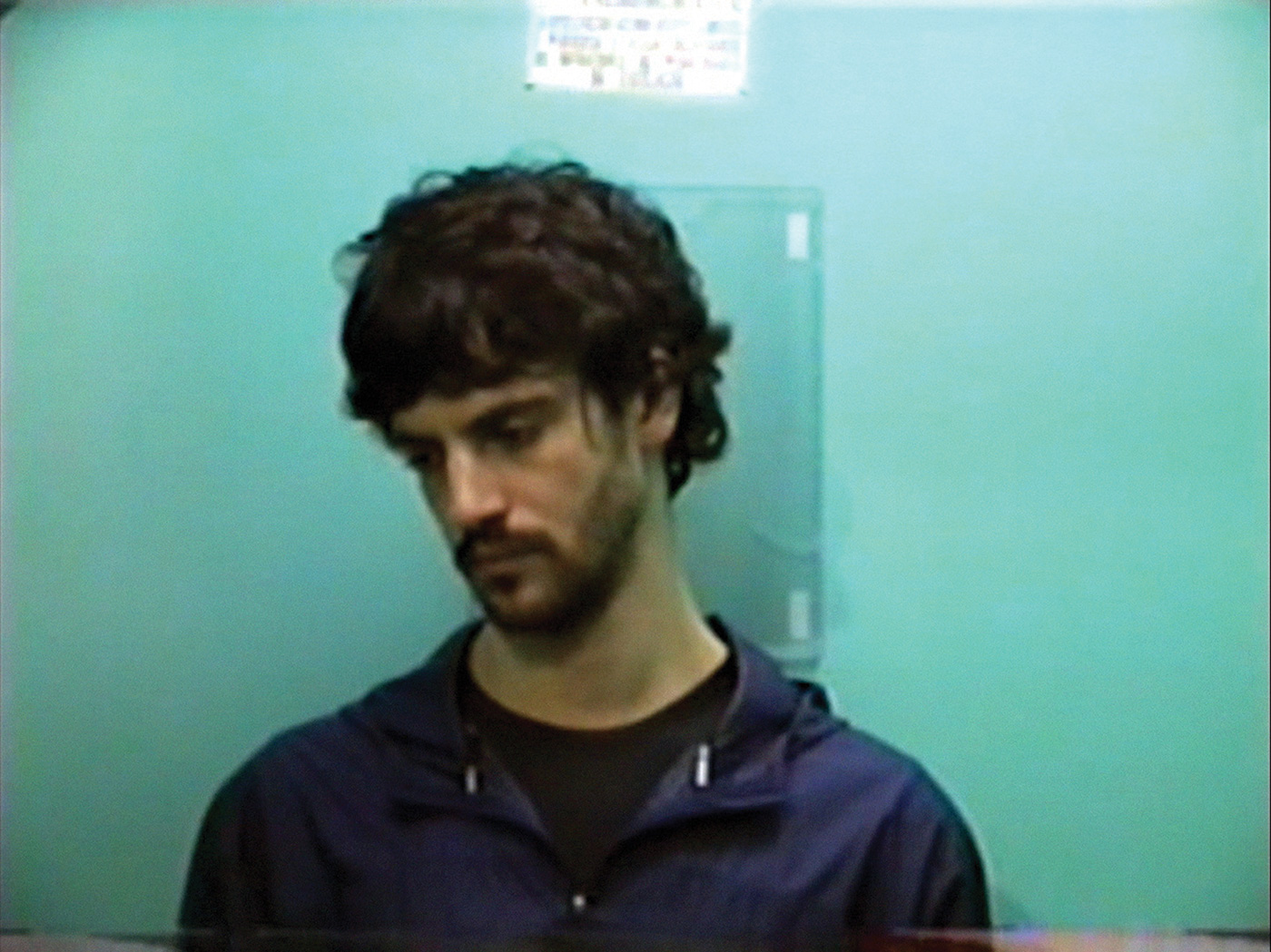
« Je viens tout juste d’arriver du futur, et là-bas les gens vont encore au cinéma. En y repensant, il vaudrait peut-être mieux commencer ainsi : Je viens tout juste d’arriver du futur, et là-bas les gens vont encore au cinéma. »
Nicolas THOMÉ ZETUNE (1993, Brésil) est un réalisateur basé à São Paulo. En 2012, il fonde la société de production FILMES DE AMOR. Ses courts métrages ont été présentés dans certains des plus grands festivals internationaux, dont l’International Film Festival Rotterdam. Son premier long métrage, O Pequeno Mal, a été présenté au FID Marseille en 2018. Son deuxième film, O Tubérculo, a fait sa première mondiale au 27? Festival de Tiradentes. En 2025, Nicolas est sélectionné pour Berlinale Talents Buenos Aires, un forum international de discussion et de développement de projets organisé en partenariat avec la Berlinale et le BAFICI – Buenos Aires International Independent Film Festival. Il prépare actuellement son troisième long métrage, Invisible Tunnel, un projet sélectionné au FIDLab (Marseille, France). Le tournage est prévu pour novembre 2026. Felipe ANDRÉ SILVA (1991, Recife) est cinéaste et poète. Il a signé notamment les longs métrages Santa Mônica (2015) et Passado (2020), ainsi que le court Cinema Contemporâneo (2019). Il travaille régulièrement comme programmateur pour le festival Janela Internacional de Cinema do Recife. En littérature, il a publié les recueils o escritor Xerxenesky et o autocad de Britney Spears, et dirige actuellement &legal edições, une micro-maison d’édition numérique dédiée à la poésie contemporaine.

Christopher Thompson
Foot To Ground
Film expérimental | 16mm | noir et blanc | 8:11 | USA | 2024
Minimalist frontiers proliferate from acquisition. Larping utopia, shedding skins, forging new luxury amidst shards of past lives. Embracing shadows, sculpting stagnant futures in the flicker of ancient flames.
Christopher Thompson (1990) is a contemporary American artist and filmmaker whose work examines desire, capital, and the seemingly supernatural forces that govern its acceleration. His films and video works have been featured in film festivals and exhibitions worldwide, including San Francisco Cinematheque’s CROSSROADS, London Short Film Festival at ICA London, Prismatic Ground, Athens International Film and Video Festival, Brooklyn Film Festival, San Diego Underground Film Festival, and Iowa City International Documentary Film. He holds an MFA from Washington University in St. Louis, where he studied video art and experimental film. Thompson lives and works in Brooklyn, NY.
Justin Randolph Thompson
From the Campidoglio to the Zoo
Film expérimental | super8 | couleur | 26:0 | Italie | 2023
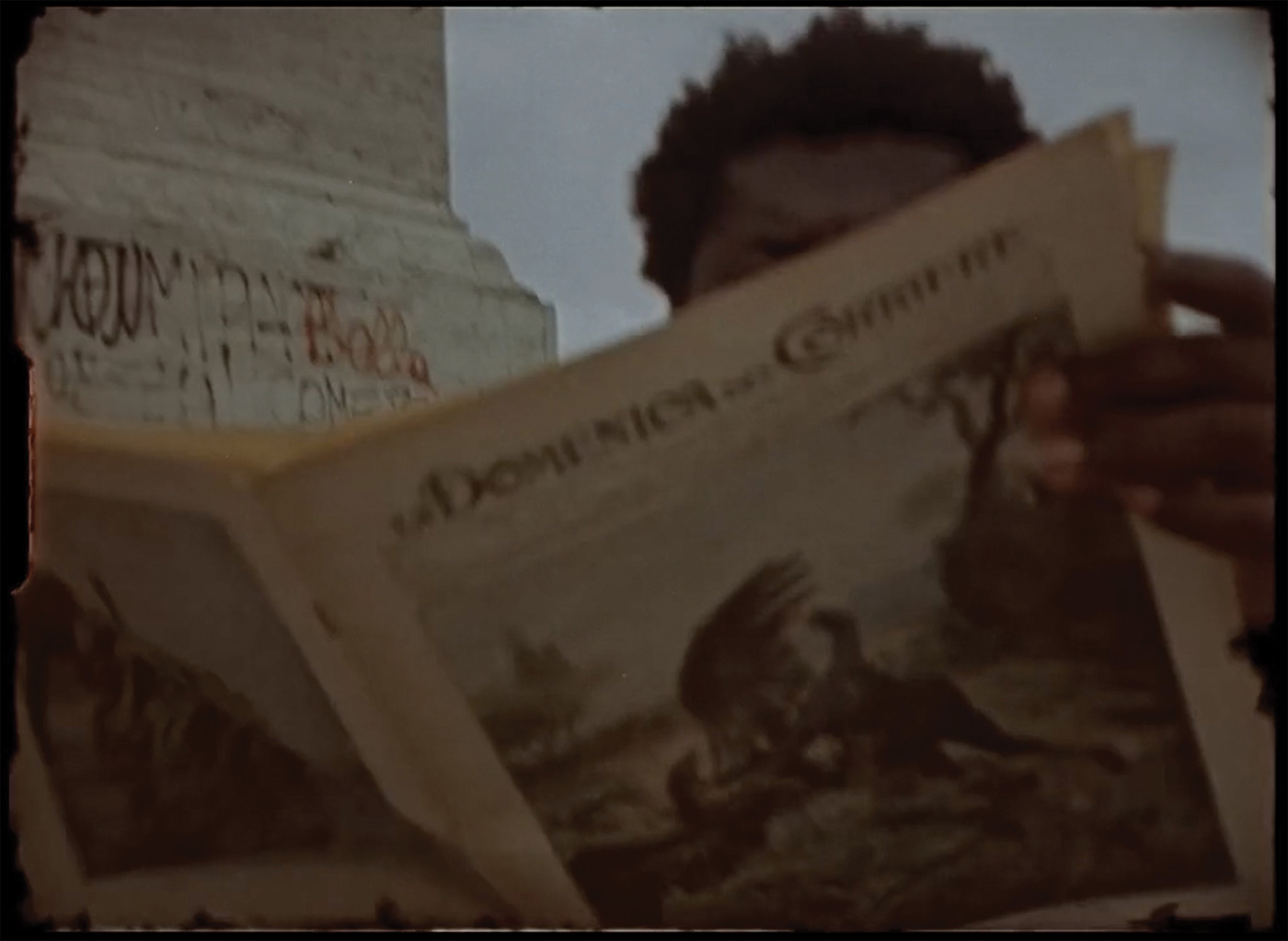
From the Campidoglio to the Zoo est une œuvre filmique et sonore qui examine la persistance de la colonialité dans l’Italie d’après-guerre, en s’appuyant sur le Ponte Flaminio, un pont conçu pour célébrer les aspirations fascistes et offrir une entrée cérémonielle dans la ville, construit après la Seconde Guerre mondiale à partir de la proposition initiale d’Armando Brasini. Le titre de l’œuvre est emprunté à un essai inédit de l’écrivain William Demby, rédigé comme une critique du Deuxième Congrès des Artistes et Écrivains Noirs de 1959 auquel il avait assisté. Ce congrès, dédié au développement d’une vision et d’une solidarité entre producteurs culturels afro-diasporiques, existait en contraste direct avec son organisation par l’Istituto Italiano per l’Africa. Le film est activé par une performance sonore en direct, enregistrée au Museo delle Civiltà à Rome, par Dudu Kouate et Justin Randolph Thompson, puisant dans l’essence de la négritude avancée en relation avec le congrès et dans la nature fragmentaire de l’unité noire globale. Le son a été produit à partir d’une série d’instruments appartenant à la collection ethnographique du Musée Pigorini à Rome, conservée au Museo delle Civiltà. C’était la première fois que ces instruments étaient joués depuis leur intégration dans la collection, dans certains cas, depuis plus de cent ans. L’œuvre a été réalisée avec le soutien de la British School at Rome et du Museo delle Civiltà.
Justin Randolph Thompson est un artiste, facilitateur culturel et enseignant, né à Peekskill, dans l’État de New York, en 1979. Il partage sa vie entre l’Italie et les États-Unis depuis 1999. Thompson est lauréat d’un MAP Fund Award 2024, d’un Creative Capital Award 2022, d’une Italian Council Research Fellowship 2020, d’un Louis Comfort Tiffany Award, d’un Franklin Furnace Fund Award, d’une Visual Artist Grant de la Fundación Marcelino Botín, ainsi que d’une Emerging Artist Fellowship de Socrates Sculpture Park, entre autres distinctions. Ses œuvres et performances ont été largement présentées dans des institutions telles que le Whitney Museum of American Art, le Centro de Arte Reina Sofía, et The American Academy in Rome, et figurent dans de nombreuses collections, dont le Studio Museum in Harlem et le Museo MADRE. Sa vie et son travail cherchent à approfondir les discussions autour de la stratification socioculturelle et de l’« arrogance de la permanence », en mobilisant des communautés temporaires et fugitives comme formes monumentales, et en développant des projets reliant discours académique, activisme social et stratégies DIY de mise en réseau, au sein de rassemblements annuels ou biennaux, de partages et de gestes de collectivité.
Aidan Timmer
Tarik en Ik
Doc. expérimental | 4k | couleur | 21:48 | Pays-Bas, Belgique | 2025
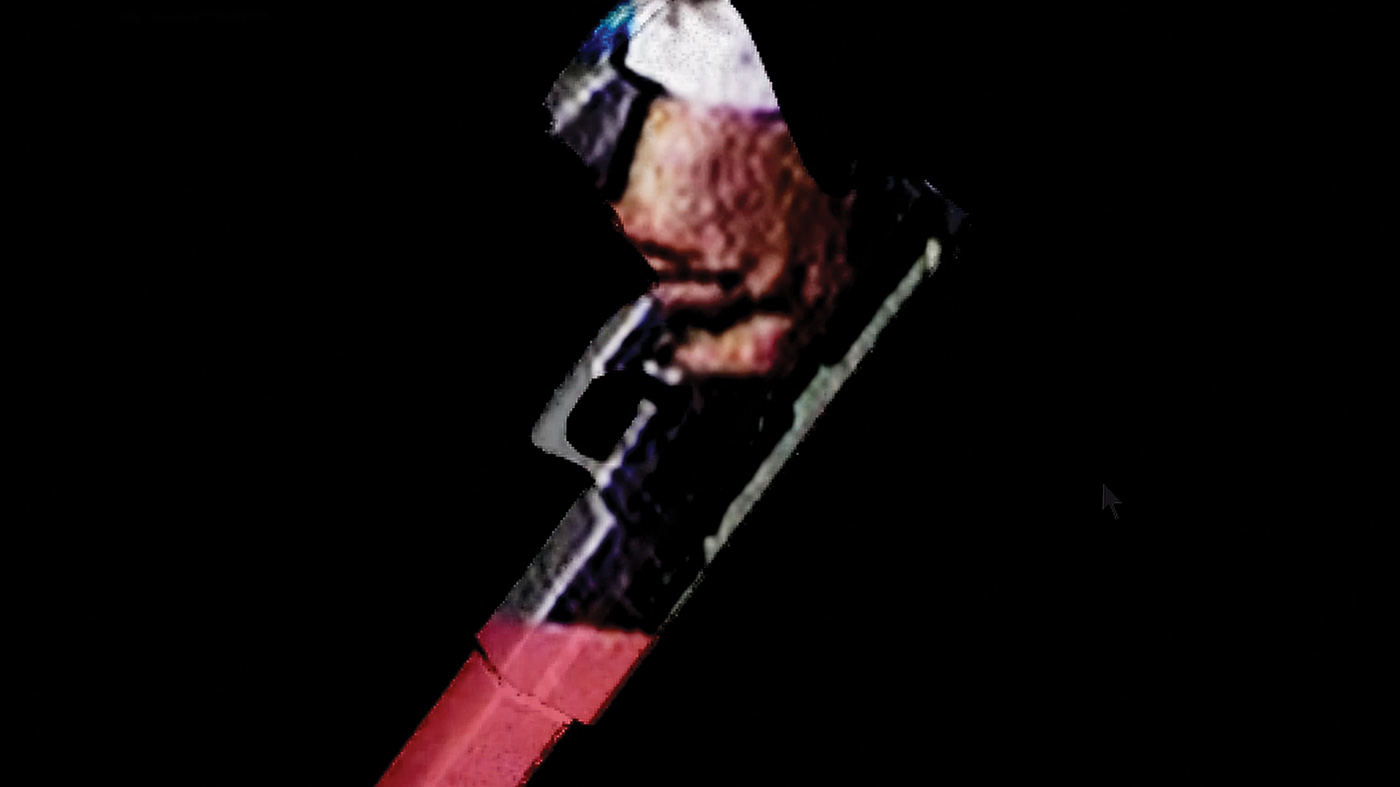
En revisitant les images d’un détournement survenu lors du journal télévisé national néerlandais, en 2015, Aidan Timmer, qui a désormais le même âge que l’auteur des faits, réfléchit à cet événement. En regardant le jeune homme peiner à réciter une lettre en direct à la télévision, Aidan se rapproche émotionnellement du garçon qui avait pris son père en otage.
Aidan Timmer (né à Amsterdam, Pays-Bas) développe un travail principalement ancré dans le champ audiovisuel. Il s’est plongé de plus en plus profondément dans le documentaire, l’essai filmique et les formes hybrides. La plupart de ses films ou de ses œuvres naissent d’une fascination obsessionnelle pour tout ce qui tente de transmettre une vérité ou une forme de véracité. Il envisage ses films comme des explorations essayistiques de l’objectivité et de l’illusion d’impartialité. Tarik en Ik met en scène la relation émotionnelle et obsessionnelle avec une peur issue du passé.
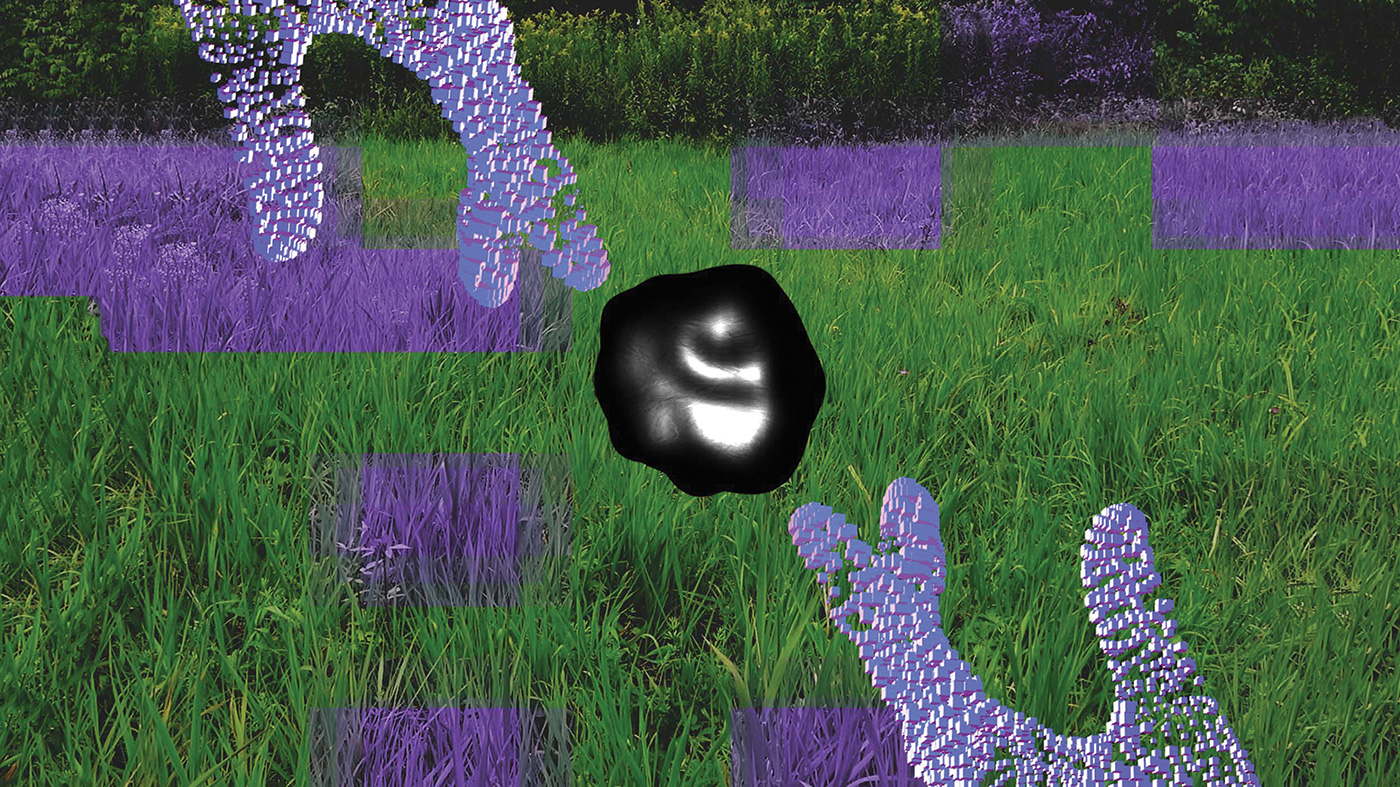
Traumazone
Strings
Concert multimédia | mov | couleur | 19:35 | Allemagne | 2025
Project Strings est une performance audiovisuelle en direct et un essai vidéo du duo artistique TraumaZone. Le projet s’appuie sur le livre Staying with the Trouble de Donna Haraway, où l’autrice réfléchit à la manière dont idées, êtres et mondes s’entrelacent comme les fils du jeu de la ficelle (Cat’s cradle). Partant de ces jeux de ficelles comme principe central, Strings aborde les notions de coexistence entre humains et non-humains au sein d’un même système social. Au fil du récit, la grille solide des connexions se dissout progressivement, laissant émerger la fluidité comme principe fondamental de coopération. La performance conjugue des visuels réactifs — en direct et préenregistrés — et un dispositif sonore live incluant une boucle de 20 secondes issue des radiations électromagnétiques émises par un panneau solaire, combinée à des fragments d’émissions AM enregistrées lors d’une résidence artistique en milieu rural bavarois. L’essai vidéo propose une version condensée du matériau, avec un rythme narratif plus énergique. Project Strings invite le public dans un paysage méditatif où sons et images œuvrent de concert à défaire les structures rigides et à embrasser des modes d’existence plus fluides et interdépendants.
TraumaZone est un duo de live-coding basé à Berlin, composé de Ksenia Sova, artiste vidéo, et de Fyodor Stepanov, designer sonore. Leur démarche vise avant tout à politiser la communauté artistique en mettant en lumière des questions essentielles et en créant un espace sûr pour la discussion. Ksenia Sova (they/them) est une artiste média basée en Allemagne. Iel a étudié l’art médiatique à l’Académie des beaux-arts de Leipzig. Son travail s’intéresse particulièrement aux expériences d’aliénation, d’isolement et d’anxiété vécues par un corps queer au sein d’environnements numériques. Iel recourt à une approche du cinéma élargi pour créer des œuvres temporelles présentées lors d’expositions individuelles ou collectives. Fyodor Stepanov (he/they) est un artiste sonore et compositeur basé à Berlin. Il se spécialise dans les œuvres électroacoustiques destinées aux installations interactives, aux performances audiovisuelles et à la vidéo. Sa pratique est portée par les notions de transience, de non-linéarité et d’ambiguïté inhérentes au sonore. L’approche qu’il a développée au cours de la dernière décennie combine algorithmes génératifs, fragments de radiodiffusion, enregistrements de terrain et écoute électromagnétique pour produire des paysages acousmatiques étranges, évoluant lentement sur de longues durées.

Yuliya Tsviatkova
In the animal's skin
Film expérimental | mov | couleur et n&b | 14:10 | Biélorussie, Pologne | 2025
J’ai rêvé que je devenais un animal. Je pouvais franchir la frontière librement, à travers la forêt. J’entrais sur cette terre sans être vu — cette terre qui me manque et me fait peur à la fois. J’y ai rencontré ma grand-mère, que je n’ai pas vue depuis plusieurs années. Elle ne m’a pas reconnu, mais nous nous tenions très proches l’un de l’autre, en silence. In the Animal’s Skin explore la frontière entre la Biélorussie et la Pologne, qui traverse la forêt ancestrale de Bia?owie?a — un sanctuaire protégé devenu un lieu de murs, de détentions et de peur. Le mur n’arrête pas seulement les réfugiés : il divise les habitats animaux et perturbe des routes migratoires millénaires. À Bohoniki, un village tatar proche de la frontière, la communauté tatar locale enterre avec une dignité silencieuse les réfugiés retrouvés dans la forêt — un contraste saisissant avec l’abandon politique. Le film réfléchit aux frontières, à la violence, et aux liens fragiles entre humains, animaux et forêt — cette forêt qui demeure témoin muet.
Yuliya Tsviatkova (née en 1993, Biélorussie) est une artiste visuelle et cinéaste basée en Allemagne. Forte d’une double formation en microbiologie et en arts plastiques, elle aborde l’image en mouvement comme un espace où l’observation scientifique rencontre la poétique. Son travail explore l’écologie, la mémoire et les traumatismes politiques à travers des récits non linéaires, souvent centrés sur l’exil, la violence environnementale et l’enchevêtrement des vies humaines et non humaines.


Charlie Tweed
Elemental Feelings
Vidéo | 0 | couleur | 4:0 | Royaume-Uni, 0 | 2025
The film makes reference to Raymond Williams’ concept ‘structures of feeling’, which is identified as an ‘active’, ‘flexible’, ‘temporal present’, and applies this to the operations of the capitalocene, where technological infrastructures stretch their tentacles out over the whole earth implicating everything within their operations. Voiced by a posthuman lifeforce, the video outlines a plan for an all consuming form of future machine: “We are the assemblage of elemental feelings, orchestrating capture through our sensing machines.” It suggests a vast assemblage that goes beyond current notions of extraction to implicate diverse forms of material (flesh/rock/precious metals/skin/plants/soil) and their unique temporalities into its mechanism. This machine enables affective operations on bodies of all sorts to be implemented. In the work we see elemental processes operating across multiple temporalities, as Derek P. McCormack notes, they are within the domain of speculative forces and practice through which the elements are engineered, extracted, forged, manipulated, modified and purified as part of the generation of different forms of value. Thus bodies, subjects and worlds become affected by elemental processes operating across multiple spatialities and through this they arrive in a solution to affective experiences and they activate new forms of control.
Charlie Tweed is a media artist and researcher working across video, text, digital media and performance, developing works that interrogate the relation between human technologies and the earth, considering notions of control, extraction, waste and more than human intelligence. In his work, he employs strategies of re-appropriation and speculative fiction, often taking on personas of anonymous collectives and hybrid machines, to outline speculative plans for future forms of technology and more than human relations. He has an MA in Electronic Media, an MFA in Art Practice from Goldsmiths College, London and a PhD in Art, he is the Subject Leader of Art at Bath School of Art, Film and Media. He has exhibited his works internationally with solo shows at The Stanley Picker Gallery, London; Spike Island, Bristol; Animate Projects, London and Aspex Portsmouth. Group shows and film festivals include: Rencontres Internationales (2019), HKW, Berlin; Oberhausen Short Film Festival, Germany; WRO Media Art Biennale (2017), Poland; Nunnery Gallery, London; Meetfactory, Prague; Whitechapel Gallery, London; ICA, London, CCA, Glasgow and Zentrum Paul Klee, Switzerland. Residencies and awards include: EarthArt Fellowship 2019-20, Earth Sciences, Bristol University; Wellcome Trust Large Arts Award (2015-17); AHRC Funding award (2011-17); Grizedale Arts Residency Programme (2005 and 2011); Sommerakaedemie, Zentrum Paul Klee (2008); Aspex Emergency 5 Winner 2011; Startpoint European Academies Award (2008); Whitstable Biennale (2008). His films have been screened internationally at venues including: ICA, London; CCA, Glasgow; Whitechapel Gallery, London; Watershed, Bristol; Plymouth Arts Centre; CAFA, Beijing; Quad, Derby; Eastside Projects, Birmingham; Castlefield, Manchester.
Charlie Tweed
Elemental Feelings
Vidéo expérimentale | mp4 | couleur | 4:5 | Royaume-Uni | 2025
The film makes reference to Raymond Williams’ concept ‘structures of feeling’, which is identified as an ‘active’, ‘flexible’, ‘temporal present’, and applies this to the operations of the capitalocene, where technological infrastructures stretch their tentacles out over the whole earth implicating everything within their operations. Voiced by a posthuman lifeforce, the video outlines a plan for an all consuming form of future machine: “We are the assemblage of elemental feelings, orchestrating capture through our sensing machines.” It suggests a vast assemblage that goes beyond current notions of extraction to implicate diverse forms of material (flesh/rock/precious metals/skin/plants/soil) and their unique temporalities into its mechanism.
Charlie Tweed is a media artist and researcher working across video, text, digital media and performance, developing works that interrogate the relation between human technologies and the earth, considering notions of control, extraction, waste and more than human intelligence. In his work, he employs strategies of re-appropriation and speculative fiction, often taking on personas of anonymous collectives and hybrid machines, to outline speculative plans for future forms of technology and more than human relations. He has an MA in Electronic Media, an MFA in Art Practice from Goldsmiths College, London and a PhD in Art. He has exhibited his works internationally with solo shows at The Stanley Picker Gallery, London; Spike Island, Bristol; Animate Projects, London and Aspex Portsmouth. Group shows and film festivals include: Rencontres Internationales (2019), HKW, Berlin; Oberhausen Short Film Festival, Germany; WRO Media Art Biennale (2017), Poland; Nunnery Gallery, London; Meetfactory, Prague; Whitechapel Gallery, London; ICA, London, CCA, Glasgow and Zentrum Paul Klee, Switzerland. Residencies and awards include: EarthArt Fellowship 2019-20, Earth Sciences, Bristol University; Wellcome Trust Large Arts Award (2015-17); AHRC Funding award (2011-17); Grizedale Arts Residency Programme (2005 and 2011); Sommerakaedemie, Zentrum Paul Klee (2008); Aspex Emergency 5 Winner 2011; Startpoint European Academies Award (2008); Whitstable Biennale (2008).