Programme Paris 2026
Ouverture
Le Louxor - Palais du cinéma
170 boulevard de Magenta - 75010 Paris / Métro : Barbès-Rochechouart, lignes 2 et 4
Entrée libre tout public dans la limite des places disponibles, sur réservation (les réservations seront prochainement ouvertes)
Accréditation professionnels et badge jeunes : accès gratuit prioritaire dans la limite des places disponibles
Bienvenue à l'édition Paris 2026 !
Nous avons hâte de vous retrouver à la soirée d'ouverture lundi 23 novembre 2026. La séance inaugurale à 19h30, une séance de projection à 21h30, et bien plus encore.
Ouverture
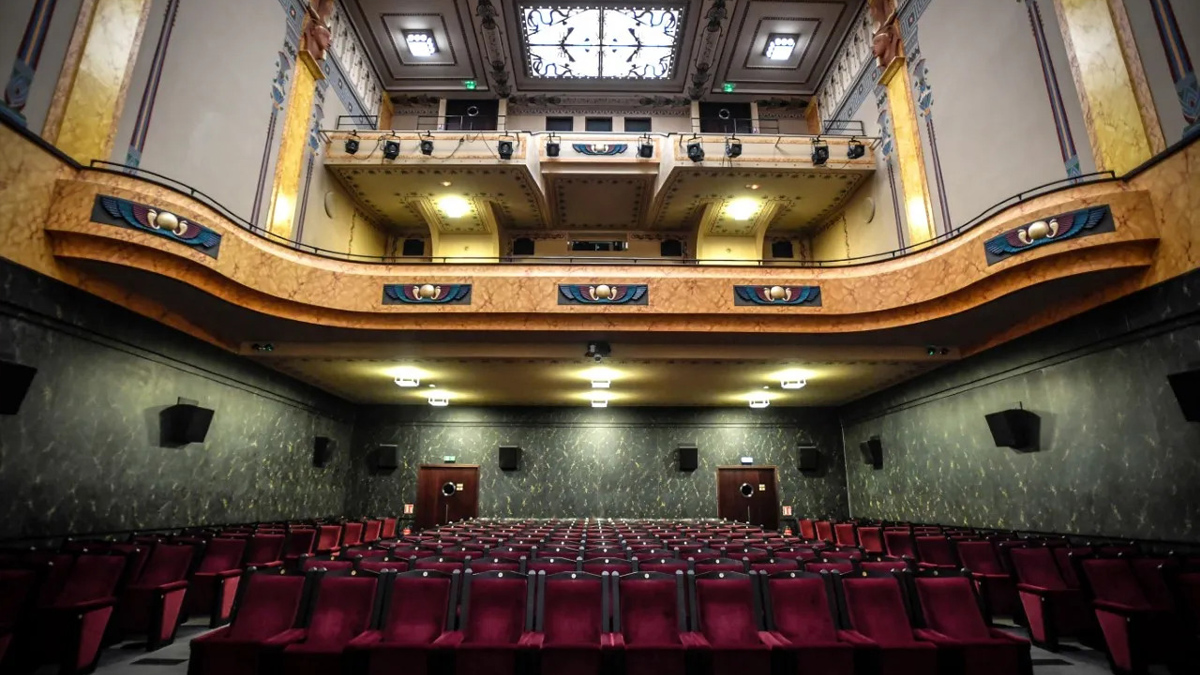
Le Louxor - Palais du cinéma
170 boulevard de Magenta - 75010 Paris / Métro : Barbès-Rochechouart, lignes 2 et 4
Entrée libre tout public dans la limite des places disponibles, sur réservation (les réservations seront prochainement ouvertes)
Accréditation professionnels et badge jeunes : accès gratuit prioritaire dans la limite des places disponibles
Séance inaugurale
Une séance de projection surprise pour ouvrir l'édition Paris 2026.

Ouverture
Le Louxor - Palais du cinéma
170 boulevard de Magenta - 75010 Paris / Métro : Barbès-Rochechouart, lignes 2 et 4
Entrée libre tout public dans la limite des places disponibles, sur réservation (les réservations seront prochainement ouvertes)
Accréditation professionnels et badge jeunes : accès gratuit prioritaire dans la limite des places disponibles
"Partitions utopiques"
Diego Behncke : Aggregate Body - Film expérimental | 16mm | couleur et n&b | 18:19 | Chili, Allemagne | 2026
Diego Behncke
Aggregate Body
Film expérimental | 16mm | couleur et n&b | 18:19 | Chili, Allemagne | 2026
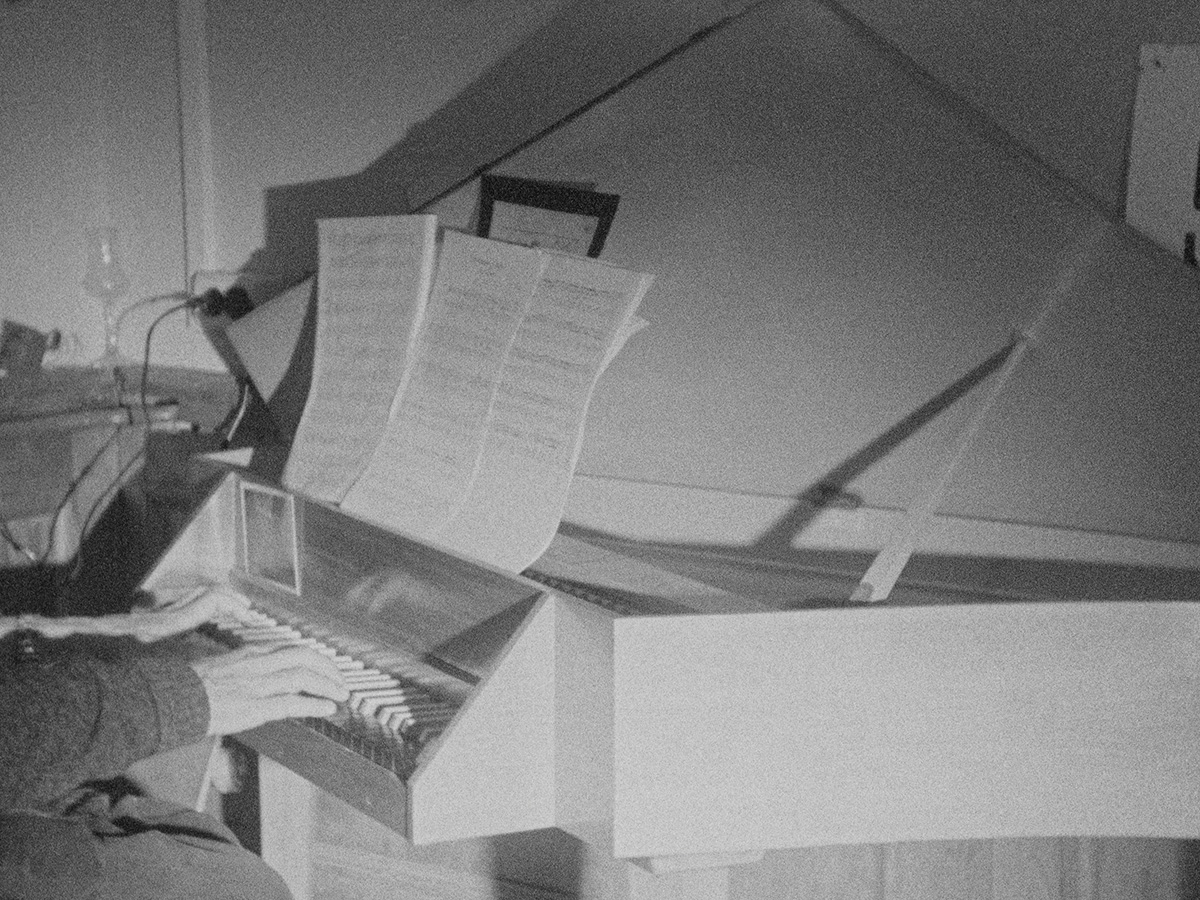
Aggregate Body is a diagonal exploration into the dreams of transparency, utopia, and the radical fetishisation of commodities that ultimately flattened the distinctions between human subject and objects in the World Exhibitions of the 19th century. Examining mimicry mechanisms as mythological lures toward the inorganic, the film sketches a zone of encounters between biology and myth, iron-and-glass constructions, and computational reason, establishing a non-linear, time-folding narrative of a rogue concrete computer that dreams of the Crystal Palace before it’s conception.
Diego Behncke is a Berlin-based artist and musician working with sculpture, installation, synthetic sound and film. His work explores gesture in its relation to technology, using abstraction and synthetic procedures to build fictional systems through a material perspective. Recurring concerns in his work include automatism, artifice, machine-listening, bio-mythographic structures, and anorganicity. His work has been exhibited and performed in Germany, Canada, Japan, South Korea, The Netherlands, France, Belgium, Portugal, and Chile. As part of his practice, he runs the experimental music label Prensa Manual.
Roberto Fassone : Aldous Harding Is Playing At My Mother's House - Doc. expérimental | 4k | couleur | 24:18 | Italie | 2026
Roberto Fassone
Aldous Harding is playing at my mother's house
Doc. expérimental | 4k | couleur | 24:18 | Italie | 2026
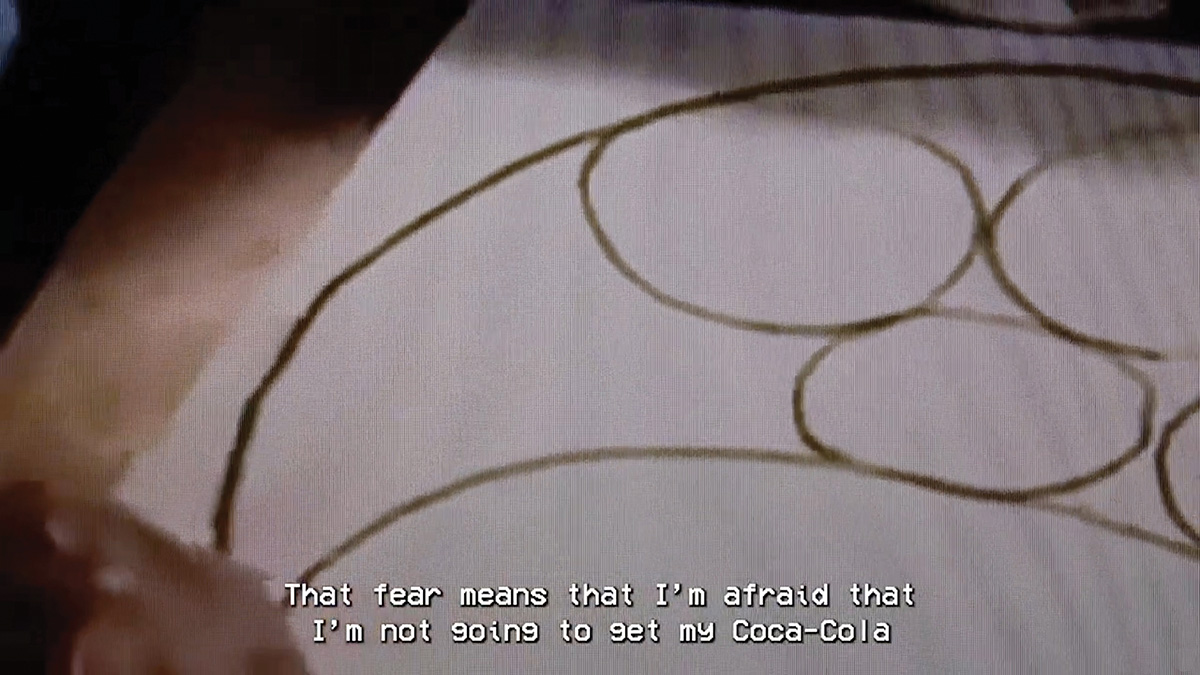
Aldous Harding is playing at my mother's house interweaves the voices of artists, philosophers, and musicians with a sonic composition designed to evoke a pivotal moment in the artist's life: the death of his mother, to whom the film is dedicated, and the existential crisis that followed. Constructed as a collage of YouTube videos, the film revisits the melologue, a lesser-known relative of melodrama and a musical form popular in the eighteenth century, in which spoken monologues are accompanied by music, particularly at moments of heightened emotional intensity. This expressive form seems to be re-emerging today in unexpected contexts, including social media reels and shorts, where emotionally charged soundtracks accompany the voices of public figures, contributing to the construction of intensely dramatized narratives. The final film emerges from a performative gesture: during a full moon, the artist recorded the collage as it played on his television screen. The resulting work oscillates between an associative, non-linear structure that remains opaque and enigmatic, and the immediacy and emotional force characteristic of Hollywood melodrama.
Roberto Fassone (1986) is a visual artist and performer. He lives and works in Florence. His research explores the limits of imagination and the strangeness of existence. In 2023, he received the MAXXI Bulgari Prize for Digital Art with a trilogy created in collaboration with an artificial intelligence fed with hallucinogenic mushrooms. In 2025, he received the Termoli Prize with a documentary dedicated to his own basketball team. In recent years, he has exhibited and presented his work in national and international venues, including: Current Plans (Hong Kong, 2026); MAXXI (Rome, 2026, 2025); Museo del Cinema (Turin, 2026); MACTE (Termoli, 2025); Palazzo Collicola (Spoleto, 2024); MAMbo (Bologna, 2024); Maison du Savoir (University of Luxembourg, 2023); Ars Electronica (Linz, 2022); Visions du Réel (Nyon, 2022); ICA (Milan, 2022); MACRO (Rome, 2022); MAXXI (L’Aquila, 2021); Mattatoio (Rome, 2021); Lo schermo dell’arte (Florence, 2021); Italian Cultural Institute, Paris (2020); Fanta-MLN (Milan, 2016, 2019, 2023). While this biography was being written, the sun was shining at the Vismarkt in Groningen.
Caroline Poggi, Jonathan Vinel : The Blessing - Fiction | 2k | couleur | 23:58 | France | 2026
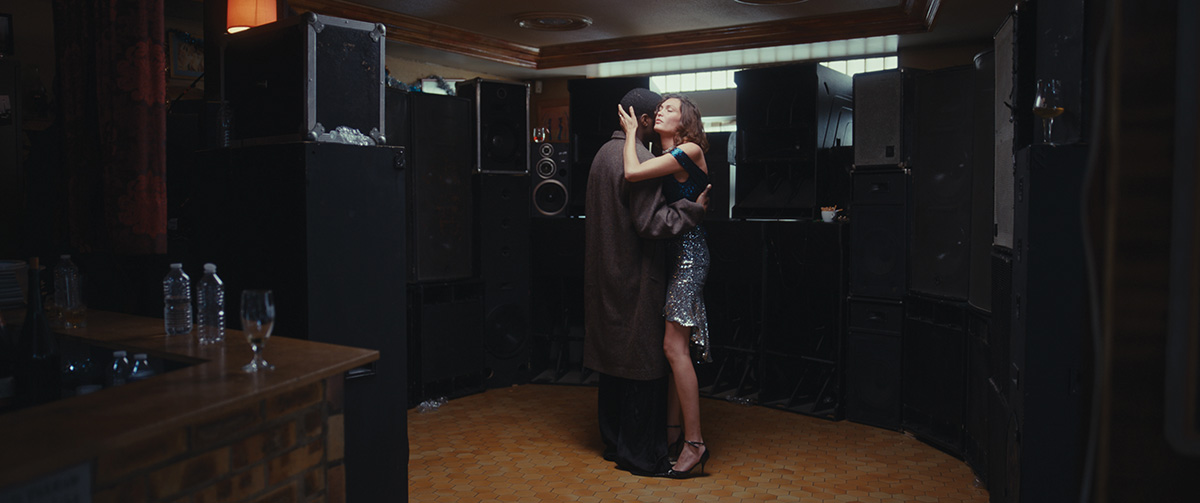
Caroline Poggi, Jonathan Vinel
The Blessing
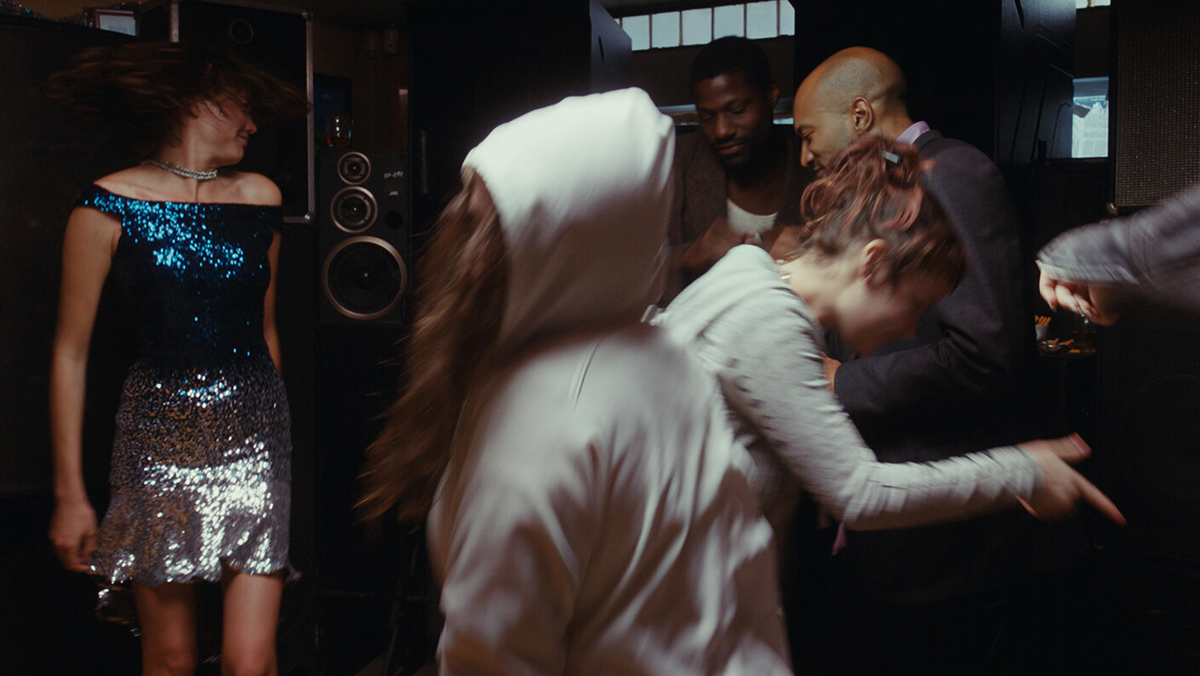
Fiction | 2k | couleur | 23:58 | France | 2026