Programme Paris 2026
Projection
Forum des images | Salle 100
Forum des Halles (niveau -3), 2 rue du cinéma - 75001 Paris / Métro : Les Halles, ligne 4 (sortie Saint-Eustache, Place Carrée) et Châtelet, lignes 1, 7 et 14 (sortie Place Carrée)
Entrée libre tout public dans la limite des places disponibles
Accréditation professionnels et badge jeunes : accès gratuit prioritaire dans la limite des places disponibles
"Observations participantes"
Jane Jin Kaisen : Wreckage - Film expérimental | 4k | couleur et n&b | 12:0 | Danemark, Coree du Sud | 2024
Jane Jin Kaisen
Wreckage
Film expérimental | 4k | couleur et n&b | 12:0 | Danemark, Coree du Sud | 2024
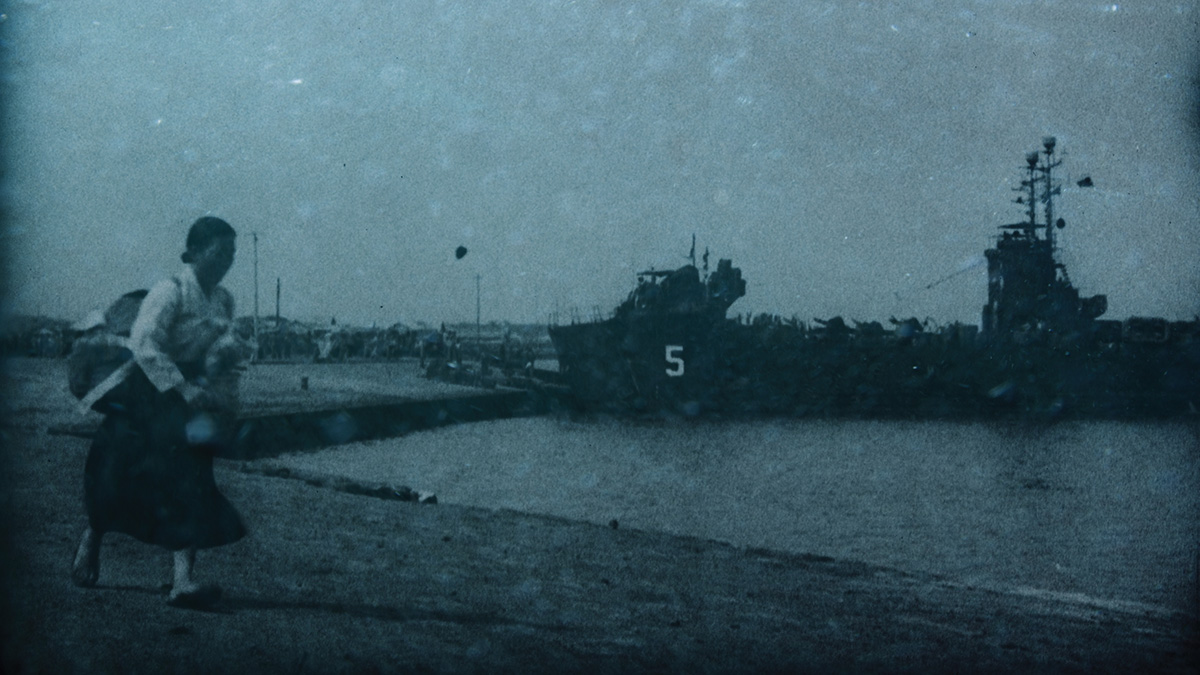
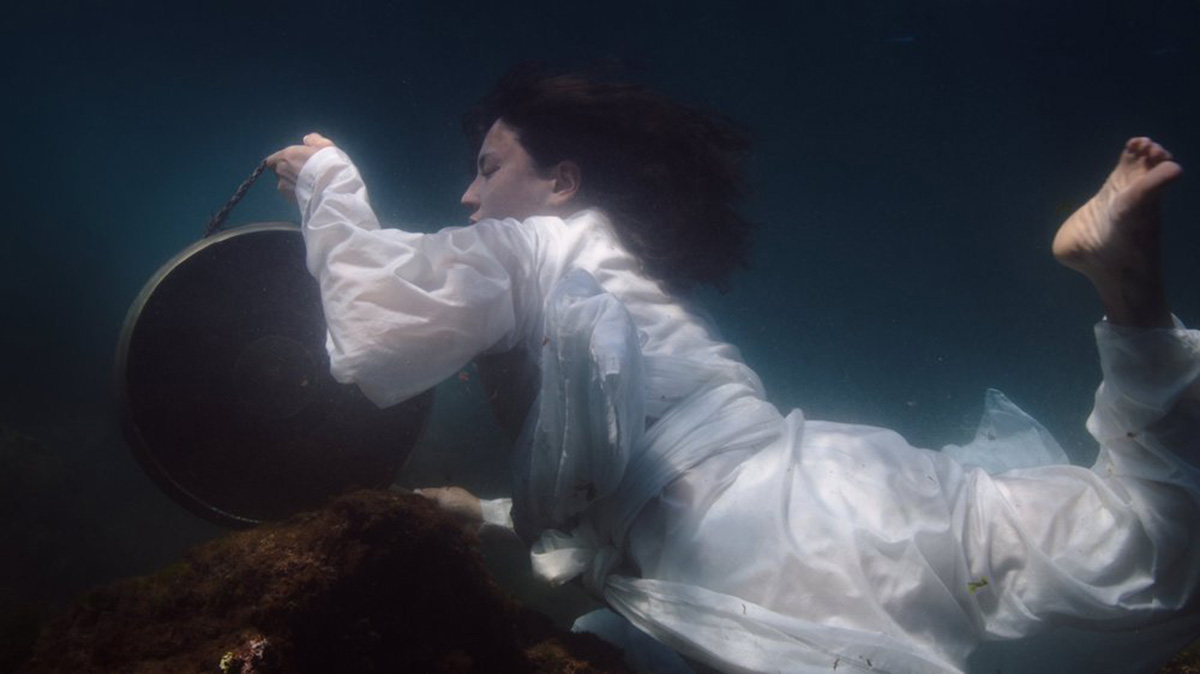
Wreckage is about war, its memory, and its afterlife. Underwater footage shows the ravenous sea superimposed with a US propaganda film. Filmed in Jeju in October 1945, it depicts soldiers loading massive piles of weapons and artillery left by the defeated Japanese Army onto a large ship and dumping them into the sea. A few years later, the Jeju 4.3 Massacre unraveled under the authority of the United States Army Military Government in Korea. During the massacre, unknown numbers of civilians were killed and thrown into the sea, while others tried to flee the island by boat. Such a fate is recalled in a lament by late shaman Koh Sunahn, a survivor of the massacre whose shamanic practice Kaisen documented for a decade until her passing. The lament takes the form of a chant where Koh Sunahn interchangeably assumes the voice of a mother and her deceased son, whose body was never recovered from the sea. Wreckage evokes several archival, temporal, and sensorial registers. The imperial archive shows war’s devastation to human life and the natural environment whereas the shamanic lament foregrounds enduring loss in the absence of a proper burial. Meanwhile, the sea is approached as an archive of traumatic memories. As the film unfolds an underwater offering is performed and the regenerative force of the sea is portrayed.
Jane Jin Kaisen (b. 1980 in Jeju Island, Korea, lives in Copenhagen, Denmark) is a visual artist and filmmaker known for her visually striking, multilayered, performative, poetic, and multi-voiced works through which past and present are brought into relation. Engaging topics such as memory, migration, borders, and translation, she activates the field where lived experience and embodied knowledge intersect with larger political histories. Another recurring focus revolves around nature and island spaces, cosmologies, re-framings of myths, and ritual and spiritual practices. She represented Korea at the 58th Venice Biennale with the film installation Community of Parting (2019). Her exhibition Community of Parting at Kunsthal Charlottenborg was awarded “Exhibition of the Year 2020” by AICA - International Association of Art Critics, Denmark. She is the recipient of the Ole Haslund’s Artist Grant (2025), the Beckett-Prize (2023), the New Carlsberg Foundation Artist Grant (2023), a 3-year work grant from the Danish Arts Foundation (2022) and the Montana ENTERPRIZE (2011) Recently she has participated in the 2026 Medina Triennial, 13th Seoul MediaCity Biennale 2025, the 13th Berlin Biennale for Contemporary Art 2025, the 36th Ljubljana Biennale of Graphic Arts 2025, and the Hawaii Triennial 2025. Other exhibtions and screenings include Korea Artist Prize 2024 at National Museum of Modern and Contemporary Art Korea, Dislocation Blues: Jane Jin Kaisen at Tate Modern in 2023. Her films have shown at Berlinale, CPH: DOX, Yamagata Intl. Documentary Film Festival, DMZ Intl. Documentary Film Festival, etc. Kaisen was professor of the School of Media Arts, The Royal Danish Academy of Fine Arts from 2020-26. She has served as a jury at CPH:DOX (2026), the DMZ International Documentary Film Festival (2021), and served as a member of the Danish Arts Foundation Project Granting Committee (2018-2021). She holds a PhD in Artistic Research from University of Copenhagen, an MA from the Royal Danish Academy of Fine Arts, and an MFA from University of California Los Angeles. She participated in the Whitney Independent Study Program 2007-08.
Laurent Van Lancker : Backfeed - Doc. expérimental | 4k | couleur et n&b | 30:0 | Belgique | 2026
Laurent Van Lancker
Backfeed
Doc. expérimental | 4k | couleur et n&b | 30:0 | Belgique | 2026
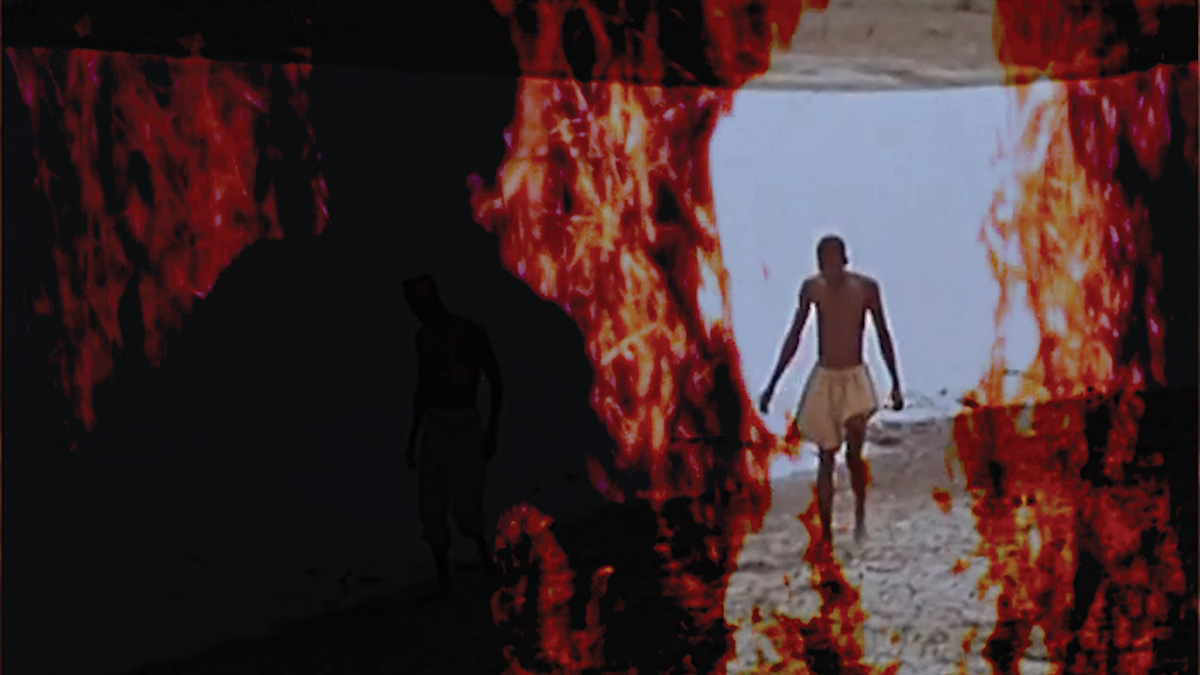
Backfeed est un feedback cinématographique inversé, puisque son destinataire est un maître fou absent. Le feedback est une méthode introduite par Jean Rouch invitant les cinéastes à projeter leur film faux personnes filmées et ainsi leur permettre de critiquer la représentation qui a été faite d’elles. C'est une façon pour le cinéma ethnographique d'aller au-delà des textes écrits sur les cultures représentées. Le film circule d’une archive analogique personnelle à l'utilisation de l'IA pour générer une rencontre imaginaire entre moi et le défunt Rouch, permettant l’avènement d’une session feedback spéculative.
Laurent Van Lancker both studied Film and Anthropology, and holds a PhD in Audiovisual Art. He lectured at filmschools (INSAS Brussels, Film Academy Amsterdam) and universities (WWU Münster, AMU Marseille). He is Professor of Audiovisual Anthropology at Aix-Marseille University. His latest book is ‘Cinematic Ethnography: Experiencing Cultures through some audiovisual practices’ (MUP, 2025). He co-founded SIC – SoundImageCulture and BAAB.space project labs. He made fifteen films (experimental, documentaries and fictions) and won nine awards. His early documentary works explored social and religious themes. Followed by a series of short works called 'Experimental Ethnographies'. His first hybrid feature film Surya has been widely distributed. Lately, he made three long-feature films around migration themes – Brak (fiction), Kalès (documentary), We Others (Hybrid). His latest film Yurugu premiered at the Berlinale this year. His works draw on various modes: Collaborative, Hybrid and Sensory cinema. They propose a dialogue between ethics and aesthetics, poetics and politics.
Jeff Daniel Silva, Aurélie Darbouret : Mare Sapiens - Experimental documentary | 8k Digital | couleur | 28:0 | USA, France | 2026
Jeff Daniel Silva, Aurélie Darbouret
Mare Sapiens
Experimental documentary | 8k Digital | couleur | 28:0 | USA, France | 2026
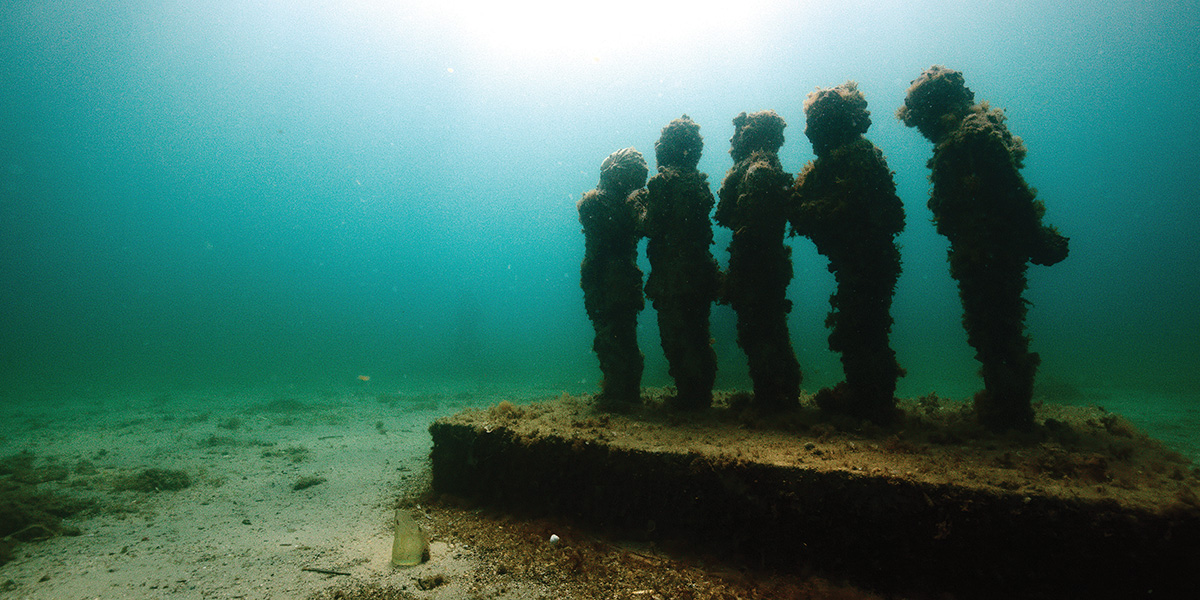
Sous l’horizon de la baie de Marseille, MARE SAPIENS révèle un monde submergé où présences humaines et vies marines s'enchevêtrent et se heurtent. Entièrement tourné sous l’eau, en lumière naturelle et en son direct, MARE SAPIENS propose une traversée sous-marine de la baie de Marseille où formes de vie, infrastructures et machines coexistent. Le film déploie un champ sensoriel sans commentaire ni hiérarchie, présentant la mer non comme un décor ou une ressource, mais comme un milieu qui absorbe, résiste et persiste. Ni documentaire scientifique ni plaidoyer environnemental, MARE SAPIENS est au croisement de la recherche et du cinéma, là où la mer peut émerger à sa manière.
Jeff Daniel Silva est artiste, cinéaste et anthropologue dont l'œuvre fait le pont entre pratique créative et recherche académique. Docteur en anthropologie sociale de l'EHESS, il est chercheur postdoctoral sur le projet A*Midex ANFAA (Formes narratives alternatives en anthropologie audiovisuelle) à Aix-Marseille Université/IDEAS, et membre de La Fabrique des Écritures Ethnographiques (MMSH/CNRS). Ses travaux croisent ethnographie, cinéma et son pour explorer les impacts humains et écologiques des conflits, du changement climatique et de l'industrialisation. Ses films incluent Balkan Rhapsodies: 78 Measures of War (2008), Ivan & Ivana (2011), Linefork (2016), Là où la terre (2018) et The Order of Things (2022), présentés internationalement au MoMA, Visions du Réel et à la Viennale. Ses recherches actuelles s'étendent à l'ethnographie sonore et aux projets collaboratifs explorant les relations changeantes entre humains et environnements. Aurélie Darbouret est autrice et doctorante en anthropologie au Laboratoire d'anthropologie sociale (LAS) et à l'Institut méditerranéen d'océanologie (MIO) où elle mène une thèse sur les perceptions, représentations, matérialités et imaginaires du monde marin. À travers ses travaux, elle expérimente des formes alternatives d'écriture en sciences sociales, développant des objets hybrides mêlant récits textuels, visuels et sonores, ainsi que des expositions multimodales et ateliers publics. Auparavant, elle a contribué à des œuvres littéraires, installations muséales et créations sonores. MARE SAPIENS est son premier film.
Projection
Forum des images | Salle 100
Forum des Halles (niveau -3), 2 rue du cinéma - 75001 Paris / Métro : Les Halles, ligne 4 (sortie Saint-Eustache, Place Carrée) et Châtelet, lignes 1, 7 et 14 (sortie Place Carrée)
Entrée libre tout public dans la limite des places disponibles
Accréditation professionnels et badge jeunes : accès gratuit prioritaire dans la limite des places disponibles
"De l'exil"
Ahmad Al-zu'bi : House Of Glory - Doc. expérimental | 0 | couleur | 17:30 | Jordanie | 2026
Ahmad Al-zu'bi
House of Glory
Doc. expérimental | 0 | couleur | 17:30 | Jordanie | 2026
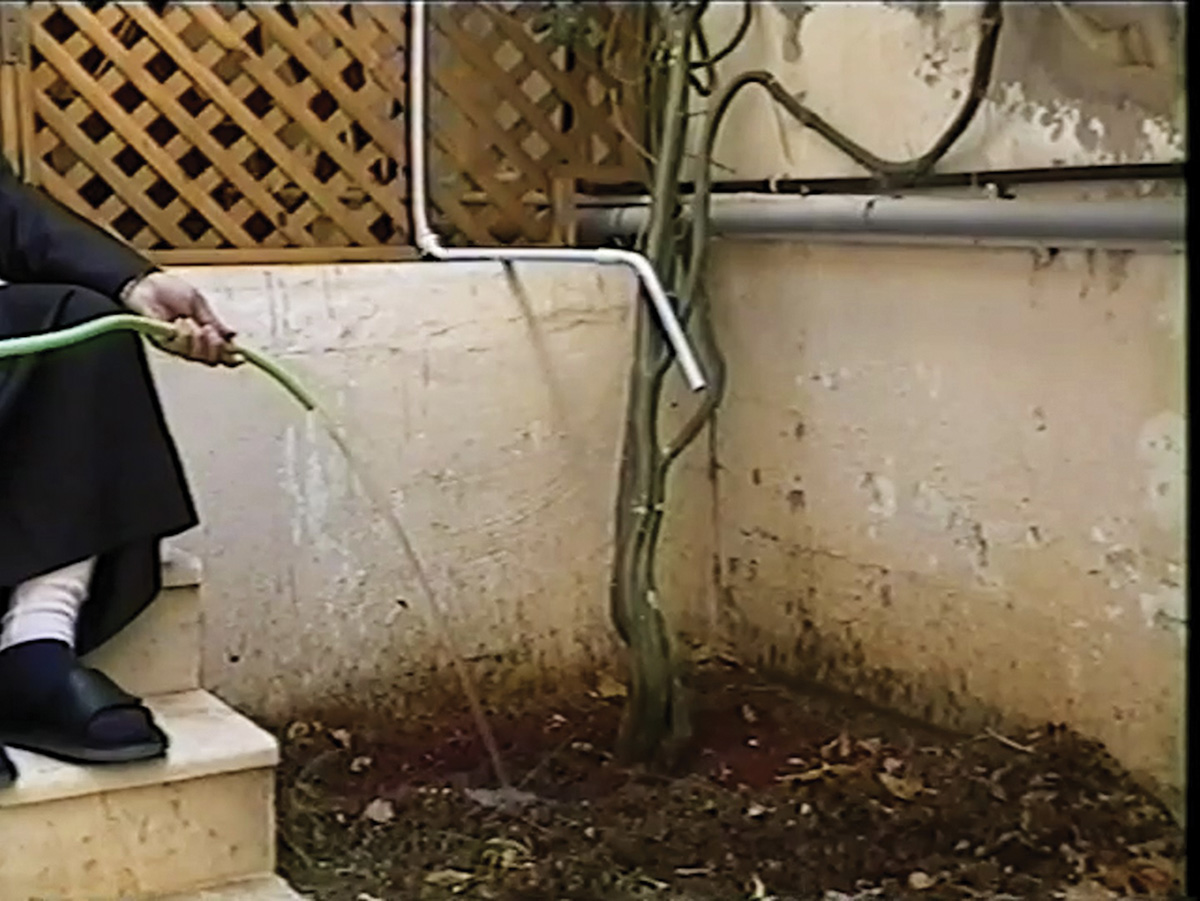
A man becomes the sole remaining occupant of a family home. In its dormant rooms, he reads his father's memoir and summons his spirit.
Ahmad Al-Zu'bi is a Jordanian filmmaker based between Toronto and Amman. His first short film Your Harvest May Be Delayed had its world premiere at Carthage Film Festival. He also was a cinematographer on Riccardo Giacconi's feature film Memories of Lightning which had its world premiere at Giornate Degli Autori in 2026.
Ziad Naitaddi : Birds Airlines - Vidéo expérimentale | mov | noir et blanc | 5:28 | Maroc, Allemagne | 2026

Ziad Naitaddi
Birds Airlines
Vidéo expérimentale | mov | noir et blanc | 5:28 | Maroc, Allemagne | 2026
« Birds Airlines » is materialized through a confrontation between contemplative imagery and the microscopic exposure of the visible and explores displacement not as a political choice, but as an essential physiological condition where cellular movement and geographical travel merge. By focusing on migratory birds; an ‘orally inexpressive’ species whose North-to-South trajectories reverse human survival patterns; I seek to probe what emotionally conditions exile: the need for return as an anchor between past and future. My approach overlays the rigor of the ornithologist onto the sensitivity of visual anthropology, creating a disturbing parallel between the climatic disruptions that sedentarize birds and the political tensions that force human wandering. Gathering and reworking numerous sources, images, sounds and data that the artist confronts here in a refined cinematic temporality to propose a reflection on migration and movement, both from a philosophical and scientific point of view.
Ziad Naitaddi (1995, Rabat) is a visual artist working across photography, moving image, sound and research. His practice brings together contemporary photography, archival materials, sound and film footage to explore the porous boundaries between documentary and fiction, questioning dominant representations of exile, migration and identity. His recent projects, Birds Airlines and The Interdependence of Things, engage with ecological, scientific and historical narratives. By drawing connections between bird migration routes and the transatlantic circulation of Saharan dust that fertilizes the Amazon rainforest, his work reconsiders migration beyond human-centred perspectives and examines the interconnectedness of landscapes, species and political histories. His work has been presented internationally at major institutions including the Sharjah Biennial, Museo Nazionale MAXXI, Dakar Biennale, La Condition Publique, as well as it has been shortlisted for the Photography Award of the Musée du Quai Branly-Jacques Chirac 2025. His research and commissions have received support from leading foundations and organizations, including the Sharjah Art Foundation, Pro Helvetia, the Goethe Institute, Institut Français and the Gerda Henkel Foundation in collaboration with Humboldt University in Berlin.
Silvia Maglioni, Thomson Graeme : Language In Exile - Vidéo expérimentale | mov | couleur et n&b | 23:0 | Italie | 2026
Silvia Maglioni, Thomson Graeme
LANGUAGE IN EXILE
Vidéo expérimentale | mov | couleur et n&b | 23:0 | Italie | 2026
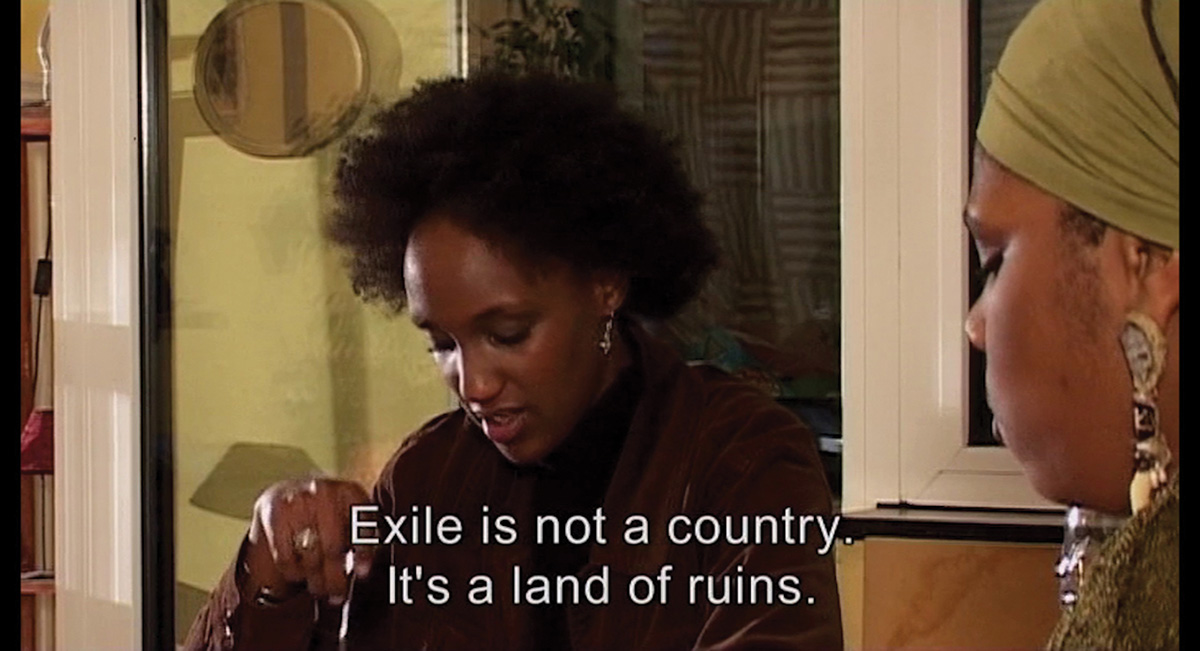
LANGUAGE IN EXILE opens up a borderless zone where characters and ghosts from different geographies and cosmologies can meet and speak across time and space. The film is composed of subtitled photograms woven together into a text of many voices that speak of migrant journeys, spirits, resistance, coloniality, dreams and the often voiceless melancholy of exile.
Silvia Maglioni & Graeme Thomson are filmmakers and artists whose work explores the porous threshold between fiction and documentary, the visible and the invisible, the audible and what has been silenced, critical thought and the forces of re-enchantment. Focusing on the reactivation of lost, forgotten or silenced archives, narratives and histories, their practice is process-oriented and includes films (notably "Facs of Life", "In Search of UIQ", "Common Birds", "Late Gestures" and "Language in Exile"), installations, soundworks, radio shows, vernacular technologies and books. Their films have been presented at international film festivals including IFF Rotterdam, FID-Marseille, Thessaloniki IFF, BAFICI, Berlin Critics Week, Jihlava, Hors-Pistes, Doc’s Kingdom, ncontres Internationales Paris/Berlin, Bucharest International Experimental Film Festival.
Alexandra Pavlovskaya-lokchine : Trace - Experimental documentary | Digital | couleur | 12:45 | Pays-Bas, Fédération de Russie | 2025
Alexandra Pavlovskaya-lokchine
Trace
Experimental documentary | Digital | couleur | 12:45 | Pays-Bas, Fédération de Russie | 2025
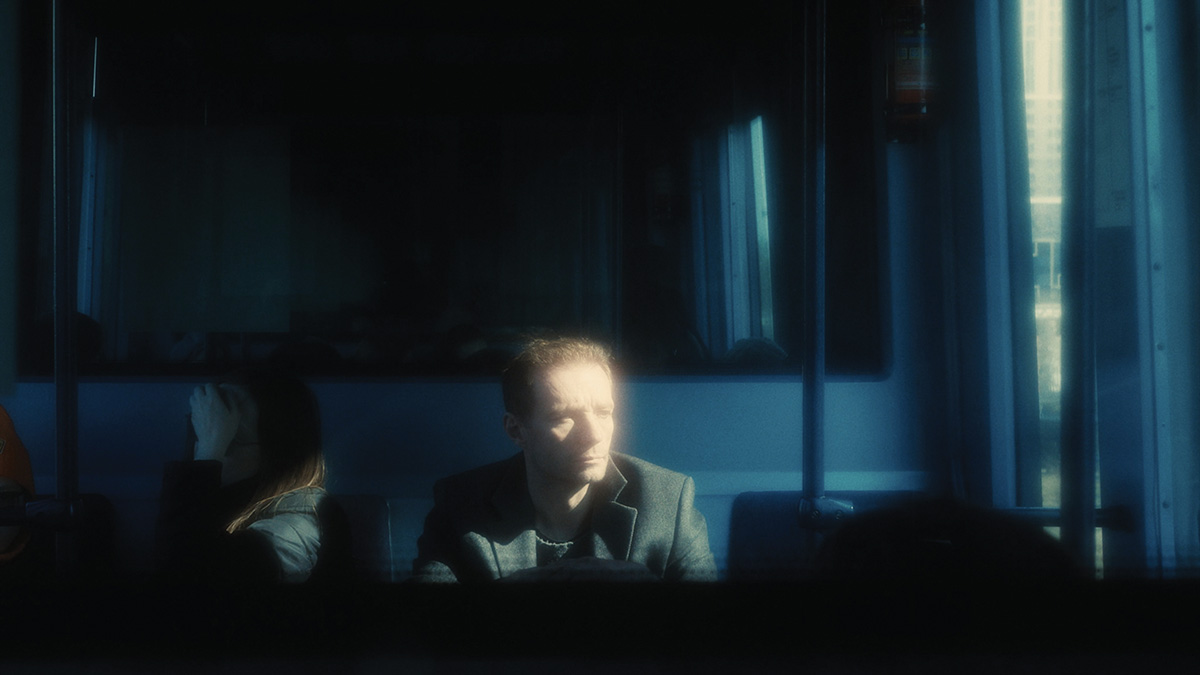
TRACE est un film hybride où le documentaire se mêle à des éléments fictionnels, dans un paysage empreint de perte et de mémoire. L’espace qui s’y déploie semble figé, le personnage inconnu revient de nulle part, tandis que la voix émerge comme un messager du passé, renforçant le lien avec les « puissances supérieures ».
Alexandra Pavlovskaya-Lokchine est une artiste plasticienne et cinéaste émergente, basée entre les Pays-Bas et Paris. Elle a étudié à l’Institut national de la cinématographie Guerassimov (VGIK), à l’Académie royale des beaux-arts de La Haye (KABK) ainsi qu’aux Beaux-Arts de Paris. Alexandra développe une pratique à la croisée de la sculpture, de l’image et du cinéma, où les formes portent le poids de la mémoire et une charge du présent. Son travail s’articule souvent autour de fragments de paysages passés — réminiscences mythologiques ou traces d’histoires vécues — qu’elle réinvente sous la forme de figures suspendues entre révélation et disparition.
Kevin Jerome Everson : The Wood Thrush And The Bobwhite Quail - Film expérimental | 16mm | | 4:35 | USA | 2025
Kevin Jerome Everson
The Wood Thrush and the Bobwhite Quail
Film expérimental | 16mm | | 4:35 | USA | 2025
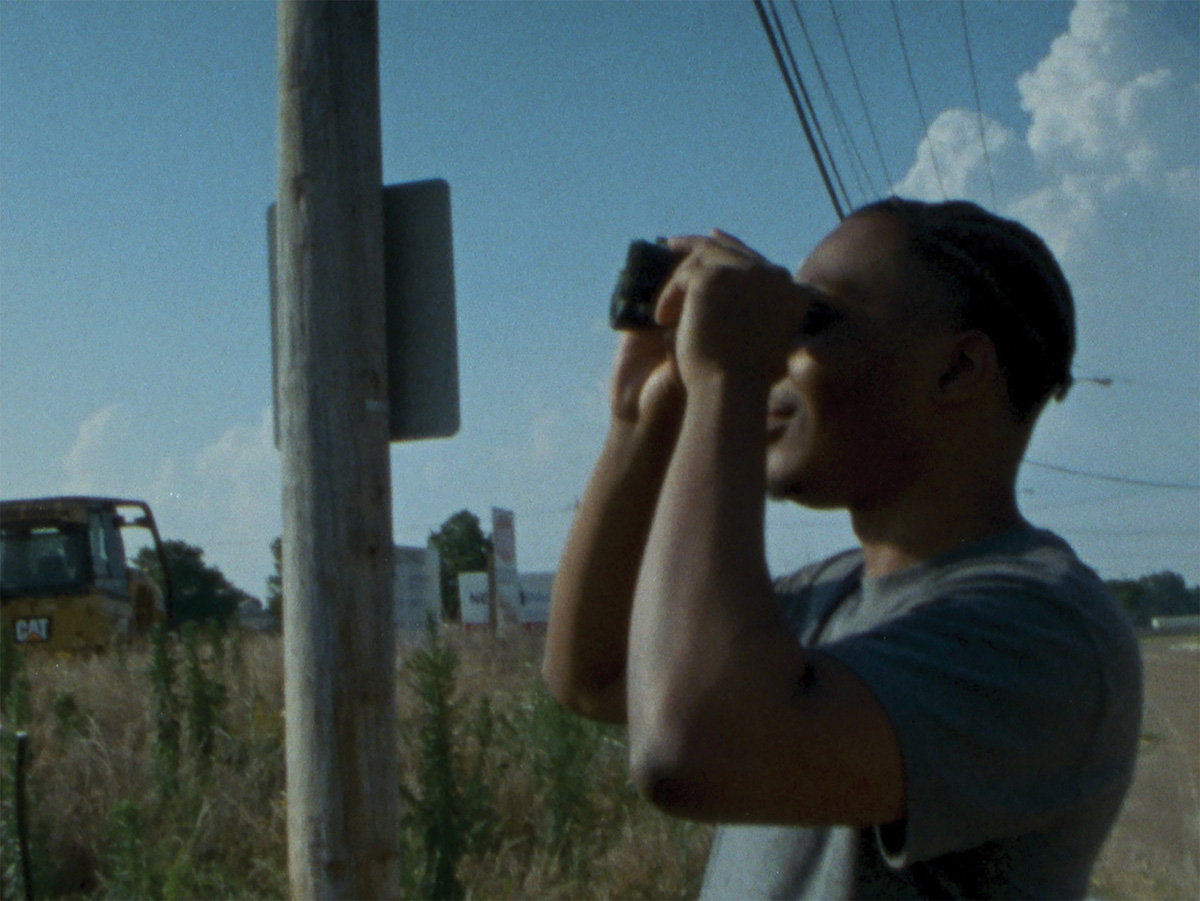
The Wood Thrush and the Bobwhite Quail is a film about birdwatchers in Washington D.C. and in Tennessee being summoned by Glenn Goins and George Clinton.
Kevin Jerome Everson (b. Mansfield, Ohio, lives and works in Charlottesville, Virginia. He is the Commonwealth and Ruffin Foundation Distinguished Professor of Studio Art and Director of Studio Arts at the University of Virginia. Recipient of the Guggenheim, Heinz Award in Art and Humanities, Berlin Prize, Alpert Award for Film/Video, Rome Prize, Everson's art practice encompasses photography, printmaking, sculpture and film, 13 award-winning features and over 300 solo and collaborative short form works, including 14 films co-directed with UVA colleague Claudrena N. Harold that screen regularly at international film festivals, cinemas, galleries, museums and art biennials. He is currently in post production on his first fiction feature, Lowndes County, set in 1959 rural Mississippi, five years after Brown vs. Board of Education and five years before the Civil Rights Act. Everson's work has been the subject of retrospectives and solo exhibitions at The Whitney Museum of American Art, Tate Modern/Film, London, Highline, NYC, Cinema du Reel/Centre Pompidou, Paris, Art Windsor- Essex, Windsor, Canada (in association with Media City Film Festival), Andrew Kreps Gallery, NYC, Halle fur Kunst Steiermark, Graz, Austria, Museum of Modern and Contemporary Art, Seoul, Glasgow Shorts, Cinematek Brussels, Cork International Film Festival, Visions du Reel, Nyon, and the Harvard Film Archive . His films have been featured at the Whitney Biennial (2008, 2012, 2017), the 2013 Sharjah Biennial, the 2018 Carnegie International, the 2023 Contour Biennale, Mechelen, Belgium and the “Cinema for All’ section of the 2023 Thailand Biennale. In 2027, Everson will have solo exhibitions at Silent Green, Berlin; Kunstverein Braunschweig and the Wexner Center, Columbus, Ohio. Everson’s award-winning films regularly screen at international film festivals including Black Star, Sundance, IFFR, Berlinale, Cinema du Reel, EMAF, Courtisane, Locarno, BlackStar, Venice, Toronto, New York Film Festival, BFI/London, Doc Lisboa, True/False, Crossroads, Media City, AFI Fest, Chicago International Film Festival, BAFICI ,Jeonju, DMZ Docs, cinemas, galleries, museums and public and private art institutions, including Whitechapel, London, Wexner Center for the Arts, Columbus, OH, Museum of Modern Art, NY, Reina Sofia, Madrid, LUMA Foundation, Switzerland, National Museum of African American History, Washington, D.C., MOCA, L.A., Walker Art Center, Minneapolis and REDCAT, Los Angeles. A3 DVD Boxed Set, Broad Daylight and Other Times, was released by Video Data Bank (U.S.) in 2011 and a DVD dedicated to films focusing on the rituals and gestures of labor, I Really Hear That: Quality Control and Other Works was released by VDB in 2017. The two disc blu-ray How You Live Your Story: Selected Works of Kevin Jerome Everson, was released by the UK based boutique label Second Run DVD in Fall 2020 and Second Run's special blu-ray edition release of Everson's eight hour factory film, Park Lanes was released in February 2025, featuring a booklet with essay/interview contributions from Michael B. Gillespie, Matthew Barrington and Elena Gorfinkel. Everson has received fellowships from the Guggenheim, NEA, NEH, Ohio Arts Council, and the Virginia Museum, grants and commissions from Just Films/Ford Foundation, Knight Arts Foundation, the Wexner Center for the Arts, Creative Capital and the Sundance Institute, residencies at Mobile Frames/Media City (Windsor/Detroit), Hallwalls Contemporary Arts Center, Yaddo and MacDowell Colony, and numerous university fellowships.
Projection
Forum des images | Salle 100
Forum des Halles (niveau -3), 2 rue du cinéma - 75001 Paris / Métro : Les Halles, ligne 4 (sortie Saint-Eustache, Place Carrée) et Châtelet, lignes 1, 7 et 14 (sortie Place Carrée)
Entrée libre tout public dans la limite des places disponibles
Accréditation professionnels et badge jeunes : accès gratuit prioritaire dans la limite des places disponibles
"Ville capitale"
Anna Ostasenko Bogdanoff, Tessa de Baudinière : Puisque Tout Brûle - Documentaire | dcp | couleur | 18:35 | France | 2025

Anna Ostasenko Bogdanoff, Tessa de Baudinière
Puisque tout brûle
Documentaire | dcp | couleur | 18:35 | France | 2025
Marseille, un été caniculaire. Une bande de skateurs, la vingtaine, skate à corps perdus dans des lieux à la lisière du monde. Acharnés de glisse, ils poursuivent un rêve de liberté absolue, bravant les limites de leur propre corps.
Née en 1991 à Paris, Anna Ostasenko Bogdanoff est diplômée de la Fémis, section décor. Elle a réalisé plusieurs métrages, sélectionnés entre autres à Hot Docs et DOC NYC. En 2022, elle clôture une résidence au Musée des Arts Décoratifs, où elle réalise des films sur les artistes exposés. Elle prépare actuellement un court métrage de fiction soutenu par le CNC et écrit son premier long métrage. Ces projets, inspirés par son histoire personnelle, explorent le deuil et le corps. Tessa est diplômée en Histoire des Arts, Lettres modernes et Etudes Théâtrales. Après une Hypokhâgne-Khâgne, elle a étudié la mise en scène, la direction d'acteurs et l’écriture de scripts, et a travaillé comme assistante sur des films en France, aux USA et en Italie. Depuis son retour en France en 2021 elle se consacre à l’écriture et à l'enseignement des Lettres dans le second degré. "Puisque tout brûle" est son premier court-métrage documentaire produit en co-écriture et co-réalisation.
Lucas Mesdom : Amer - Fiction | hdcam | couleur | 19:30 | France | 2025
Lucas Mesdom
Amer
Fiction | hdcam | couleur | 19:30 | France | 2025
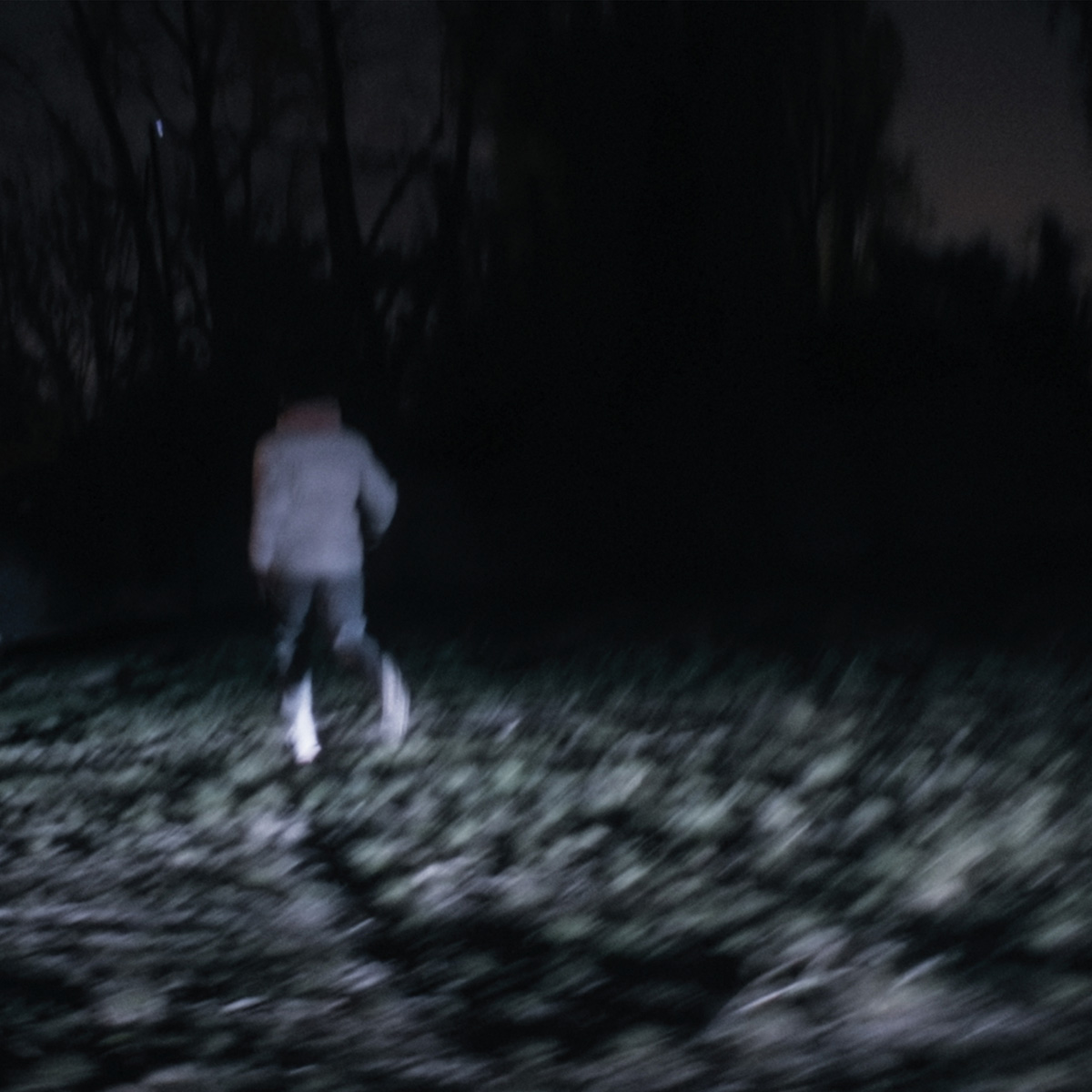
Un présence rôde dans une ville de banlieue parisienne, elle traque les habitants. Les disparitions se multiplient. Nassim, un jeune garçon, est mis à la porte de chez lui un soir, il passe la nuit dehors, se sent suivi.
Je suis un vidéaste Français né à Paris le 4 mai 1994. J’ai étudié à l’ENSAV La Cambre entre 2016 et 2022 dans les sections peinture et sculpture. Ma pratique s’articule entre la réalisation de films, de sculptures et d’installations. Mon travail se construit en Seine-Saint-Denis dans le quartier où j’ai grandi. J’y expérimente des dispositifs de captations et d’écritures plurielles. Dans mes films l’écriture passe de mains en mains, la caméra d’un œil à l’autre. La participation des habitants est fondamentale, elle me permet d’envisager une réponse collective au spectre médiatique pesant sur ce lieu.
Mike Stoltz : Pinktoned - Doc. expérimental | 16mm | couleur et n&b | 11:0 | USA | 2026

Mike Stoltz
Pinktoned
Doc. expérimental | 16mm | couleur et n&b | 11:0 | USA | 2026
A meditative passage through the streets of Los Angeles and a rumination on how moving images function amidst paranoia and state violence. Drawing its title from an esoteric audio test tone used in the motion picture industry in the 1990s, this is a process and technique based image piece. The center or heart of the film is a series of found 35mm slides taken in 1976 on the west side of LA. These images document the work of wheatpasting movie poster advertisements up at various intersections. Upon closer inspection the posters are revealed to be for Underground ("The Film the FBI didn't want you to see"), the incendiary 1976 documentary by Emile de Antonio, Mary Lampson, and Haskell Wexler that depicts the Weather Underground hiding in a Los Angeles County safehouse right after the Fall of Saigon. The posters are seen amidst advertisements for All The President's Men and Logan's Run. The color of the slides has aged and faded to a palette of pinks, magentas, and reds. This color continues out onto the walls of the gallery. These 1976 images are juxtaposed with my own contemporary footage of passersby filmed out the window of my East Hollywood studio. Photographed in close up detail, these images show gestures of figures on the street; tapping out texts on touch screens, flicking ash off the end of a cigarette, gripping a coffee cup, passing money for bus fare. These color images are interspersed with stark black and white animation generated with open-source video synthesis software and rephotographed onto 16mm soundtrack stock frame-by frame. Akin to early computer animation these fast moving abstract shapes suggest systems and movement in flux. The soundtrack of the film is composed of the 30 tones that made up the pinktone test audio, tape echo feedback, and the noise of 16mm optical sound silence.
Mike Stoltz is a Los Angeles-based moving image artist who makes films, installations, and objects that examine how human beings move through and exist within the constructed landscape. Throughout the varied works is a primary interest in the spatial qualities of the moving image. The filmic experience is used to interrogate and reimagine how spaces affect the lives of humans in a way that incorporates the somatic, the kinetic, and the visceral. The films combine observational nonfiction imagery with process-heavy techniques that emphasize the material qualities of analog film image capture and projection. The sound incorporates textural artifacts such as feedback, tape hiss, and electrical hum. The resulting pieces are both environmental and graphic in their qualities. Each piece works the viewer towards a spellbound state through its own design and logic, combining the meditative and the phantasmagoric. At the core of these works are the politics of how the movement of bodies are regulated through space, and the subtle line between banal and hostile architecture. Stoltz's 16mm films and videos have screened internationally at venues such as Toronto International Film Festival, New York Film Festival, The Hammer Museum, Media City Film Festival, Hong Kong International Film Festival, Courtisane, Buenos Aires International Independent Film Festival (BAFICI), Light Field, International Film Festival Rotterdam, REDCAT,and the Ann Arbor Film Festival. He has programmed film screenings for Magic Lantern Cinema, The Echo Park Film Center, VISIONS, The Arroyo Seco Cine Club, and Now Instant Image Hall.
Brittany Reeber : Underground River - Experimental fiction | Digital | couleur | 14:30 | USA | 2025
Brittany Reeber
Underground River
Experimental fiction | Digital | couleur | 14:30 | USA | 2025
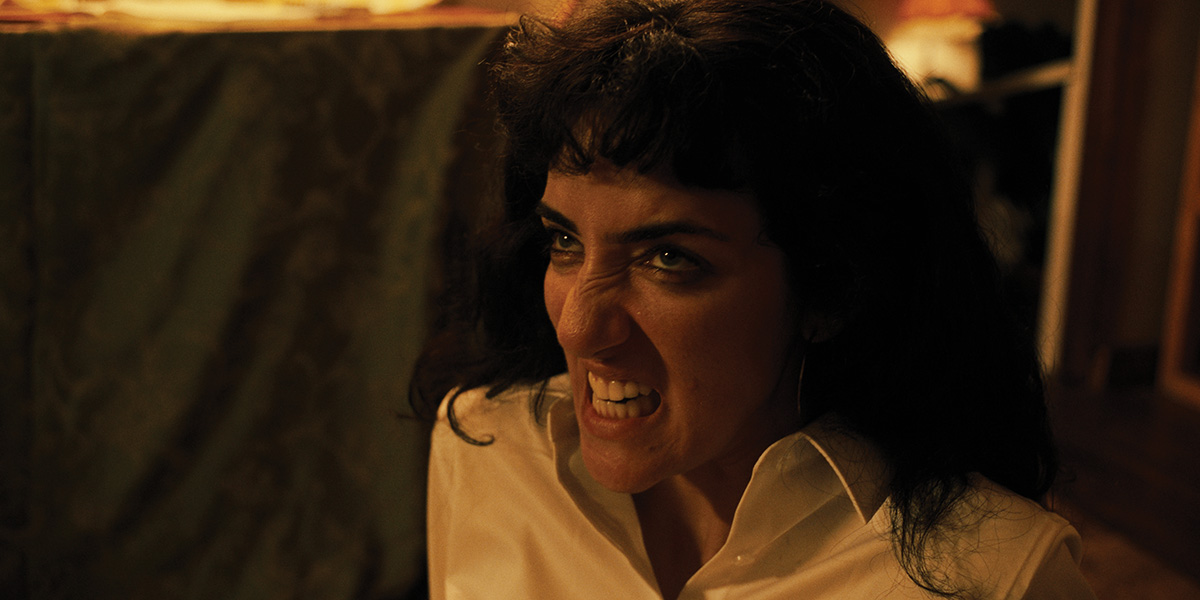
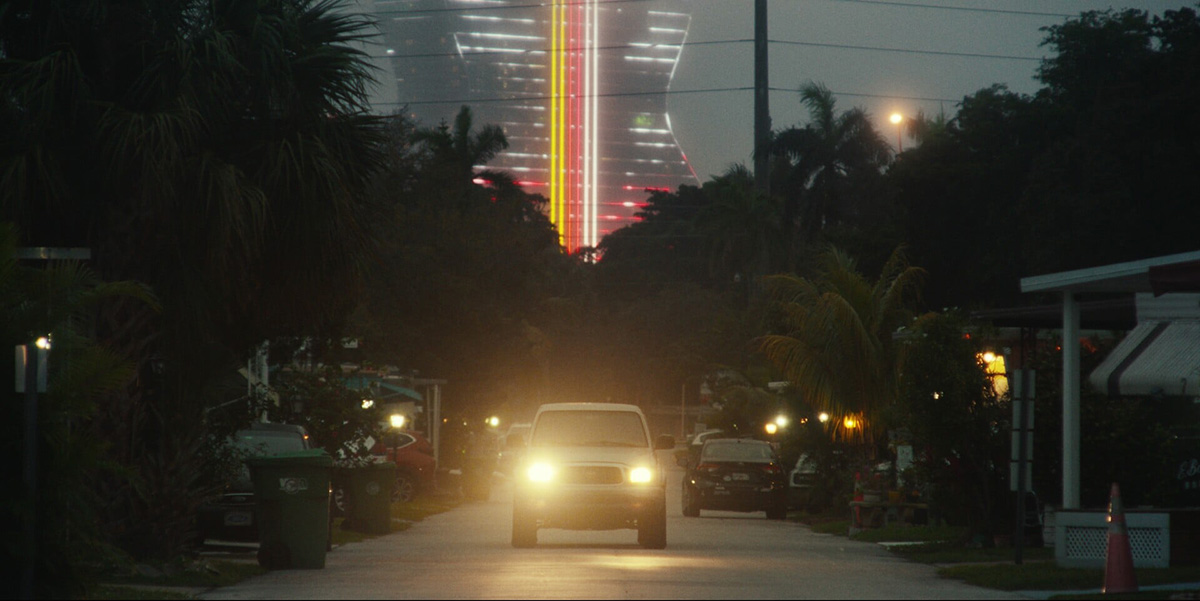
A South Florida woman moves through one strange night beneath the glow of a casino.
Brittany Reeber is a writer and director from South Florida, now based in New York City. She has spent the past decade working across independent film, comedy, and commercial production, with a practice rooted in actor collaboration, choreographed blocking, and a strong sense of place. Her first feature film, A Sight to Behold, will film in New York in Spring 2027.
Bill Brown : Happiness (was Lubbock, Texas In My Rearview Mirror) - Doc. expérimental | 16mm | couleur et n&b | 8:27 | USA | 2026
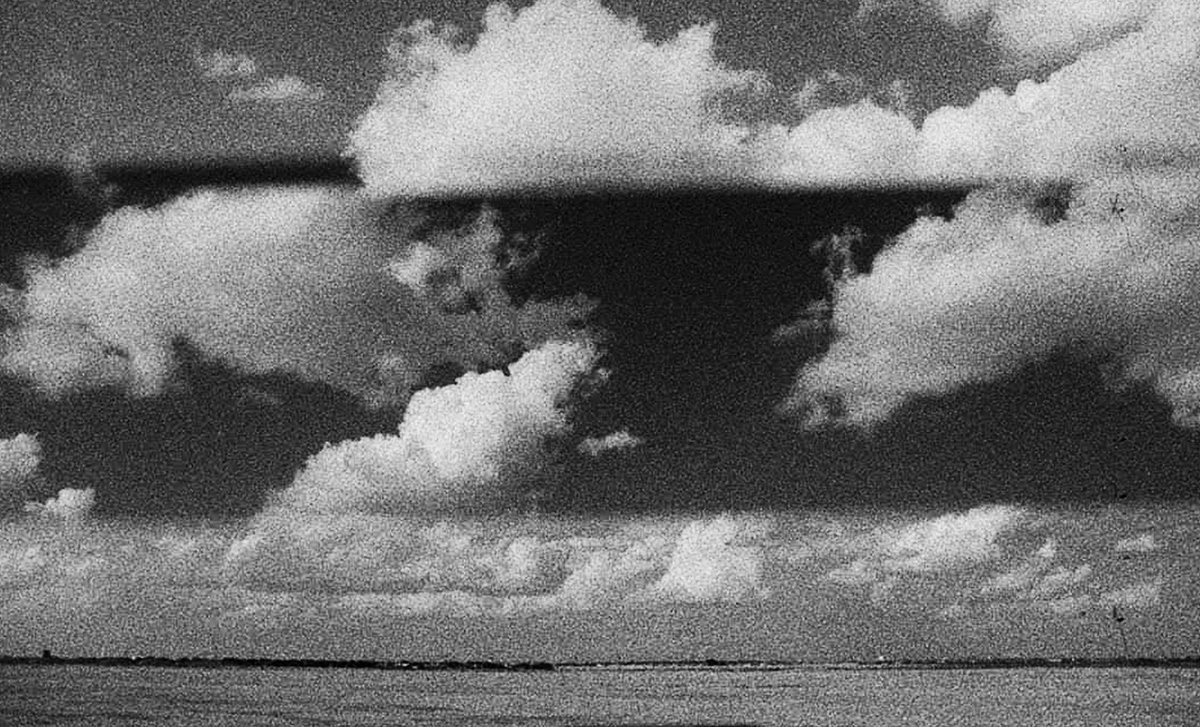
Bill Brown
Happiness (was Lubbock, Texas in my rearview mirror)
Doc. expérimental | 16mm | couleur et n&b | 8:27 | USA | 2026
À Lubbock, au Texas, se trouvent quatre statues de quatre célébrités locales : un astronaute, un chef de barbecue, un chanteur de rock 'n' roll et un promoteur immobilier. Un court-métrage sur une toute dernière visite dans ma ville natale pour leur rendre hommage et mettre de l'ordre dans mes affaires.
Bill Brown est un cinéaste qui s'intéresse aux géographies de la mémoire et de l'histoire. Il est le cofondateur du Cosmic Rays Film Festival. Il vit à Marseille.
Utkarsh : A Circle As The Center Of The Whole - 0 | 0 | couleur et n&b | 18:38 | Inde | 2026
Utkarsh
A Circle As The Center Of The Whole
0 | 0 | couleur et n&b | 18:38 | Inde | 2026
A Circle as the Center of the Whole approaches the city of Delhi as a site excavated by history, ideology, and the act of remembrance itself. Fragments from state records, mythic narratives, and personal memory construct a speculative archive that disrupts any attempts at fixing the city’s identity as a monolith. The figure of a demolished mosque looms over a present-day excavation, as a childhood encounter with loss takes the shape of a hole in the ground. Archaeology functions as both method and metaphor, through which the film examines cycles of discovery and erasure implicit in personal and political claims over the city, reimagining its terrain through detours. What emerges is an alternate historiography marked by ruptures, which ask how absence comes to organize memory and space.
Utkarsh is an artist and filmmaker from Delhi, India. His practice investigates how the visible world is rendered and remembered, exploring the optical, archival and algorithmic processes that shape memory and identity. His films have been screened at the Berlinale, FICUNAM, Rencontres Paris/Berlin, EXiS, Experimenta and EMAF, among other festivals and exhibitions. His writings on photography and cinema have appeared in journals and platforms like The Caravan Magazine and STIRworld. He is a recipient of the Flaherty Film Seminar Fellowship. He holds a MFA in Film/Video from The California Institute of the Arts and is currently a PhD student in Modern Culture and Media at Brown University.
Séance spéciale
Forum des images | Salle 100
Forum des Halles (niveau -3), 2 rue du cinéma - 75001 Paris / Métro : Les Halles, ligne 4 (sortie Saint-Eustache, Place Carrée) et Châtelet, lignes 1, 7 et 14 (sortie Place Carrée)
Entrée libre tout public dans la limite des places disponibles
Accréditation professionnels et badge jeunes : accès gratuit prioritaire dans la limite des places disponibles
Séance spéciale, Ed Atkins
Ed Atkins, Steven Zultanski : Nurses Come And Go, But None For Me - Doc. expérimental | 4k | couleur | 122:0 | Royaume-Uni | 2025
Ed Atkins, Steven Zultanski
Nurses Come And Go, But None For Me
Doc. expérimental | 4k | couleur | 122:0 | Royaume-Uni | 2025
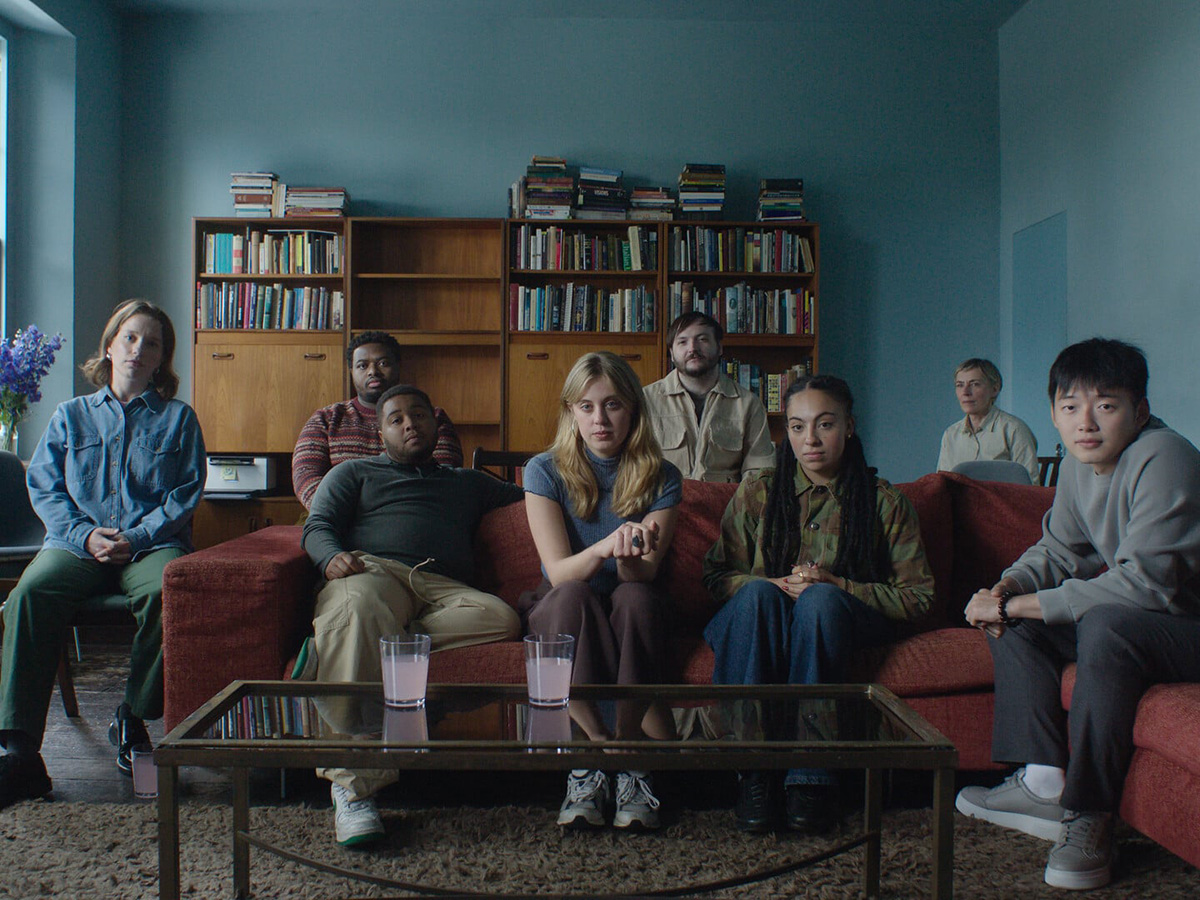
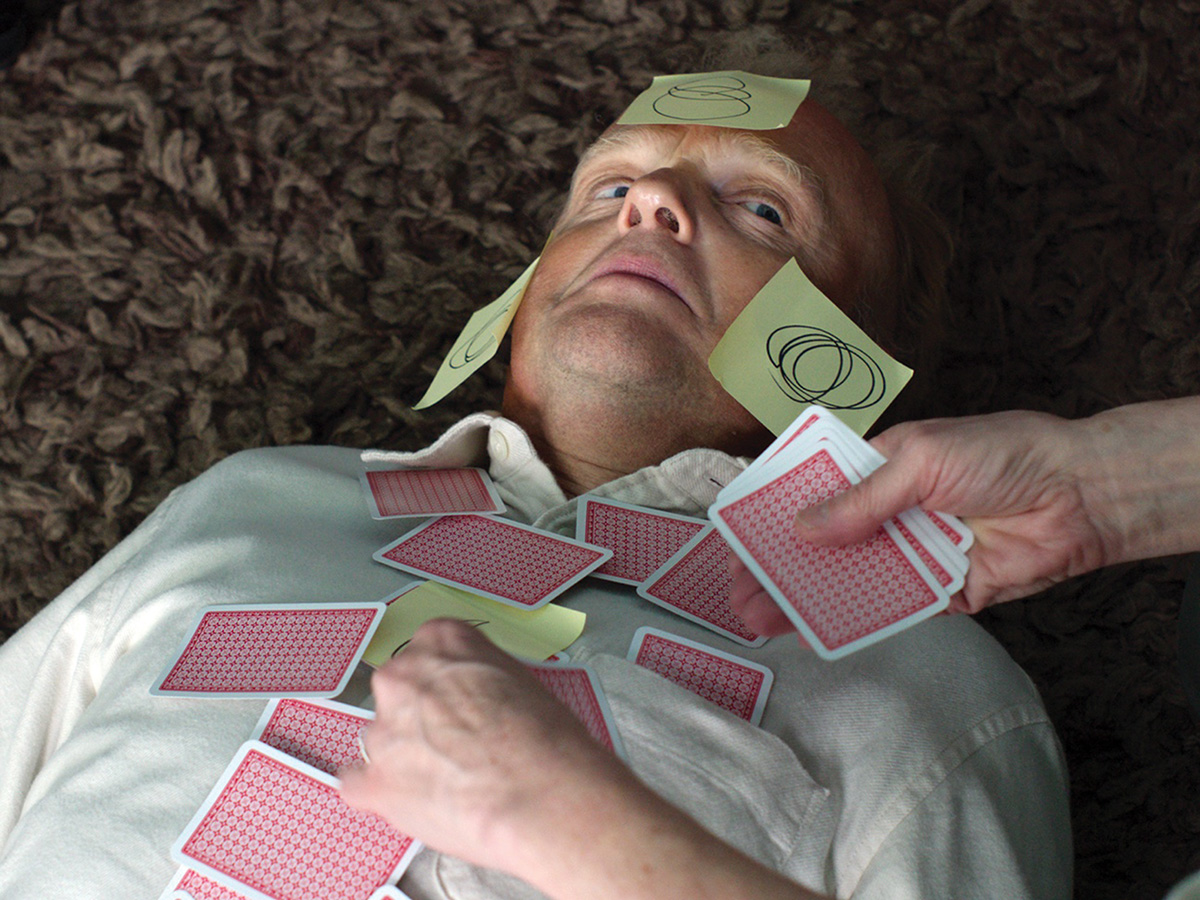
A bifurcated film that intimately stages two distinct documentary elements: a death diary and a child’s game of playing sick. Seated in a living room before a small and youthful audience, a performer (Toby Jones) gives a long reading of a cancer diary (written by Philip Atkins, father of director Ed Atkins). The text is an almost unbearably personal document of rapid bodily decline, feelings of longing and self-pity, the loss of independence, the social life of the hospital, the administration of terminal illness, and the recognition that one has loved and been loved. It’s excruciating, tender, tedious, and buoyed by an irrepressible gallows humor. During the reading, the camera circles the actor and audience, bringing their faces in and out of emotional legibility. When the diary is over, Jones lays down on the floor and reenacts a child’s game of feigned illness, demanding a number of fantastical treatments from his partner (Saskia Reeves), who pretends to be an ambulance driver. While the patient lies prone and unresponsive, the ambulance driver treats him by, for example, feeding him magical potions, sticking post-it notes on his face, and covering him with tissues. Nurses come and go, but none for me presents intimate, appropriated material at a slight emotional distance, with the aim of paradoxically heightening that intimacy or making it available in a voyeuristic fashion. Both the diary and the game are attempts to rehearse the unimaginable and turn grappling with death into pleasure.
Ed Atkins has had solo exhibitions at New Museum, PS1, the Stedelijk Museum, Serpentine Gallery, and Martin-Gropius-Bau and, in 2025, Tate Britain. Steven Zultanski is the author of ten books of poetry. With Atkins, he co-wrote and co-directed Sorcerer — a play, a film, and a book.