Programme Paris 2026
Hors les murs
MAC VAL Musée d'Art Contemporain du Val-de-Marne, et Bétonsalon - centre d'art et de recherche
Visite d'expositions en Île-de-France
Le 27 novembre, les Rencontres Internationales vous invitent à visiter deux expositions en Île-de-France, en collaboration avec TRAM réseau art contemporain Paris/Île-de-France.
Visite de l'exposition « Ici grand ouvert » de SMITH au MAC VAL Musée d'Art Contemporain du Val-de-Marne, et de l'exposition « Magnarama » à Bétonsalon - centre d'art et de recherche.
Inscription gratuite
Projection
MEP Maison Européenne de la Photographie | Auditorium
5/7 rue de Fourcy - 75004 Paris / Métro : Saint-Paul, ligne 1 / Pont Marie, ligne 7
Entrée libre tout public dans la limite des places disponibles
Accréditation professionnels et badge jeunes : accès gratuit prioritaire dans la limite des places disponibles
"De l'usine au musée"
María AÑÓn : Un Perro Ladra Detrás Del Depósito - Doc. expérimental | 4k | couleur | 26:8 | Espagne | 2026
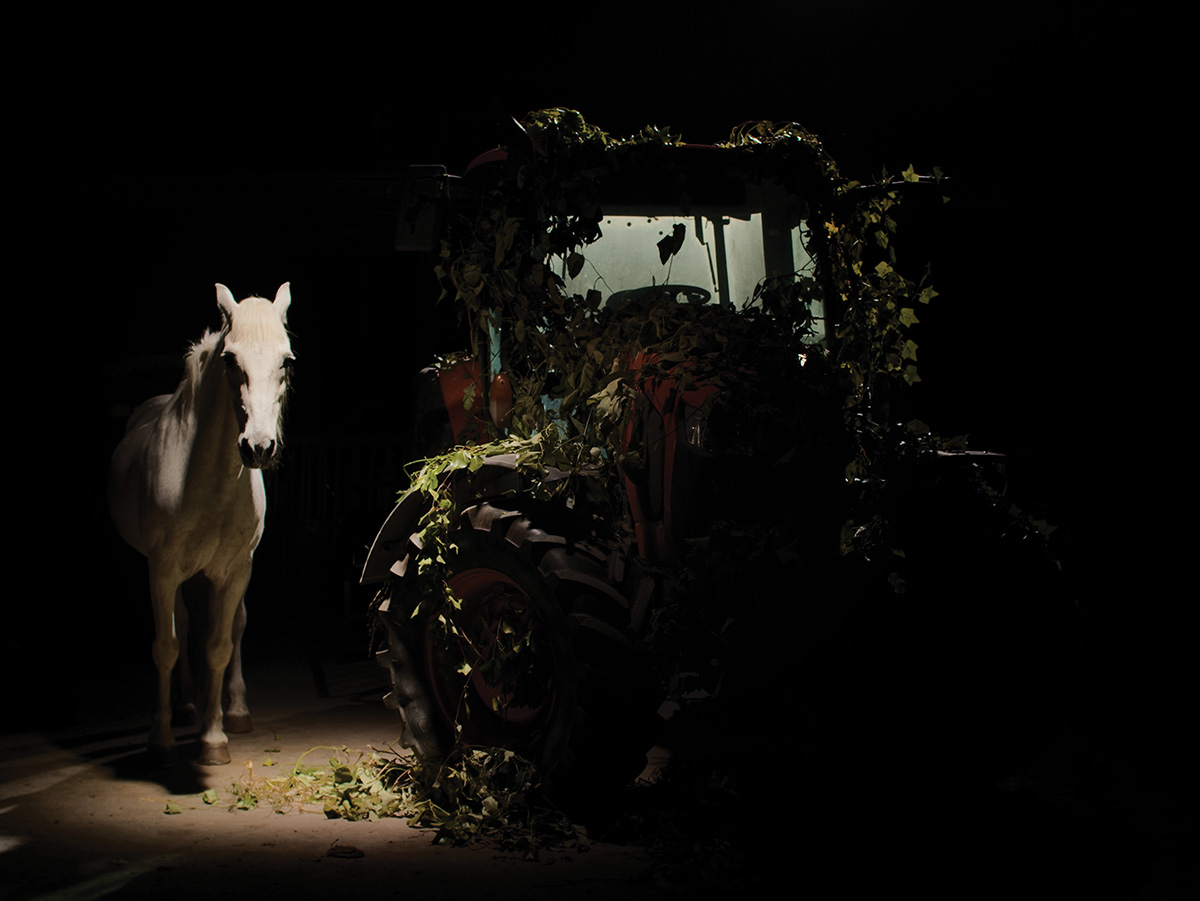
María AÑÓn
Un perro ladra detrás del depósito
Doc. expérimental | 4k | couleur | 26:8 | Espagne | 2026
The Valencian farmland has become a land of ghosts. Farmers have vanished; huts and farmhouses have turned into dusty sheds, while the objects left behind are traces of a world that has disappeared. Who lives this dystopian landscape? Amid the echoes of a frozen moment, ruins, water and the environment emerge as ghostly actors, striving to tell their story—not only to recall what has been lost, but to ask why this way of life is vanishing, and whether it can still be preserved.
María Añón (Valencia, 1997) studied Cinematography at ECAM and Film Curation at EQZE. She made her directorial debut with the experimental documentary short film Un perro ladra detrás del depósito (A Dog Barks Behind the Tank), included in the IVC’s CURTS 1 2026 catalogue, which premiered at the D’A Film Festival in Barcelona and was selected for Alcances, Olhares do Mediterrâneo and MRGente, part of Madrid’s Márgenes Festival. She is currently completing post-production on her second film, El astro se ve en el zenit, while developing her third short film, Todo lo sólido desaparece en el mar, selected for the After ECAM development programme, Abycine Lanza and Animadeba.
Hugo Orts : What Belongs To Caesar - Documentary | Digital | couleur | 21:41 | France | 2025

Hugo Orts
What Belongs To Caesar
Documentary | Digital | couleur | 21:41 | France | 2025
L’installation d’une exposition, le me?nage fait dans les salles avant l’ouverture des portes, l’accueil au guichet qui succe?de a? la fouille de se?curite? a? l’entre?e de l’e?tablissement... Sce?nes de genre contemporaines au sein d’un muse?e historique.
Après une formation scientifique en école d’ingénieur, Hugo Orts intègre le Master Cinéma de l’École Nationale Supérieure Louis-Lumière en 2016. Diplômé en 2019, il est aujourd’hui monteur et développe depuis peu ses premiers projets en tant que réalisateur.
Jan Locus : Winter Of Machines - Experimental video | Digital | noir et blanc | 8:46 | Belgique | 2026
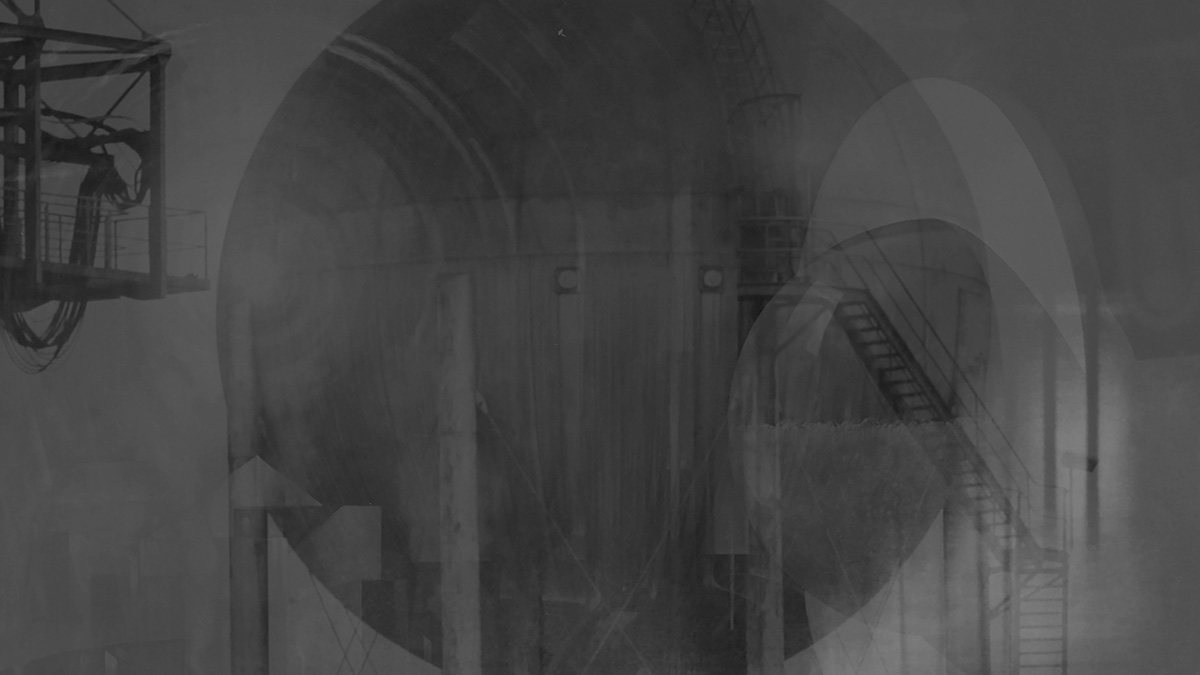
Jan Locus
Winter Of Machines
Experimental video | Digital | noir et blanc | 8:46 | Belgique | 2026
Winter of Machines juxtaposes Charleroi’s post-industrial landscape with the legacy of Futurism. Inspired by Fernand Steven’s mural Evocation de la chimie (1936–1938) in the Lycée Léonie de Waha in Liège, which celebrates science, industry and progress, Jan Locus explores the contrast between this utopian vision and Charleroi’s current struggles. By alternating images of the city’s industrial remnants with the mural’s promise, time seems suspended. The soundtrack by sound artist Els Viaene enhances its ghostly atmosphere. Have the avant-garde and the industrial age failed in their promise of progress?
Spanning the mediums of experimental film, photography, and sound his work often revolves around landscape as a tool in the creation of national and social identities, landscapes altered by extraction and industrialization. His films have been shown at IFFR, Rotterdam (NL), Internationale Kurzfilmtage Oberhausen (DE), Rencontres Internationales Paris/Berlin (FR/DE), Le FIFA, Montréal (CA), CROSSROADS, San Francisco (US), Asolo Art Film Festival (IT), ONION CITY, Chicago (US), BISFF, Beijing (CN) and DIGERATI, Denver (US) among others.
Gonçalo Pina : Rio Infinito - Doc. expérimental | dcp | couleur | 22:0 | Portugal | 2025

Gonçalo Pina
Rio Infinito
Doc. expérimental | dcp | couleur | 22:0 | Portugal | 2025
Every day thousands of workers make the river crossing from the South Bank to Lisbon. They come to work in the city. They make this journey all their lives, as if it were an endless stream of passage.
Studied at Lisbon Theatre and Film School, where he graduated in cinema. He is currently studying for a master's degree in Communication Sciences, specializing in Cinema and Television, at the NOVA University Lisbon.

Projection
MEP Maison Européenne de la Photographie | Auditorium
5/7 rue de Fourcy - 75004 Paris / Métro : Saint-Paul, ligne 1 / Pont Marie, ligne 7
Entrée libre tout public dans la limite des places disponibles
Accréditation professionnels et badge jeunes : accès gratuit prioritaire dans la limite des places disponibles
"20ème siècle"
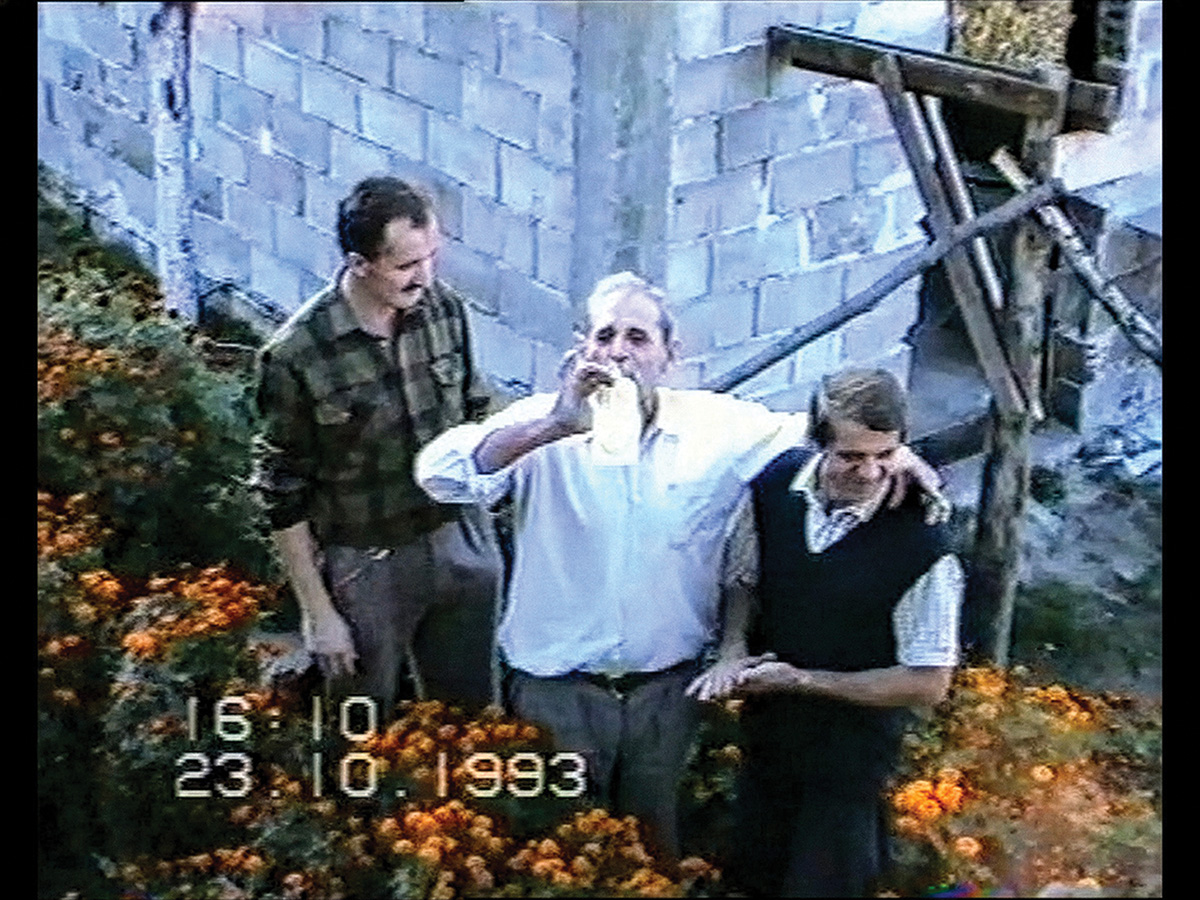
Ibro Hasanovic : Letters From Home - Doc. expérimental | mov | couleur | 28:25 | France, Bosnie-Herzégovine | 2025
Ibro Hasanovic
Letters from Home
Doc. expérimental | mov | couleur | 28:25 | France, Bosnie-Herzégovine | 2025
Un film épistolaire constitué de cassettes VHS envoyées de Srebrenica entre 1993 et 1994 par le père de la cinéaste, dépeignant la mise en scène d'une « vie normale » au cœur de la guerre.
Ibro Hasanovi? (né en 1981 à Ljubovija, ex-Yougoslavie) est un artiste basé à Paris, travaillant entre cinéma, vidéo, photographie et installation. Il a étudié le design produit à l'Académie des Beaux-Arts de Sarajevo avant de poursuivre en art contemporain et cinéma au Fresnoy – Studio national des arts contemporains, en France. Sa pratique explore la relation entre le politique et le poétique, en dialogue avec les histoires orales et individuelles, la mémoire collective et les archives personnelles. Son travail a été exposé dans des institutions telles que le MAXXI (Rome), KADIST (Paris), le Kunstverein de Hambourg, le Garage Museum (Moscou), la Kunsthalle Wien, le MACRO (Rome), le Carré d'Art (Nîmes), le Pera Museum (Istanbul), le Casino Luxembourg, la Moderna Galerija MG+MSUM (Ljubljana), le Künstlerhaus (Graz), le Münchner Stadtmuseum (Munich), la Villa Romana (Florence), le Washington Project for the Arts (Washington, D.C.), l'Austrian Cultural Forum (New York), le Guangdong Museum of Art (Guangzhou) et le Busan Metropolitan Art Museum, entre autres lieux. Ses films et vidéos ont été projetés dans des festivals tels que le Festival international du film de Gand, Encounters (Bristol), les États Généraux du Film Documentaire de Lussas, DokuFest (Prizren), le Tempo Documentary Festival (Stockholm), le festival Impakt (Utrecht) et le Festival du film de Sarajevo, ainsi que lors de présentations institutionnelles au Centre Pompidou et au Musée d'art contemporain de Zagreb.
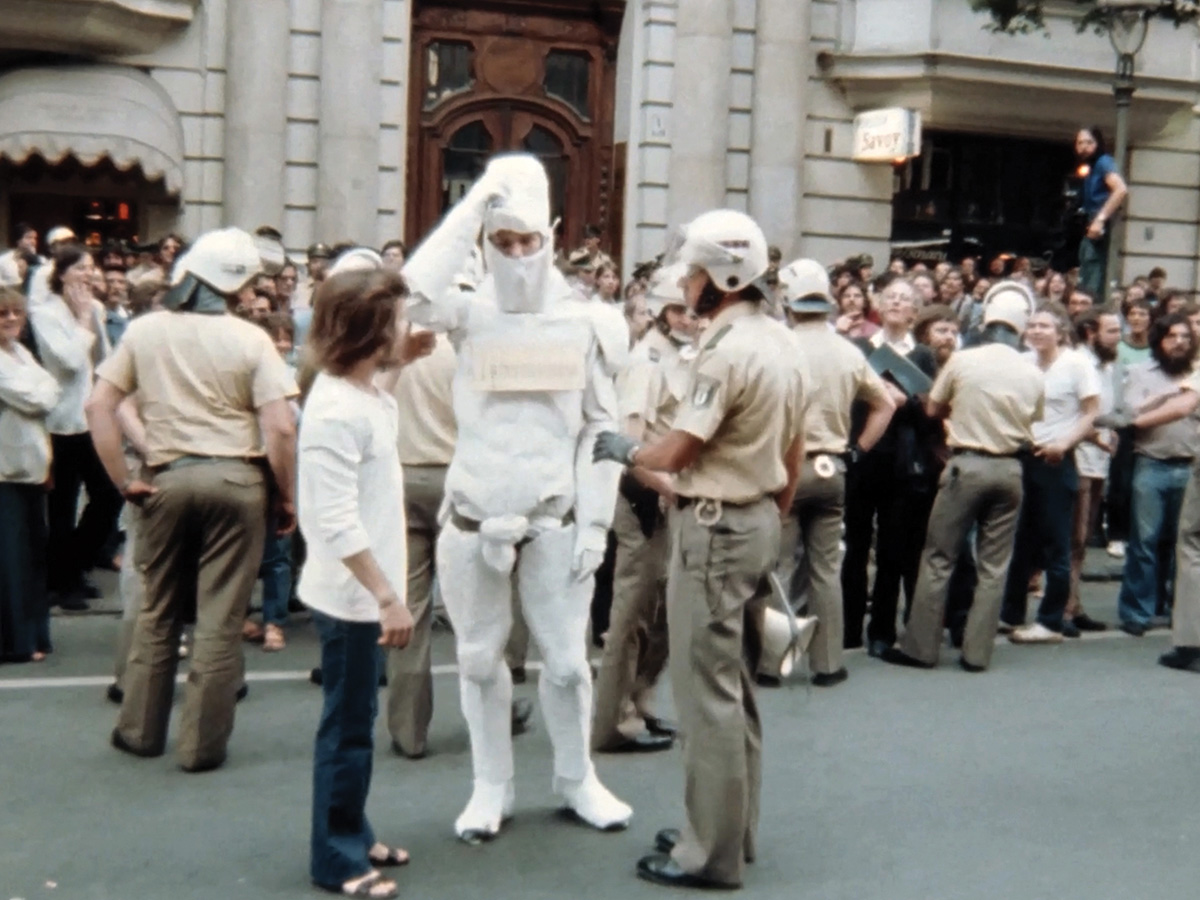
Assaf Gruber : Commissioned Confession - Doc. expérimental | 16mm | couleur | 19:45 | Pologne, Allemagne | 2026
Assaf Gruber
Commissioned Confession
Doc. expérimental | 16mm | couleur | 19:45 | Pologne, Allemagne | 2026
Bojan Fajfric : Ljuba - Doc. expérimental | mov | couleur | 19:15 | Slovénie, Pays-Bas | 2025

Bojan Fajfric
Ljuba
Doc. expérimental | mov | couleur | 19:15 | Slovénie, Pays-Bas | 2025
The video “Ljuba” explores two historical events from 1989 through the personal framing of a cameraman from Belgrade Television. In the summer of 1989, Ljubomir Sekuli? (known as Ljuba) documents the mass rally at Gazimestan in Kosovo—which both cemented Miloševi?’s rise to power and marked the prelude to the bloody breakup of Yugoslavia. Half a year later, Ljuba records the Romanian Revolution and the fall of long-time dictator Ceau?escu. Using a split-screen structure, the film also follows Ljuba as he returns to Bucharest to restage the images that once travelled worldwide, confronting what has endured and what has slipped from memory. The two events, though historically distinct, were both framed as popular uprisings. Yet the significance of 1989 in Yugoslavia remains largely overlooked in Western Europe.
Bojan Fajfri? was born in Belgrade, Yugoslavia, and has been residing in the Netherlands since 1996. He graduated from the Royal Academy of Fine Arts in The Hague and was a resident of the Rijks Academy in Amsterdam. His work presents a specific perspective on history, combining personal memories, collective historical consciousness, and the inevitable course of events. He primarily works with moving images and photography. He has exhibited projects at venues such as Palais de Tokyo in Paris, the Baltic Centre for Contemporary Art in Gateshead, the San Telmo Museum in San Sebastian, De Appel in Amsterdam, the Belgrade October Salon, and NGBK in Berlin, The Tobacco 001 Cultural Centre in Ljubljana, Dazibao in Montreal among others. His films have been screened internationally at film festivals, including Artists' Film International, Whitechapel Gallery, London, Sharjah Film Platform, the Film Festival Rotterdam, the International Short Film Festival Oberhausen, the Vienna International Film Festival, Doc Leipzig, the Tempo Documentary Festival in Stockholm, Rencontres Internationales Paris/Berlin/Madrid, and the Impakt Festival in Utrecht, to name a few.
Projection
MEP Maison Européenne de la Photographie | Auditorium
5/7 rue de Fourcy - 75004 Paris / Métro : Saint-Paul, ligne 1 / Pont Marie, ligne 7
Entrée libre tout public dans la limite des places disponibles
Accréditation professionnels et badge jeunes : accès gratuit prioritaire dans la limite des places disponibles
"La société du spectacle"
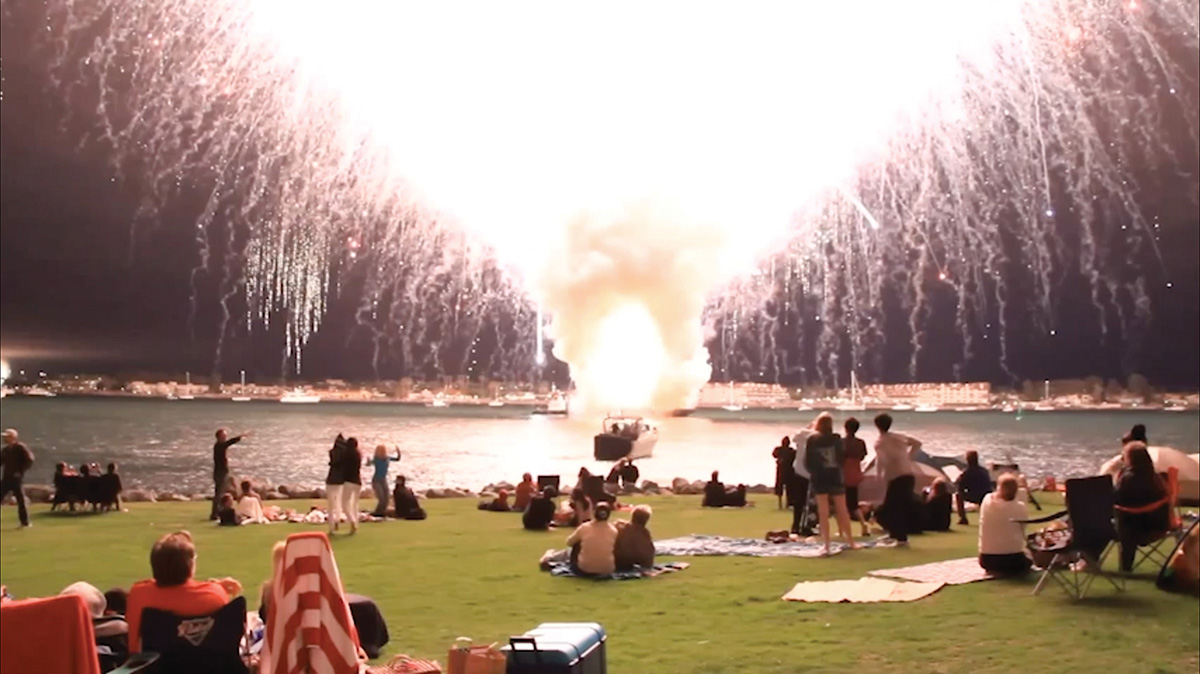
Leandro Katz : Big Bay Boom - Vidéo | mov | couleur | 11:10 | France | 2026
Leandro Katz
Big Bay Boom
Vidéo | mov | couleur | 11:10 | France | 2026
En 2012, un bug informatique fait exploser en quelques secondes le feu d’artifice appelé le Big Bay Boom à San Diego. À partir d’images d’archives, le film transforme cet incident spectaculaire en métaphore, opposant l’émerveillement du public à la violence des interventions américaines dans le monde, et interrogeant la frontière entre beauté et chaos.
Né à Paris et d’origine argentine, je développe une pratique artistique nourrie par un héritage culturel multiple. Diplômé des Beaux-Arts de Paris en 2025, je m’inscris dans une double appartenance, entre Europe et Amérique latine, qui traverse mon travail de manière souterraine. Celle-ci se manifeste tant dans les questionnements liés à la mémoire et à la migration que dans l’attention portée aux espaces de transition, aux fragments et aux récits personnels.
Thomas Isler, Max Philipp Schmid : Landschaft - Documentaire | 0 | couleur | 16:0 | Suisse | 2026
Thomas Isler, Max Philipp Schmid
Landschaft
Documentaire | 0 | couleur | 16:0 | Suisse | 2026
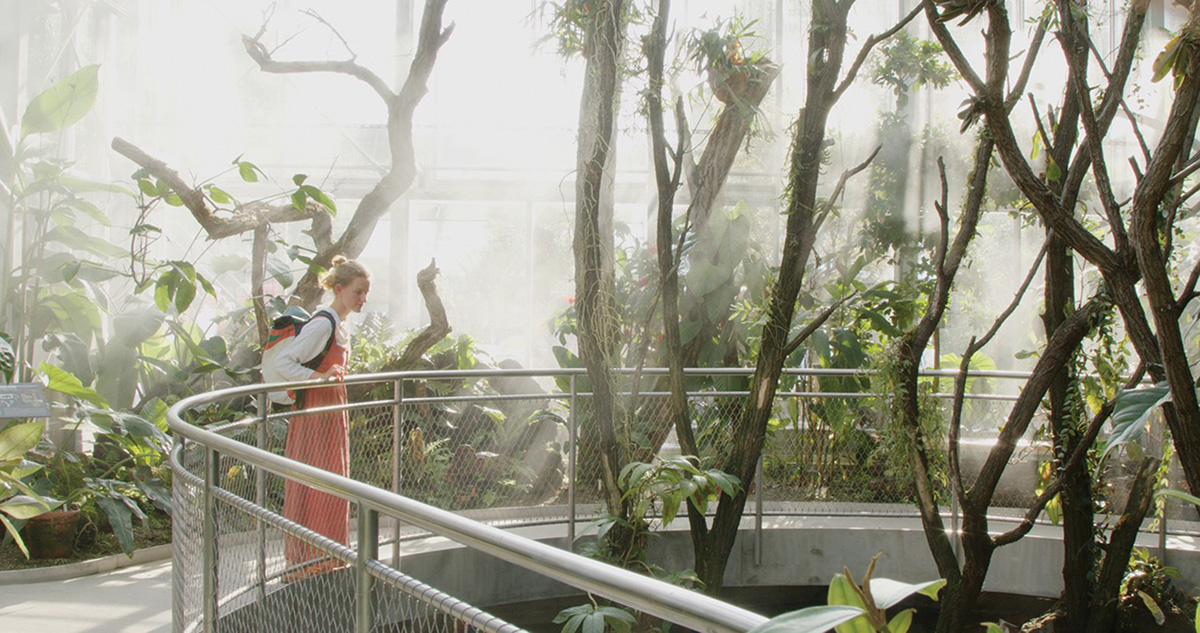
Where ancient rock formations and untouched ecosystems intersect with modern technology and the desire for tourism, unique transitional zones emerge. A romantic yearning for pristine nature clashes with recreational activities and environmental awareness. The film captures this central tension of our time in fascinating, sometimes surreal images.
Thomas Isler (b. 1967) is a filmmaker, artist, and lecturer based in Zurich, Switzerland. His documentary films have been shown at international festivals and have been released in cinemas and on television. Max Philipp Schmid (b. 1962) is an artist, filmmaker, and lecturer living and working in Basel, Switzerland. His short films have been screened at numerous international festivals and have received multiple awards. His video installations are presented in group and solo exhibitions in Switzerland and abroad.
Collectif Grapain, Les productions du Désert : Sans Soleil - Vidéo expérimentale | mp4 | couleur | 9:22 | France | 2024

Collectif Grapain, Les productions du Désert
Sans soleil
Vidéo expérimentale | mp4 | couleur | 9:22 | France | 2024
Construit comme une succession de tableaux vivants, Sans soleil (2024) est un film expe?rimental qui met en sce?ne un pyro paysage ou? l’humanite? contemple son propre effondrement. Cette vision, he?rite?e de l’e?puisement des ressources naturelles et des dérives industrielles de notre socie?te?, dessine les contours d’un avenir en proie au de?sastre. S’inspirant de « la trage?die du paysage » de Caspar David Friedrich et des « Cli-fi » sur l’habitabilite? de notre plane?te, Sans soleil imagine la mise a? mort du soleil dans un huis clos. Les matie?res fondent et se transforment en une sorte de lave dans une semi-obscurite? rougeoyante, mais ou? la combustion, loin de n’e?tre qu’une force de ravage, participe aussi paradoxalement a? l’e?mergence de nouvelles dynamiques du vivant. Sans soleil explore ainsi la tension entre disparition et renaissance, destruction et recomposition, et ouvre la voie a? une possible reconstruction.
Le Collectif Grapain est composé des frère et sœur Arnaud Grapain (né en 1989) et Maëva Grapain (née en 1992). Ils vivent et travaillent à Bobigny au sein du collectif Le Wonder, et ont étudié à l'École Nationale Supérieure d’Art – Villa Arson à Nice. Depuis 2026, ils participent au programme post-diplôme du Fresnoy – Studio national des arts contemporains à Tourcoing. Ils sont lauréats du Prix MAIF pour la sculpture (2018), le Gustav-Weidanz Art Prize (2023), le Prix Art Éco-Conception d’Art of Change 21 et du Palais de Tokyo (2025), et la bourse Émergence de l'ADIAF (2026). Leur travail a fait l'objet d'expositions au Kunstverein Braunschweig (2020), à la Grande Halle de la Villette (2021), au Kestner Gesellschaft (2022), au Kunstverein Hannover (2023), au CAC Brétigny (2024), à la Triennale Greenlight en Norvège (2024), au Salon de Montrouge (2026), et bientôt au Yangpeyong Museum of Art.
Alexandra Kumala : Notes From Silences - Doc. expérimental | hdcam | couleur | 14:15 | Indonésie | 2025
Alexandra Kumala
Notes from Silences
Doc. expérimental | hdcam | couleur | 14:15 | Indonésie | 2025
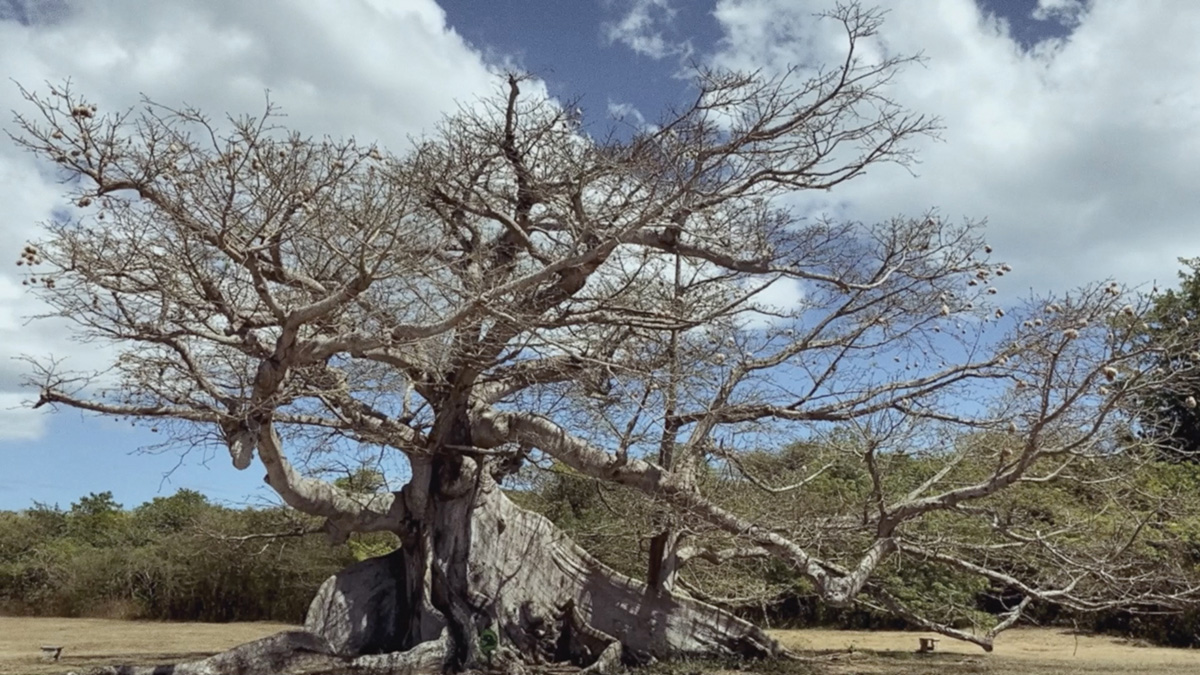
Notes from Silences gathers fractured memories from Vieques and Bali, two islands on opposite ends of the world that seem like "paradise fantasy" on the surface, but conceal a common buried history. Unplanned footage, photographs, and snippets of voice recordings intertwine with the sounds of nonhuman kin that bore witness when humans choose to forget. Beneath what seems to be banalities of everyday life, lies the loudest echo of violence: the silences people continue to keep.
Alexandra Kumala tells stories of the untranslatable and the inexpressible. Experimenting across film & moving image, sound & forms of deep listening, as well as literary & text-based practices, she works and plays with nontraditional forms that reimagine new ways of seeing, listening, and connecting to stories that are normally abandoned or overlooked. Her films have screened at the Museum of Moving Image, Casa de la Cultura Diego Rivera, Musée de Guellala, Museo de Arte Moderno de Medellín, Lichtblick-Kino, Film Coop NYC, and at galleries, museums, and film festivals globally. Exploring memory, mythology, and the mutable human mind, her work has received support from the New York Foundation for the Arts, NYSCA, Artist Trust, The Field, Queens Council on the Arts, and the Northwest Film Forum, among others. With a multicultural upbringing and nomadic life across continents, her storytelling invites audiences to listen & look more deeply into cultural multiplicities, intricate global entanglements, and the constant shifting of borders, language, and power.
Stefanie Schroeder, Juliane Jaschnow, Stefanie Schroeder : Warnungen An Die Ferne Zukunft - Doc. expérimental | 4k | couleur | 19:19 | Allemagne | 2025
Stefanie Schroeder, Juliane Jaschnow, Stefanie Schroeder
Warnungen an die ferne Zukunft
Doc. expérimental | 4k | couleur | 19:19 | Allemagne | 2025
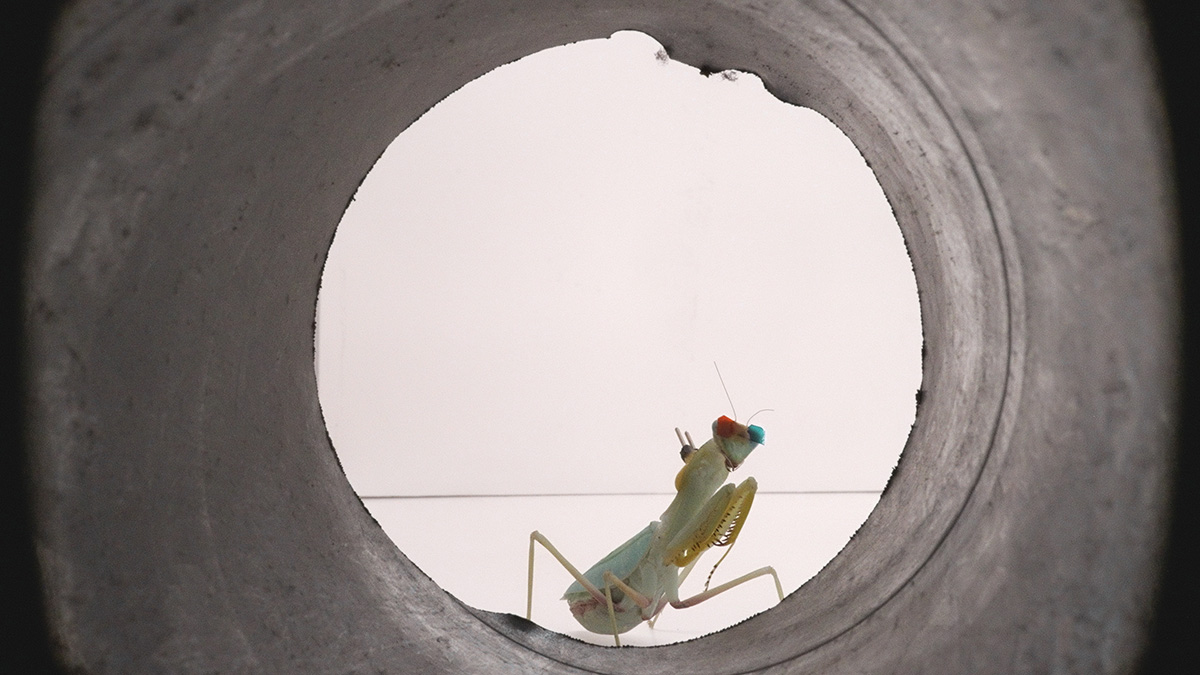
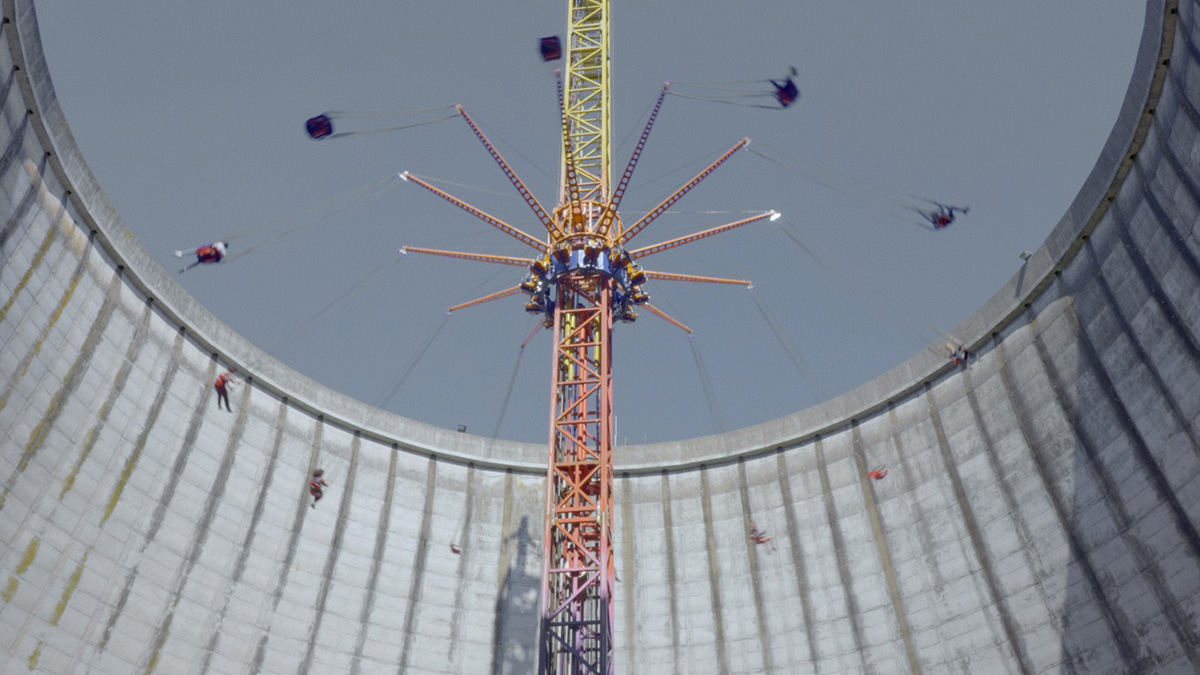
The future of humanity's precarious legacy is discussed along the lines of location issues in an endless online conference with 122 participants from civil society. All the experts agree: “Geology is more stable, reliable and predictable than political systems and societies”. A peace steamer cruises through the Moselle vineyards, past the NATO nuclear weapons base. In 1.5 years, the climate targets will be missed. The last and the penultimate generation will not meet. A praying mantis transformed into a stereoscopic pre-cyborg looks into a displaced past. On the Lower Rhine, a decommissioned nuclear reactor becomes an all-inclusive amusement park. There is still no final repository for highly radioactive waste in Germany, but “how are those who come after us to be warned of the danger? Isn't there also a right to forget?” A partially three-dimensional film about warning signs, feedback loops and communication problems, surrounded by living detectors, protest songs, cave drawings and the area between sign and object.
Juliane Jaschnow is an artist and filmmaker. Working with film, video, installation, object and print she discusses contemporary and historical image politics as well as collective narratives, memory processes, and their identity-creating dimension. Her work has been shown at international festivals and exhibitions such as transmediale Berlin, Deichtorhallen Hamburg, National Gallery Prague, DOK Leipzig and steirischer herbst Graz. She is part of the Filmic Initiative Leipzig (FILZ). Stefanie Schroeder works in photography and film and is interested in social usages of photo, images of work/labour, (mental) landscape transformations, east germany and ghostphotographs. She studied at HGB Leipzig, participated in werkleitz PMMC and in MDM pilot program and is a member of FILZ Leipzig and of artspace.mpeg. She won the Bremen Video Art Award and the Aenne Biermann Prize.
Karolina Bergman Engman : Nightfall Over The Baltic Sea - Experimental documentary | Digital | couleur | 15:45 | Suède, Estonie | 2026
Karolina Bergman Engman
Nightfall Over The Baltic Sea
Experimental documentary | Digital | couleur | 15:45 | Suède, Estonie | 2026
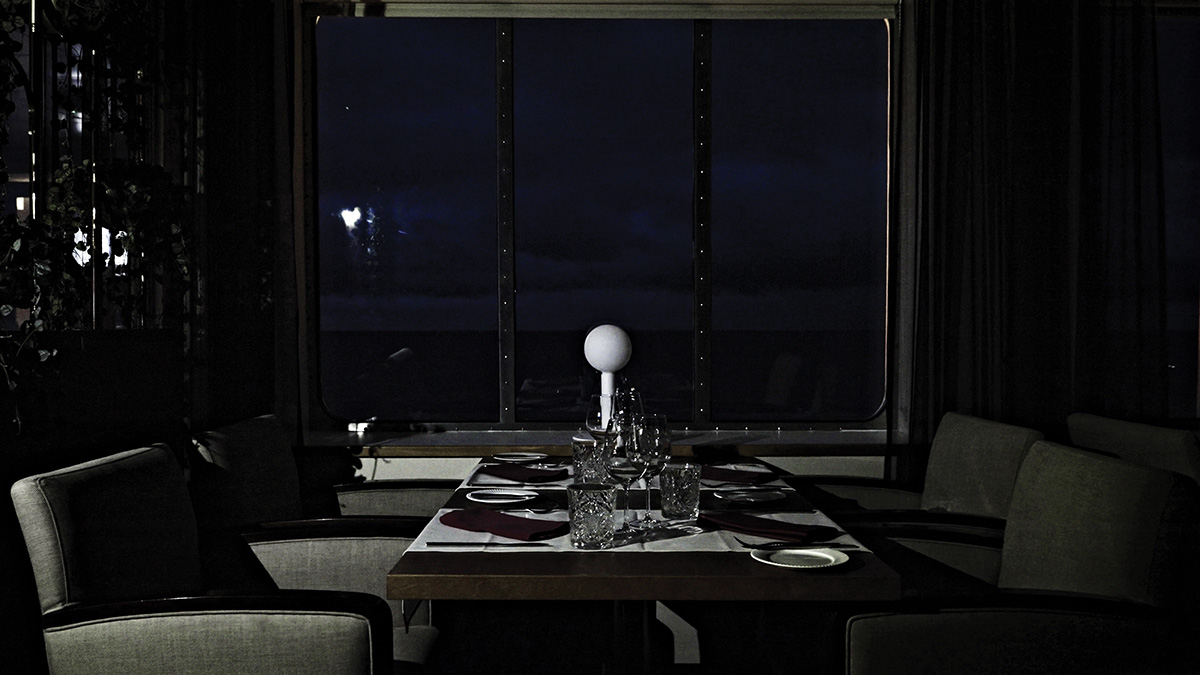
On a cruise ship between Sweden and Estonia a shadow is travelling in a constructed imaginary world of glass. In a commercial murmur we find ourselves on a pilgrimage across the Baltic sea as we travel in Estonia’s history — searching in the night’s dusk.
Karolina Bergman Engman (b.1991, SE) is a Swedish-Estonian artist and film maker who completed her MFA at Malmö Art Academy in 2024. In her practice she focuses on environments in relation to collective memory and history, where she reflects an inner world. Through the camera she examines her perception as she is tracing a past of what is framed. To a point where the inner and outer world is blended. Her works and films have been recently shown at IFEMA + Film Festival (SE), Museum of Artistic Process and Public Art (SE), Den Frie (DK) and Cinema Visionario (IT).
Performance
Palais de Tokyo | Salon des communs
13 Avenue du Président Wilson - 75116 Paris / Métro : Alma-Marceau, ligne 9 / Iéna, ligne 9
Entrée libre tout public dans la limite des places disponibles
Accréditation professionnels et badge jeunes : accès gratuit prioritaire dans la limite des places disponibles
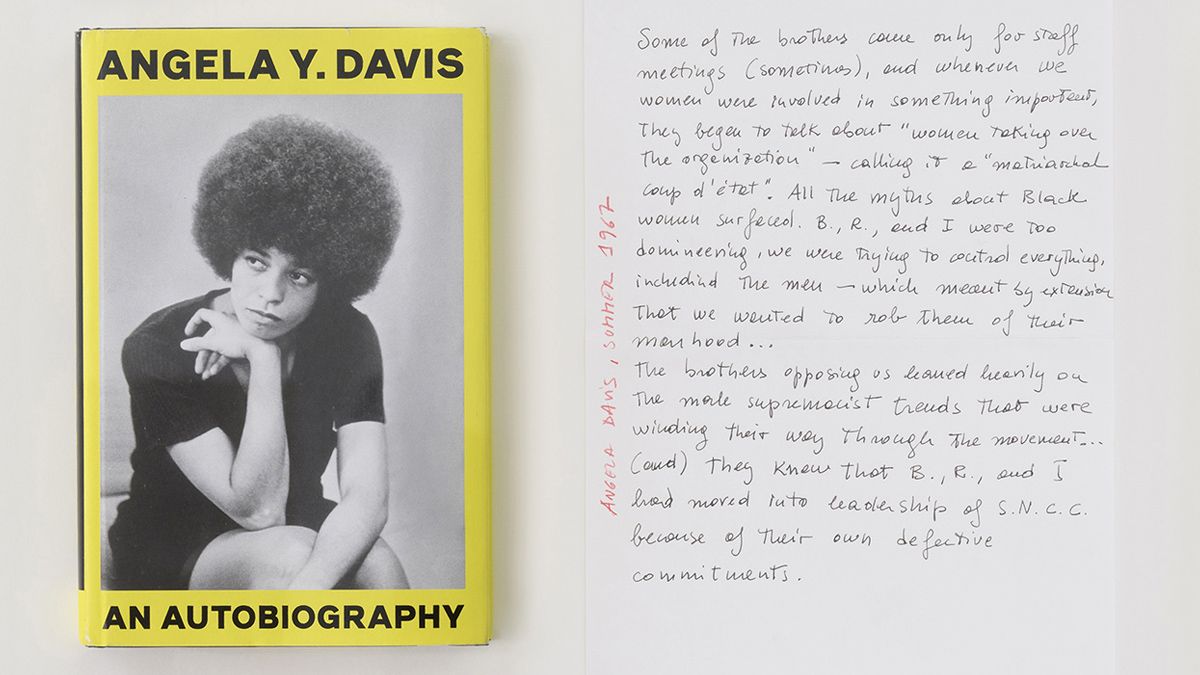
Dora García, Lecture performance collective
Séance spéciale
MEP Maison Européenne de la Photographie | Auditorium
5/7 rue de Fourcy - 75004 Paris / Métro : Saint-Paul, ligne 1 / Pont Marie, ligne 7
Entrée libre tout public dans la limite des places disponibles
Accréditation professionnels et badge jeunes : accès gratuit prioritaire dans la limite des places disponibles
"Cosmos"
Sarema Shorr : The Murmuring Deep - Doc. expérimental | 16mm | couleur et n&b | 17:12 | USA, 0 | 2025

Sarema Shorr
The Murmuring Deep
Doc. expérimental | 16mm | couleur et n&b | 17:12 | USA, 0 | 2025
'The Murmuring Deep’ centers the rupture of traditional knowledge as the site of the sublime, where we can catch a glimpse of more-than-human sources of knowing and being.
Sarema Shorr is a British filmmaker based in Los Angeles. She is a BAFTA Scholar and holds an MFA from CalArts. Through embodied research, her films are in conversation with the external world, where boundaries of meaning are continually redefined through interaction. She uses film as a tool of investigation, play, and reciprocal transformation. Her work has been presented internationally at festivals and venues including Milwaukee Underground Film Festival, Antimatter [Media Art], Labocine, Lausanne Underground Film Festival, Rae–Nang Thailand, Whammy! Analog Media, REDCAT and the REEF LA.
Rosa Barba : Myth And Mercury - Film expérimental | 16mm | couleur | 22:0 | Italie | 2025
Rosa Barba
Myth and Mercury
Film expérimental | 16mm | couleur | 22:0 | Italie | 2025
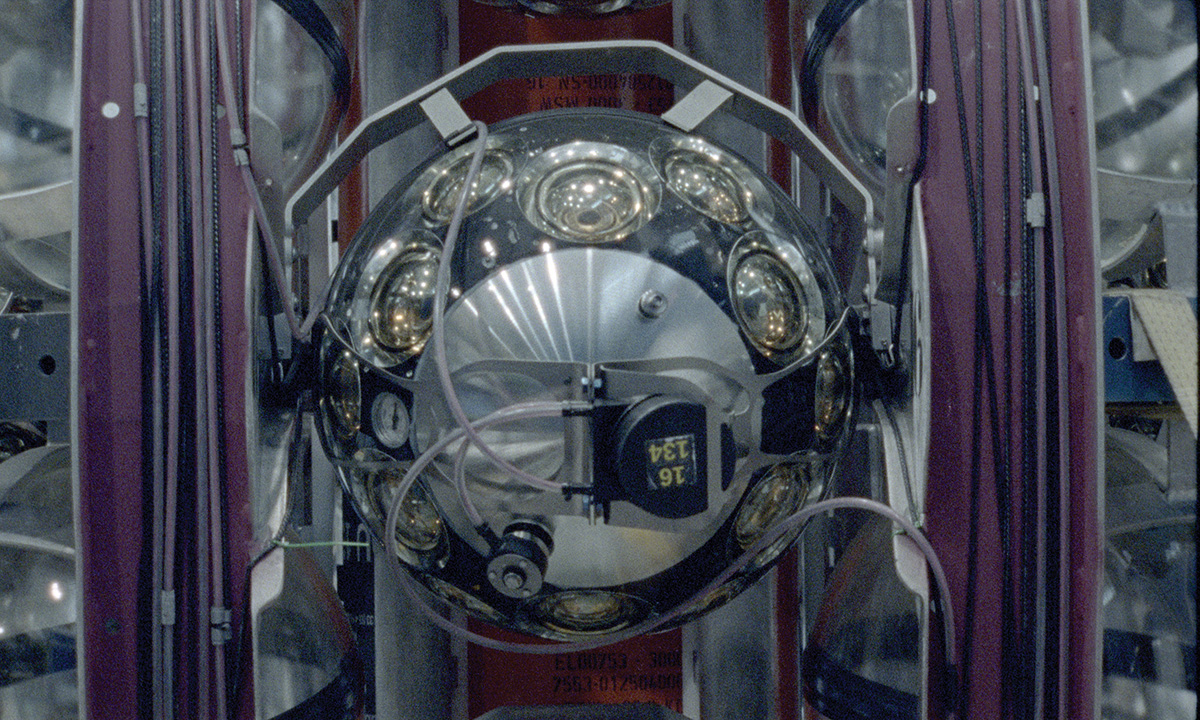
On one hand, intergalactic particles or grains meeting a community’s fireworks—the explosions’ lights–momentary glows against the night sky. On the other hand, extracts from Gramsci’s life in prison, memories of a revolutionary thinker as he approaches death, alongside the inner workings of the planet, bubbling scenes, and volcanic land. While the film’s pace is slow, its stories carry millions of years, myths, stellar imagery, high-tech machinery, and also realities of life, especially in Sicily. Myth and Mercury’s ending segment offering a vision of scientific futures comes all of a sudden. Ultra-high energy neutrino detected in the Mediterranean, it has been declared. Records have been broken. Pulverised, even.
Rosa Barba, born in Agrigento, Italy, and based in Berlin, Germany, explores themes of permanence, impermanence, reality, and fiction through films, sculptures, installations, publications, and performances. Her work examines how space is influenced by temporal and linguistic constructs, challenging traditional narratives and semiotics. Barba deconstructs cinematic elements, merging physical materials with abstract concepts like time and sound. Her work is part of numerous international collections and her forthcoming and recent solo exhibitions include: Nevada Museum of Art (2027), Gropius Bau, Berlin (2027), Barbican, London (2027)Centre Pompidou, Paris (2026), Museum Haus Konstruktiv, Zurich Art Prize (2026), Albertina Museum, Vienna (2026), Calouste Gulbenkian Museum, Lisbon (2026), MAXXI, Rome (2025), MoMA, New York (2024, 2025), Centre Pompidou, Paris (2023), Tate Modern, London (2023), Neue Nationalgalerie, Berlin (2021-2022), and at Biennials such as the 53rd and 56th Venice Biennale, Sao Paolo (2016), Sydney (2014) and Performa (2013). Barba was awarded the Zürich Art Prize (2026), Smithsonian Artist Research Fellowship (2025), the Calder Prize in 2020 and the Fondation Prince Pierre de Monaco's International Prize for Contemporary Art in 2015.
Inès Heddar : The Moon Is Away - Vidéo expérimentale | 4k | couleur | 6:11 | France | 2026
Inès Heddar
The Moon is Away
Vidéo expérimentale | 4k | couleur | 6:11 | France | 2026
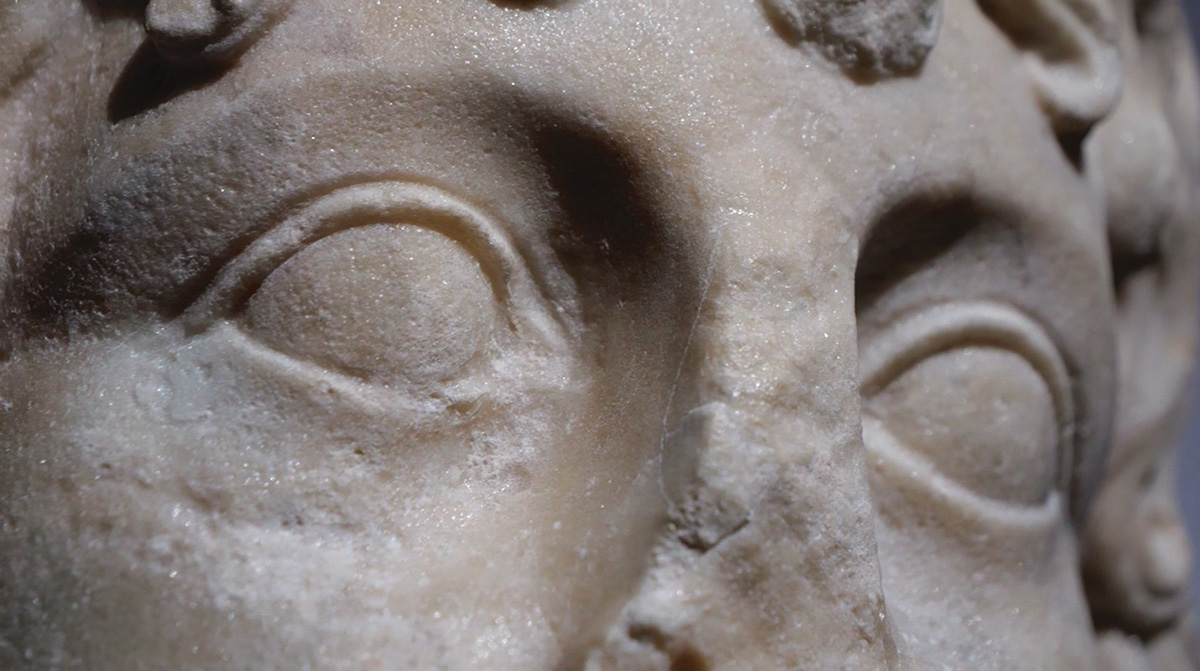
A post-apocalyptic world—which is described through a voice-over haunts the gods and goddesses of the Gallo-Roman Museum in Lyon, filmed from very close up. Through a poem, the film paints a portrait of a doomed, lost, strange era that failed to keep its promises, yet remains abstract. A temporal and sonic rift: the sound is a character in its own right—a rather unsettling, threatening character, like an undefined entity colliding with a past that is itself inaccessible.
Inès Heddar (b. 1995) is an artist and researcher born and based in France, of Algerian origin. At the intersection of video, sound, drawing, publishing and performance, her work explores the notions of memory, territory and narrative, most importantly along the shores of the Mediterranean. She seeks to develop sensory devices that question the relationship between space, history and perception, with a poetic approach rooted in dreamlike imagery. Her installations invite the viewer to step into the territory where she wanders and find their own interpretative path through it. Inès Heddar’s work is an arrangement of reality through the image, whether it be in movement, in a fanzine, or on a sheet of paper. It is political and sensitive.
Catherine Radosa : Dans L'or Du Flot - Vidéo expérimentale | 4k | couleur | 2:59 | France, Tchèque (Rép.) | 2026

Catherine Radosa
Dans l'or du flot
Vidéo expérimentale | 4k | couleur | 2:59 | France, Tchèque (Rép.) | 2026
Ce plan-séquence (2'54'') est tourné dans la vallée de la rivière Úpa, connue dans la littérature tchèque par l'autrice Božena N?mcová, dans les années 1850, qui dépeint des vies autour d'une rivière bucolique et vive. Plusieurs siècles plus tard, l'histoire n'est pas la même. Elle s'écrit sur une couverture de survie pour refléter ce que l’œil nu ne voit pas : les espèces menacées, la pollution, la température qui monte - une réalité désormais commune des réseaux fluviaux européens. Le cours de l'eau traverse les frontières et le temps. L'écran d'or porte les figures tracées par l'artiste retenues dans le flot par les mains des générations qui se suivent. La vidéo a été réalisée dans le cadre de la résidence de création à ?eská Skalice en République Tchèque, sur l'invitation de la Galerie Luxfer.
Catherine Radosa est artiste plasticienne, performeuse et réalisatrice franco-tchèque. Elle travaille à la croisée des lieux et des images, des mots et des situations, qu’elle les rencontre ou qu’elle les provoque, souvent dans l’espace public. Prenant corps dans la rencontre et l’immersion au sein de lieux porteurs d’histoires, de sites marqués par leurs fonctions sociales et écologiques, son travail relève du processus et de l’expérimentation collective; il vise à créer de nouveaux espaces de réflexion et de représentation. Ses projets prennent la forme de films, de projections vidéo à l’échelle de l’architecture et de paysage, d’images, d’installations multimédias, d’œuvres sonores, de performances et d’interventions in situ. Son travail est présenté à l’échelle internationale depuis une quinzaine d’années, au sein d’expositions personnelles, collectives, dans le cadre de festivals et au cinéma et dans l’espace public : par ex. Maison POP (Montreuil, 2023), Nuit Blanche Paris (2026, 2023, 2013, 2011), Centre Pompidou (Paris, 2022), Académie du Climat (Paris, 2023), Cinéma Écran (Saint-Denis, 2023), Pragovka Gallery (Prague, 2026, 2021, 2019), Proyector (Madrid, 2021, 2019), Videoformes (Clermond-Ferrand, 2017), Centre de la Photographie (Genève, 2019, 2016), DOX (Prague, 2014), Galerie Gabrielle Maubrie (Paris, 2013), Rencontres Internationales Paris/Berlin/Madrid (2012), Côté court (2009, Pantin)…
Mélissa Epaminondi : Dione - Experimental documentary | 16mm | couleur | 16:22 | France, Grèce | 2025

Mélissa Epaminondi
Dione
Experimental documentary | 16mm | couleur | 16:22 | France, Grèce | 2025
Dione est un film réalisé sur le site archéologique de Dodone, en Grèce, où se trouvait le plus ancien oracle du monde grec. La pratique divinatoire y reposait sur l’écoute des manifestations du vivant : le bruissement des feuilles du chêne sacré, les chants des oiseaux ou les résonances des chaudrons d’airain. À partir de cette histoire, le film propose une réinterprétation contemporaine de l’oracle, faisant de l’écoute son principe de construction. Les éléments du paysage — pierres, eau, arbres, insectes, vent et animaux — deviennent les protagonistes d’une expérience sensorielle où les frontières entre réel et imaginaire se brouillent. Développée en collaboration avec le compositeur et chercheur Florent Caron Darras, la recherche sonore explore, grâce à différents dispositifs de captation, des phénomènes habituellement imperceptibles. Sons naturalistes et transformations électroniques composent un paysage acoustique où se révèlent d’autres présences et temporalités. Avec Dione, Mélissa Epaminondi poursuit une recherche sur notre relation aux territoires et aux formes de vie qui les habitent. Le film invite à déplacer notre perception du paysage, à l’écoute de ses présences et de ses temporalités multiples.
Née en 1977 à Bastia, Mélissa Epaminondi vit et travaille entre Paris et la Corse. Artiste et architecte, elle est diplômée de l’École nationale supérieure d’architecture de Marseille-Luminy. Sa pratique interroge les relations que nous entretenons avec les paysages, les architectures et les milieux que nous habitons. À travers des films et des installations, elle explore les dimensions sensibles et perceptives de notre rapport aux lieux, ainsi que les liens entre phénomènes naturels, mémoire et imaginaire. Son travail propose des expériences où se mêlent observation, écoute et fiction. Ses œuvres ont notamment été présentées au FRAC Corsica, à Es Baluard Museum of Modern and Contemporary Art (Palma de Majorque), aux Rencontres Internationales Paris/Berlin, au Centre d’art contemporain de Meymac et à la Casa Conti – Ange Leccia. En 2010, elle cofonde le collectif L140, consacré aux relations entre art et architecture. De 2016 à 2022, elle enseigne l’art vidéo à l’Université de Corse Pasquale Paoli.