Catalogue > Search
Results for : Catalogue 2021
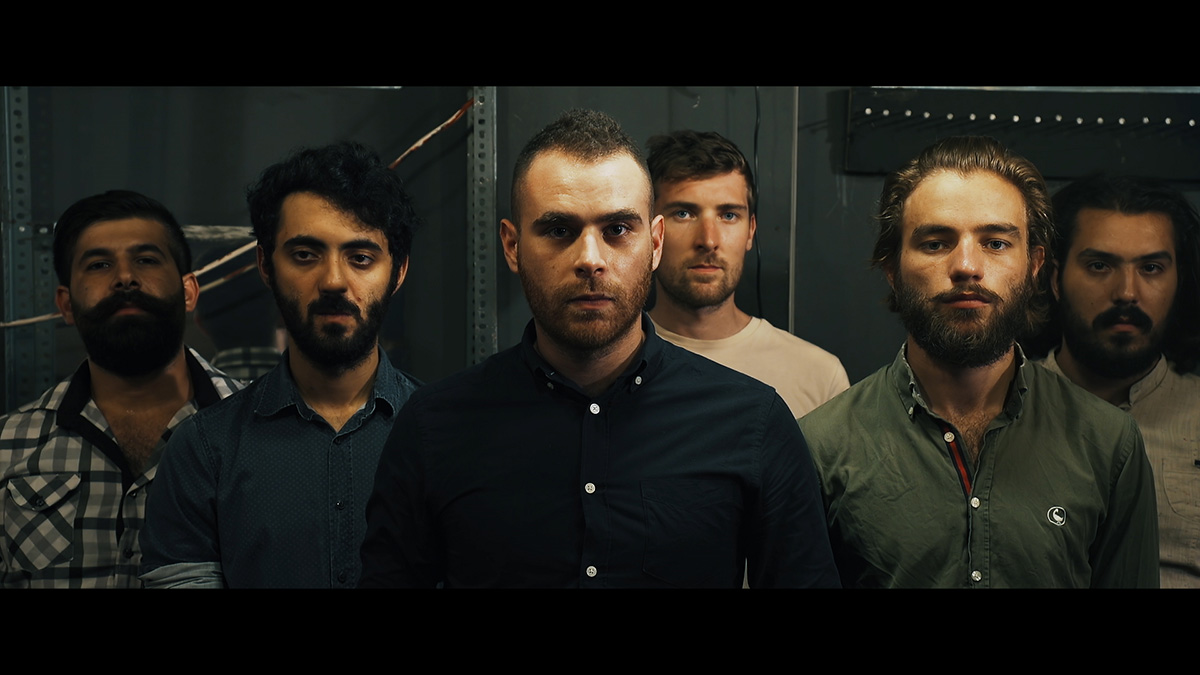
Noor Abed, Mark Lotfy
One Night Stand
Doc. expérimental | mov | couleur | 24:0 | Palestine, Egypte | 2019
Le film est basé sur la rencontre réelle que les réalisateurs ont faite un soir avec un homme Européen inconnu, une nuit dans un bar de Beyrouth. Il s'agit d'un combattant en route pour rejoindre la milice kurde qui lutte contre l'État islamique sur le territoire syrien. La conversation a été secrètement enregistrée sur un téléphone portable, et sert de scénario à des situations modélisées animées et à des reconstitutions performatives de ce soir-là. Le film est également un questionnement formel sur l'authenticité apparente du documentaire et sur les possibilités de représentation de la réalité au moyen de simulations et de situations modélisées.
Noor Abed est née en 1988 à Jérusalem (Israël). Elle est artiste interdisciplinaire et réalisatrice. Elle crée des œuvres multimédia à la frontière de la performance, du cinéma et des nouveaux médias. Sa pratique examine les notions de chorégraphie et les relations imaginaires entre les individus, créant des situations où les possibilités sociales sont à la fois répétées et exécutées. Ses recherches actuelles portent sur le concept de mythe et la forme du réalisme magique – ainsi que sur leur relation étroite avec les discours coloniaux et post-coloniaux. Mark Lotfy est né en 1981 à Alexandrie (Égypte). Il est réalisateur de films expérimentaux. Il explore la frontière entre les récits de fiction, le film documentaire et les arts médiatiques. Sa pratique interroge le quotidien, le contingent et le virtuel. Ses recherches actuelles portent sur les notions de nationalisme, de fondamentalisme, d'émotionnalisme et d'héroïsme - à travers leurs mécanismes non seulement idéologiques et performatifs, mais aussi technologiques. Il examine les structures encadrées dans lesquelles sont produites de nouvelles subjectivités aliénées.
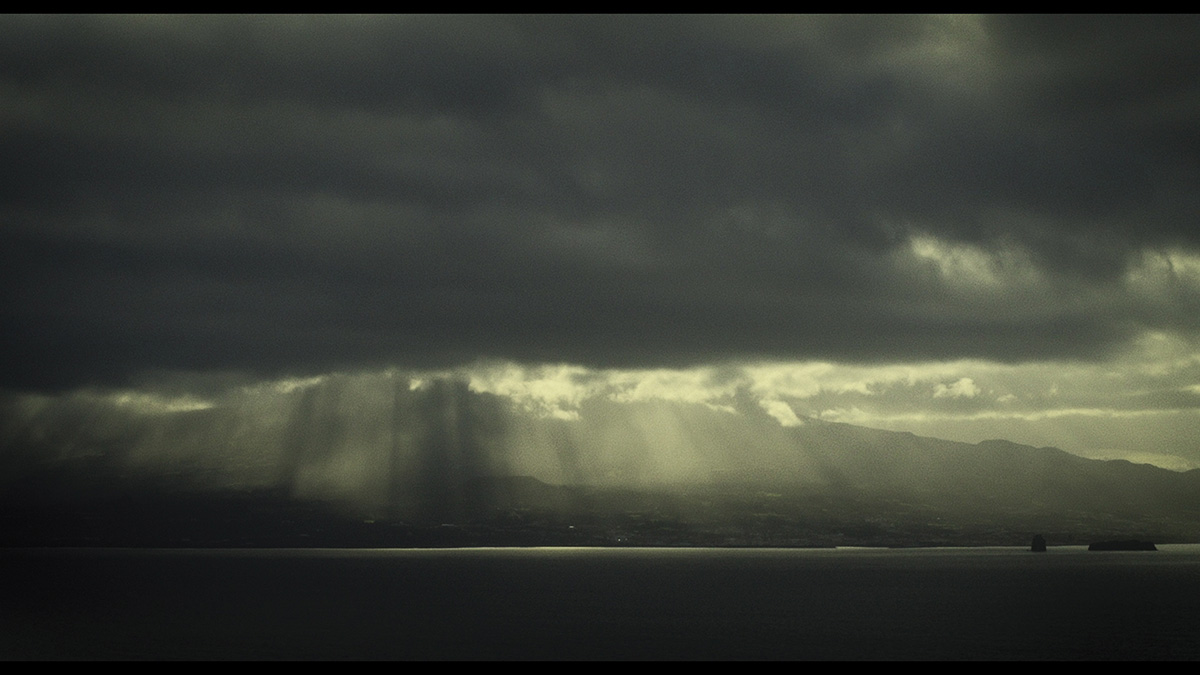
Paulo Abreu
O QUE NÂO SE VÊ
Doc. expérimental | mov | | 24:0 | Portugal | 2020
L'idée de ce film, tourné entre 2015 et 2016 sur deux îles des Açores, Pico et Faial, est apparue par accident. En revenant sur les images de repérage pour un précédent projet annulé des années auparavant, un autre film s’est révélé. Le pouvoir de la nature et le rôle du hasard dans le processus de création produisent un récit sur l'amitié, le cinéma et l'influence de l'inattendu dans la création artistique.
Paulo Abreu est d’origine portugaise. Réalisateur et directeur de la photographie, il a réalisé aussi bien des films de fiction que des documentaires. Il a remporté plusieurs prix lors de festivals de cinéma. Il a fait ses débuts en tant que réalisateur freelance, avec des films pour la danse, la musique et le théâtre. Caméraman et/ou directeur de la photographie dans un grand nombre de clips musicaux, de documentaires, de films courts et de longs métrages. Vidéaste dans diverses expositions d'art. Réalisateur de films expérimentaux en Super 8 et vidéo, distribués par Lightcone, Paris (France). Lauréat dans plusieurs festivals.
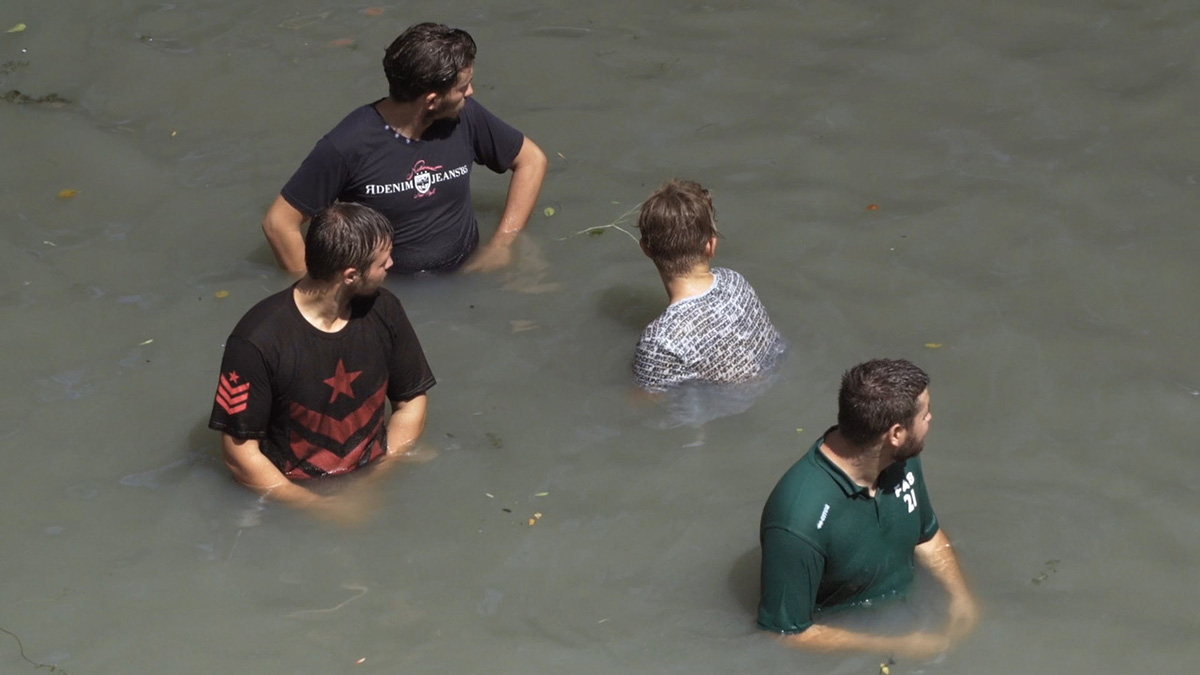
Yalda Afsah
Vidourle
Documentaire | mov | couleur | 10:0 | Allemagne | 2019
Le film de Yalda Afsah, tirant son nom du Vidourle, un fleuve français, documente une chorégraphie étrange et subtilement troublante. Il met en scène un groupe de jeunes hommes, qui prennent part à ce qui pourrait être un rituel, un spectacle, un jeu ou un combat. Dans leurs mouvements collectifs, ainsi que dans les moments individuels de concentration, d'anticipation et parfois d'insouciance, les protagonistes, des adolescents pleins d'adrénaline, semblent incarner la fragilité de la condition humaine dans l'attente d'un changement environnemental, semblable à un courant de rivière d'une force inattendue.
Yalda Afsah explore la façon dont l'espace peut être construit de manière filmique, et le caractère documentaire de ses œuvres tend souvent vers des formes de théâtralité. Cette caractéristique formelle de sa pratique se reflète conceptuellement dans ses portraits documentaires à propos de relations entre l'être humain et l'animal, qui révèlent une ambivalence entre soins et contrôle, force physique et volonté brisée, instinct et manipulation. Il cherche à remettre en question et à dissoudre ces dichotomies, tout en créant un espace pour réfléchir à la possibilité d'une empathie globale entre les espèces.
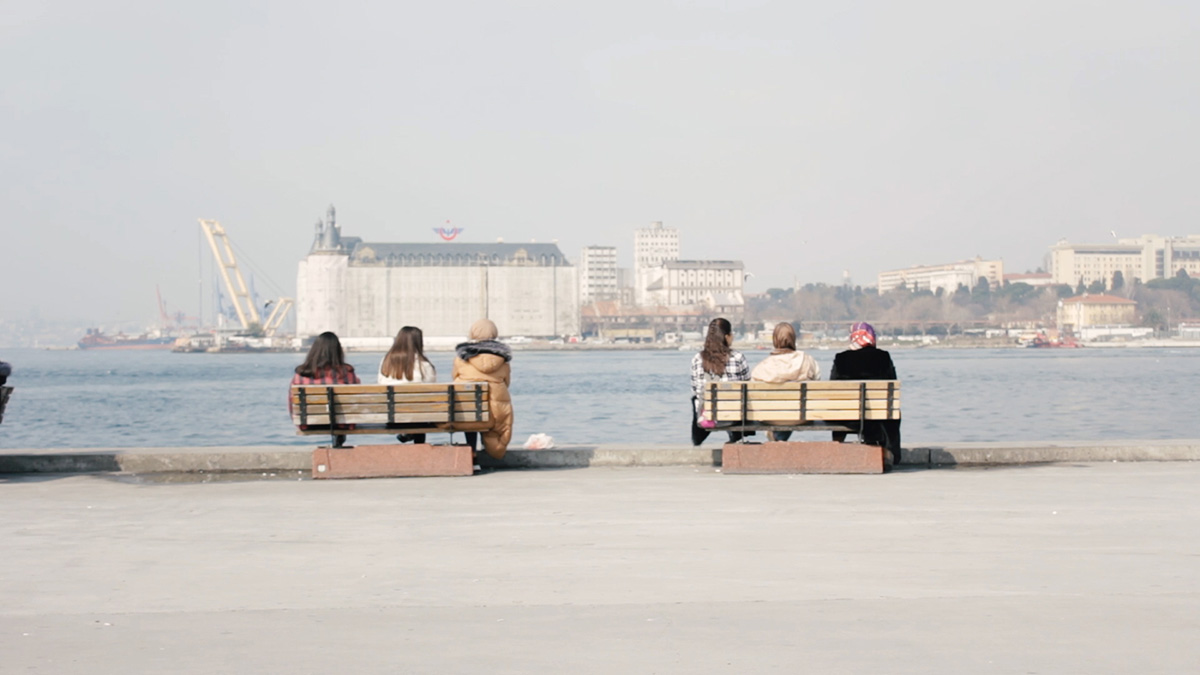
özge Akarsu
Emine
Fiction expérimentale | hdv | couleur | 11:39 | Turquie | 2020
Le 7 avril 2020, 8 mois se sont écoulés depuis qu'Emine Bulut a été assassinée par son ancien mari. Une lettre lui est adressée, ainsi qu'à toutes les victimes de fémicide dans le monde; une lettre qui questionne la féminité, le fait d'être une femme en Turquie...
Özge Akarsu est née et a grandi en Turquie. Elle vit actuellement en Belgique où elle étudie le cinéma d'animation à la KASK - Académie royale des Beaux-Arts, Gand. Avant de commencer ses études en animation, elle a obtenu un master en droit relatif aux droits humains, spécialisé en philosophie politique, à Istanbul (Turquie). Après trois ans de recherche doctorale sur Spinoza et la modernité, à l'Université d'Anvers (Belgique), elle s'est intéressée à l'animation et à la réalisation, qui l'aident à exprimer pensées, sentiments, idées et instincts qui ne peuvent être expliqués uniquement par les mots.
Eren Aksu, Eren Aksu
Onun Haricinde, Iyiyim
Fiction | mov | couleur | 14:0 | Turquie, Allemagne | 2020
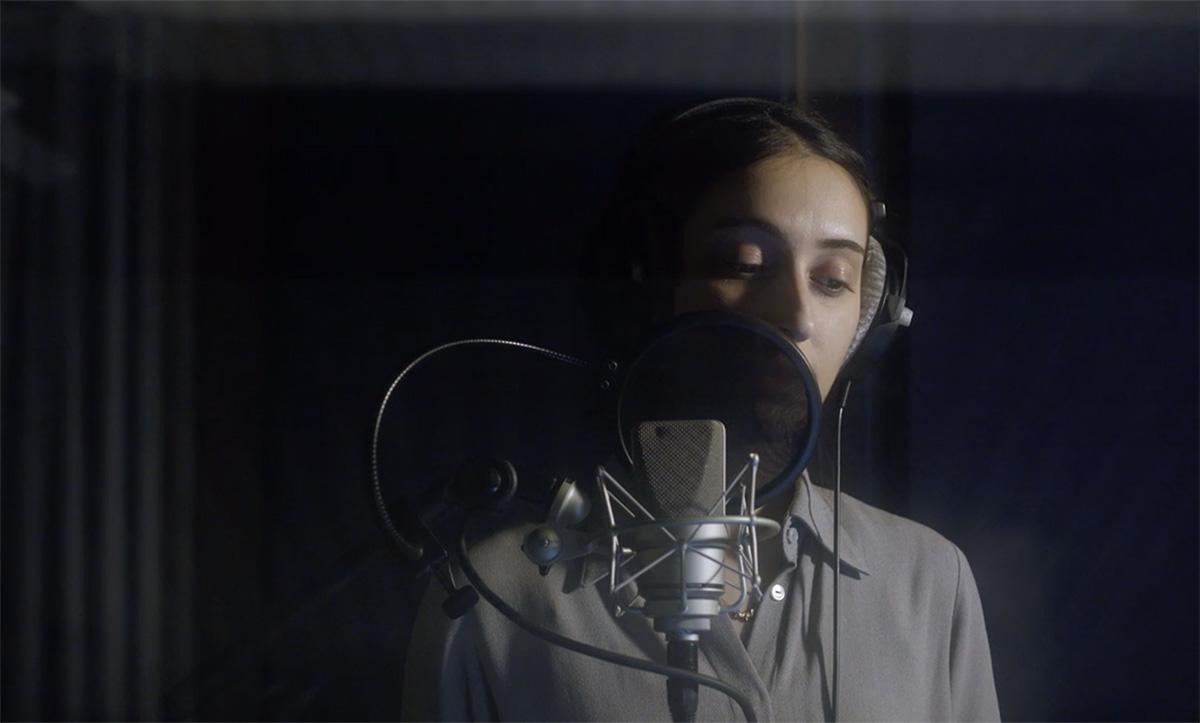
Se joignant à une récente vague d'immigration de la Turquie vers l'Allemagne, Asli est nouvelle à Berlin. Elle passe une audition pour devenir la voix de l'audioguide d'un musée archéologique, ce qui la confronte à des objets provenant de son pays d'origine, dont un autel monumental à Zeus. Les rencontres qu'elle fera pendant le reste de la journée révèleront l'absurdité du sentiment de déracinement.
Eren Aksu est réalisateur et monteur. Né à Istanbul (Turquie), il vit à Berlin (Allemagne). Il est titulaire d'une Licence en cinéma et télévision à la Istanbul Bilgi University (Turquie), ainsi que d'une Licence et d’un Master en arts et médias à la Universität der Künste Berlin (Allemagne). Il a participé à Talents Sarajevo (Bosnie-Herzégovine) en tant que réalisateur, et ses films ont été projetés dans de nombreux festivals internationaux, notamment aux Internationale Kurzfilmtage Oberhausen (Allemagne); au Sarajevo Film Festival (Bosnie-Herzégovine); au Filmfest Dresden, Dresde (Allemagne); et au Akbank Short Film Festival, Istanbul (Turquie). Son dernier film, "Other Than That, I'm Fine", a remporté le 3sat promotional award aux 66e Internationale Kurzfilmtage Oberhausen (Allemagne).
Selene Alge
Coming soon
Vidéo expérimentale | mp4 | couleur | 10:43 | Brésil | 2019
"Coming Soon" reprend 218 intertitres tirés bandes-annonces, des années 30 à 2019. Ces intertitres sont juxtaposés et montés chronologiquement, afin de ne conserver que le texte "coming soon". En 10 minutes environ, une attente est créée par la répétition de cette expression cinématographique, dans laquelle on ne sait pas exactement ce qu’on attend - s'agit-il de quelque chose d'extérieur à la vidéo ou d'un événement en soi? Quelque chose est toujours en train d'arriver; cela n'arrive jamais et/ou c’est déjà arrivé.
Selene Alge (née en 1986, à São Paulo, Brésil) est artiste visuelle. Elle est diplômée de la FAAP - Fundação Armando Alvares Penteado, São Paulo (Brésil). De 2016 à 2017, elle a été artiste en résidence à la Cité Internationale des Arts, Paris (France), où elle est retournée en 2019 pour poursuivre ses recherches sur les souvenirs liés aux salles de cinéma. Ces dernières années, elle a participé à des expositions et des festivals de cinéma, notamment à la Mostra do Filme Livre, qui s’est tenue au CCBB - Centro Cultural Banco do Brasil, à São Paulo, à Rio de Janeiro et dans le District Fédéral (Brésil); ainsi qu’à la Mostra Strangloscope, à Florianópolis (Brésil).
Fabian Altenried
Amygdala
Fiction | 4k | couleur | 29:39 | Allemagne | 2020
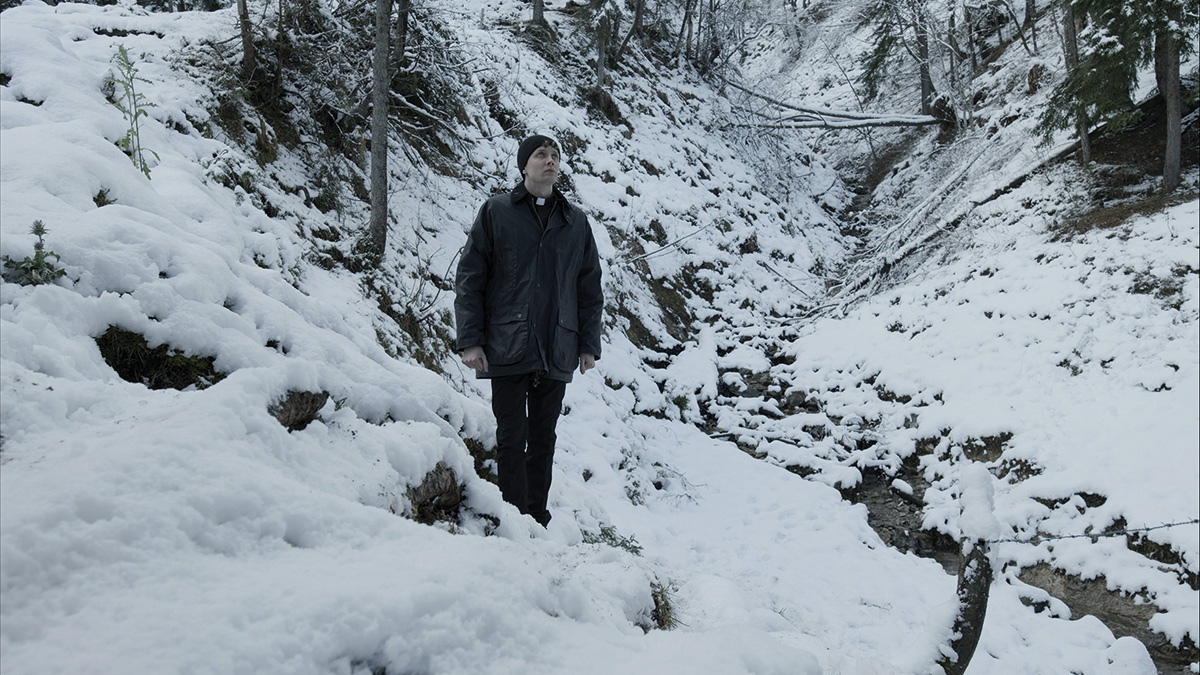
Les chardons fleurissent au plus fort de l'hiver, les tympans des vaches éclatent, du lait empoisonné sort de leurs mamelles - dans un village de montagne isolé, le monde s'écroule. Les attaques intangibles de la nature frappent la ferme des Haberer en plein cœur, quand leur fille aînée tombe subitement malade. Au milieu des efforts enflammés pour interpréter ces événements mystérieux, la famille de paysans craint, de plus en plus désespérément, pour sa survie économique et pour sa propre survie.
Fabian Altenried est né en 1987. Réalisateur, producteur et auteur, il a étudié les beaux-arts à Düsseldorf (Allemagne), et la philosophie à Berlin (Allemagne). Il est le directeur général de Schuldenberg Films, Berlin (Allemagne). Il se concentre sur les films traitant de questions politiques, critiques et sociales qui recherchent une forme inhabituelle et artistique. Son travail se concentre sur des films ayant une approche politique, critique et sociale qui requièrent une forme artistique singulière.
Alzakout Amel
Purple Sea
Documentaire | dcp | couleur | 67:0 | Allemagne | 2020
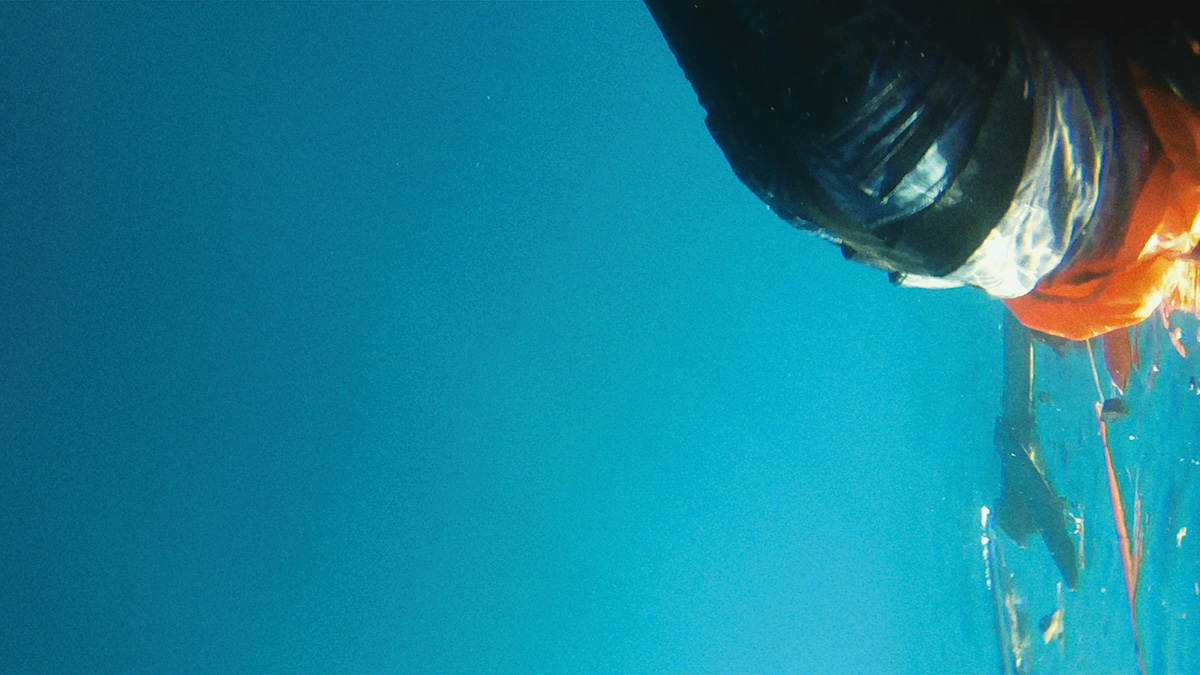
"Je vois tout", dit-elle, comme si c'était une malédiction. Soleil éclatant, ciel bleu sans nuages. La mer est calme, encadrée par un bout de balustrade. Des voix qui bourdonnent. Un moment paisible si ce n'est que la mer est debout, verticale, comme une cascade. Une ruée d'images, virevoltantes, sens dessus dessous, cahotantes. Des gens dans le bateau, dans l'eau, des cris, des gilets de sauvetage, des sifflets de détresse. Orange fluo, formes géométriques découpées par le soleil. Il n'y a plus d'horizon, ni de ciel, plus de haut ou de bas, seulement la profondeur et rien à quoi se raccrocher. Même les mouvements d'Eme s'arrêtent, se contractant dans le présent brutal. Elle filme et parle. À lui, à elle-même, à nous, peut-être. Des jambes flottant dans un pantalon de survêtement, des jeans, serrés les uns contre les autres. Un chemisier à motif papillons, on dirait que leurs ailes battent dans l'eau. La ceinture serpentine d'un manteau, un gobelet en plastique froissé, un paquet de cigarettes. Allez tous vous faire foutre! Elle parle, elle rage, et elle filme pour vaincre la fatigue, le froid, le fait que les secours n’arrivent pas. Pour ne pas mourir, pour qu'il reste simplement quelque chose.
Amel Alzakout est née en 1988 en Syrie et habite à Leipzig (Allemagne). Elle est artiste et réalisatrice. De 2010 à 2013, elle a étudié le journalisme à l'Université du Caire (Égypte). En 2017, elle a participé, avec d'autres artistes, à l'installation vidéo "Trust Us", dans le cadre du 3e Herbstsalon au Maxim Gorki Theater, Berlin (Allemagne). De 2017 à 2018, elle a étudié les arts à la Kunsthochschule Berlin-Weißensee, Berlin (Allemagne). Actuellement, elle étudie les arts médiatiques à la HGB – Hochschule für Grafik und Buchkunst, Leipzig (Allemagne). En 2018, elle a remporté, avec son coréalisateur Khaled Abdulwahed, le Film Prize for International Cooperation Germany/Arab World, de la Robert Bosch Stiftung, Stuttgart (Allemagne), pour son long métrage "Purple Sea", produit par pong film, Berlin (Allemagne). Il s’agit de sa première réalisation. Khaled Abdulwahed est né en 1975 en Syrie, et habite maintenant à Leipzig (Allemagne). Il est artiste, photographe et réalisateur. De 1996 à 2000, il a étudié les beaux-arts et le design graphique à la Adham Ismail Art School, Damas (Syrie), et à la Frederick University, Nicosie (Chypre). De 2002 à 2008, il a exposé ses œuvres d'art au Moyen-Orient et en Europe. De 2011 à 2013, il a dirigé et produit des œuvres d'art vidéo, qui ont été projetées dans de nombreux espaces artistiques, festivals, universités et chaînes de télévision du monde entier. En 2015, il a été invité dans la section Talents de la Berlinale, Berlin (Allemagne). En 2018, son court métrage "Backyard" a été présenté en première mondiale au FID Marseille (France), et y a remporté le Prix du CNAP - Centre national des arts plastiques.
Mauricio Arango
Seafarer
Film expérimental | mov | couleur | 26:0 | Colombie, USA | 2020
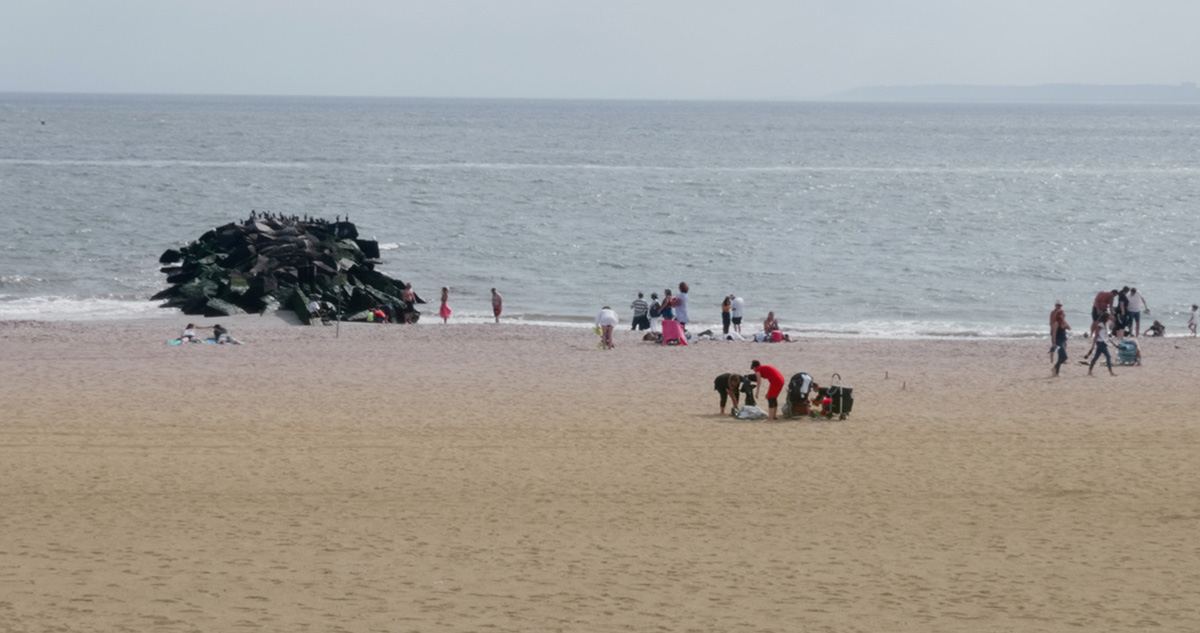
"Seafarer" est un film narratif expérimental. Il combine un style d’essai, le field recording, des fragments d'études visuelles, des expériences avec des acteurs et une réflexion romancée sur la production artistique ancrée dans l'expérience personnelle. Un unique monologue accompagne des prises de vue, longues pour la plupart, illustrant des moments quotidiens filmés dans la ville de New York: un coucher de soleil sur le fleuve Hudson, des gens à la plage, un film projeté dans une salle de cinéma, des golfeurs sur un parcours de Chelsea Piers, etc. Les images du montage sont reliées par une voix off répétitive et à la première personne, interprétée par la chanteuse Little Annie, originaire de Miami, qui incarne le personnage d'une réalisatrice anonyme. Ses paroles obsédantes, prononcées avec humour et sérieux, offrent une méditation sur les failles de sa vie d'artiste. Elles abordent une multitude de sujets, dont notre relation ambiguë avec le capital, la relation complexe entre les acteurs et les réalisateurs, l'expérience d'être dans un cinéma, et les périodes où les nouvelles idées se font rares. "Seafarer" met en évidence les tensions entre l'observateur et le créateur, entre ce qui est scénarisé et ce qui est capté par hasard.
Mauricio Arango est né à Bogotá, en Colombie, et vit et travaille à New York (USA). Il est ancien élève de l'Independent Study Program du Whitney Museum of American Art, New York (USA), et a participé à des résidences au Headlands Art Center for the Arts, San Francisco (USA); à la MacDowell Artist Colony, Peterberough (USA) et au Museo El Barrio, New York (USA). Il a obtenu un MFA à l'université du Minnesota, Minneapolis (USA). Ses films ont été projetés dans des festivals d'art et de cinéma, notamment au New Directors/New Films at the Lincoln Film Society, New-York (USA); au Museum of Modern Art, New York (USA); à Kino Der Kunst, Munich (Allemagne); à VideoBrasil, São Paulo (Brésil); au FIDMarseille (France); aux Rencontres Internationales Paris/Berlin (France/Allemagne); et à IndieLisboa, Lisbonne (Portugal). Il a reçu des prix sous la forme de soutien financier de la part d'institutions telles que la Foundation For Contemporary Art, New York (USA); RivieraLab Coproduction Fund, Playa del Carmen (Mexique); Secretary of Culture, Bogota (Colombie); Filmmakers Fund, Rooftop Films, New York (USA); Matt Robert Arts, Londres (Royaume-Uni); Bush Foundation For the Arts, Saint Paul (USA); la Jerome Foundation, New York (USA); le National Fund for the Arts de la National Association of Latino Artists and Communities, San Antonio (USA); et The Minnesota State Arts Board, Minneapolis (USA), entre autres.
Rebecca Jane Arthur
Liberty: an ephemeral statute
Doc. expérimental | super8 | couleur | 37:0 | Royaume-Uni, Belgique | 2020
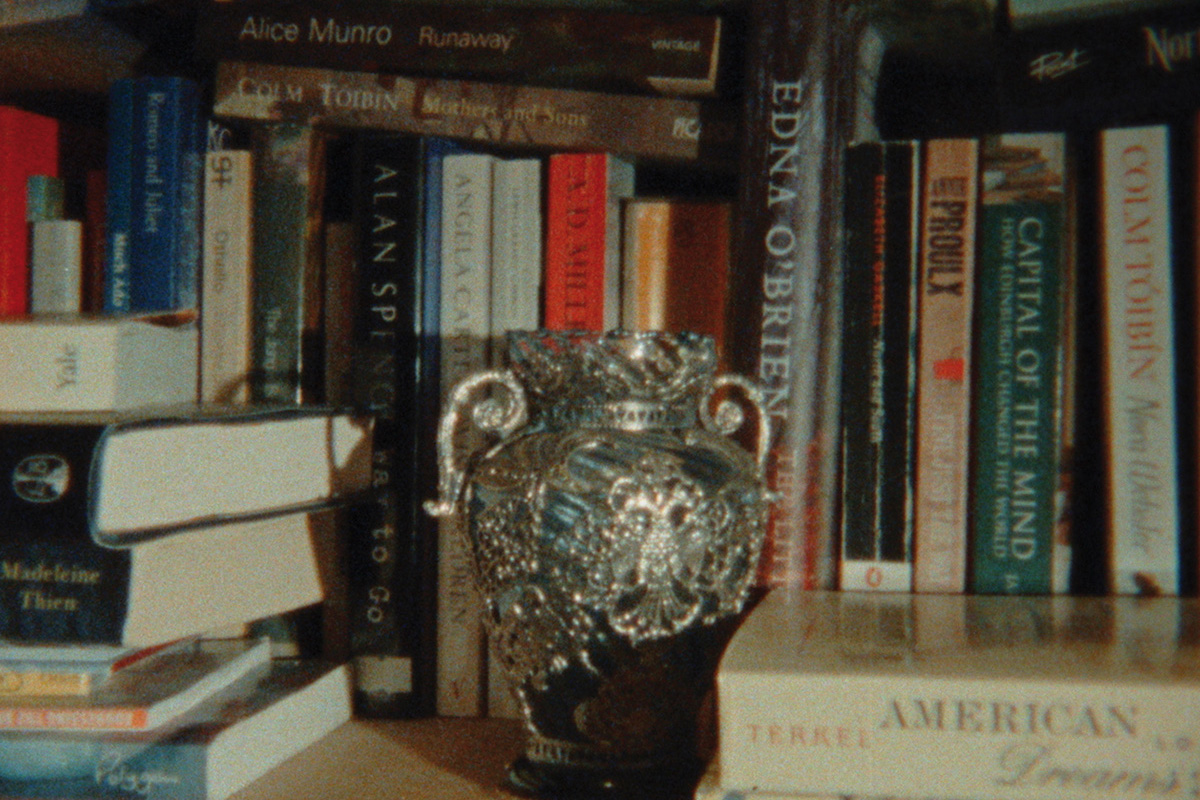
À travers le récit personnel d’une quête de libération aux États-Unis au début des années 70, "Liberty: an ephemeral statute" se penche sur les désirs d'émancipation, d'émigration et d'éducation de l'après-68. Le film esquisse un portrait de la mère de la réalisatrice, aujourd'hui de retour en Écosse, sous le prisme de d’une autobiographie impressionniste.
Rebecca Jane Arthur (née en 1984 à Édimbourg) est une artiste visuelle dont la pratique est principalement liée aux images en mouvement et à l’écriture. Elle a étudié les Beaux-Arts à la LUCA School of Arts, campus Sint-Lukas, Bruxelles (Belgique), et à l’Académie des Beaux-Arts de Vienne (Autriche), puis elle a obtenu son MFA à la KASK - Royal Academy of Fine Arts de Gand (Pays-Bas) en 2017. Suite à l’invitation d’Ingrid Cogne, Rebecca Jane Arthur a travaillé comme chercheuse pour Six-Formats (financé par FWF-Peek), un projet de recherche axé sur les arts et accueilli par l’Académie des Beaux- Arts de Vienne (Autriche), sous le format Screening en 2017-18. En 2019-20, elle a développé son travail d’écriture au sein du programme de résidence Conversation #4, une initiative du CVB - Centre Vidéo de Bruxelles (Belgique) et du GSARA, Bruxelles (Belgique), en partenariat avec le Beursschouwburg, Bruxelles (Belgique). Elle a également participé à SIC - SoundImageCulture, Bruxelles (Belgique). Elle a été artiste résidente à WIELS, Bruxelles (Belgique), en 2019, et sera résidente à la Cité internationale des arts de Paris (France) en 2021. Parallèlement à ses activités artistiques, Rebecca Jane Arthur travaille à Bruxelles (Belgique) chez Auguste Orts en tant que coordinatrice du projet "On & For Production and Distribution" (2018-2021). Elle est aussi la co-fondatrice de Elephy, une plateforme de production basée à Bruxelles (Belgique).
Anna ådahl
The Power of Flow. The Flow of Power
Vidéo expérimentale | hdv | couleur et n&b | 18:0 | Suède | 2020
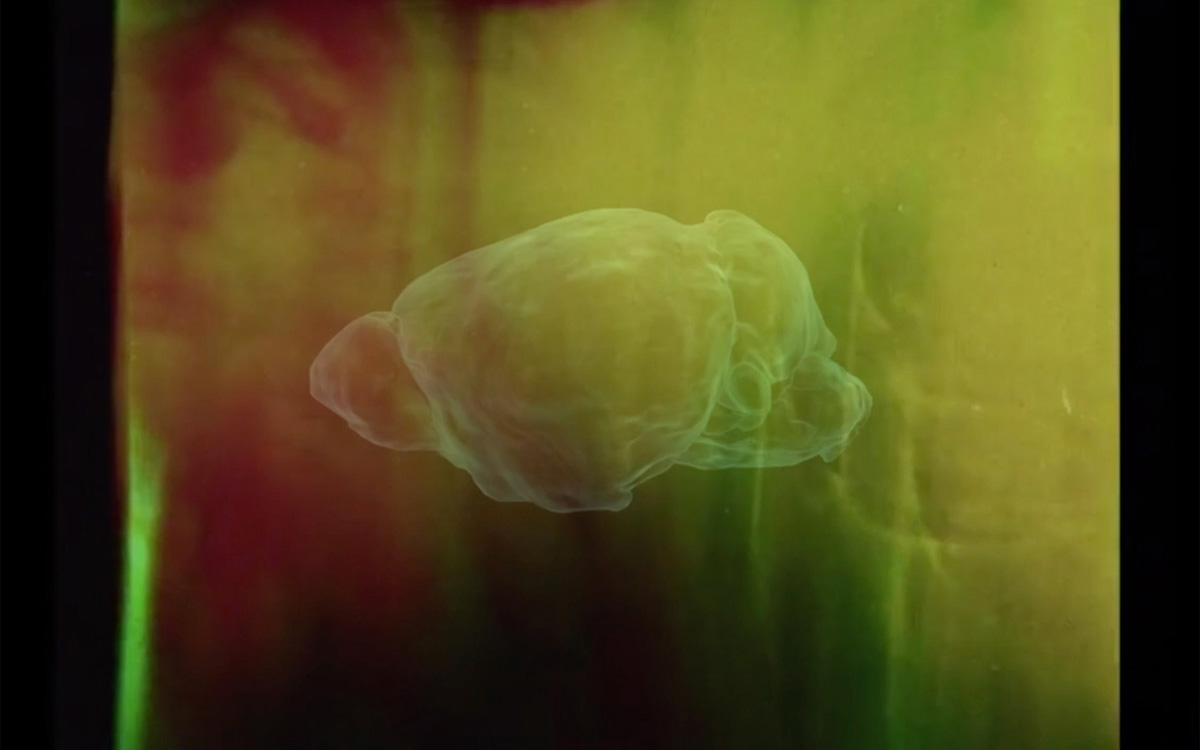
À travers une expérience immersive, ce film aborde la façon dont la notion et le terme de "flux" et les "états de flux" ont été monétisés par notre économie actuelle, et l’accélération de notre société de consommation, de production et de performance 24 heures sur 24, 7 jours sur 7. Ce film navigue à travers les différents flux, depuis les origines de cette notion dans les traditions d'inclusion et de nature bouddhistes et taoïstes, en passant par les vaisseaux sanguins informatisés, les chiens fractals créés par Deep Dream, le cosmos, jusqu'aux graphiques des flux de migrants, et à la méditation en pleine conscience véhiculée par les clips de relaxation en ligne et les "sleeptubes", ainsi que leurs forums de discussion permanents. Ces nouveaux modes de relaxation et de pleine conscience jouent un rôle déterminant dans l'activation du flux continu associé à notre système économique actuel et à nos modes de production accélérés, agissant comme des pauses artificielles pour assurer une meilleure endurance corporelle et une meilleure performance. La notion de flux, inhérente à notre système de survie physique par la circulation du sang, de l'oxygène et des nutriments, est désormais détournée par notre système économique. En fin de compte, la notion de flux a été transformée en un outil bio-politique, dont le but est d'optimiser l'efficacité et le potentiel de performance de nos comportements individuels et collectifs.
Anna Ådahl est artiste plasticienne et chercheuse. Elle travaille avec différents supports tels que le film, les installations et la performance. Ses outils de prédilection sont l’assemblage et le montage, où le found footage rencontre des images nouvelles, où les ready-made servent d’accessoires dans des récits spatiaux, et où le corps est utilisé comme outil d'investigation dans les performances mises en scène. Depuis plus de dix ans, la notion de foules et leur aspect politique sont au cœur de sa pratique artistique. Sa recherche fondée sur la pratique des beaux-arts, "Inside the Postdigital Crowds", au Royal College of Art de Londres (Royaume-Uni), porte sur l'esthétique et la politique des conditions numériques dans lesquelles les foules contemporaines sont opérées et gouvernées.
Mattias åkeson
Klicker
Vidéo expérimentale | hdv | | 9:28 | Suède | 2018
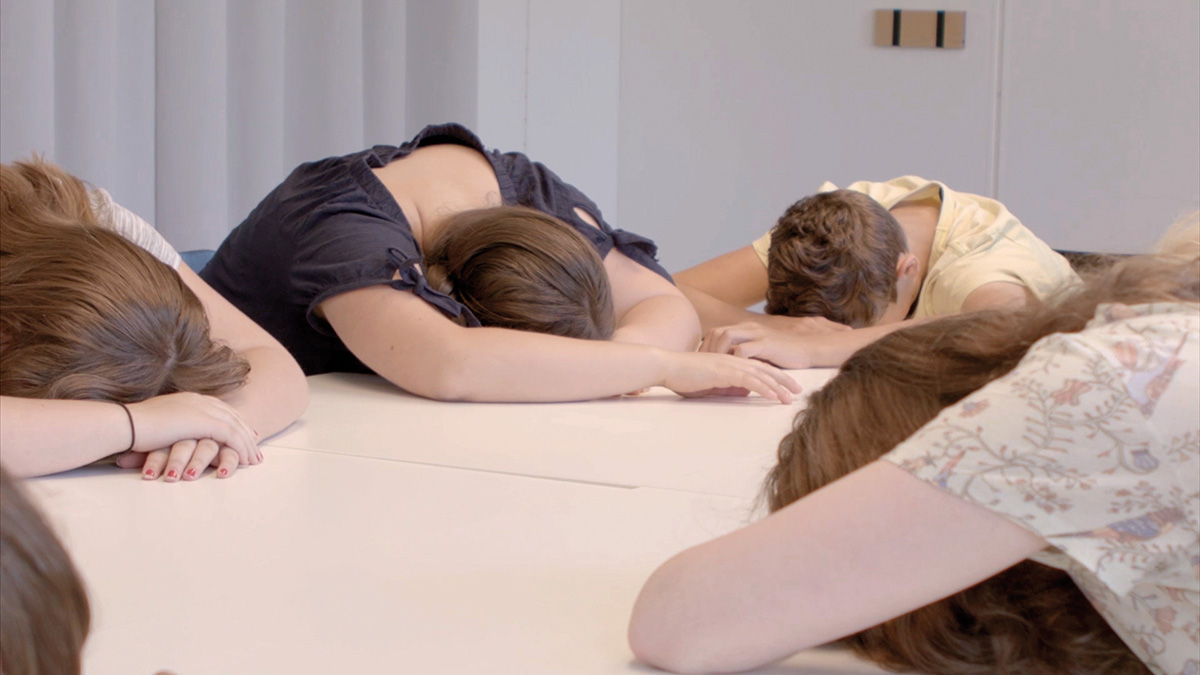
Mattias Åkeson se penche sur la relation entre l'individu, le collectif et la société. "Klicker" traite de la relation entre confirmation, contrôle et désirs. L'idée provient d'un article sur la façon dont le TAGteach (utilisation d'un clicker pour dresser les animaux) a été développé comme méthode pédagogique pour être utilisé avec les élèves à l'école. Le clicker est devenu une métaphore intéressante de notre société actuelle. Toutes les relations interpersonnelles, tant professionnelles que privées, sont colorées par le nouveau management public. Une sorte d'esthétique de la vie professionnelle qui se nourrit de salles de réunion, de réunions d’équipe, de bureaux aérés, de directives et d’objectifs à atteindre.
Mattias Åkeson est artiste visuel. Il habite en Suède. Il a étudié à la Bergen Academy of Art and Design, Bergen (Norvège), et a été diplômé en 2001. Aujourd'hui, il partage son temps entre la pratique artistique, l'enseignement, la conception d'expositions et la gestion de projets pour des commissions publiques. Il s'intéresse au modèle scandinave, à l'identité de consommateur de la classe moyenne, et à la relation entre la communauté en tant que collectif et l'individu. Il a réalisé des projets à propos du centre commercial, de la galerie d'art et de l’école maternelle. Il travaille dans différentes disciplines comme le film, l'installation, la sculpture, la photographie et la peinture.
Sammy Baloji
Kasala: The Slaughterhouse of Dreams or the First Human, Bende's Error
Vidéo expérimentale | mp4 | couleur | 31:40 | Congo (RDC), Belgique | 2019
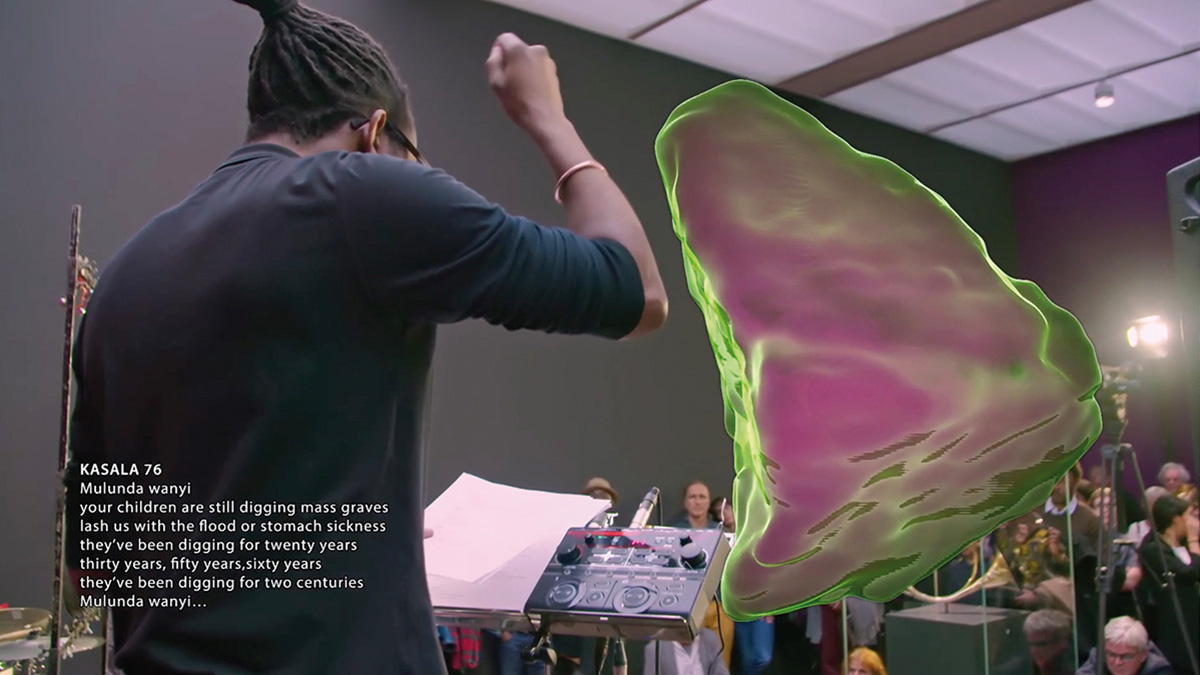
"The Slaughterhouse of Dreams" est une performance et une installation vidéo interactive sur le thème de la transmission de l'histoire du peuple Luba par le biais d’objets mnémoniques et de l'oralité. Le "Kasàlà" est un poème cérémoniel, une façon élogieuse, publique et solennelle de nommer une personne. Dans la tradition baluba, le kasàlà est une forme bien définie de slogans ou de poésie en vers libres. Il est chanté ou récité, parfois avec un accompagnement musical, par des hommes et des femmes dont c’est la profession, dans le cadre d’événements publics qui impliquent des émotions fortes, comme le courage au combat, la joie collective lors de cérémonies officielles, ou le deuil lors de funérailles. Dans son style et son contenu, le kasàlà est un genre totalement différent des proverbes, des mythes, des fables, des énigmes, des contes et des récits historiques. Un kasàlà contemporain, écrit par Fiston Mwanza Mujila - auteur congolais vivant à Graz, en Autriche – à propos des expropriations de chercheurs de diamants, est récité par l'auteur lui-même, accompagné de Patrick Dunst au saxophone et de Grilli Pollheimer à la batterie. Sur scène sont présentés des instruments de musique en cuivre (un tambour et une trompette) dont la surface a été marquée de scarifications traditionnelles. Pendant ce temps, la performance est enregistrée et transposée dans une installation interactive, où des images de reportages télévisés congolais sont mélangées à des images de sculptures scannées aux rayons X et des images de danseurs Mbudye.
Sammy Baloji est né en 1978 à Lubumbashi (République démocratique du Congo). Il vit et travaille entre Lubumbashi (République démocratique du Congo) et Bruxelles (Belgique). Sammy Baloji est diplômé en Sciences de l’information et de la communication à l’Université de Lubumbashi (République démocratique du Congo) ainsi qu’à la Haute École des Arts du Rhin, Strasbourg (France). Il mène depuis septembre 2019 un doctorat de recherche en art à Sint Lucas Antwerpen, Anvers (Belgique), intitulé "Contemporary Kasala and Lukasa: towards a Reconfiguration of Identity and Geopolitics". Chevalier des Arts et des Lettres, il a reçu de nombreuses récompenses et distinctions, notamment le Prix Prince Claus (Pays-Bas), le Spiegel Prize des Rencontres africaines de photographie de Bamako (Mali) et de la Biennale de Dakar (Sénégal), ainsi que Prix Rolex Mentor and Protégé Arts Initiative. Pour l’année 2019-2020, il est pensionnaire de l’Académie de France à Rome – Villa Médicis (Italie). Depuis 2018, il enseigne chaque été à la Sommerakademie de Salzbourg (Autriche). Sammy Baloji a co-fondé les Rencontres Picha/Biennale de Lubumbashi (République démocratique du Congo) en 2008. Parmi ses expositions monographiques récentes figurent "Sammy Baloji, Other Tales", Lund Konsthall (Suède) et Aarhus Kunsthal (Danemark) [2020]; "Congo, Fragments d’une histoire", Le Point du Jour, Cherbourg (France) [2019]; "A Blueprint for Toads and Snakes", Framer Framed, Amsterdam (Pays-Bas) [2018]; "Sven Augustijnen & Sammy Baloji", Museumcultuur Strombeek, Gand (Belgique) [2018]; "Urban Now: City Life in Congo", Sammy Baloji and Filip de Boeck, The Power Plant, Toronto (Canada) et WIELS, Bruxelles (Belgique) [2016-2017]; et "Hunting and Collecting", Mu.ZEE Kunstmuseum aan zee, Ostende (Belgique) [2014]. Il a récemment participé à la Biennale de Sydney (Australie) [2020]; à la documenta 14, Kassel (Allemagne) et Athènes (Grèce) [2017]; à la Biennale de Lyon (France) [2015]; à la Biennale de Venise (Italie) [2015]; et au Festival Photoquai, au Musée du Quai Branly, Paris (France) [2015].
Saulius Baradinskas
Golden Minutes
Fiction | 16mm | couleur | 10:0 | Lituanie | 2019
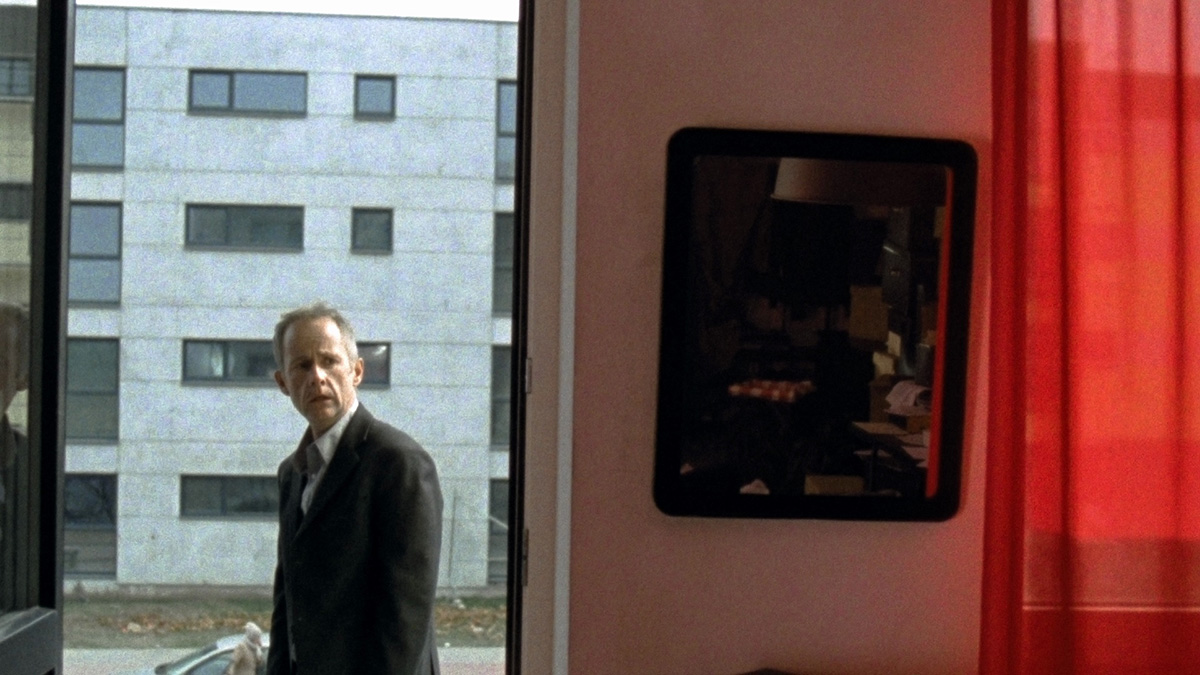
Poussé à bout par une énorme dette et son divorce imminent, un comptable poétique décide de se suicider, mais est sauvé par une crise cardiaque.
Saulius Baradinskas (né le 19 septembre 1990) est réalisateur de films, de publicités et de vidéoclips. Il est originaire de Vilnius, en Lituanie. Il s’est fait remarquer par la réalisation de vidéoclips dans les pays baltes. Lors de la remise des prix KlipVid en 2018, il a été élu meilleur réalisateur de l'année et a remporté le prix du meilleur vidéoclip pour la réalisation.
Amie Barouh
Je peux changer mais pas à 100%
Documentaire | mov | couleur | 40:24 | France | 2019
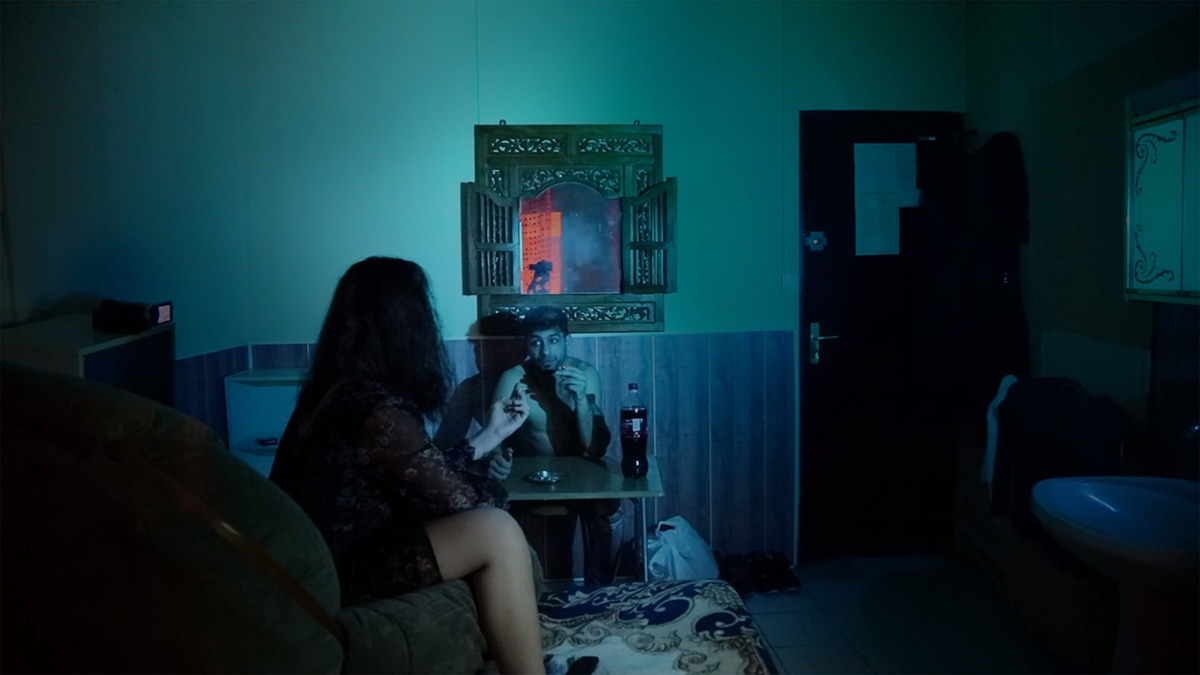
Le film commence par une promesse amoureuse: je peux changer. Une promesse trop souvent entendue, une promesse que l’on sait fausse d’avance. Amie est tombée profondément amoureuse de Bobby, un jeune homme Rom roumain, qui vit dans la rue et qui aime par-dessus tout l'héroïne. Ensemble, ils ont vécu, entre le parking de la Gare de Lyon et des petits hôtels parisiens, une folle histoire d’amour, qui n’a pourtant pas réussi à faire changer Bobby. Car il aime la liberté de la rue, où il a grandi, la seule forme de foyer qu’il connaisse. Amie, jeune femme franco-japonaise élevée dans un milieu d’artistes cosmopolites, a fait de ce chagrin d’amour une chronique déchirante sur leur relation impossible. "Je peux changer mais pas à 100%" est un récit d’une intimité brutale, hors norme, qui nous invite à découvrir les sous-sols impénétrables et la communauté qui y habite, sans préjugés. Complètement démunie par l’échec de son amour, qui n’a pas été suffisamment fort pour faire changer Bobby, la réalisatrice utilise le cinéma comme seul moyen pour soigner sa blessure. Ou, peut-être, pour écrire une lettre d’amour déchirante à celui qui ne lit pas, mais qui parle toutes les langues. Et nous, nous en sommes les témoins privilégiés.
Amie Barouh est née à Tokyo (Japon) en 1993. Elle s'installe à Paris (France) en 2010, où elle étudie la peinture à l'école des Beaux-Arts. C'est aussi dans la capitale française qu'elle découvre la culture Rom. Elle fait la rencontre d'une famille, et se fait accepter dans la communauté. Parallèlement à ses études aux Beaux-Arts, elle vit dans un camps de Rom sous le pont de Jointville-Le-Pont (France), et commence rapidement à apprendre le romani et le roumain. Un jour, un des membres de la famille lui demande de filmer un mariage. Depuis, elle utilise la caméra comme moyen d'expression. "Je peux changer, mais pas à 100%" est son premier film.
Amber Bemak, Minax, Madsen
Two Sons and a River of Blood
Film expérimental | mov | couleur | 10:23 | USA, Mexique | 2020
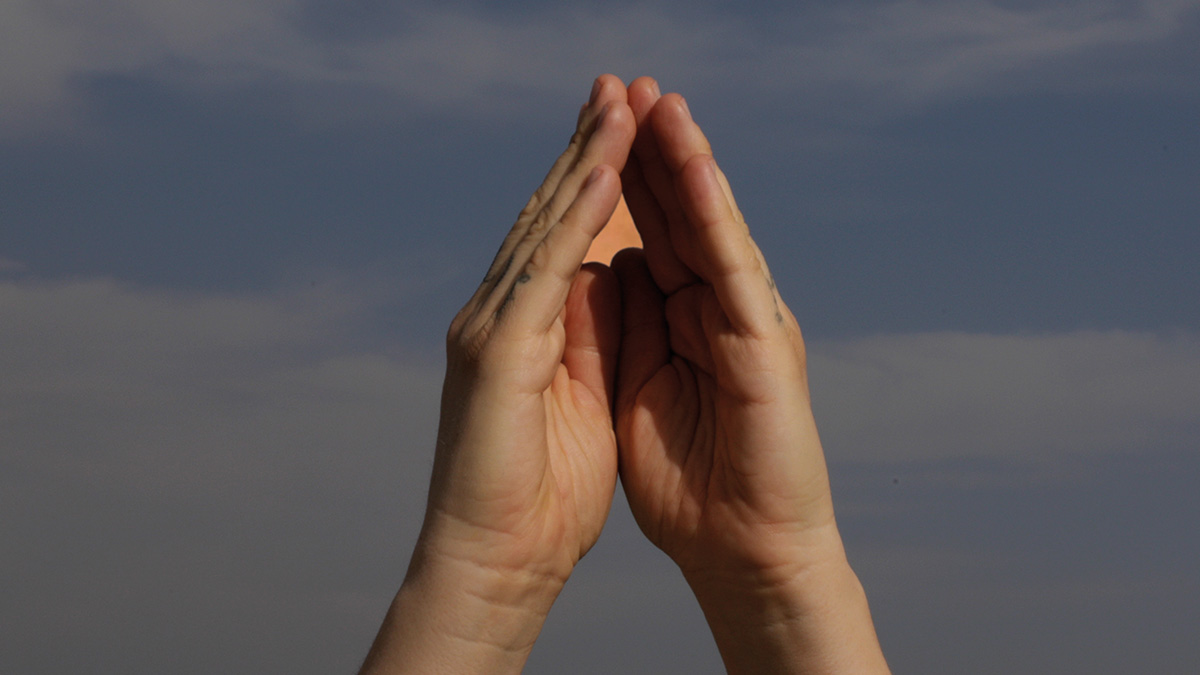
Une femme queer est enceinte. La famille choisie, composée de deux lesbiennes et d'un homme trans, imagine une sorte de magie érotique qui permettra une procréation fondée uniquement sur le désir. Ensemble, ils mettent en place un rituel sexuel public pour symboliser leur espoir de multiplicité, reconnaissant leurs corps cyborgs comme des interventions technologiques. Lorsque la femme homosexuelle fait une fausse couche, ils commencent tous les trois à construire leur propre idée mythique de l'endroit où vivent les corps lorsqu'ils ne sont pas en nous. Ils créent une histoire pour retracer les mouvements du non-corps, d'un trou à une rivière, puis à une pièce. Les images d'une chambre blanche imaginaire, d’une chambre "ikeaesque" de torture par l’immobilité, les hantent. Comme un parallèle émerge entre le corps enceinte et le corps trans, l'acte techno-sexuel devient la clé, et une pyramide devient le portail pour accéder à cet autre monde d'existence non corporelle.
Angelo Madsen Minax travaille dans le cinéma documentaire et hybride. Il est lauréat du Samuel Edes Prize for Emerging Artists, Chicago (USA) [2017], de la bourse Tribeca Film Institute's All-Access Fellowship, New York (USA) [2019], du Sundance Institute's Documentary Production Fund (USA) [2019] et de la bourse Bay Area Video Coalition’s Media-maker Fellowship, San Francisco (USA) [2020]. Amber Bemak est réalisatrice, artiste et éducatrice. Son travail est basé sur le cinéma expérimental et documentaire. Ses œuvres primées ont été présentées dans des lieux tels que le Elizabeth A. Sackler Center for Feminist Art du Brooklyn Museum, New York (USA); le Museo Tamayo, Mexico (Mexique); et le SculptureCenter, New York (USA); ainsi qu'aux Internationale Kurzfilmtage Oberhausen (Allemagne); à DocLisboa, Lisbonne (Portugal); au Ann Arbor Film Festival (USA); au Festival internacional de cine de Morelia (Mexique); et au European Media Art Festival, Osnabrück (Allemagne).
Gregory Bennett
Edifice I
Animation | mp4 | couleur | 8:35 | Nouvelle-Zélande | 2020
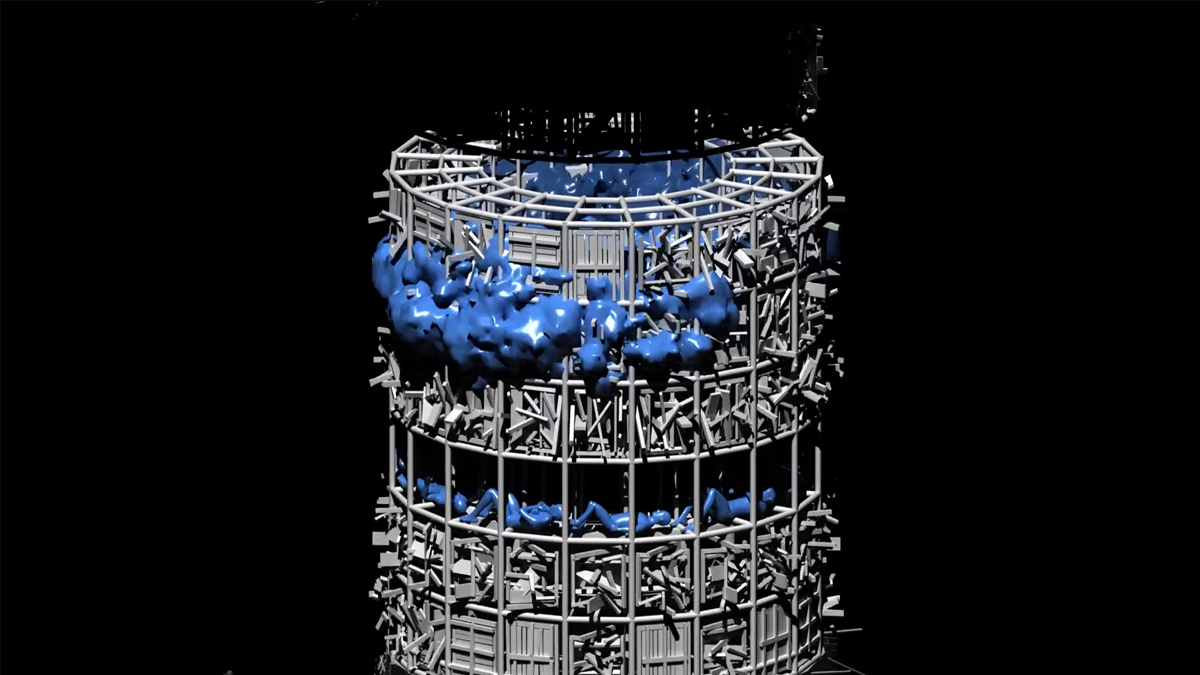
"Edifice I" est une animation expérimentale en 3D d’une durée de 8:35 minutes. Cette œuvre s'inscrit dans une pratique artistique qui s’approprie l'animation informatique 3D et le corps numérique pour explorer les thèmes et les tensions autour de la nature et de la culture, de l'utopie et de la dystopie, par la présentation d'écosystèmes numériques complexes. Le terme "édifice" peut désigner à la fois un grand bâtiment imposant et un système complexe de croyances établi de longue date. "Edifice I" est l’œuvre la plus récente d'une série de réalisations de l'artiste, qui imagine des tours du type de celle de Babel tournant à l'infini, dans un vide infini. Des figures humaines uniformes n'apparaissent que par intermittence, précaires, dominées ou piégées par la superstructure parfois instable. La tour évoque parfois une machine en mouvement perpétuel, sans but évident. Bien qu'elle ressemble à une forteresse, elle est présentée comme une structure perméable et conditionnelle, parfois dans un état de flux instable, incarnant la fragilité du désir utopique et l'impermanence de l’activité humaine.
Gregory Bennett est né et habite en Nouvelle-Zélande (Aotearoa en maori). Artiste numérique, il explore les conceptions utopiques et dystopiques à travers des représentations du corps numérique multiplié. Il utilise l'animation 3D dans une pratique créative qui englobe la vidéo, la capture de mouvement, le mapping vidéo et la réalité virtuelle. Ses œuvres ont été exposées à l'international: aux États-Unis, à Hong Kong, en Chine, en Australie et en Europe. Il a notamment exposé "real-fake.org.2.0" au BronxArtSpace, New York (USA); à l’édition 2019 des Rencontres internationales Paris/Berlin (France/Allemagne); au 2016 International Symposium on Electronic Art, Hong Kong (Chine); au Supernova Digital Animation Festival, Denver (USA), et au Centre for Contemporary Photography, Melbourne (Australie). Il a été finaliste du 7e Screengrab International Media Arts Award, Townsville (Australie), en 2015; il a été sélectionné pour Narracje 2013, Installations and Interventions in Public Space, Gdansk (Pologne), ainsi que pour l'exposition "Video Contemporary" à la Sydney Contemporary International Art Fair (Australie) [2015]. Son travail a été joint à la série de gravures "Imaginary Prisons " de Giovanni Battista Piranesi pour une exposition à la galerie AALA de Los Angeles (USA) en 2018. Gregory Bennett est titulaire d'un Master de l'Université d'Auckland (Nouvelle-Zélande), et est actuellement chef du département de conception numérique et d'arts visuels à la Auckland University of Technology.
Marine Bikard
Coulisses
Animation | mp4 | couleur | 4:9 | France | 2020
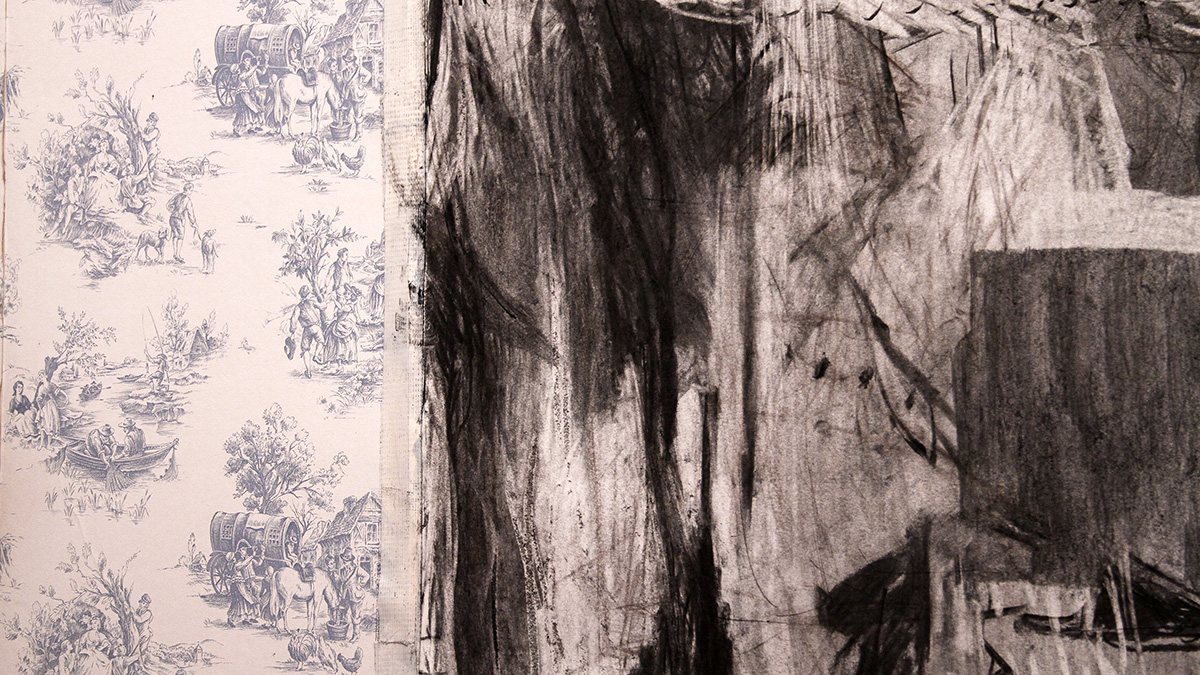
Un mouvement de caméra comme un balancement de tête, de gauche à droite. Si bien qu’il y a toujours ce qui sort et ce qui entre dans le champ. Dans ce trajet, l’œil caméra croise un papier, du papier peint, et plus loin encore, un miroir dans lequel se reflètent papier-peint et papier.
Marine Bikard est née en 1988 et diplômée de l’ENSBA - École nationale supérieure des beaux-arts de Paris (France) en juillet 2020. Avant et en parallèle de ce cursus artistique, elle a travaillé comme sociologue et poursuit la réalisation d’enquêtes de terrain. Pendant ces cinq années passées à l’ENSBA de Paris, elle a travaillé dans les ateliers de Pascale Martine Tayou, Emmanuelle Huynh, Aurélie Pagès et Jean-Michel Alberola, et a régulièrement participé à des workshops de danse qui ont marqué son parcours, notamment sa rencontre avec la chorégraphe américaine Lisa Nelson. Depuis 2019, elle imagine des rencontres collectives pour explorer par le dessin différentes manières d’être avec ce qui nous entoure. En 2021, elle a été artiste en résidence à l’Embac – École municipale des beaux-arts de Châteauroux (France).
Manuel Billi
Guardarla negli occhi (La Regarder dans les yeux)
Doc. expérimental | hdv | couleur | 15:0 | Italie, France | 2020
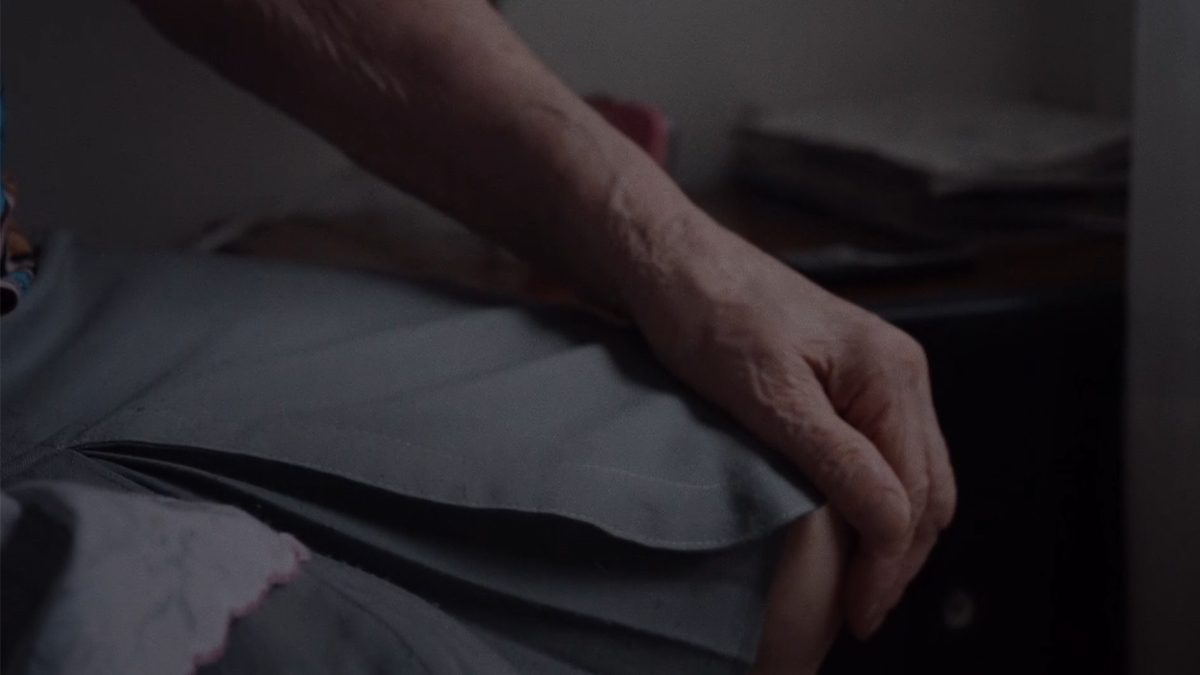
Une journée dans la vie d'une famille. Une histoire de mains: des mains qui agissent, des mains qui assistent, des mains qui dansent jusqu'à la fin de la journée.
Manuel Billi vit et travaille à Paris. Critique cinéma et réalisateur, il est l'auteur de plusieurs essais sur le cinéma contemporain. Depuis 2000, il collabore avec différents magazines de cinéma italiens et français. En 2014, il réalise son premier film court expérimental, "Battre, enlever". Son premier film court de fiction, "Ghosts of Yesterday" (2017) a été présenté en avant-première à la Mostra de Venise (Italie). Par la suite, il a alterné entre fiction ("Enter", 2018, sélectionné dans plus de vingt festivals internationaux ; "Ten Times Love", 2020) et documentaire ("Guardarla negli occhi - La Regarder dans les yeux", sélection officielle 2020 à la Mostra Internazionale del Nuovo Cinema di Pesaro, Italie).
Felix Blume
Luces del Desierto
Vidéo expérimentale | mov | couleur | 29:50 | France, Mexique | 2020
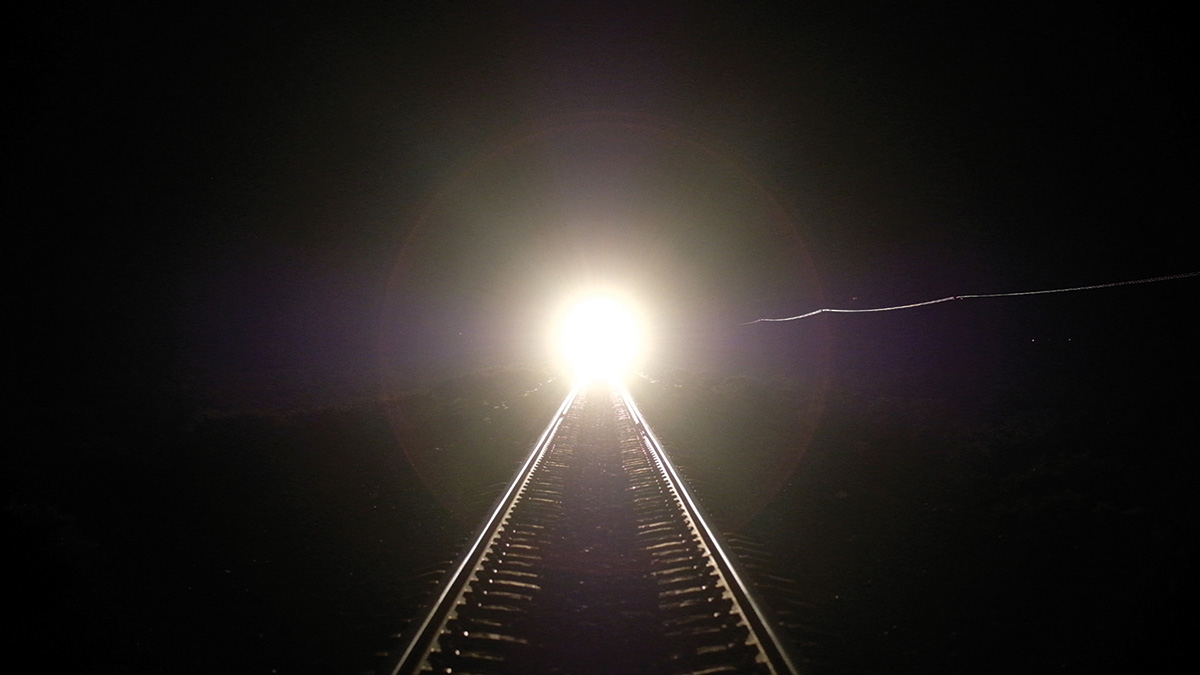
Dans l’obscurité du désert mexicain, d’étranges lumières apparaissent. Les habitants décrivent celles qu’ils ont vues: une flamme, une boule de feu, une ampoule volante, des rayons qui tombent du ciel, ou une énergie lumineuse. Une histoire commune, racontée à plusieurs voix, de forme chorale, est dessinée par les expériences individuelles. La rencontre avec ce phénomène lumineux peut être surprenante, dangereuse, voire fatale. La nuit n’est pas si noire qu’elle le semble, et le désert est rempli de tous types d’êtres vivants. Le vide appartient à toutes et à tous. "Luces del Desierto | Lumières du désert" est une invitation à ouvrir grand les yeux dans la pénombre, et à écouter les sons cachés dans le noir. Un film d’horreur sonore, dans les ténèbres du désert.
Félix Blume (né en France, en 1984) est artiste sonore et ingénieur du son. Il vit actuellement entre le Mexique, le Brésil et la France. Il façonne le son comme une matière pour créer ses pièces sonores, ses vidéos, ses actions ou installations. Son travail, centré sur l’écoute, nous invite à transformer notre perception de l’environnement. Il utilise l’espace public tant comme lieu d’expérimentation que comme lieu de présentation de ses projets, effectués souvent en collaboration avec des groupes de personnes. Il est intéressé par les mythes et l’interprétation contemporaine que l’on peut en faire, par le dialogue entre les êtres humains et le contexte – naturel ou urbain – qu’ils habitent, par ce que les voix nous racontent, au-delà des mots. Ses pièces sonores ont été diffusées par des radios du monde entier. Il a reçu le prix du “Paysage sonore” pour sa pièce vidéo-sonore "Curupira, bête des bois" (2018), ainsi que le prix “Pierre Schaeffer” pour "Les Cris de Mexico" (2015), au festival Phonurgia Nova Awards, Arles (France). Il a participé à de nombreux festivals et expositions, notamment au LOOP Barcelona, Barcelone (Espagne) [2015]; au CCCB – Centre de Cutura Contemporània de Barcelona, Barcelone (Espagne) [2015]; au Tsonami Arte Sonoro, Valparaíso (Chili) [2015, 2018]; à la Fonoteca Nacional de Mexico (Mexique) [2016]; au Ex Teresa Arte Actual, Mexico (Mexique) [2016, 2018]; au CENTEX, Valparaíso (Chili) [2017]; au festival CTM, Berlin (Allemagne) [2017]; au Belluard Bollwerk Festival, Fribourg (Suisse) [2018]; à Arts Santa Monica, Barcelone (Espagne) [2018]; à la Biennale de Thaïlande, Bangkok (Thaïlande) [2018]; et à la Berlinale, Berlin (Allemagne) [2019].
Pia Bolognesi, Bursi Giulio
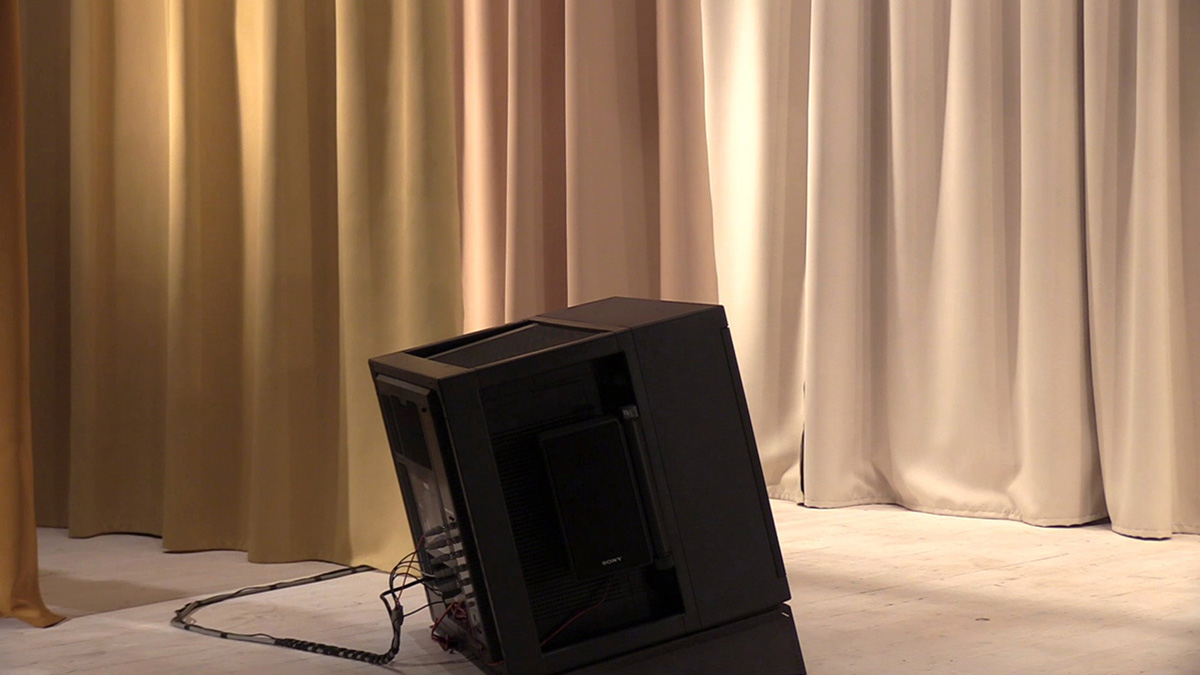
The Leaks of Venice
Doc. expérimental | dcp | couleur et n&b | 17:0 | Italie, Allemagne | 2020
Un vieux bâtiment de Venise accueille une exposition, un visiteur traverse des pièces vides et découvre un espace architectural fictif qui fonctionne comme un décor de théâtre abandonné. Alors qu'une ville qui se noie lentement vous inonde de sa présence obsessionnelle sur et hors champ, l'imagination ne peut dépasser la réalité. Inspiré par l'œuvre d'Alexander Kluge et sa constellation de réalisations filmiques et vidéo, le cadre métanarratif de cette exploration tente de déconstruire l'expérience subjective et de libérer l'énergie filmique de l’horror vacui de l’écran.
Pia Bolognesi (PhD, née en 1981) est conservatrice indépendante, historienne de l'art et artiste. Elle vit à Berlin. Ayant de l’expérience en arts du spectacle, théorie du cinéma et études visuelles et environnementales, elle a organisé des installations à grande échelle, des expositions et des projets multidisciplinaires pour des institutions telles que la Tate Modern, Londres (Royaume-Uni); le MoMA – Museum of Modern Art, New York (USA); le Centre Pompidou, Paris (France); le FNC – Festival du nouveau cinéma de Montréal (Canada) et la 56e Biennale de Venise (Italie). Ses œuvres et installations ont été présentées, entre autres, au Wiels, Bruxelles (Belgique); au Musée des Beaux-Arts de Montréal (Canada); à la Kyoto University of Art and Design (Japon); à la Tokyo University of the Arts (Japon); à la Deutsche KunstHalle, Berlin (Allemagne) et à la Triennale de Milan (Italie). Giulio Bursi (PhD, né en 1978) est curateur indépendant de films, dramaturge et cinéaste. Il vit à Berlin. Formé en théorie du cinéma, il a été assistant réalisateur de Jean-Marie Straub et Danièle Huillet. Il a réalisé un long métrage documentaire ("J'écoute!", 2007) et différents films courts et installations en collaboration avec des institutions internationales et des festivals de cinéma tels que le Austrian Film Museum, Vienne (Autriche); la 56e Biennale de Venise (Italie); le festival international To Save and Project du MoMA, New York (USA); le Torino Film Festival, Turin (Italie); Il Cinema Ritrovato Bologna, Bologne (Italie); la Berlinale, Berlin (Allemagne); le Festival du nouveau cinéma de Montréal (Canada); GAM – Galleria d’Arte Moderna, Turin (Italie). Pia Bolognesi et Giulio Bursi travaillent ensemble sous le nom d'Atelier Impopulaire depuis 2012. Leurs installations ont été exposées au Centre Pompidou, Paris (France); à la Triennale de Milan (Italie); à la Kunsthaus Bregenz, Bregenz (Autriche); au GAM – Centro Gabriela Mistral, Santiago (Chili); à The Mix Place, Shanghai (Chine); au West Bund Art Space, Shanghai (Chine); à la Power Station of Art Shanghai (Chine); à la Volksbühne Berlin (Allemagne); au ZKM – Zentrum für Kunst und Medien Karlsruhe (Allemagne); à la Tate Modern, Londres (Royaume-Uni); au Gallery Weekend Berlin (Allemagne); au Festival du film de Rotterdam. L'Atelier Impopulaire a développé des projets in situ à l’international, en collaboration avec des artistes comme Aldo Tambellini, Dries Van Noten, Morgan Fisher, Danièle Huillet et Jean-Marie Straub, Peter Tscherkassky, Margaret Honda, Experimental Jetset, Christopher Williams, Alexander Kluge.