Catalogue > Faire une recherche
Résultats pour : Tout le catalogue
Julian Rabus
Magma
Fiction expérimentale | 0 | couleur | 14:0 | Suisse, Allemagne | 2022
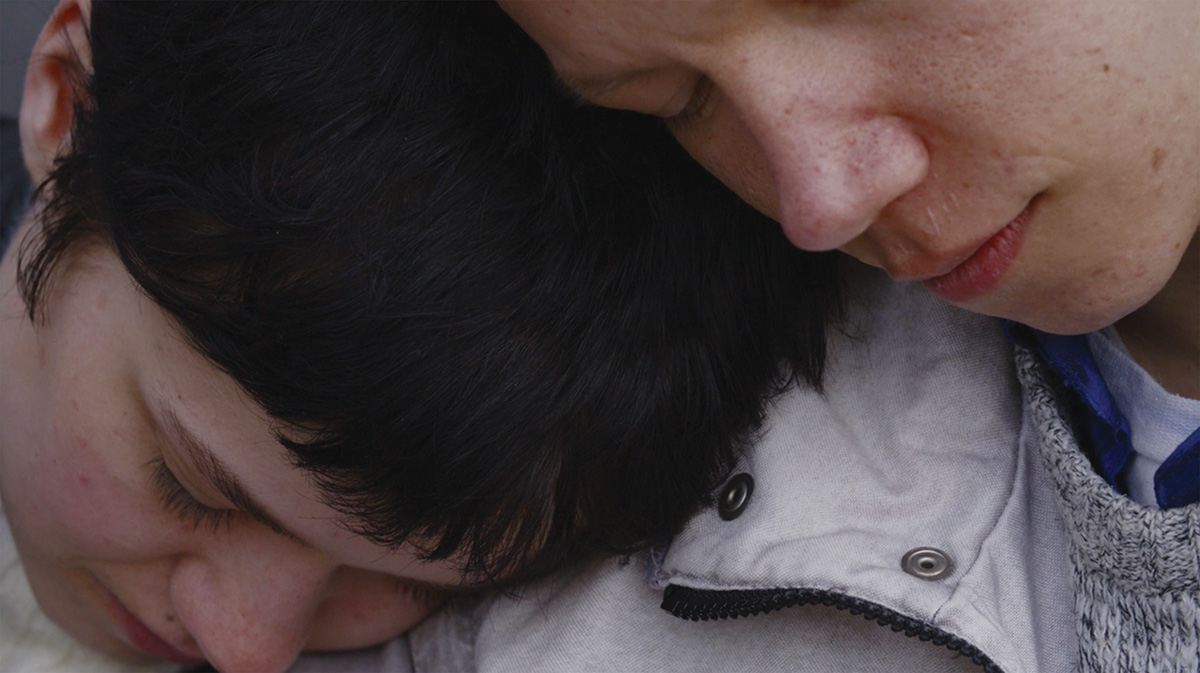
MAGMA is a method driven and improvisation based film project produced and directed by Julian Rabus. The shoot consists of long situations that last up to several hours and are filmed with up to four cameras. Actors are given space to behave without dramatic functions. Following intuitions opens a way to engage with certain psychological patterns and find narrative structures, which then manifest themselves in the editing and the viewer’s perception. In the film couples and peer groups try to find their way in everyday situations: they perform, reveal themselves, make themselves vulnerable, are insecure, fall in love or pretend to the others.
Julian Rabus works as a director and producer in the field of media art and narrative film since 2016. After he graduates from Academy of Fine Arts Munich in the class of Julian Rosefeldt he studied Film Directing at the California Institute of the Arts in Los Angeles and moved back to his hometown Berlin to finish his studies at the University of Arts in the Narrative Film class of Thomas Arslan.

Andrii Rachynskyi, Daniil Revkovskyi
Civilians. Invasion
Documentaire | hdv | couleur | 56:38 | Ukraine | 2023
"Civilians. Invasion", created in 2023. The film documents the experiences of Ukrainians during the Russian aggression against Ukraine. This invasion led to extensive documentation by civilians, soldiers, and journalists, resulting in a wealth of photo and video materials that made their way onto social media platforms. While some of this content went viral through Telegram channels and other social networks, many photos and videos remained relatively unknown with minimal views. The film is structured around a specific storyline, starting from the initial days of the invasion and unfolding the events related to how people navigate a new reality: how to live and survive, the risks faced by civilians during the conflict, episodes of housing destruction, and stories of those who have lost their loved ones. In 2024 "Civilians. Invasion" represents Ukraine at the 60th Venice Biennale.
Andrii Rachynskyi and Daniil Revkovskyi are the Kharkiv (Ukraine) artists who are fusing different formats of artistic practices (installations, reenactment, video, archives), researching the contexts and landscapes of the industrial regions of Ukraine. They graduated from the Kharkiv State Academy of Design and Art with a degree in graphic design. Nominated for the PinchukArtCentre Prize in 2018, 2020 and 2022, the winners of the 2020 PinchukArtCentre Prize Audience Award for the project “Hooligans.” Allegro Prize 2022 winners. In 2024, Andrii Rachinskyi and Daniil Revkovskyi represent Ukraine at the 60th Venice Biennale. https://revkovskyirachynskyi.com
Vojislav Radovanovic, Kristina Draskovic
Picnic
Art vidéo | dv | couleur | 3:0 | Serbia & Montenegro, Serbia | 2005
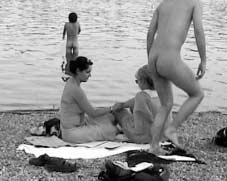
La scène sur la plage peut être reconnue du premier regard comme celle venant de la célèbre peinture de Manet : ?Déjeuner sur l?herbe?. Mais qu?est ce qui rend cette version de la célèbre composition si provocatrice ? C?est l?inversion des genres. La projection de cette vidéo dans l?espace publique serait une provocation d?une attitude voajeristique sur des territoires consommés inattendus. Cette errance dans le temps ne fait pas face à un corps féminin, mais à la place, il révèle un corps masculin. Une contextualisation de ce changement radical pourrait être une déviance.
Oleksiy Radynski
Special Operation
Documentaire | mp4 | couleur et n&b | 65:0 | Ukraine | 2025
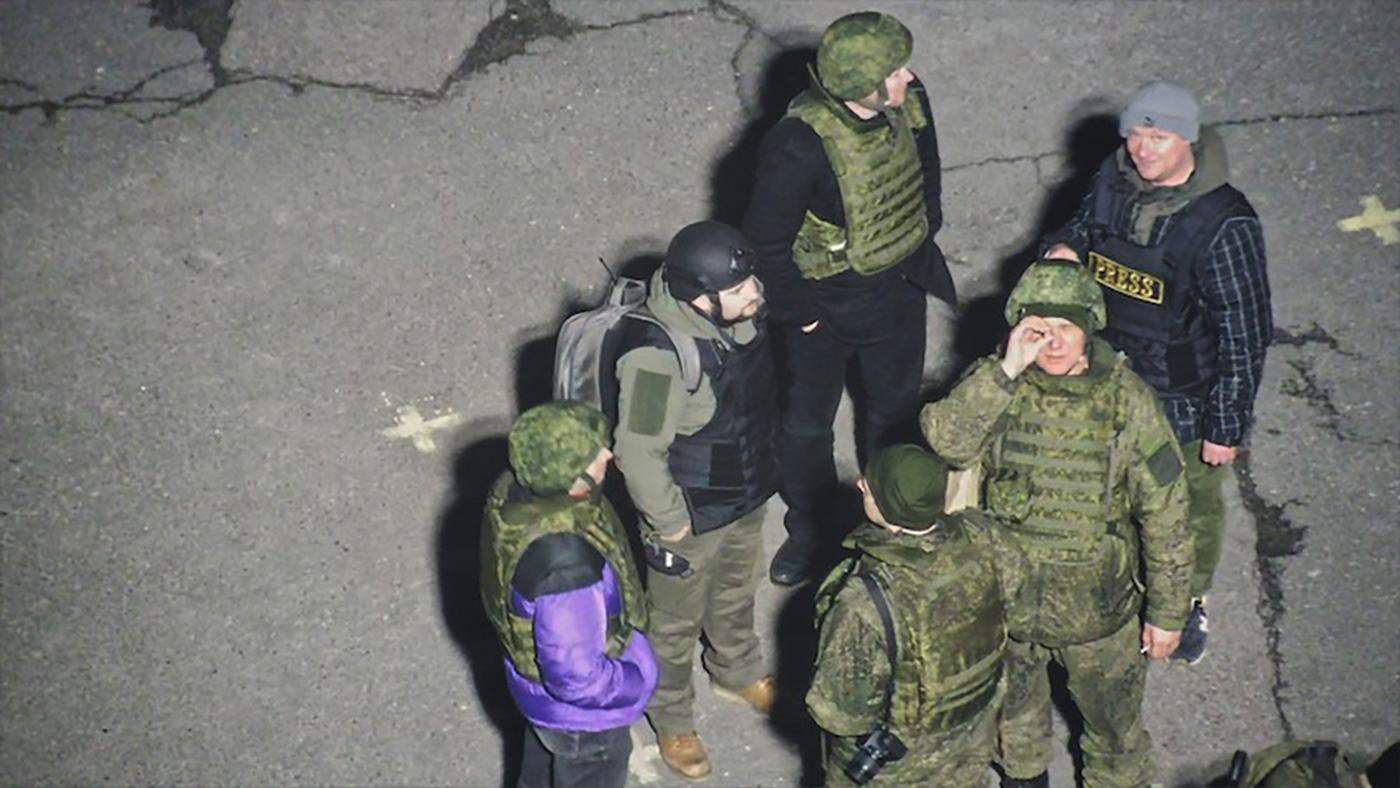
La zone de Tchernobyl – le site de la pire catastrophe nucléaire de l’histoire – a été occupée par les troupes russes le 24 février 2022, dans les toutes premières heures de leur invasion totale de l’Ukraine. Les Russes avaient transformé le territoire de la centrale nucléaire de Tchernobyl en base militaire pour leurs troupes, dans une tentative d’occuper la capitale ukrainienne, Kyiv, située à seulement une centaine de miles. Ils avaient capturé le personnel de la centrale, contraint de poursuivre ses fonctions sans repos ni sommeil. Le plan russe était de rester à Tchernobyl seulement trois jours : c’était le délai qu’ils imaginaient pour la chute de l’Ukraine. Au lieu de cela, les Russes sont restés coincés sur le site radioactif pendant cinq semaines, pour finalement voir leur armée s’effondrer dans la bataille pour Kyiv. La plupart de leurs activités illégales durant ces cinq semaines ont été enregistrées par le système de vidéosurveillance de la centrale, que les Russes n’ont pas réussi à empêcher de filmer. Special Operation est entièrement constitué de ces enregistrements. Ce film offre une perspective unique sur le fonctionnement interne de la machine militaire russe en Ukraine – et sur l’un de ses échecs les plus retentissants. Les caméras de vidéosurveillance ont enregistré chaque aspect de la présence criminelle russe sur le site contaminé de la centrale nucléaire de Tchernobyl – des violations flagrantes des règles de sûreté nucléaire aux visites mises en scène par les propagandistes de la télévision russe. Nous avons obtenu ce matériau exceptionnel – jamais rendu public auparavant – auprès des forces de l’ordre ukrainiennes dans le cadre de notre effort de longue durée pour documenter les crimes de guerre russes à Tchernobyl, et pour contribuer à mener leurs responsables devant la justice. Chaque plan de ce film est une pièce à conviction représentant un crime de guerre relevant du terrorisme nucléaire. Avec ce film, nous souhaitons rendre ces preuves visibles – et, ce faisant, exposer l’incompétence profonde, et inquiétante, de l’armée russe.
Oleksiy Radynski est un cinéaste et écrivain basé à Kyiv. Son travail filmique explore des formes documentaires expérimentales ainsi que des pratiques relevant du cinéma politique. Ses films ont été présentés dans des festivals et expositions à travers le monde, notamment la Berlinale, l’International Film Festival Rotterdam, Doclisboa, le Thessalonique IFF, Dokufest, l’Institute of Contemporary Arts (Londres), e-flux (New York), la Taipei Biennial, Docudays (Kyiv), Sheffield DocFest, le Krakow IFF, DOK Leipzig, entre autres. Ses œuvres ont reçu de nombreuses distinctions, dont le Grand Prix du Festival International du Court Métrage d’Oberhausen pour Chornobyl 22. Depuis le début de l’invasion russe à grande échelle en Ukraine, il collabore avec The Reckoning Project.
Janis Rafa
Requiem to a Fatal Incident
Fiction expérimentale | 4k | couleur | 5:0 | Grèce | 2015
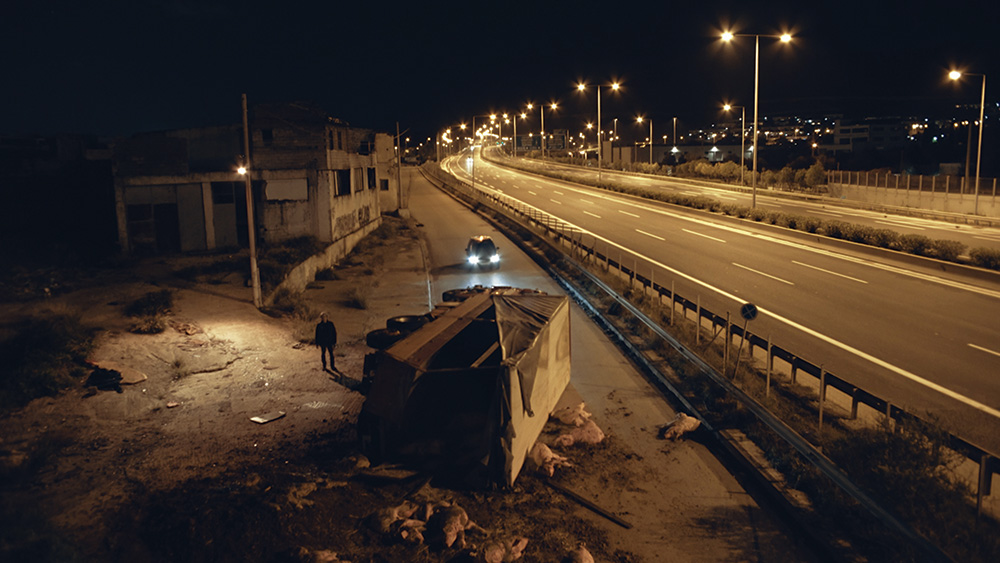
A car travels through a desolate industrial area at night. It stops near an overturned truck that was carrying pigs. Dead animals lie scattered across the road; a fatal incident, a huge loss of animal life. A premature death ironically, since the pigs had been on their way to the slaughterhouse. The subtle camera movement switches from the subjective view of the handheld camera to the objective and contemplative view of the rising camera that is mounted on a crane and surveys the scene from a great height. Finally, a big firework is set off, seemingly dedicated to the dead animals, as though it was a requiem. The scene is a recreation from news coverage.
Lives and works between Amsterdam and Athens. She completed her education in Fine Art (BA, MA, PhD) at the University of Leeds in Britain with scholarship by the Arts & Humanities Research Council. Her body of work spans from experimental-documentary practices, to video-essays, archival footage and most recently cinematic narratives and medium length films. She has recently completed the Rijksakademie van beeldende kunsten residency (2013-2014) in Amsterdam, with a scholarship by Onassis Foundation (GR). Her first solo exhibition was presented at Martin van Zomeren Gallery, Amsterdam, 2014. Currently her work will be presented at EYE Film Institute, Close-Up: A New Generation of Film and Video Artists in the Netherlands (Jan-May 2015). She has participated in group exhibitions: VISIO European Program on Artists’ Moving Images 2015; 1st Research Pavilion, Venice Biennial, 2015; Art Rotterdam Projections, Kunstvereniging Diepenheim, 2015; Ce que raconte la solitude, ART-O-RAMA, 2014; Rijksakademie OPEN, 2013 – 2014, Manifesta 8, 2010; No Soul For Sale, Tate Modern, 2010. Her films and video works were screened at: Netherlands Film Festival, International Film Festival Rotterdam, BFI London, Cinema de la Nouvelle Lune, Curtas Vila do Conde, Gulf Film Festival Dubai, Capalbio Cinema, Project Space Leeds, and as part of Rencontres Internationales, 2010, at Centre National d’Art Moderne – Centre Georges Pompidou, Reina Sofia National Museum and Haus der Kulturen der Welt. Her work is part of Stedelijk Museum Amsterdam collection. Her films and videos balance between an empirical perception of landscapes and events and an authentic representation of them. Her narratives are located at the margins of the urban, haunted by stray dogs, roadkills, fatal accidents and dissipated death. The cryptic and universal nature of these cinematic worlds is initiated by a certain realism that has very little to do with its usual representation. Dead and living, human and non-human coexist in an accord of dream and sensuality. This is the land of her semi-autobiographic narrations; returns to personal histories that reveal something of the subsequent carving of a place’s fiction and not necessarily of the place itself.
Janis Rafa
Three Farewells: The Last Burial
Fiction expérimentale | 4k | couleur | 24:0 | Grèce, Pays-Bas | 2013
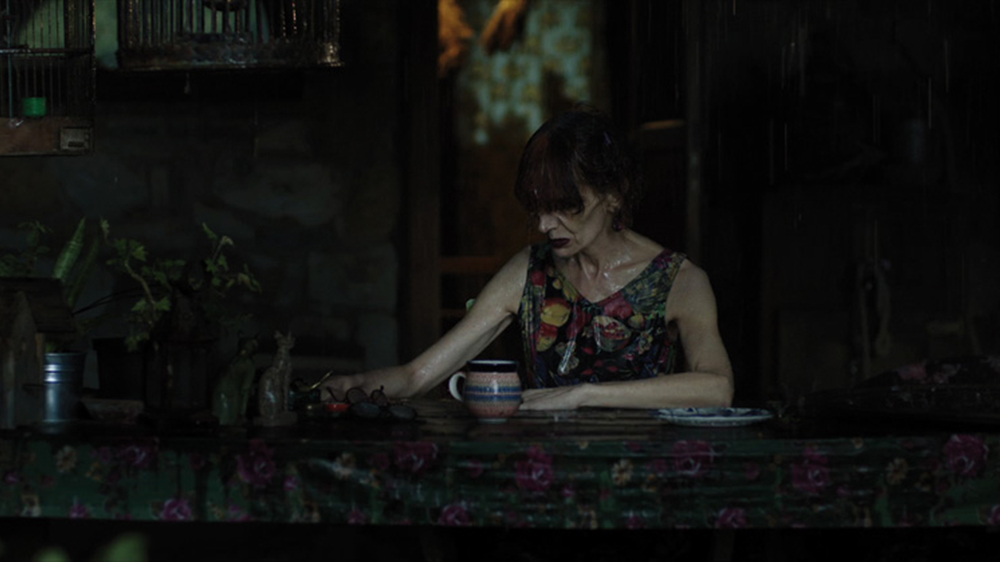
SYNOPSIS Three Farewells: The Last Burial Janis Rafa The Last Burial proposes a visual approach on the concept of death and the fear of losing, outside the rigid anthropocentric understanding on human / non-human existence. It describes the moment of loss within the intimate space of a family house. The father and mother of this familial environment are silenced, in a state of mourning. Their sorrow is expressed through the form of water, rain or onions; visual symbolisms that take the characters into a timeless state of being and awareness, reflecting on the house’s past. The Last Burial consists part of the Three Farewells (2013), a trilogy of burials produced by Janis Rafa, with the support of Amsterdams Fonds voor de Kunst Alexander S. Onassis Foundation Rijksakademie van beeldende kunsten.
BIO Janis Rafa Lives and works between Amsterdam and Athens. She completed her education in Fine Art (BA, MA, PhD) at the University of Leeds in Britain with scholarship by the Arts & Humanities Research Council. Her body of work spans from experimental-documentary practices, to video-essays, archival footage and most recently cinematic narratives and medium length films. She has recently completed the Rijksakademie van beeldende kunsten residency (2013-2014) in Amsterdam, with a scholarship by Onassis Foundation (GR). Her first solo exhibition was presented at Martin van Zomeren Gallery, Amsterdam, 2014. She currently presents work at EYE Film Institute, Close-Up: A New Generation of Film and Video Artists in the Netherlands (Jan-May 2015). She has participated in group exhibitions: VISIO European Program on Artists’ Moving Images 2015; 1st Research Pavilion, Venice Biennial, 2015; Art Rotterdam Projections, Kunstvereniging Diepenheim, 2015; Ce que raconte la solitude, ART-O-RAMA, 2014; Rijksakademie OPEN, 2013 – 2014, Manifesta 8, 2010; No Soul For Sale, Tate Modern, 2010. Her films and video works were screened at: Netherlands Film Festival, International Film Festival Rotterdam, BFI London, Cinema de la Nouvelle Lune, Curtas Vila do Conde, Gulf Film Festival Dubai, Capalbio Cinema, Project Space Leeds, and as part of Rencontres Internationales, 2010, at Centre National d’Art Moderne – Centre Georges Pompidou, Reina Sofia National Museum and Haus der Kulturen der Welt. Her work is part of Stedelijk Museum Amsterdam collection.

Janis Rafailidou
2755 miles
Documentaire | dv | couleur | 17:0 | Grèce | 2009
The film is based on forms of experimental documentary practice. Its title reflects the distance between Pakistan and Greece that clandestine migrants have to cover through their movement from the East to the West. The opening and closing scenes of the film take place inside a car and present footage of the journey that Pakistani men and myself made to the centre of Athens to covertly receive a newly arrived migrant who entered the country through smuggling networks. The narrative of the film is located on the outskirts of Athens where Pakistani male communities live and work undercover within a horse-riding club next to the city?s airport. The project attempts to question notions of travel, movement and distance outside a westernised perspective by concentrating on a terrain vague. Through the travelling camera, the film documents the ?invisible? sub-geographies of the urban landscape in one of Europe?s capitals.
Janis Rafailidou (1984, Athens) the last nine years lives in UK. She studies as a PhD researcher on contemporary forms of video-installation art and experimental documentary practice in Fine Art, at the University of Leeds; awarded by the Arts and Humanities Research Council. She has participated in exhibitions in Greece and UK, with her latest participation at the Thessaloniki Biennial of Contemporary Art 2009. Her practice-based PhD research is presented this year in Manifesta 8, Murcia. Further information on her work can been found at: www.janisrafailidou.co.uk
Jon Rafman
Poor Magic
Film expérimental | hdv | couleur | 7:7 | Canada | 2017
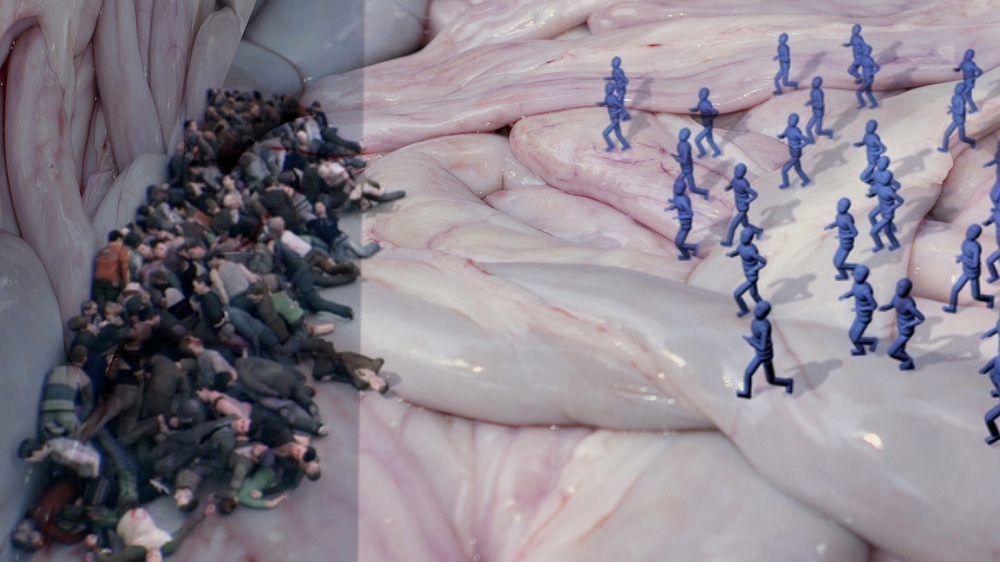
Jon Rafman’s Poor Magic is a vision of a post-human dystopia featuring animated 3-D bodies continuously tortured in abstract digital space. The video presents the viewer with a haunting programme of repeating motifs: a blue featureless avatar, a view from a colonoscopy, and ranks of identical figures crashing and toppling over each other, made with the help of crowd-simulation software. While a poetic lament, Poor Magic addresses the fragmented consciousness of a post-physical existence. The film shows a terrifying image of a future where all humanity is uploaded to a virtual purgatory and endlessly abused. Or perhaps it is also a brutal representation of the present moment and the effect that technology has on our flesh and psyche.
Jon Rafman est né en 1981 au Canada, il habite et travaille à Montréal. Artiste, réalisateur et essayiste, il est diplômé de l’Institut des Arts de Chicago et de l’Université McGill (Montréal) en philosophie et littérature. Son travail est centré sur l’impact émotionnel, social et existentiel de la technologie sur la vie, présentant une vision mélancolique des relations sociales dans des communautés et réalités virtuelles contemporaines. Ses vidéos mettent en exergue la manière dont le caractère éphémère de la pop culture et des subcultures façonnent les désirs individuels et définissent ceux qui en sont les sujets. Le travail de Jon Rafman a été exposé lors d’expositions individuelles , notamment au Stedelijk Museum d’Amsterdam (2016), au Westfälischer Kunstverein de Münster (2016), au Musée d’art contemporain de Montréal (2015), à la Zabludowicz Collection, Londres (2015), et au Centre d’art contemporain de Tel Aviv. Il a également participé à de nombreuses expositions collectives, notamment à la 9ème Biennale de Berlin ; à la Manifesta 11 (2016) ; à la Kunsthalle de Vienne, dans l’exposition « The Future of Memory », (2015) ; au Fridericianum à Kassel dans l’exposition « Speculations on Anonymous Materials » (2015) ; à la Biennale de Lyon (2015) et à la Biennale de Moscou (2015). Il a également été présenté à la Saatchi Gallery de Londres et au Palais de Tokyo (2012). Il a obtenu le Prix d’excellence en arts visuels au Musée des Beaux-Arts de Montréal (2015), et son court métrage « Mainsqueeze » a été nominé au Tiger Award du festival de film de Rotterdam.

Mahbubur Rahaman
The City Gate
Vidéo | dv | couleur | 9:2 | Bangladesh | 2009
Ella Raidel
We'll Always Have Paris
Doc. expérimental | 4k | couleur | 3:36 | Autriche, Chine | 2021
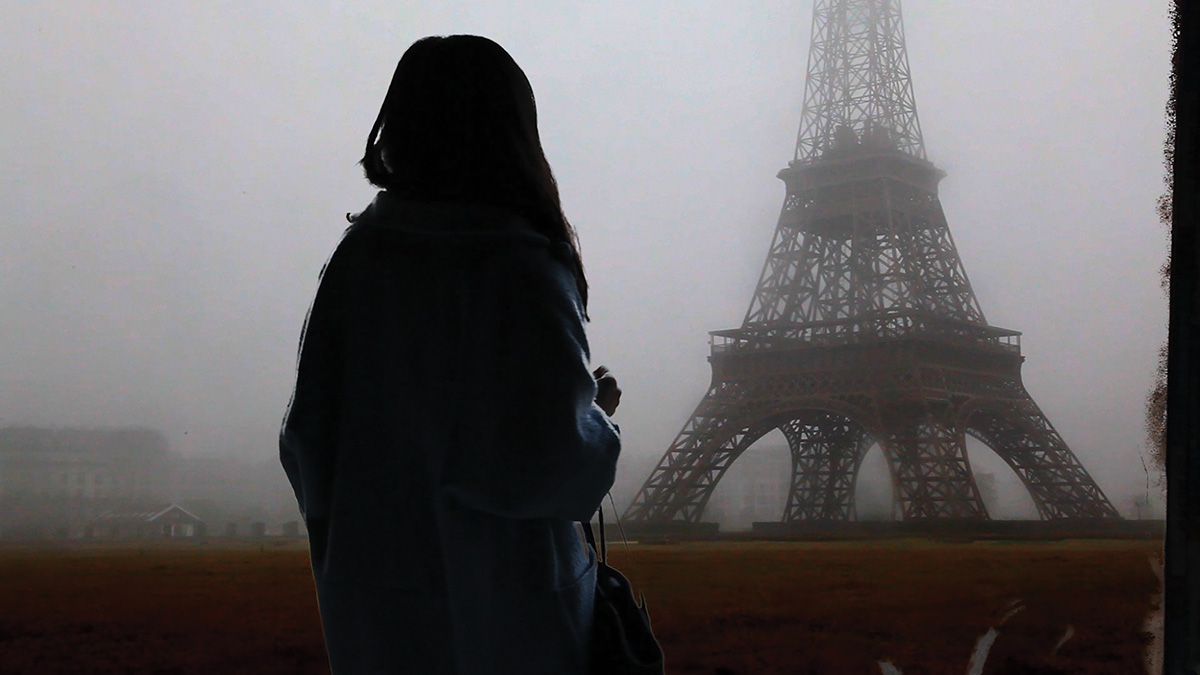
Paris is not necessarily the first choice as the setting for a ghost story. The excessive romance of the French metropolis’ cultural symbols renders them simply unsuitable as backdrop for horror stories. But that’s not the case in Ella Raidel’s four-minute short film, which arose in the course of her extensive research project Of Haunted Spaces and refers to an upcoming feature film project. In We’ll always have Paris, the Eifel Tower, Champs-Élysées, magnificent fountains, and trimmed hedges stand as faux French in the hazy rain of Tianducheng. The residential complex located in the suburbs of the Chinese megapolis Hangzhou is one of the countless, largely unpopulated pop-up sites that sprung up overnight through high-speed real-estate speculation. In Raidel’s film, the Eifel Tower is the anti-gravity center of a phantom zone furnished with stark high-rises, parking areas, and gardens—an urban proposition that amounts to nothing. As the camera focuses on the building clone and its surroundings from various perspectives, the film suddenly changes tone. A woman who at first is visible only from behind enters the urban planning remake. Through a construction site corridor, she enters a conference space, improvised by partition walls, from which the view of the tower’s base condenses to an image of the uncanny. Like the pastiche in Tianducheng, We’ll always have Paris also contradicts the logics of representation; the film itself becomes a simulation of an architecture film, of a capitalism critique, of a ghost story: as they say in the film classic Casablanca, "We’ll always have Paris." But what do we have here? (Esther Buss)
Ella Raidel, is an Austrian filmmaker, artist and researcher who has lived in Taiwan for the past 20 years. In her interdisciplinary works – films, videos, research and discourses – she focuses on the socio-cultural aspects of globalization, urbanization and the representation of images. Her hybrid practice is to create a discursive space for filmmaking, art and research. She is currently Asst. Professor at NTU Singapore, lives and works in Singapore. In recent years, she has been concerned with China’s unprecedented growth and rapid urban changes, in experimenting with new documentary modes, narrations and methods. Raidel’s works has participated in international biennials, exhibitions, conferences, and presented at numerous International film festivals.
Ella Raidel
Play Life Series
Documentaire | hdv | couleur | 11:0 | Autriche | 2011
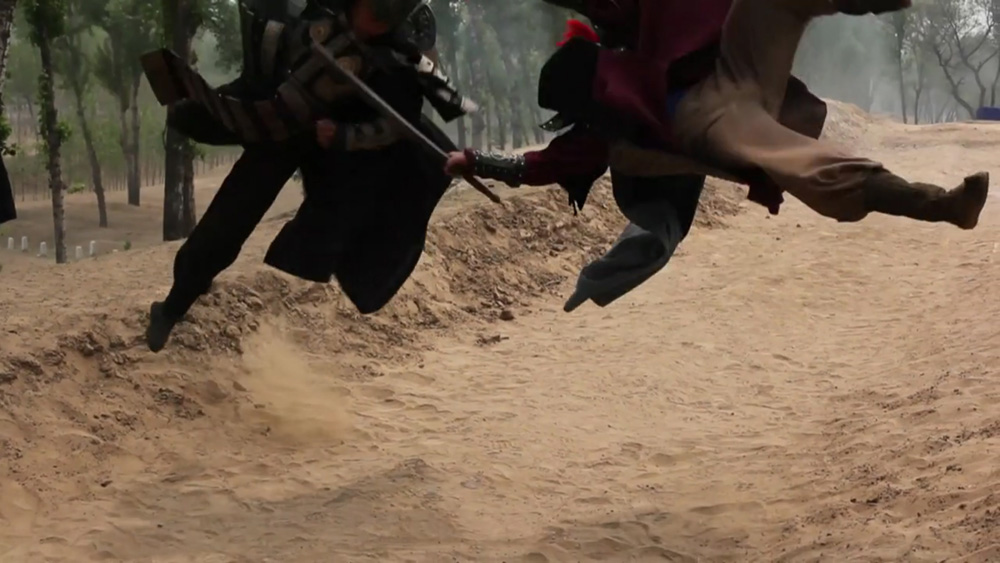
Ella Raidel’s video Play Life Serie exposes its own methods right from the start. We see film shoots and film sites where Chinese soap operas are produced. As the camera pans to film teams and cameramen, the fictional content of the rehearsed scenes is interrupted and revealed as the process of making-of. At the same time, through editing, Raidel replays particular movements, handholds, and gestures of the characters, thus intensifying their serial level. The repetitions make clear the extent to which sword fights, wine, love, and revolt are part of a medially represented repertoire of gestures. Ella Raidel’s work deals ironically with the Chinese soap opera as fake-factory of collective desires, which in the interplay of fiction and making-of, forces its way through reality, scrutinizing it—as site of image making and image controlling.
Ella Raidel, born 1970 in Austria, studied at Art University Linz, lives and works in Taipei. She is currently Post-doc Researcher at Academia Sinica in Taipei/Taiwan. Ella Raidel is artist, filmmaker, presents her works internationally at Video- and Filmfestivals as well as exhibitions, such as Transmediale 2013 (Haus der Kulturen der Welt, Berlin), Floating Islands (Shanghai Biennale 2012/13 Kinmen/Taiwan), Asian Triennale Manchester, Discovering the Other (National Palace Museum Taipei), Based Upon: True Stories (Witte de Wit Rotterdam) Filmfestivals: CPH:DOX, Dok Leipzig, International Filmfestival Rotterdam, Crossing Europe, Duisburger Filmwoche, etc.
Yvonne Rainer
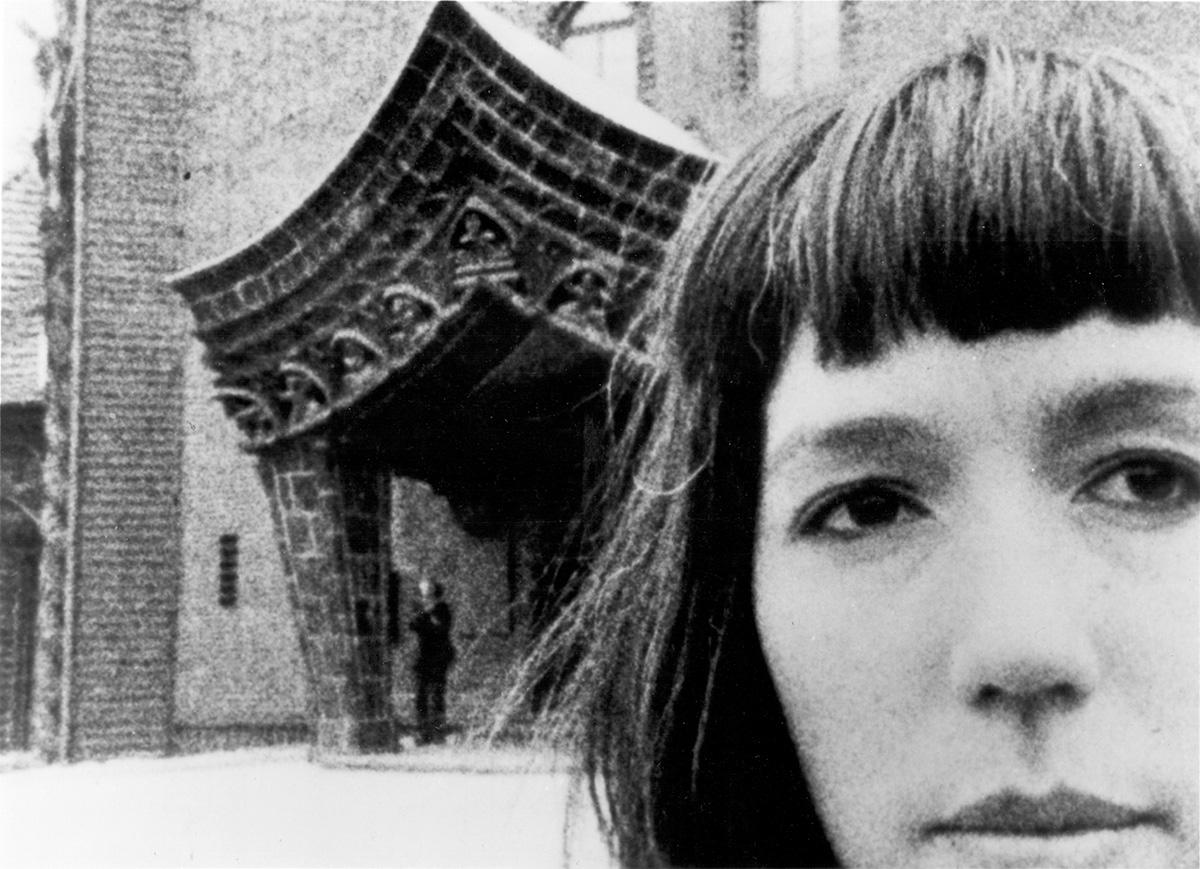
Journeys from Berlin/1971
Fiction expérimentale | 16mm | couleur | 125:0 | USA | 1979
“Without a doubt the most ambitious, most risk-taking work of Rainer’s cinematic career.”—B. Ruby Rich. Rainer’s fourth feature, inspired by her experiences living in West Berlin in 1976 and ’77, when the activities of right-wing terrorists were at their height, offers an audacious, collage-like meditation on state power, repression, violence, and revolution. Vaulting between aerial images of British landscapes, intertitles, fragments of Rainer’s teenage diary, and one unseen couple’s debate (voiced by Amy Taubin and Vito Acconci) over the demise of the RAF, the film is illuminated by a lead performance from the late art and film critic Annette Michelson as a patient undergoing psychoanalysis, whose every gesture was choreographed elaborately by Rainer over a nine-month period. (Synopsis courtesy of The Metrograph)
When Yvonne Rainer made her first feature-length film in 1972, she had already influenced the world of dance and choreography for nearly a decade. From the beginning of her film career she inspired audiences to think about what they saw, interweaving the real and fictional, the personal and political, the concrete and abstract in imaginative, unpredictable ways. Her bold feminist sensibility and often controversial subject matter, leavened with a quirky humor, has made her, as the Village Voice dubbed her in 1986, "The most influential American avant-garde filmmaker of the past dozen years, with an impact as evident in London or Berlin as in New York. Rainer was born in San Francisco in 1934. She trained as a modern dancer in New York from 1957 and began to choreograph her own work in 1960. She was one of the founders of the Judson Dance Theater in 1962, the beginning of a movement that proved to be a vital force in modern dance in the following decades. Between 1962 and 1975 she presented her choreography throughout the United States and Europe, notably on Broadway in 1969, in Scandinavia, London, Germany, and Italy between 1964 and 1972, and at the Festival D'Automne in Paris in 1972. In 1968 she began to integrate short films into her live performances, and by 1975 she had made a complete transition to filmmaking. In 1972 she completed a first feature-length film, LIVES OF PERFORMERS. In all she has completed seven features: FILM ABOUT A WOMAN WHO... (1974), KRISTINA TALKING PICTURES (1976), JOURNEYS FROM BERLIN/1971 (1980, co-produced by the British Film Institute and winner of the Special Achievement Award from the Los Angeles Film Critics' Association), THE MAN WHO ENVIED WOMEN (1985), PRIVILEGE (1990, winner of the Filmmakers' Trophy at the Sundance Film Festival, Park City. Utah, 1991, and the Geyer Werke Prize at the International Documentary Film Festival in Munich, 1991), and MURDER and murder (1996). Rainer's films have been shown extensively in the U.S. and throughout the world, in alternative film exhibition showcases and revival houses (such as the Bleecker St Cinema, Roxy-S.F., NuArt-L.A, Film Forum-NYC, et al), in museums and in universities. Her films have also been screened at festivals in Los Angeles (Filmex), London, Montreux, Toronto, Edinburgh, Mannheim, Berlin, Locarno, Rotterdam, Creteil, Deauville, Toulon, Montreal, Hamburg, Salsa Majori, Figueira da Foz, Munich, Vienna, Athens (Ohio), Sundance, Hong Kong, Yamagata, and Sydney. A half-hour video tape entitled YVONNE RAINER: STORY OF A FILMMAKER WHO... was aired on Film and Video Review, WNET-TV in 1980. THE MAN WHO ENVIED WOMEN was aired on Independent Focus, WNET-TV in, 1989, and PRIVILEGE on the same program in 1992 and during the summer of 1994. In the Spring of 1997—to coincide with the release of MURDER and murder—complete retrospectives of the films of Yvonne Rainer were mounted at the Museum of Modern Art in San Francisco and at the Film Society of Lincoln Center in New York City.
Yvonne Rainer
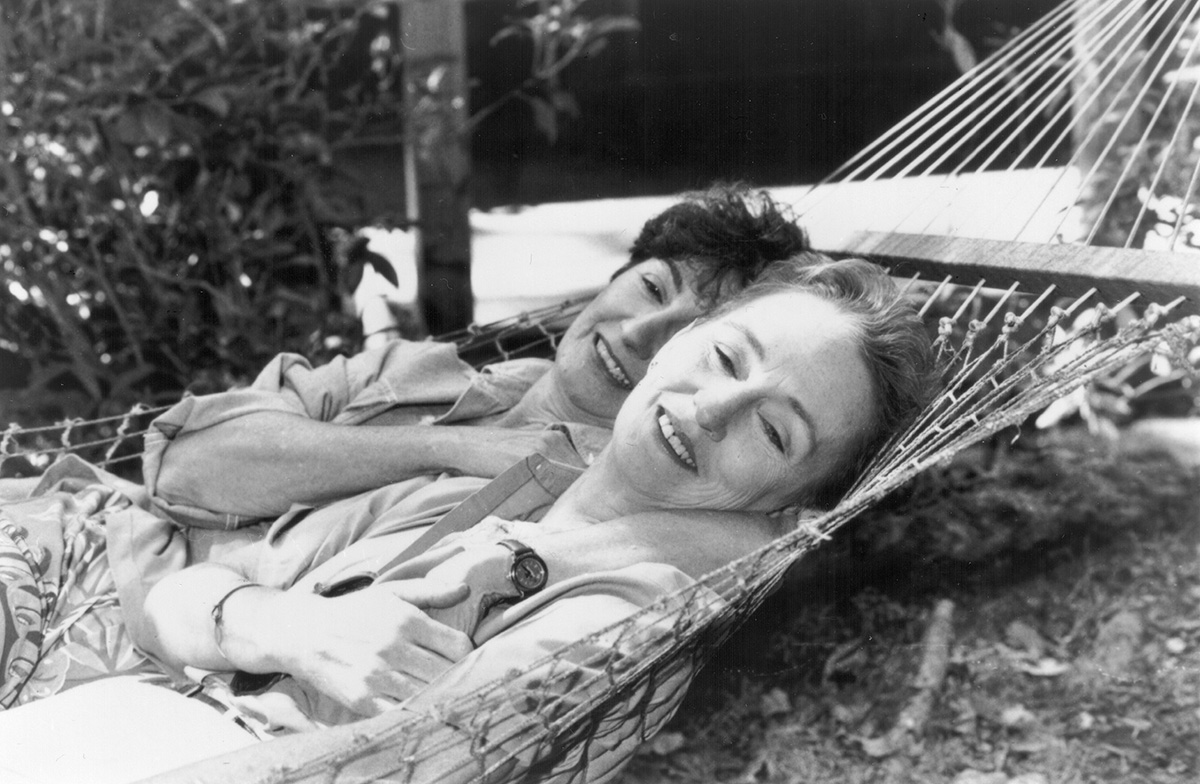
Privilege
Fiction expérimentale | 16mm | couleur et n&b | 103:0 | USA | 1990
“For Rainer, drama and style aren’t innocent, and the very concept of a story, and the way it’s told, is political”—Richard Brody. One of Rainer’s most narratively complex films, Privilege shifts from a documentary about women going through the process of menopause to a deadpan and delightfully anarchic autobiographical meta-film exploring the power dynamics underpinning experience, memory, and the manner in which women’s stories are told. Synopsis courtesy of The Metrograph.
When Yvonne Rainer made her first feature-length film in 1972, she had already influenced the world of dance and choreography for nearly a decade. From the beginning of her film career she inspired audiences to think about what they saw, interweaving the real and fictional, the personal and political, the concrete and abstract in imaginative, unpredictable ways. Her bold feminist sensibility and often controversial subject matter, leavened with a quirky humor, has made her, as the Village Voice dubbed her in 1986, "The most influential American avant-garde filmmaker of the past dozen years, with an impact as evident in London or Berlin as in New York. Rainer was born in San Francisco in 1934. She trained as a modern dancer in New York from 1957 and began to choreograph her own work in 1960. She was one of the founders of the Judson Dance Theater in 1962, the beginning of a movement that proved to be a vital force in modern dance in the following decades. Between 1962 and 1975 she presented her choreography throughout the United States and Europe, notably on Broadway in 1969, in Scandinavia, London, Germany, and Italy between 1964 and 1972, and at the Festival D'Automne in Paris in 1972. In 1968 she began to integrate short films into her live performances, and by 1975 she had made a complete transition to filmmaking. In 1972 she completed a first feature-length film, LIVES OF PERFORMERS. In all she has completed seven features: FILM ABOUT A WOMAN WHO... (1974), KRISTINA TALKING PICTURES (1976), JOURNEYS FROM BERLIN/1971 (1980, co-produced by the British Film Institute and winner of the Special Achievement Award from the Los Angeles Film Critics' Association), THE MAN WHO ENVIED WOMEN (1985), PRIVILEGE (1990, winner of the Filmmakers' Trophy at the Sundance Film Festival, Park City. Utah, 1991, and the Geyer Werke Prize at the International Documentary Film Festival in Munich, 1991), and MURDER and murder (1996). Rainer's films have been shown extensively in the U.S. and throughout the world, in alternative film exhibition showcases and revival houses (such as the Bleecker St Cinema, Roxy-S.F., NuArt-L.A, Film Forum-NYC, et al), in museums and in universities. Her films have also been screened at festivals in Los Angeles (Filmex), London, Montreux, Toronto, Edinburgh, Mannheim, Berlin, Locarno, Rotterdam, Creteil, Deauville, Toulon, Montreal, Hamburg, Salsa Majori, Figueira da Foz, Munich, Vienna, Athens (Ohio), Sundance, Hong Kong, Yamagata, and Sydney. A half-hour video tape entitled YVONNE RAINER: STORY OF A FILMMAKER WHO... was aired on Film and Video Review, WNET-TV in 1980. THE MAN WHO ENVIED WOMEN was aired on Independent Focus, WNET-TV in, 1989, and PRIVILEGE on the same program in 1992 and during the summer of 1994. In the Spring of 1997—to coincide with the release of MURDER and murder—complete retrospectives of the films of Yvonne Rainer were mounted at the Museum of Modern Art in San Francisco and at the Film Society of Lincoln Center in New York City. In 2006 MIT Press published Yvonne Rainer's memoir Feelings Are Facts: A Life
Yvonne Rainer
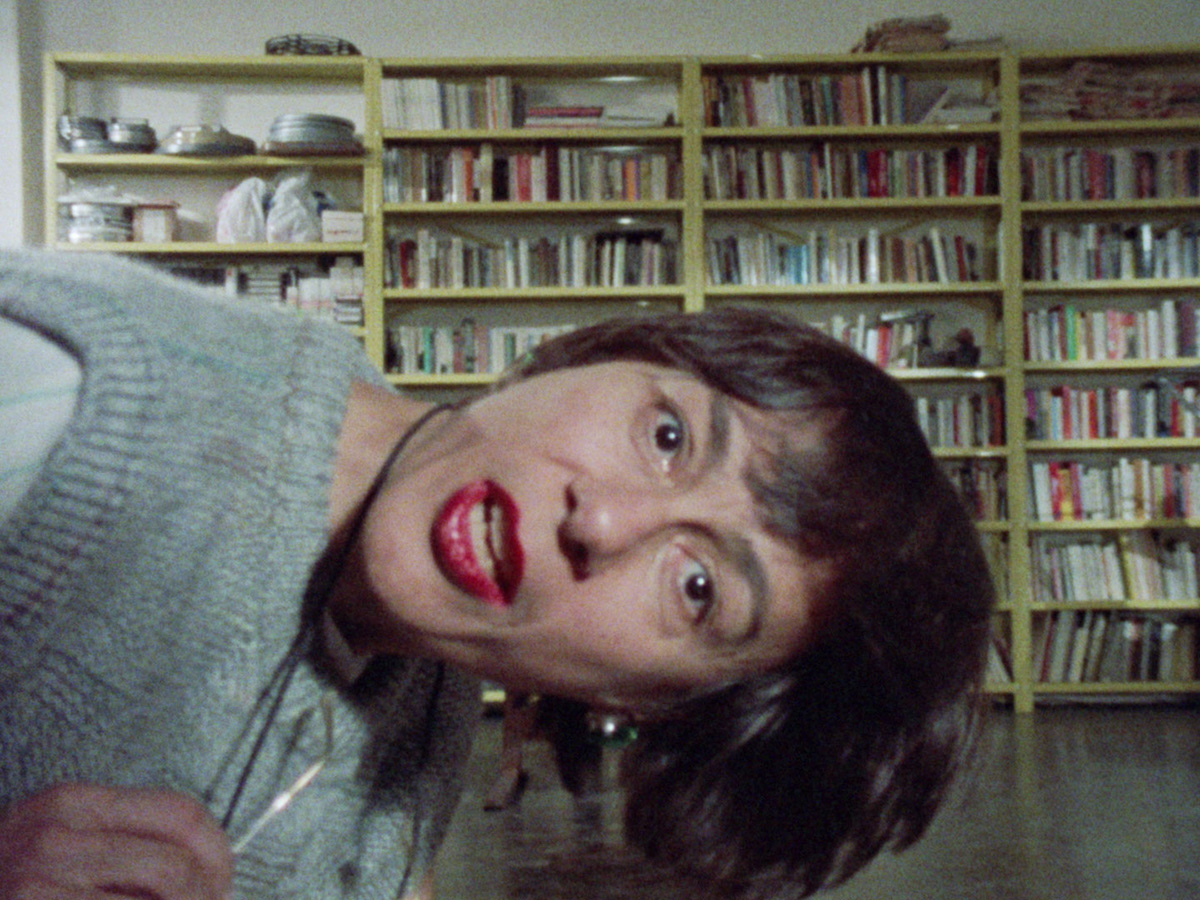
The Man who Envied Women
Fiction expérimentale | 16mm | couleur | 125:0 | USA | 1985
The Man Who Envied Women sees Rainer, in her own words, “throw down the gauntlet to psychoanalytic feminist film theory,” interrogating and responding to contemporary debates over notions such as the male gaze with a drolly provocative hybrid essay film. Rainer’s account of the break-up of a marriage between a womanizing blowhard Manhattan professor (played alternately by William Raymond and Larry Loonin) and his artist wife, who exists only as voice-over (choreographer Trisha Brown), soon galaxy brains outwards to address concerns as divergent as the housing crisis facing New York artists and political struggles in Latin America. (Synopsis courtesy of The Metrograph)
When Yvonne Rainer made her first feature-length film in 1972, she had already influenced the world of dance and choreography for nearly a decade. From the beginning of her film career she inspired audiences to think about what they saw, interweaving the real and fictional, the personal and political, the concrete and abstract in imaginative, unpredictable ways. Her bold feminist sensibility and often controversial subject matter, leavened with a quirky humor, has made her, as the Village Voice dubbed her in 1986, "The most influential American avant-garde filmmaker of the past dozen years, with an impact as evident in London or Berlin as in New York. Rainer was born in San Francisco in 1934. She trained as a modern dancer in New York from 1957 and began to choreograph her own work in 1960. She was one of the founders of the Judson Dance Theater in 1962, the beginning of a movement that proved to be a vital force in modern dance in the following decades. Between 1962 and 1975 she presented her choreography throughout the United States and Europe, notably on Broadway in 1969, in Scandinavia, London, Germany, and Italy between 1964 and 1972, and at the Festival D'Automne in Paris in 1972. In 1968 she began to integrate short films into her live performances, and by 1975 she had made a complete transition to filmmaking. In 1972 she completed a first feature-length film, LIVES OF PERFORMERS. In all she has completed seven features: FILM ABOUT A WOMAN WHO... (1974), KRISTINA TALKING PICTURES (1976), JOURNEYS FROM BERLIN/1971 (1980, co-produced by the British Film Institute and winner of the Special Achievement Award from the Los Angeles Film Critics' Association), THE MAN WHO ENVIED WOMEN (1985), PRIVILEGE (1990, winner of the Filmmakers' Trophy at the Sundance Film Festival, Park City. Utah, 1991, and the Geyer Werke Prize at the International Documentary Film Festival in Munich, 1991), and MURDER and murder (1996). Rainer's films have been shown extensively in the U.S. and throughout the world, in alternative film exhibition showcases and revival houses (such as the Bleecker St Cinema, Roxy-S.F., NuArt-L.A, Film Forum-NYC, et al), in museums and in universities. Her films have also been screened at festivals in Los Angeles (Filmex), London, Montreux, Toronto, Edinburgh, Mannheim, Berlin, Locarno, Rotterdam, Creteil, Deauville, Toulon, Montreal, Hamburg, Salsa Majori, Figueira da Foz, Munich, Vienna, Athens (Ohio), Sundance, Hong Kong, Yamagata, and Sydney. A half-hour video tape entitled YVONNE RAINER: STORY OF A FILMMAKER WHO... was aired on Film and Video Review, WNET-TV in 1980. THE MAN WHO ENVIED WOMEN was aired on Independent Focus, WNET-TV in, 1989, and PRIVILEGE on the same program in 1992 and during the summer of 1994. In the Spring of 1997—to coincide with the release of MURDER and murder—complete retrospectives of the films of Yvonne Rainer were mounted at the Museum of Modern Art in San Francisco and at the Film Society of Lincoln Center in New York City. In 2006 MIT Press published Yvonne Rainer's memoir Feelings Are Facts: A Life.
Yvonne Rainer
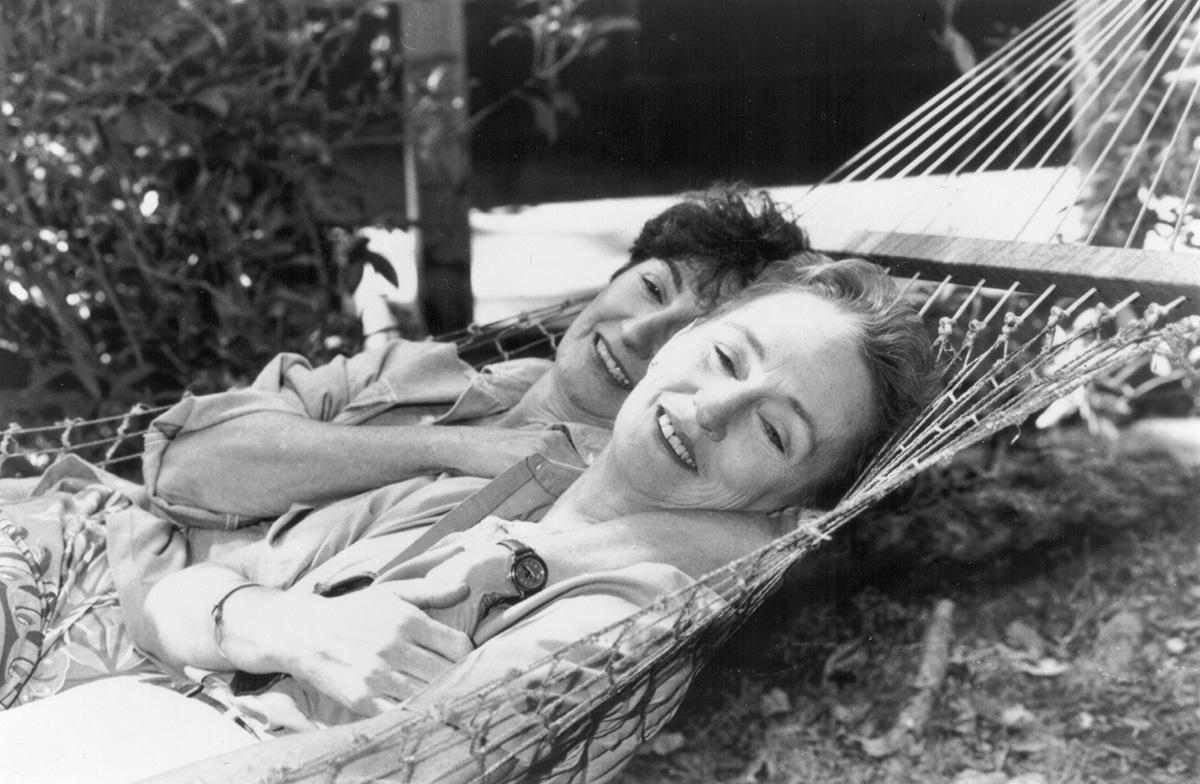
MURDER and murder
Fiction expérimentale | 16mm | couleur | 113:0 | USA | 1996
Rainer’s last feature is also one of her most personal, inspired by the lows and highs of a breast cancer diagnosis in the early 1990s, and the surprise of a burgeoning lesbian relationship. The latter is playfully refracted here through the love story of two women from very different backgrounds: Yvonne’s sixty-something screen counterpart Doris (Joanna Merlin) who gleefully announces that she “loves eating pussy,” and the younger academic she’s soon to move in with, Mildred (Kathleen Chalfant). A comic romance whose emotions are amplified by Rainer’s structural tomfoolery and signature intellectual rigor—with the director providing running commentary and appearing intermittently to address the camera—MURDER and murder probes the pleasures, and attendant questions, of late-in-life love affairs. (Synopsis courtesy of The Metrograph.)
When Yvonne Rainer made her first feature-length film in 1972, she had already influenced the world of dance and choreography for nearly a decade. From the beginning of her film career she inspired audiences to think about what they saw, interweaving the real and fictional, the personal and political, the concrete and abstract in imaginative, unpredictable ways. Her bold feminist sensibility and often controversial subject matter, leavened with a quirky humor, has made her, as the Village Voice dubbed her in 1986, "The most influential American avant-garde filmmaker of the past dozen years, with an impact as evident in London or Berlin as in New York. Rainer was born in San Francisco in 1934. She trained as a modern dancer in New York from 1957 and began to choreograph her own work in 1960. She was one of the founders of the Judson Dance Theater in 1962, the beginning of a movement that proved to be a vital force in modern dance in the following decades. Between 1962 and 1975 she presented her choreography throughout the United States and Europe, notably on Broadway in 1969, in Scandinavia, London, Germany, and Italy between 1964 and 1972, and at the Festival D'Automne in Paris in 1972. In 1968 she began to integrate short films into her live performances, and by 1975 she had made a complete transition to filmmaking. In 1972 she completed a first feature-length film, LIVES OF PERFORMERS. In all she has completed seven features: FILM ABOUT A WOMAN WHO... (1974), KRISTINA TALKING PICTURES (1976), JOURNEYS FROM BERLIN/1971 (1980, co-produced by the British Film Institute and winner of the Special Achievement Award from the Los Angeles Film Critics' Association), THE MAN WHO ENVIED WOMEN (1985), PRIVILEGE (1990, winner of the Filmmakers' Trophy at the Sundance Film Festival, Park City. Utah, 1991, and the Geyer Werke Prize at the International Documentary Film Festival in Munich, 1991), and MURDER and murder (1996). Rainer's films have been shown extensively in the U.S. and throughout the world, in alternative film exhibition showcases and revival houses (such as the Bleecker St Cinema, Roxy-S.F., NuArt-L.A, Film Forum-NYC, et al), in museums and in universities. Her films have also been screened at festivals in Los Angeles (Filmex), London, Montreux, Toronto, Edinburgh, Mannheim, Berlin, Locarno, Rotterdam, Creteil, Deauville, Toulon, Montreal, Hamburg, Salsa Majori, Figueira da Foz, Munich, Vienna, Athens (Ohio), Sundance, Hong Kong, Yamagata, and Sydney. A half-hour video tape entitled YVONNE RAINER: STORY OF A FILMMAKER WHO... was aired on Film and Video Review, WNET-TV in 1980. THE MAN WHO ENVIED WOMEN was aired on Independent Focus, WNET-TV in, 1989, and PRIVILEGE on the same program in 1992 and during the summer of 1994. In the Spring of 1997—to coincide with the release of MURDER and murder—complete retrospectives of the films of Yvonne Rainer were mounted at the Museum of Modern Art in San Francisco and at the Film Society of Lincoln Center in New York City. In 2006 MIT Press published Yvonne Rainer's memoir Feelings Are Facts: A Life.

Yvonne Rainer
Kristina Talking Pictures
Fiction expérimentale | 16mm | couleur | 90:0 | USA | 1976
“What Rainer was up to, after all, was the reinvention of melodrama as a genre, accented for the contemporary psyche.”—B. Ruby Rich. Namechecking both Virginia Woolf and Jean-Luc Godard in the film’s opening segment, Rainer continues to experiment in her elegiac, hybrid third feature with unshackling narrative from conventional representation, using the paradoxical feminine figure of a lion tamer, Kristina (played by several women, including Rainer herself), and a disjunctive audiovisual syntax that pushes avant-garde film grammar into thrillingly novel, expressive realms. Kristina arrives from Budapest to 1970s New York City, harboring hopes of becoming a dance choreographer, as well as romantic affections for an elusive sailor named Raoul.(Synopsis courtesy of The Metrograph.)
When Yvonne Rainer made her first feature-length film in 1972, she had already influenced the world of dance and choreography for nearly a decade. From the beginning of her film career she inspired audiences to think about what they saw, interweaving the real and fictional, the personal and political, the concrete and abstract in imaginative, unpredictable ways. Her bold feminist sensibility and often controversial subject matter, leavened with a quirky humor, has made her, as the Village Voice dubbed her in 1986, "The most influential American avant-garde filmmaker of the past dozen years, with an impact as evident in London or Berlin as in New York. Rainer was born in San Francisco in 1934. She trained as a modern dancer in New York from 1957 and began to choreograph her own work in 1960. She was one of the founders of the Judson Dance Theater in 1962, the beginning of a movement that proved to be a vital force in modern dance in the following decades. Between 1962 and 1975 she presented her choreography throughout the United States and Europe, notably on Broadway in 1969, in Scandinavia, London, Germany, and Italy between 1964 and 1972, and at the Festival D'Automne in Paris in 1972. In 1968 she began to integrate short films into her live performances, and by 1975 she had made a complete transition to filmmaking. In 1972 she completed a first feature-length film, LIVES OF PERFORMERS. In all she has completed seven features: FILM ABOUT A WOMAN WHO... (1974), KRISTINA TALKING PICTURES (1976), JOURNEYS FROM BERLIN/1971 (1980, co-produced by the British Film Institute and winner of the Special Achievement Award from the Los Angeles Film Critics' Association), THE MAN WHO ENVIED WOMEN (1985), PRIVILEGE (1990, winner of the Filmmakers' Trophy at the Sundance Film Festival, Park City. Utah, 1991, and the Geyer Werke Prize at the International Documentary Film Festival in Munich, 1991), and MURDER and murder (1996). Rainer's films have been shown extensively in the U.S. and throughout the world, in alternative film exhibition showcases and revival houses (such as the Bleecker St Cinema, Roxy-S.F., NuArt-L.A, Film Forum-NYC, et al), in museums and in universities. Her films have also been screened at festivals in Los Angeles (Filmex), London, Montreux, Toronto, Edinburgh, Mannheim, Berlin, Locarno, Rotterdam, Creteil, Deauville, Toulon, Montreal, Hamburg, Salsa Majori, Figueira da Foz, Munich, Vienna, Athens (Ohio), Sundance, Hong Kong, Yamagata, and Sydney. A half-hour video tape entitled YVONNE RAINER: STORY OF A FILMMAKER WHO... was aired on Film and Video Review, WNET-TV in 1980. THE MAN WHO ENVIED WOMEN was aired on Independent Focus, WNET-TV in, 1989, and PRIVILEGE on the same program in 1992 and during the summer of 1994. In the Spring of 1997—to coincide with the release of MURDER and murder—complete retrospectives of the films of Yvonne Rainer were mounted at the Museum of Modern Art in San Francisco and at the Film Society of Lincoln Center in New York City. In 2006 MIT Press published Yvonne Rainer's memoir Feelings Are Facts: A Life.
Yvonne Rainer
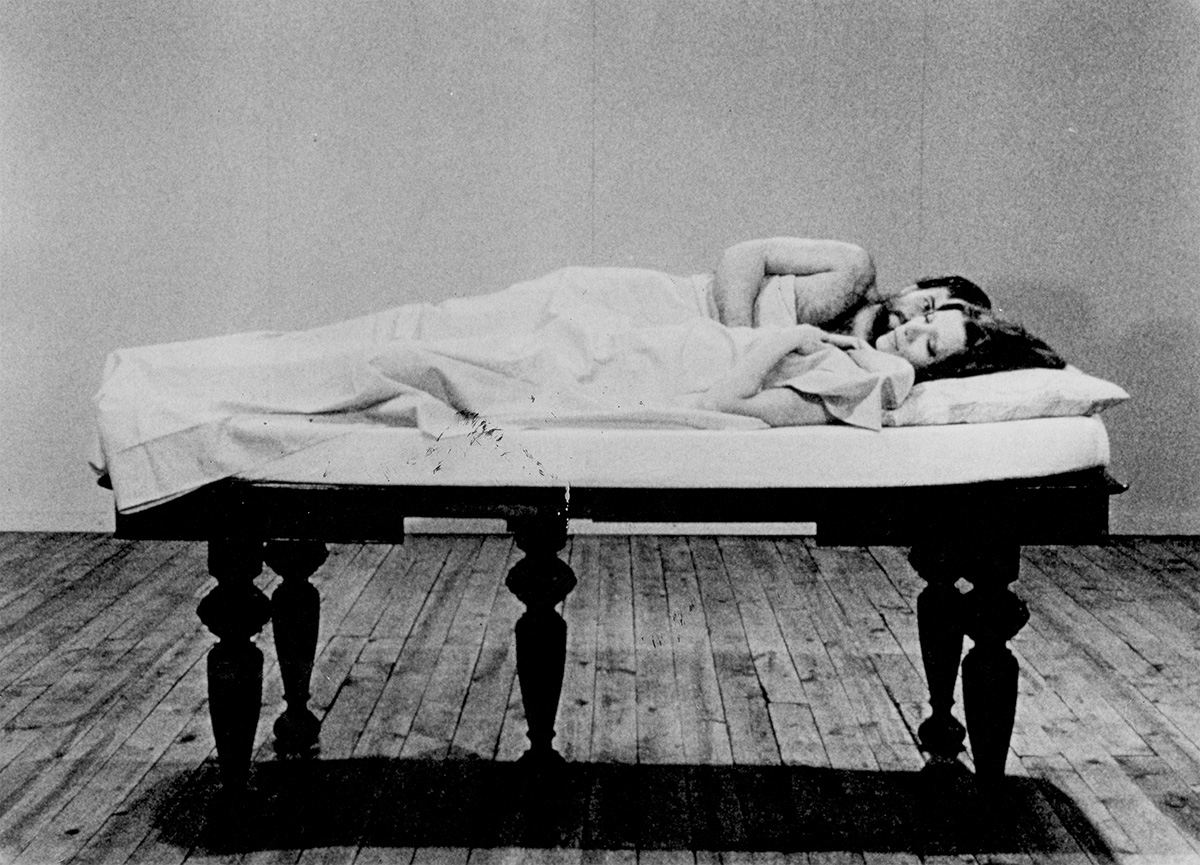
Film About a Woman Who...
Fiction expérimentale | 16mm | noir et blanc | 0:0 | USA | 1974
Picking up where Lives of Performers left off, Rainer’s second, landmark feature tells the story of a woman whose sexual dissatisfaction masks an enormous anger, with Rainer needling at questions raised by contemporary feminism about the relationship between the representation of romantic clichés and sexual repression. Borrowing techniques from soap opera, the formally fractured yet exuberant Film About a Woman Who… combines voiceover, intertitles, simulated “still” images, and dinner-table discussions to provocative, often contradictory effect. Long silences and Babette Mangolte’s fluid black-and-white images only heighten the darting, doubt-ridden, highly dislocating drama. (Synopsis courtesy of The Metrograph.)
When Yvonne Rainer made her first feature-length film in 1972, she had already influenced the world of dance and choreography for nearly a decade. From the beginning of her film career she inspired audiences to think about what they saw, interweaving the real and fictional, the personal and political, the concrete and abstract in imaginative, unpredictable ways. Her bold feminist sensibility and often controversial subject matter, leavened with a quirky humor, has made her, as the Village Voice dubbed her in 1986, "The most influential American avant-garde filmmaker of the past dozen years, with an impact as evident in London or Berlin as in New York. Rainer was born in San Francisco in 1934. She trained as a modern dancer in New York from 1957 and began to choreograph her own work in 1960. She was one of the founders of the Judson Dance Theater in 1962, the beginning of a movement that proved to be a vital force in modern dance in the following decades. Between 1962 and 1975 she presented her choreography throughout the United States and Europe, notably on Broadway in 1969, in Scandinavia, London, Germany, and Italy between 1964 and 1972, and at the Festival D'Automne in Paris in 1972. In 1968 she began to integrate short films into her live performances, and by 1975 she had made a complete transition to filmmaking. In 1972 she completed a first feature-length film, LIVES OF PERFORMERS. In all she has completed seven features: FILM ABOUT A WOMAN WHO... (1974), KRISTINA TALKING PICTURES (1976), JOURNEYS FROM BERLIN/1971 (1980, co-produced by the British Film Institute and winner of the Special Achievement Award from the Los Angeles Film Critics' Association), THE MAN WHO ENVIED WOMEN (1985), PRIVILEGE (1990, winner of the Filmmakers' Trophy at the Sundance Film Festival, Park City. Utah, 1991, and the Geyer Werke Prize at the International Documentary Film Festival in Munich, 1991), and MURDER and murder (1996). Rainer's films have been shown extensively in the U.S. and throughout the world, in alternative film exhibition showcases and revival houses (such as the Bleecker St Cinema, Roxy-S.F., NuArt-L.A, Film Forum-NYC, et al), in museums and in universities. Her films have also been screened at festivals in Los Angeles (Filmex), London, Montreux, Toronto, Edinburgh, Mannheim, Berlin, Locarno, Rotterdam, Creteil, Deauville, Toulon, Montreal, Hamburg, Salsa Majori, Figueira da Foz, Munich, Vienna, Athens (Ohio), Sundance, Hong Kong, Yamagata, and Sydney. A half-hour video tape entitled YVONNE RAINER: STORY OF A FILMMAKER WHO... was aired on Film and Video Review, WNET-TV in 1980. THE MAN WHO ENVIED WOMEN was aired on Independent Focus, WNET-TV in, 1989, and PRIVILEGE on the same program in 1992 and during the summer of 1994. In the Spring of 1997—to coincide with the release of MURDER and murder—complete retrospectives of the films of Yvonne Rainer were mounted at the Museum of Modern Art in San Francisco and at the Film Society of Lincoln Center in New York City. In 2006 MIT Press published Yvonne Rainer's memoir Feelings Are Facts: A Life
Yvonne Rainer
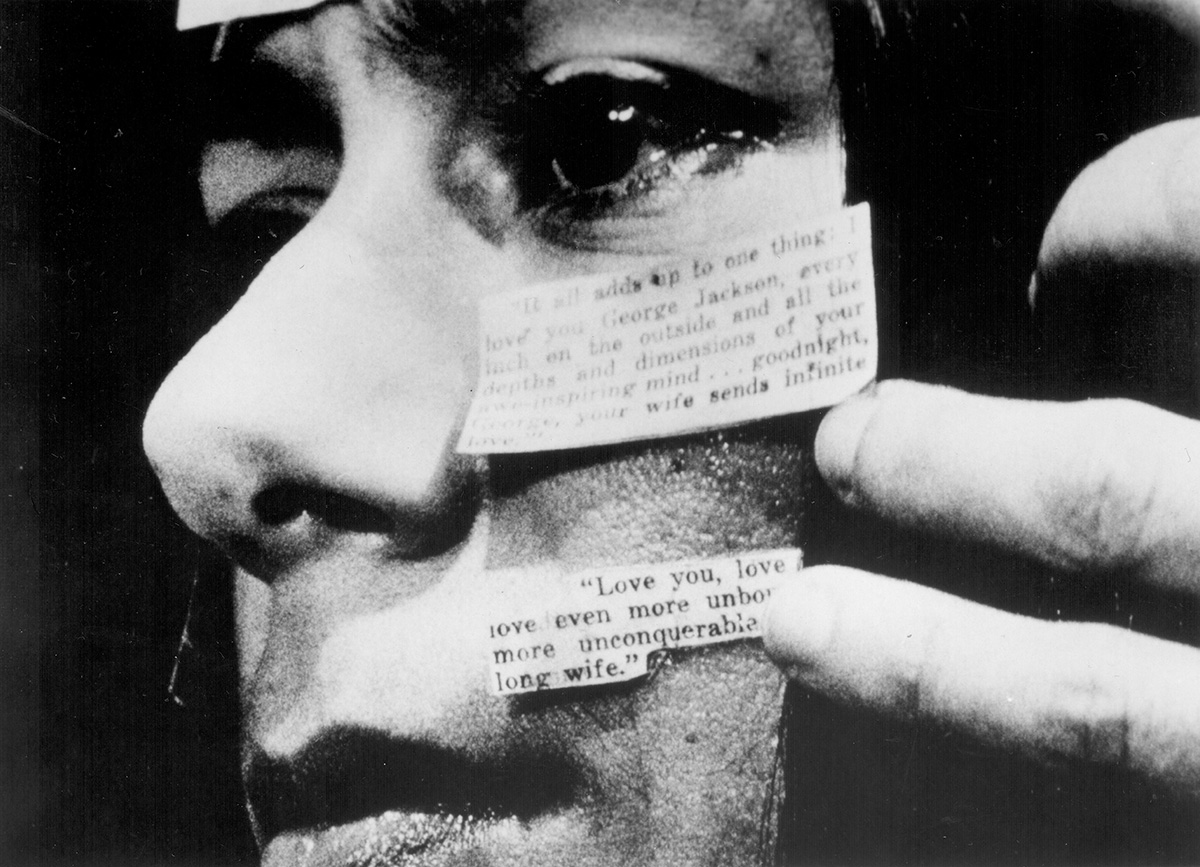
Lives of Performers
Fiction expérimentale | 16mm | noir et blanc | 89:0 | USA | 1972
Rainer’s debut feature film announced both her shift from the world of dance towards avant-garde cinema, and what would become a career-long interest in “women’s stories” and the teasing machinations of melodrama. The familiar tale of a man who can’t choose between two women and makes everyone suffer is reworked by Rainer as a jolting and radically austere, anti-illusionist spectacle, comprising dance rehearsals, photography, tableaux, and a flurry of fragments of text, both onscreen and not. Off-camera, multiple voices can be heard—including that of cinematographer Babette Mangolte, who was at the time just beginning work with a young Chantal Akerman. (Synopsis courtesy of The Metrograph.)
When Yvonne Rainer made her first feature-length film in 1972, she had already influenced the world of dance and choreography for nearly a decade. From the beginning of her film career she inspired audiences to think about what they saw, interweaving the real and fictional, the personal and political, the concrete and abstract in imaginative, unpredictable ways. Her bold feminist sensibility and often controversial subject matter, leavened with a quirky humor, has made her, as the Village Voice dubbed her in 1986, "The most influential American avant-garde filmmaker of the past dozen years, with an impact as evident in London or Berlin as in New York. Rainer was born in San Francisco in 1934. She trained as a modern dancer in New York from 1957 and began to choreograph her own work in 1960. She was one of the founders of the Judson Dance Theater in 1962, the beginning of a movement that proved to be a vital force in modern dance in the following decades. Between 1962 and 1975 she presented her choreography throughout the United States and Europe, notably on Broadway in 1969, in Scandinavia, London, Germany, and Italy between 1964 and 1972, and at the Festival D'Automne in Paris in 1972. In 1968 she began to integrate short films into her live performances, and by 1975 she had made a complete transition to filmmaking. In 1972 she completed a first feature-length film, LIVES OF PERFORMERS. In all she has completed seven features: FILM ABOUT A WOMAN WHO... (1974), KRISTINA TALKING PICTURES (1976), JOURNEYS FROM BERLIN/1971 (1980, co-produced by the British Film Institute and winner of the Special Achievement Award from the Los Angeles Film Critics' Association), THE MAN WHO ENVIED WOMEN (1985), PRIVILEGE (1990, winner of the Filmmakers' Trophy at the Sundance Film Festival, Park City. Utah, 1991, and the Geyer Werke Prize at the International Documentary Film Festival in Munich, 1991), and MURDER and murder (1996). Rainer's films have been shown extensively in the U.S. and throughout the world, in alternative film exhibition showcases and revival houses (such as the Bleecker St Cinema, Roxy-S.F., NuArt-L.A, Film Forum-NYC, et al), in museums and in universities. Her films have also been screened at festivals in Los Angeles (Filmex), London, Montreux, Toronto, Edinburgh, Mannheim, Berlin, Locarno, Rotterdam, Creteil, Deauville, Toulon, Montreal, Hamburg, Salsa Majori, Figueira da Foz, Munich, Vienna, Athens (Ohio), Sundance, Hong Kong, Yamagata, and Sydney. A half-hour video tape entitled YVONNE RAINER: STORY OF A FILMMAKER WHO... was aired on Film and Video Review, WNET-TV in 1980. THE MAN WHO ENVIED WOMEN was aired on Independent Focus, WNET-TV in, 1989, and PRIVILEGE on the same program in 1992 and during the summer of 1994. In the Spring of 1997—to coincide with the release of MURDER and murder—complete retrospectives of the films of Yvonne Rainer were mounted at the Museum of Modern Art in San Francisco and at the Film Society of Lincoln Center in New York City. In 2006 MIT Press published Yvonne Rainer's memoir Feelings Are Facts: A Life
Tuomo Rainio
City
Art vidéo | dv | noir et blanc | 2:46 | Finlande | 2006
Dans l?espace urbain, le comportement de chaque personne est observé et contrôlé tant par les autres que par soi-même. Pourtant, chacun a la possibilité de s?échapper de la normalité et de se distinguer de la foule. Dans l??uvre vidéo « City », l?auteur a utilisé un programme informatique qu?il a réalisé lui-même, pour dessiner l?image en dehors des mouvements de la vidéo, de telle sorte que tout ce qui bouge laisse une trace sur l?image. La vidéo permet de visualiser le lent processus d?une image qui apparaît de l?accumulation de changements. À la fin, le paysage inchangé se révèle, et l?image mouvante semble s?être transformée en une image immobile. Le chemin le plus commun se multiplie en luminosité lorsque plus de mouvements se produisent. En jouant lui-même dans la vidéo, l?auteur a dessiné sa propre trace comme opposition aux mouvements réguliers et essayé de rendre visible sa présence dans la foule.
Tuomo Rainio est né à Espoo (Finlande) en 1983. Il vit et travaille actuellement à Helsinki (Finlande). Il est diplômé du Département de Photo de l?Université des Arts et du Design de Helsinki, et continue ses études en Master dans la même université. En 2008-2008, il a également étudié à la Musashino Art University de Tokyo (Japon). Rainio travaille essentiellement avec la vidéo numérique et la photographie, explorant des thèmes universaux tels que l?existence, l?individualité et l?évanescence. Les ?uvres de Rainio ont été exposées lors de diverses expositions collectives, dans huit pays d?Europe différents. L?année dernière, il a réalisé sa première exposition individuelle en Finlande, et a également pris part à une exposition au Musée Finlandais de la Photographie. En 2008, ses ?uvres sont présentées dans l?exposition collective du Musée d?Art Contemporain Kiasma, en Finlande, ainsi qu?à l?European Month of Photography, évènement organisé dans neuf capitales européennes. En été 2008, un musée finlandais privé consacrera une exposition individuelle aux ?uvres de Rainio.
Sara Rajaei, Rajaei, Sara
Charismatic fates & Vanishing dates
Art vidéo | dv | couleur | 3:0 | Iran, Pays-Bas | 2006
Il y a dans nos vies des moments de déjà vu, des moments de souvenir intense. Ici, les personnages sont dans un état permanent de déjà vu. Les enfants sont purs et immortels comme les idées et les concepts, ils restent et se souviennent, brisent la frontière entre réel et irréel. Les adultes gardent les souvenirs de leur ancienne vie, mais les souvenirs sont les souvenirs, sans base solide pour les soutenir.
Sara Rajaei est née en 1976, à Abadan, en Iran. Elle est artiste vidéo. Elle a étudié les arts manuels à l'université de Téhéran pendant deux ans avant de partir s'installer aux Pays-Bas en 1998, où elle a obtenu sa licence de la Royal Academy of Art à La Haye en 2002. A suivi une résidence de deux ans à la Rijksakademie d'Amsterdam. Depuis 2004, elle travaille en freelance comme artiste vidéo, éditrice et écrivain. Elle travaille entre l'Iran et les Pays-Bas, n'oubliant pas qu'elle est une résidente des deux pays. Son oeuvre a été montrée dans divers festivals et expositions à travers le monde.
Frédéric Ramade
Go Forth
Documentaire | hdv | couleur | 62:0 | France | 2014
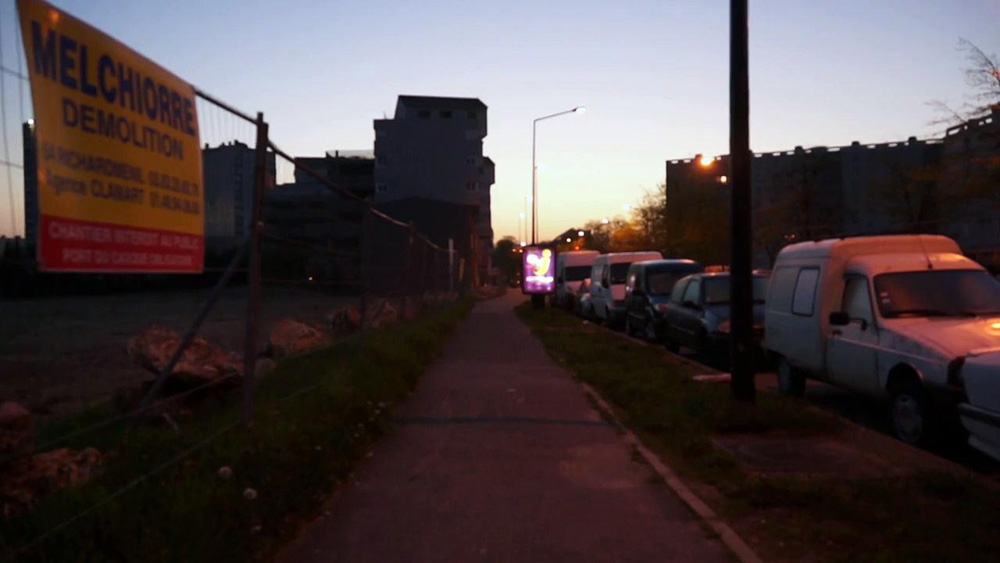
À travers le portrait d’une femme de 79 ans, Taklit Adel, ma grand-mère, née en Algérie et vivant en France depuis 60 ans, se noue à la fois le fil de la petite et de la grande Histoire et l’exploration de la banlieue et de son ensemble. Une histoire personnelle prise dans l’histoire collective.
Soufiane Adel est né en 1981 en Algérie. Il arrive en France à 8 ans. C’est en faisant une école de design, l’ENSCI, Les Ateliers, qu’il découvre le cinéma. Pas par hasard, toute son enfance il s’est nourri des films de Jean Claude Van Damme et du Nouvel Hollywood. Il rencontre à 20 ans le néoréalisme italien et le cinéma expérimental, et amorce alors une longue cinéphilie, autodidacte, aléatoire, et compulsive. En 2004, il décide de filmer son père, lui demande de rejouer une scène qu’ils ont vécue ensemble. Ce sera son premier court métrage : « Nuits closes ». Après il y aura « La Cassette » puis « Kamel s’est suicidé six fois, son père est mort ». A partir de 2009, il co-réalise ses films avec Angela Terrail, avec qui il travaille depuis « La Cassette ». Ils réaliseront « Sur la tête de Bertha Boxcar » et prépare actuellement un long métrage, l’adaptation contemporaine d’un roman de Jack London « Martin Eden ».