Catalogue > Search
Results for : Tout le catalogue
Dan Boord, Luis Valdovino
A Feeling for Leaving
Experimental doc. | hdv | color and b&w | 9:28 | USA | 2017
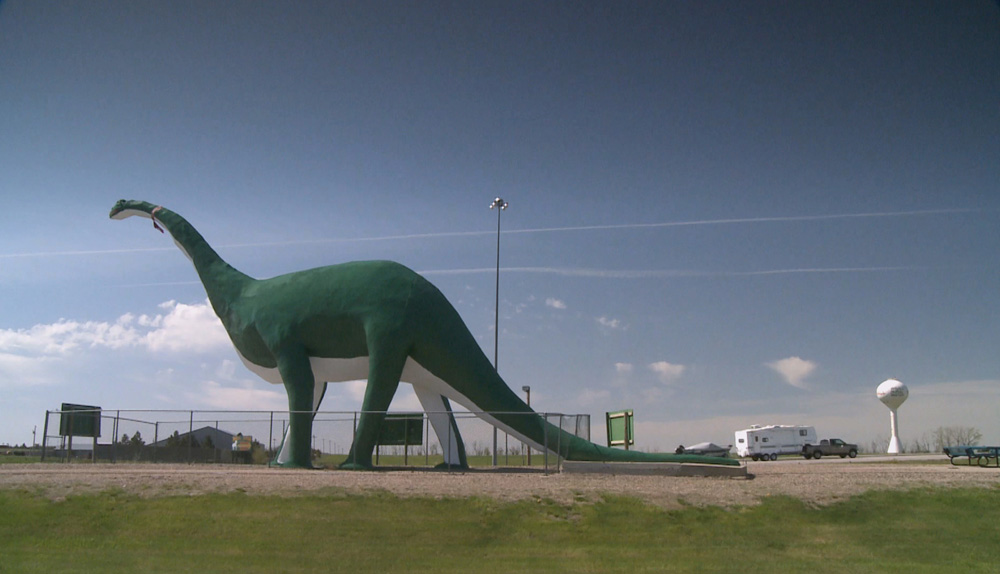
Thinkof anybody who goes anywhere or stays at home and is an American and you will realize that it is something strictly American to conceive a space that is filled with moving. "Gertrude Stein" Stay all night, stay a little longer, Dance all night, dance a little longer, Pull off your coat, throw it in the corner, Don`t see why you can`t stay a little longer. Lyrics by Bob Wills and Tommy Duncan In this video we see a world from a rearview mirror, passing along 19th century settlement trails, monuments, gas stations, deserts, dinners, postwar suburbs and a movie motel drive-in. Our histories are visible, mobile and vanishing. Landscapes rush by Arizona, Colorado, New Mexico, and Utah. Destinations include a dinosaur along a highway, a ranch converted into a UFO observation park, an abandoned movie drive-in, a western parade in Wyoming and lonely stretches of road. There is music and radio along the way, communities floating among the airwaves. Ferde Grofé’s musical sunrise over the Grand Canyon accompanies a tourist’s panoramic journey meandering westward to the Westlake District of Daly City, California. Meanwhile, an immigrant embarks on a train trip across Amerika toward employment, belonging, and The Nature Theater of Oklahoma.
Biography/Dan Boord: Dan Boord is a Professor in the Critical Media Practices Department at the University of Colorado, Boulder. He received grants from The Center for New Television, The Ohio Arts Council, WNET/WGBH and the Southwest Alternate Media Project. His work has been exhibited at the Whitney Museum of American Art, New York; The Museum of Modern Art, New York; Walker Art Center, Minneapolis; The Metropolitan Museum of Art, New York; Museum of Fine Arts, Boston; The Venice Biennale, Venice, Italy; Stedelijk Museum, Amsterdam, Holland; Centre Georges Pompidou, Paris, France; Museo Nacional Centro de Arte Reina Sofia, Madrid, Spain; Institute of Contemporary Art, London, England; Museo Nacional de Bellas Artes, Santiago, Chile; European Media Art Festival, Osnabruck, Germany; Toronto Film Festival, Toronto, Canada; World Wide Video Festival, The Hague, Holland; Les Rencontres Internationales; Edinburgh Film Festival, Scotland, and the Oberhausen Film Festival, Germany. His works are in the collections of The Museum of Modern Art, New York; Walker Art Center, Minneapolis and The Long Beach Museum , Long Beach, CA. Boord’s works have been broadcasted on WNET, New York and WGBH, Boston, presented at the International Public Television Conference in Stockholm and at the 50th Robert Flaherty Film Seminar. Biography/ Luis Valdovino: Luis Valdovino is Professor of Art at the University of Colorado, Boulder, CO. He has received grants from the American Film Institute, the National Endowment for the Arts, Arts International/N.E.A., Illinois Arts Council, Colorado Council for the Arts, and The Center for New Television, Chicago. His works have been included in numerous exhibitions including The Museum of Modern Art, New York; The Museum of Contemporary Art, Los Angeles; The Walker Art Center, Minneapolis; The Metropolitan Museum of Art, New York; San Francisco Museum of Modern Art, San Francisco; Museum of Fine Arts, Boston; Venice Biennale, Venice, Italy; The Stedelijk Museum, Amsterdam, Holland; The Institute of Contemporary Art, London, England; Museo Nacional Centro de Arte Reina Sofia, Madrid, Spain; Centre Georges Pompidou, Paris, France; Centro Nacional de Las Artes, Mexico City, Mexico; Museo Nacional de Bellas Artes, Santiago, Chile; Berlin Video Festival, Berlin, Germany; World Wide Video Festival, The Hague, Holland; Les Rencontres Internationales; Toronto Film Festival, Toronto, Canada; Edinburgh Film Festival, Scotland and Oberhausen Film Festival, Oberhausen, Germany. Valdovino’s videos have been presented at the 37th and 50th Robert Flaherty Film Seminar, The Kitchen, New York, and broadcasted on “Independent Focus†at WNET and Deep Dish Network, New York.
Dan Boord, Boord Dan
Not Enough Night
| dv | color and b&w | 7:44 | USA | 2007
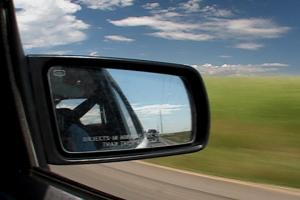
The Longmont Colorado gas station that Jack Kerouac wrote about in "On the Road" was moved twice to protect it from certain destruction. Our present day bulldozes the past to make room for quaint condominiums and homes that pretend to be part of an American yesteryear of cottages and town squares. "Not Enough Night" is a swan song for bygone hipsters, who longed for more "life" amid the coming storm of the post-World War II suburbs, shopping malls and the lonely existence of the solitary consumer. This tape commemorates the passing of the fiftieth year since the publications of "On the Road" by Jack Kerouac and ?The Americans? by Robert Frank.
Dan Boord is Professor and Director of the Film Studies Program at the University of Colorado, Boulder and Luis Valdovino is Professor in the Art & Art History Department at the University of Colorado, Boulder. Exhibitions: The Museum of Modern Art, New York, The Metropolitan Museum of Art, New York, Venice Biennale, Venice, Italy, The Stedelijk Museum, Amsterdam, Holland, Museo Nacional Centro de Arte Reina Sofia, Madrid, Spain, Centre Georges Pompidou, Paris, France, The Museum of Contemporary Art, Los Angeles; The Walker Art Center, Minneapolis; Centro Nacional de Las Artes, Mexico City, Mexico; Museo Nacional de Bellas Artes, Santiago, Chile; Berlin Video Festival, Berlin, Germany; Robert Flaherty Film Seminar and Toronto Film Festival, Canada.

Dan Boord, Dan Boord
Tree of Forgetting
Experimental doc. | dv | color and b&w | 8:43 | USA | 2009
The world?s shortest short story takes a detour to a place where time is a forking path of possibilities leading to the same eventuality ? the past. A place where it was possible to vanish among family and friends and where the places and things of everyday life may also take on horrific features and meanings. Tree of Forgetting is a place where a poet laureate may aspire to become an inspector of chickens and where many live in a state of exile. Here you forget not to remember those things others wish to forget.
Dan Boord is Professor in the Film Studies Program at the University of Colorado, Boulder and Luis Valdovino is Professor in the Art & Art History Department at the University of Colorado, Boulder. Exhibitions: The Museum of Modern Art, New York, The Metropolitan Museum of Art, New York, Venice Biennale, Venice, Italy, The Stedelijk Museum, Amsterdam, Holland, Museo Nacional Centro de Arte Reina Sofia, Madrid, Spain, Centre Georges Pompidou, Paris, France, The Museum of Contemporary Art, Los Angeles; The Walker Art Center, Minneapolis; Centro Nacional de Las Artes, Mexico City, Mexico; Museo Nacional de Bellas Artes, Santiago, Chile; Center of Contemporary Art, Tel Aviv, Israel; Robert Flaherty Film Seminar, Oberhausen Film Festival, Germany and Toronto Film Festival, Canada.
Dan Boord, Dan BOORD
Themes
Experimental doc. | dv | color | 28:24 | USA | 2004
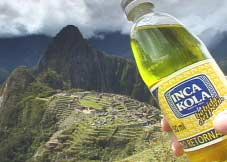
Themes resumes the travelogue begun in Standards. This post Cold War story proposes that history did not end with the collapse of the Berlin Wall, but has been reinvented in a children?s theatrical production of Doña Faustina somewhere in Yucatan, Mexico. Within Themes the past, present and the future converge as the Venice of Dante becomes a hotel in Las Vegas. Not the symbol and not that for which it stands ? the ?theme? is the building block of the world viewed. Themes is here to nostalgically observe that they do not make the future the way that they used to.
Dan Boord is a Professor and Luis Valdovino Associate Professor at the University of Colorado, Boulder. Exhibitions: The Museum of Modern Art, New York, The Metropolitan Museum of Art, New York, Venice Biennale, Venice, Italy, The Stedelijk Museum, Amsterdam, Holland, Museo Nacional Centro de Arte Reina Sofia, Madrid, Spain, Centre Georges Pompidou, Paris, France, Museo Nacional de Bellas Artes, Santiago, Chile, Robert Flaherty Film Seminar, Toronto Film Festival, Canada, World Wide Video Festival, The Hague, Holland and Oberhausen Film Festival, Germany.
Guillaume Bordier
J'ai pas tué Saddam !
Documentary | dv | color | 51:30 | France | 2005
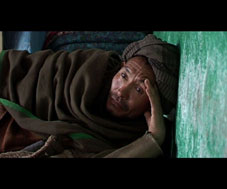
During a long trip in Afghanistan, the director stops for a few weeks in an inn at the back of beyond in the Hazaradjat mountains. This represents the documentary meeting with travelers, tradespeople, soldiers, farmers or traffickers doomed to wait the end of winter.
Guillaume Bordier was born in 1978 in France. His wish to shoot documentaries grew while travelling in various parts of the world. In 2003, during a long trip to Afghanistan, he shot his first movie "J´ai pas tué Saddam!" (I didn´t kill Saddam!) He has just finished the shooting of his second movie: the portrait of workers in a bakery in Western Afghanistan.

Andrea Bordoli
Requerimiento
Experimental film | 16mm | color and b&w | 8:9 | Switzerland | 2020
The requerimiento was a declaration by the Spanish monarchy of Castile's divine right to take possession of the New World's territories and to subjugate, exploit and, if necessary, fight the native inhabitants. This experimental 16mm short film explores the aesthetics of a mythological time and its archetypical creatures and materialities. In particular, following the trajectories of a serpent and a meteorite's fragment, REQUERIMIENTO develops an interwoven narration questioning human and nonhuman alterities in different epochs and cultures.
Andrea Bordoli holds a BA in Anthropology and Philosophy from the Université de Neuchâtel (2015), and a MA in Visual Anthropology from the University of Manchester (2017). He is currently based in Geneva, where he studies cinema at the Haute Ecole d'Art et Design (HEAD) while developing his own personal research at the intersection between anthropological theory, documentary cinema and visual art.
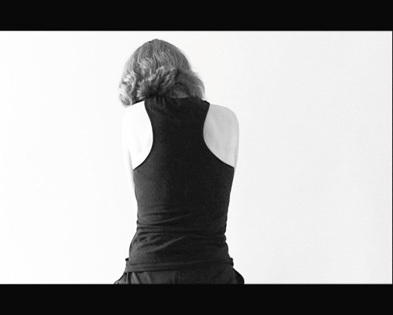
Myriam Bornand, caméra Charles Castella,son Vincent Pipponnier avec Charlotte Rampling
Future is back:les Déchirures
Video | | black and white | 1:53 | France | 2007
In this film, the theme of division is explored in three ways : the tear (the movement) - THE ACTION. The cuts (the words) - THE SOUND. And the separation between the action taking place and the sound. Charlotte Rampling sits turning back to us. We can see her tearing or cutting something imprecise. At the same time we can hear her voice but we don't know if it's a foreign language or invented words. Her voice is recorded off. The words we hear are an excerpt of the gardener's song in "Sylvie and Bruno" by Lewis Carroll. This text is told in french and english in a sliced, unstructured and clipped way, by punctual stops and resumptions. This deconstruction of the language is enough, by making us lose our bearings, to gets us lost in the understanding, even if no word is missing. At the same time, Charlotte Rampling keeps on tearing what's on her knees. The sequence ends when we hear the noise of scissors falling on the ground. Charlotte bends down slightly, the image stops on her back. Future is back.
Myriam Bornand, french-swiss artist, works and lives in Marseille, France. The general artistic process explores recurrent themes : the one and division, the center, the opposites, the stratums, the manipulation by the image, the automatism of the thought. Various techniques are used to treat these questions : collages, painting, video, writing, installations, serigraphy, gathering, photographs. The development of concepts is interlocked with the way of reproducing visually their problems. They are generally explored by series, which is the case of "Future is Back", a work composed of three parts : the Insults, the Scissors and the Tears. Exhibitions : LA PASSERELLE . 2001 . Marseille.FRANCE LES DANAÏDES. 2002 . Marseille.FRANCE LOFT 131.Installation. 2009 .Brooklyn .USA PULLMAN PALM BEACH. 2010. Marseille.FRANCE GALERIE PORTE AVION. 2010. Marseille.FRANCE GALERIE DU TABLEAU Mai 2011 Marseille. France De groupe GALERIE CHAVE .1993 . Vence FRANCE MUSÉE INGRES .1994 . « Les Récréations de la Création » Montauban.FRANCE ARTHOTHÉQUE du département de la Réunion « Aboli pas aboli » 1998.LA RÉUNION V.A.C en Février 2003 .« Hommage aux Anti-Barbares ». Ventabren .FRANCE CONCEJALIA de Educacion y Cultura : « COSLART 03 » . 2003.Coslada ESPANA . G.BLEUS 2005. « S.L.K » .Limburg. BELGIUM. MINISTERE DE LA CULTURE ET DE LA COMMUNICATION DE PARIS . 2008 « Assises »Paris.FRANCE M.A.C.A. « Assises Opéra in sedute » 2009 Acri ITALIA
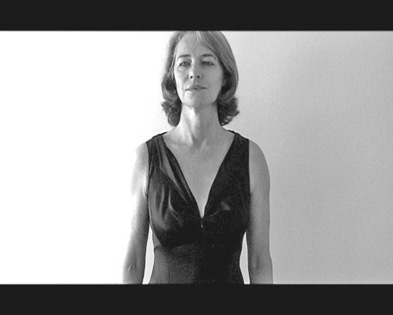
Myriam Bornand, Caméra Charles Castella,son Vincent Pipponnier avec Charlotte Rampling
Future is back:les Insultes
Video | | black and white | 1:52 | France | 0
Charlotte Rampling is standing and wearing a black dress, she seems to be at a formal party. Only her face and chest are slightly moving. Her smiling expression evoke the usual courtesy behaviour, or a few insignificant comments to an interlocutor off camera, whereas the langague she employs is violent and filthy. This video explores the principles of duality, of division using contraries. The calm and refinement of Charlotte Rampling's personality creates a gap with the violent and filthy comments she does. The chosen mode for the rosary of insults creates a gap aswell, it is rhythmed in accordance with the tibetan Mantras (syllables - prayers) repeated as chopped psalmodies. Here we find another gap : the use of a technique for different purposes than the usual ones, since it is about to pronounce secular words using the Mantras' mode, in a spirit opposite of the prayer's one.
Myriam Bornand, french-swiss artist, works and lives in Marseille, France. The general artistic process explores recurrent themes : the one and division, the center, the opposites, the stratums, the manipulation by the image, the automatism of the thought. Various techniques are used to treat these questions : collages, painting, video, writing, installations, serigraphy, gathering, photographs. The development of concepts is interlocked with the way of reproducing visually their problems. They are generally explored by series, which is the case of "Future is Back", a work composed of three parts : the Insults, the Scissors and the Tears. Exhibitions : LA PASSERELLE . 2001 . Marseille.FRANCE LES DANAÏDES. 2002 . Marseille.FRANCE LOFT 131.Installation. 2009 .Brooklyn .USA PULLMAN PALM BEACH. 2010. Marseille.FRANCE GALERIE PORTE AVION. 2010. Marseille.FRANCE GALERIE DU TABLEAU Mai 2011 Marseille. France De groupe GALERIE CHAVE .1993 . Vence FRANCE MUSÉE INGRES .1994 . « Les Récréations de la Création » Montauban.FRANCE ARTHOTHÉQUE du département de la Réunion « Aboli pas aboli » 1998.LA RÉUNION V.A.C en Février 2003 .« Hommage aux Anti-Barbares ». Ventabren .FRANCE CONCEJALIA de Educacion y Cultura : « COSLART 03 » . 2003.Coslada ESPANA . G.BLEUS 2005. « S.L.K » .Limburg. BELGIUM. MINISTERE DE LA CULTURE ET DE LA COMMUNICATION DE PARIS . 2008 « Assises »Paris.FRANCE M.A.C.A. « Assises Opéra in sedute » 2009 Acri ITALIA
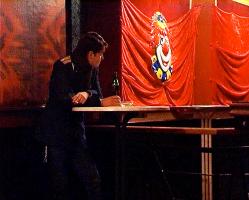
Ellen Bornkessel
Länger bleiben
Art vidéo | dv | color | 6:0 | Germany | 2005
A Man is standing at a table. He drinks and smokes. In four static settings, men appear in similar situations. Nothing much is happening, apart from a speaker describing the course of a party. In these fixed pictures, static and motion, brightness and darkness, loneliness and sociability and a sad mood coexist. The mixture allows an amused smile. The film describes a moment of standstill in the middle of moving city-life. The pictures are full of contrast. The inner emptiness is also reflected in the rooms; the stillness of the persons mirrored in the fixed camera position. The possibility of breaking through this situation is always there, either in the picture or in the text. It is obvious, though, that the person could not see it and that is what makes the video slightly tragicomic
short Biography born 12.02.1969 in Hammelburg, Germany 1995-97 Visual Arts, FH Bielefeld 1997-01 Photography and Mediaart, Academy of Visual Arts, Leipzig lives and works in Cologne, Germany
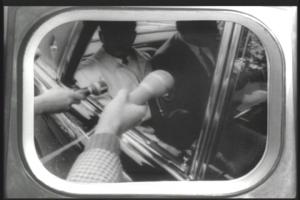
Mark Boswell
The St. Petersburg Paradox
Experimental video | dv | color | 8:22 | USA | 2006
?The St. Petersburg Paradox was invented by the Swiss Mathematician Nicolas Bernoulli in 1713. The SPP describes a particular casino game (in a hypothetical St. Petersburg, Russia casino) that features a random variable with an infinite expected value. The game involves the flipping of a coin of which two things can happen: a) the coin lands on heads and the game is over rewarding the player with a small sum of money; or b) the coin lands on tails and the sum is doubled while the game continues until the coin lands on heads. However , to enter this game a player must pay the Casino an unreasonably large amount of money to start. The SPP is a classical situation where a gambler makes a naive decision theory (which takes only the expected value of winning into account) - a gamble that no rational person would make. SPP-the film-utilizes footage from Night of the Living Dead, Godard?s One Plus One, & Casino by M. Scorsese and through a hallucinatory re-montage draws a grim portrait of a Texas Wastrel?s interpretation of l?Etranger with a gut punch Dadaistic finale.? Dr. Benway
Mark Boswell studied art history, cinema theory, and film/video production at the American Center of Paris, France from 1986-1989 and Phillips College of Melbourne, Florida from 1990-92. He has presented experimental film works internationally in over 25 countries in museums, biennials, and film festivals, including The Transmediale Berlin (?03, 04, 07,) The 10th Biennial of The Moving Image, Geneva, Switzerland, The Avanto Media Arts Festival of Helsinki, Finland (03? 04? 06), The National Center of Contemporary Art, St. Petersburg, Russia, The Los Angeles Freewaves Video Biennial (Hammer Museum), Los Angeles, California, and the New York Video Festival at The Lincoln Center, New York, New York. In 2004, He was awarded the ?International Media Art Award? from the ZKM Museum of Karlsruhe, Germany.
Louise Botkay
Vertières I,II,III
Experimental film | super8 | color | 9:36 | Brazil, Haiti | 2014
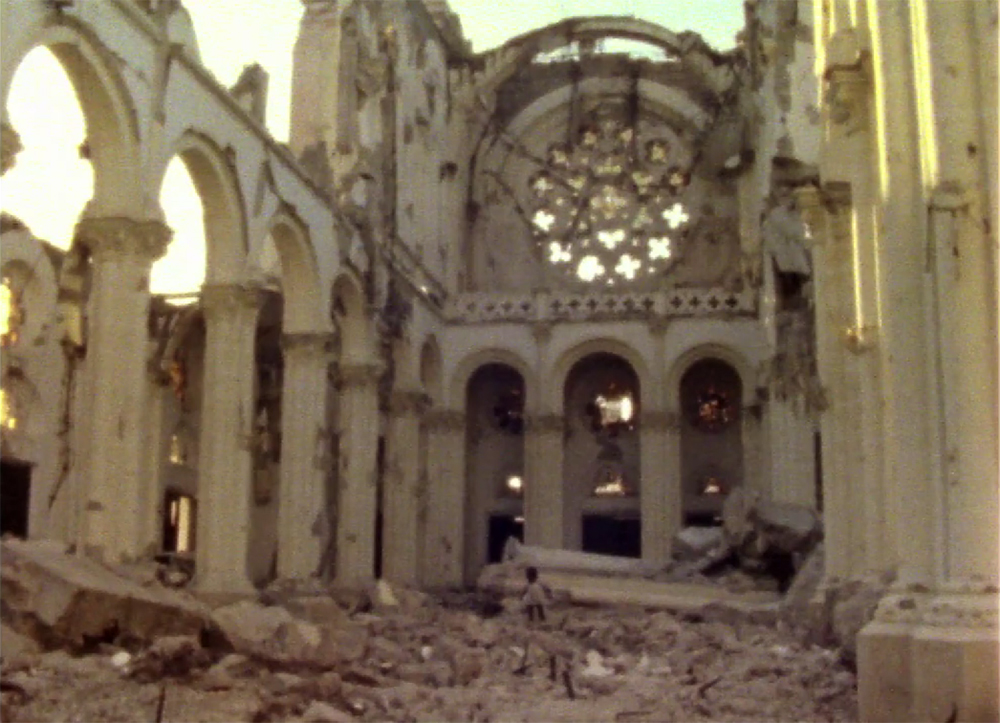
Vertières est le nom d'un quartier de la ville du Cap-Haïtien où, en 1803, a eu lieu la grande bataille qui a fini par expulser l'armée de Napoléon de l`île, Haïti à ce moment devient le premier pays au monde a conquérir son indépendance face aux puissances colonialistes.
Formation: La FEMIS, école nationale du cinéma-France, (diplômée juin 2006) Faculté de Design à Rio (diplômée en 2000) Bourse Aprofundamento-Parque Lage RJ (2014) Louise Botkay réalise des films utilisant autant le télephonne portable, que la vidéo, les pellicules super-8, 16 et 35 millimètres qui souvent sont développées "artisanalement". Travail nomade,elle réalise des films en Haïti, au Congo, Niger, Tchad, Hollande, Françe et Brésil.. Ses films on été sélectionnés et primés en festivals comme le Festival 1er Plan d`Anger, le festival de Brive, le festival Janela international de Recife, le festival de curtas de São Paulo, entre autres. Son film "Mammah" a été exhibé à la Galerie Christopher Grimes (Santa Monica), au Yerba Buena Center for the Arts (São Francisco) et au MAM-Rio de Janeiro en 2013, dans l'expo collective SP8. Elle a reçu la bourse "Villa Hors les murs", de l'Institut Français, pour produire son plus récent travail réalisé en Acre, Amazonie Brésilienne avec le peuple Hunikui. Elle vit à Rio de Janeiro et travaille entre le Brésil et la France.
Eliane Esther Bots
In Flow of Words
Documentary | dcp | color | 22:15 | Netherlands | 2021
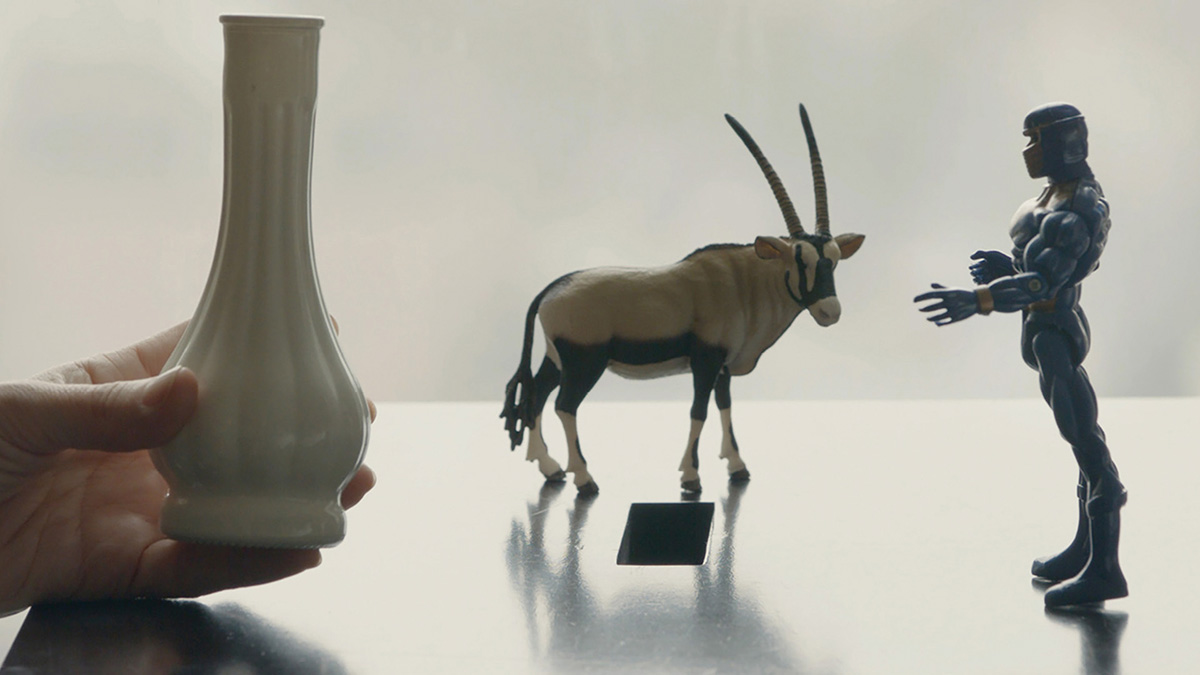
In Flow of Words follows the narratives of three interpreters of the International Criminal Tribunal for the former Yugoslavia. They interpreted shocking testimonies from witnesses, victims and perpetrators, without ever allowing their own emotions, feelings and personal histories to be present. Contrary to their position at the tribunal, this film places their voices and experiences center stage.
Eliane Esther Bots (1986, The Netherlands) graduated cum laude from the Master of Film at the Netherlands Film Academy in Amsterdam. Her films have been screened at ‘IDFA’ (NL) ‘Berlinale’, Berlin (DE), ‘Cinema du Reel’, Paris (FR), ‘New York Film Festival’ (USA), ‘International short film festival Oberhausen’ (DE), ‘Go Short’, Nijmegen (NL), Kassel Dokfest (DE). She works as a lecturer ‘Moving image’ at the University of the Arts in Utrecht (NL).
Gaëlle Boucand
Berliner Bildstörung / Zoologischer Garten
Experimental video | dv | color | 3:12 | France, Germany | 2006
Berliner Bildstörung / Zoologischer Garten est une vidéo construite à partir d`images d`un zoo déserté par ses animaux. Ces images mettent en avant les paysages artificiels du zoo et ses décors spécifiques. Elles surgissent du noir telles des interférences scandées par des réminiscences de sons d`animaux.
Gaëlle Boucand est née en 1980 à Paris. Elle bénéficie actuellement d`un atelier-résidence du BBK à Berlin et participe également au Pavillon, laboratoire de création du Palais de Tokyo à Paris. Son travail a récemment été exposé entre autres au Palais de Tokyo, au Luggage Store de San Francisco, ainsi qu`à Berlin (Air Garten, Kolonie Wedding), à Genève (Attitudes), à Montreuil (Les Instants Chavirés) et à Paris (Kadist Art Foundation, Bétonsalon, La Générale, Première vue, Jeune création). Plusieurs de ses films ont également été programmés dans le cadre de festivals vidéos tels que Les rencontres Internationales Paris-Berlin-Madrid (cinéma l`Entrepôt, Paris), Signes de nuit (cinéma le Balzac, Paris), Bandits-mages (Bourges) et le Kasseler Dokumentarfilm und Videofest (Kassel).

Gaelle Boucand
Voin
Documentary | mov | | 30:0 | France, Bulgaria | 0
Voin a grandi dans la Bulgarie communiste. Après vingt ans passés en Europe de l’Ouest, il retourne à Sofia sur les lieux de son enfance et de son adolescence. Son portrait se compose de lieu en lieu, de souvenir en anecdote. Du cou coupé du coq qui voulait l’énucléer aux rites d’initiation sexuelle dans la maison interdite, Voin campe les saynètes d’un roman d’apprentissage bataillien, cru et souverain. En racontant ses travestissements, il revendique aussi l’exercice d’une liberté, d’une agilité à se mouvoir dans le cours de l’Histoire. Voin l’imite, en hérite, et c’est l’Histoire qui transparaît dans une tonalité rafraîchie, une vitalité excentrique et mineure, loin des lieux communs du récit majoritaire. Et quand, penché sur le vide au 19e étage de la tour Tolstoï, le trentenaire contemple les barres d’immeubles du quartier Espoir de son enfance, son vertige est contagieux, et la sensation (dé)grisante. (Cyril Neyrat)
Gaelle Boucand est artiste et cinéaste. Sa pratique se concentre depuis dix ans sur la réalisation de documentaires au sein desquels les questions du portrait et du dispositif filmique tiennent une place centrale. En 2010, son premier film, "Partis pour Croatan", sur une communauté de raveur, est exposé, notamment au Musée d'Art Moderne de la ville de Paris (France). Son deuxième film, "JJA" — premier volet d'une trilogie — dresse le portrait d'un exilé fiscal en Suisse. Il reçoit la mention du Grand Prix de la compétition française au FIDMarseille (France) en 2012, ainsi que le Grand Prix expérimental au festival Coté Court de Pantin (France), et est également diffusé au sein de multiples institutions artistiques internationales (Kunsthalle Mannheim (Allemagne); MAST – Manifattura di Arti, Sperimentazione e Tecnologia Bologna, Bologne (Italie); Kunstwerk Carlshütte, Büdelsdorf (Allemagne). Depuis 2014, elle enseigne régulièrement à l'isdaT – Institut supérieur des arts de Toulouse (France) et réalise des films avec différentes écoles. En 2015, elle termine "Changement de décor", deuxième volet de la trilogie initiée avec "JJA", présenté notamment aux États généraux du film documentaire de Lussas (France), et cofonde la société Elinka Films. En 2020, "J.A" — qui vient clore la trilogie — est en compétition à Cinéma du Réel, Paris (France), et son dernier film, "Voin", portrait d'un homme à travers son retour en Bulgarie, reçoit le prix Alice Guy au FIDMarseille (France).
Halida Boughriet
Des intégrations
Video | hdv | color and b&w | 16:7 | France | 2015
Dans le film « Des intégrations» , La mémoire collective officielle et la mémoire politique se figent, à la limite de l’amnésie voire de la négation. C’est par le biais d’un univers poétique mais désenchanté que le film se propose de soulever des enjeux touchant à la jeunesse contemporaine. Les personnages jouent sur une série de correspondances qui érigent le film au rang de transfert visuel.
Artiste française et Algérienne . Anciennement diplômée de L’Ecole Nationale Supérieure des Beaux Arts de Paris et du programme d’échange de la SVA section cinéma à New York jusqu’en 2005. Halida Boughriet explore un large éventail de médias à travers ses oeuvres . Elle accorde une place centrale à la performance, dont les structures de son langage artistique lui donne une variété de formes. Au carrefour d’une préoccupation esthétique, sociale et politique, ses pièces s’efforcent de saisir les tensions dans les relations humaines mis en évidence par la société . Le corps est omniprésent , comme un instrument de geste poétique.
Halida Boughriet
pandore
Video | hdv | color | 8:44 | France | 2014
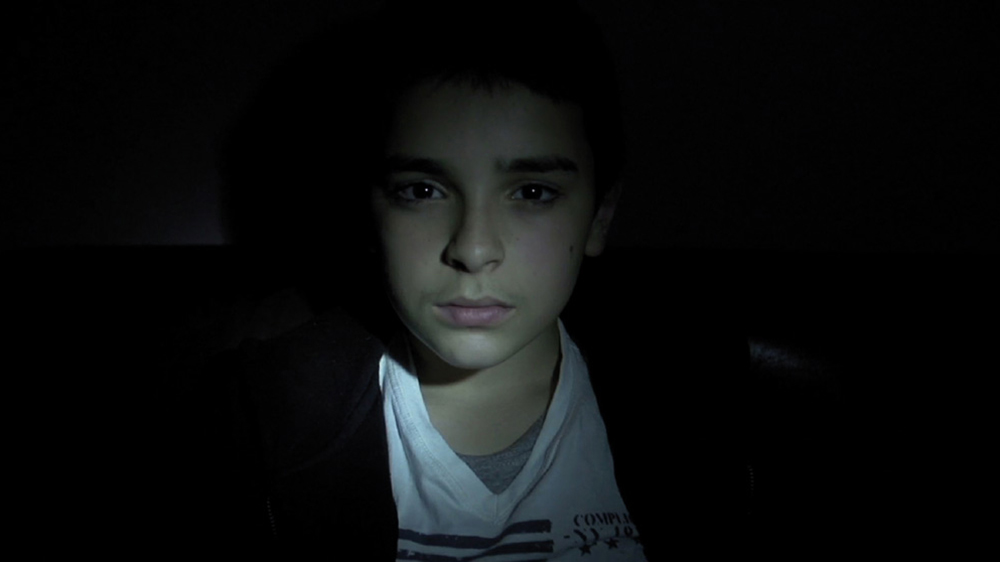
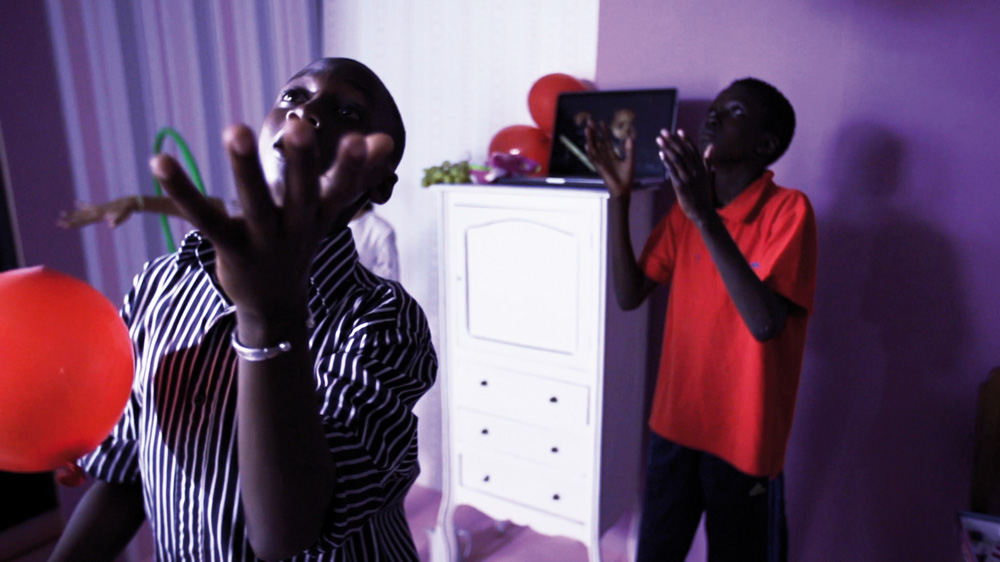
La vidéo Pandore se concentre sur un groupe social, enfants en marge du reste de la société française. Portant un regard sombre et inquiétant sur la réalité des rapports humains et aussi du système médiatique à la violence qui en découle. Les protagonistes sont invités à se dévoiler, témoignant de leurs histoires qui renvoient à l’image d’un passé et d’un présent "Mythe ou Réalité". Ils se mettent en scène dans des positions et postures artificielles, filmées par des séquences au ralenti extrêmement fluides. Enfin, La lumière travaille à inviter le spectateur à une curieuse contemplation dans l’intimité d’un espace clos et artificiel, dégageant une atmosphère irréelle et anormale.
Halida Boughriet est une artiste française d’origine algérienne. Anciennement diplômée de l’École nationale supérieure des beaux-arts de Paris et du programme d’échange de la SVA section cinéma à New York jusqu’en 2005. Halida Boughriet explore un large éventail de média à travers ses œuvres. Elle accorde une place centrale à la performance, dont les structures de son langage artistique lui donne une variété de formes. Au carrefour d’une préoccupation esthétique, sociale et politique, ses pièces s’efforcent de saisir les tensions dans les relations humaines mises en évidence par la société. Le corps est omniprésent, comme un instrument de geste poétique expérimental. Ses œuvres font partie de la collection «Nouveaux Médias» du Centre Pompidou (Paris) et du musée MAC / VAL (Vitry -sur-Seine). Ses travaux ont été présentés dans de nombreuses expositions dont Elles@centrepompidou (2011, Paris), y compris au FIAC d’Alger (2011, Algérie), à l’Institut du Monde Arabe, (2012, Paris) pour l’exposition «Le corps découvert». En 2013, au Musée d’Art et d’Histoire de Saint-Denis (Seine-Saint-Denis) pour «Chapelle vidéo # 4». Plus récemment, elle participe à «Vidéo et après» au Centre Pompidou et à la Biennale internationale de Dak’Art 2014 (Dakar, Sénégal).
Ghyzlène Boukaila
#31# (Unknown call)
Experimental fiction | hdv | color | 16:16 | Algeria, France | 2021
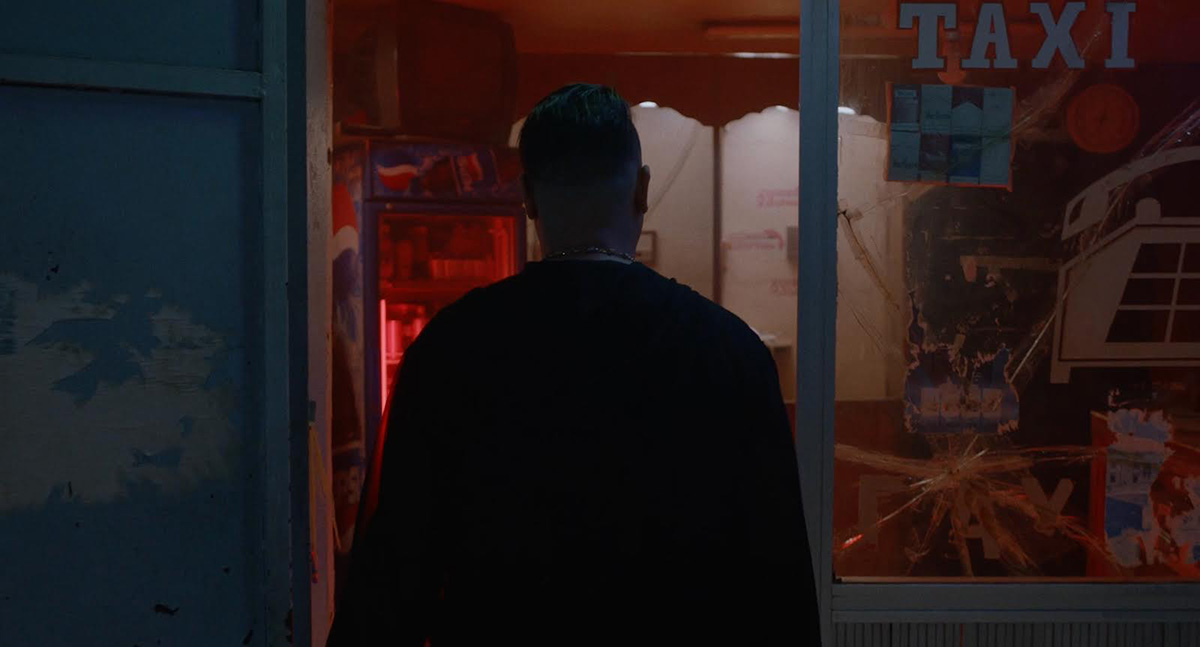
Off the coast of a world in reconstruction, a voice whose source is unknown overhangs the city and sounds like an injunction. In resistance to this authoritarian diction, a new voice emerges. Cheikh Morad Djadja makes his way through this universe, he must go to the Taxiphone and leave his own encrypted message. "Appel masqué" is a song composed by Cheb Abdou in 1993, during the period of the black decade in Algeria. Like many of his songs, Cheb Abdou wrote and performed them under constant threat. Through his music, he opened a field of identity expression and gender affirmation, the etymology of the word Raï takes all its meaning. By returning to the traces of the birth of raï, Oran, I met Cheikh Morad Djadja a personality of this environment and successor of Cheb Abdou, it was a real immersion in the community of singers and musicians raï.The film was built around the taxi-phone representing this non-place of anonymous telecommunication and the impossibility of maintaining a message, an opinion within a contemporary society. Echoing the lyrics of the song ''Appel masqué'' by Cheb Abdou, "#31# (Unknown call)" is an approach somewhere between documentary, fiction and performance, where Cheikh Morad Djadja leads us on an existential quest, in a world in perpetual reconstruction, where this non-place allows him to leave a masked vocal message about his trans-identity.
Ghyzlène Boukaïla is a multimedia artist and director born in 1993 in Algiers. She lives and works between Algiers and Lille. Her artistic approach and sensitivity crystallizes in the breasts of a family of Algerian revolutionaries. Exploring certain issues related to post-colonialism, her approach explores new narratives related to socio-political and digital (re)evolutions by situating her practice at the interface of documentary/performance and post-human digital narratives.
Mohamed Bourouissa
J.M Mondésir
Experimental doc. | hdv | color | 24:0 | France | 2012
A housing project that seems more like an amphitheater, bears witness to a sacrifice. In 2002, Georges Mondesir dies after an encounter with the police. He`s crazy, or just simple-minded. When face to face with the police, Mondesir is the Other. It?s the underlying ancestral struggle between this duo that interests Alice Colomer. It never becomes a documentary about death. It?s a ballet from which only the camera is free to escape. Slow motion defies realism, several perspectives intertwine ? these bring about the impression that something had happened.
Alice Colomer-Kang born in 1985 in Paris, she lives and works in Paris. She graduated from ?Ecole Nationale supérieure des Beaux Arts de Paris? in November 2011, and studied at the Central Academy of Fine Arts in Beijing (China). 2012 Group exhibition at la Saline Royale d?Arc-et-Senans, Tranches de carré sur Tranches de cerles (ENSBA-ENS), with Lekh Lekha installation. 2011 Paris screening of One World One Dream One People, in the Festival « les nuits photographiques ».. 2007 Group exhibition at CNAM of Paris les visites dessinées.
Mohamed Bourouissa
Généalogie de la violence
Fiction | dcp | color | 15:15 | France | 2024
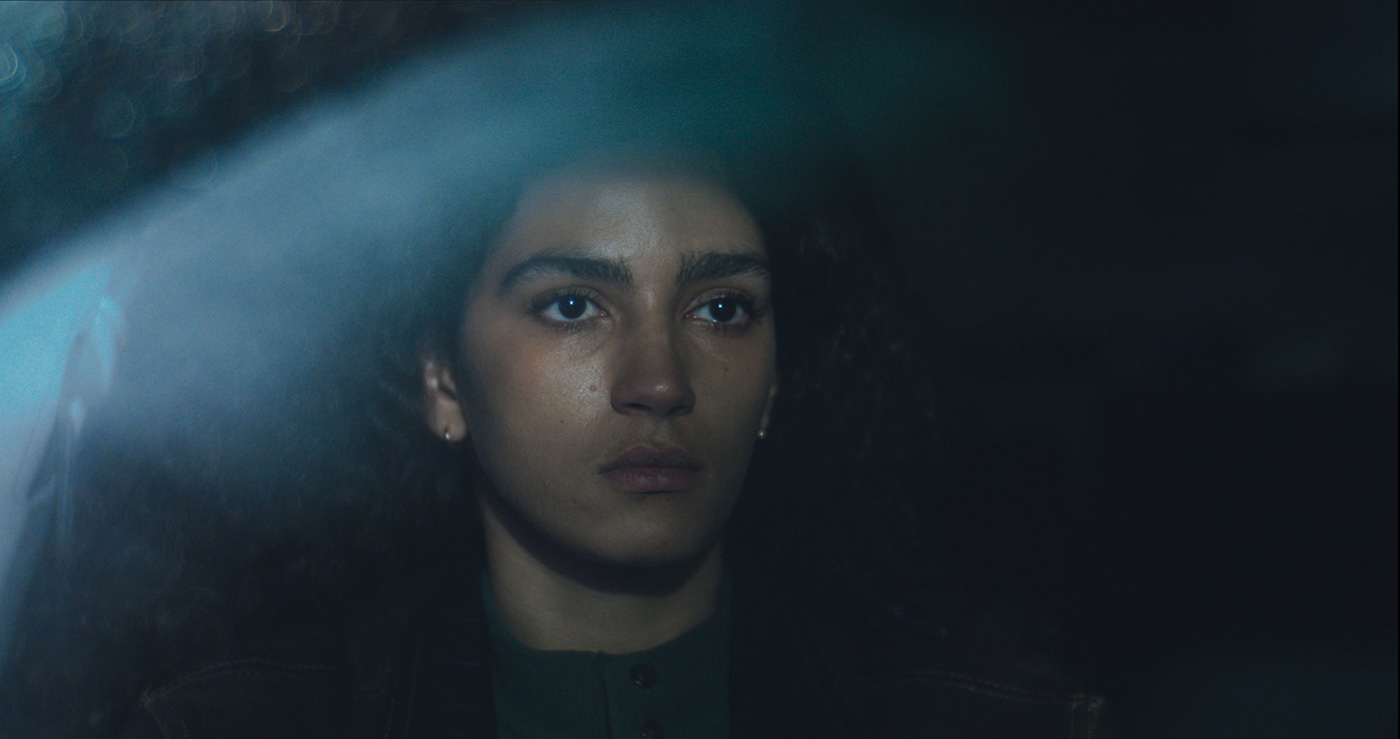
Imagine a film about police brutality, with no brutality. A film where nothing happens, yet you’re left baffled. Invisible violence, disguised under lawful humiliation. Domination wrapped in polite protocols. I started talking about making this short film back in 2018, but the idea of it was haunting me probably since the late 90s, when I started being constantly stopped by the police for “random identity checks”. I felt a certain urgency to tell this very personal story. With the series of sculptures in cast aluminium that can be read as an esquisse to Généalogie de la Violence wider project, Mohamed Bourouissa aims to convey the intimate sensations that a formal procedure can induce, the traces that a systematic judicial practice can leave, both on and in the body. These sculptures represent moments of palpation during body searches. They evoke a tension between body parts and the hands that palpate it and reveal a point of contact between social bodies and a state body. The artist reveals an intimate experience of what the notion of control imposes in terms of bodily dispossession. The interiority of this experience is reflected by the void in the works. Through them, Mohamed Bourouissa represents an emotional dynamic that involves the enactment of two male bodies, highlighting the power dynamics and domination by one body over another.
Mohamed Bourouissa was born in 1978 in Blida (Algeria), and lives and works in Gennevilliers. He is represented by the Mennour, Paris and Blum Los Angeles galleries. Exhibited in 2010 by the Palais de Tokyo and the Musée d’Art Moderne on the occasion of Dynasty, an original association between the art center and the Musée de la Ville de Paris to highlight a new generation of French artists, Mohamed Bourouissa has since exhibited in numerous museums and international biennials (Rencontres internationales de la photographie d’Arles ; Musée d’Art Moderne de la Ville de Paris; Centre Pompidou, Paris; New Museum, New York; Barnes Foundation, Philadelphia; Stedelijk Museum, Amsterdam; Frankfurt am Main; Bal, Paris; Haus der Kunst, Munich; Biennales de Sydney, Sharjah, Havana, Lyon, Venice, Algiers, Liverpool, Berlin; Milan Triennale… ). Mohamed Bourouissa’s work is included in numerous public and private collections (Centre Pompidou, Paris; SF Moma, San Francisco; LACMA, Los Angeles; Pinault Collection; Fondation Louis Vuitton, Paris; The Israel Museum, Israel…).
Mohamed Bourouissa
Temps mort
Experimental fiction | dv | color | 18:0 | France | 2009
It is about a correspondence between two individuals, one who is locked up and the other who is in prison. All film constructs on this exchange of text (sms), pictures and words. The film begins with the installation of film process (in some way, the beginning film tells The film begins with the installation of film process) to become little by little a film which questions the notions of freedom and imprisonment.
Mohamed Bourouissa was born in Blida in Algeria. He lives and works in Paris. He is currently student of Studio National des Arts ? Le Fresnoy. He graduated at the Ecole Nationale Superieure des Arts Decoratifs de Paris in photography and has been studying visual arts at La Sorbonne Paris 1 (MA). Some solo shows were set up in the Centre culturel de Correios, in Rio de Janeiro in Brésil, at the Galerie des filles du Calvaire, at Breda Photo 2008, Pays-Bas, at the Site Gallery, Sheffield in England, at the Pauza Galerie, in Cracovie in Pologne. His work has been part of number of exhibitions in the world, including the Biennale Photographie et Architecture in La Cambre, Bruxelles, Belgique, at the contemporary art biennale of Alger, Algeria, at the New Museum of contemporary art, New York, and at the Deutsches Historisches Museum, Berlin, Germany. His work has been part of several public collections: the Cité nationale de l?Histoire de l?immigration, Paris, the Fonds national d?art contemporain, France, the Galerie du Château d?Eau, Toulouse, France, the Finnish Museum of Photography, Helsinki, Finlande.
Louise Bourque
L?éclat du mal
Experimental film | 16mm | color | 8:0 | Canada | 2005